Doenjang Jjigae

Doenjang Jjigae

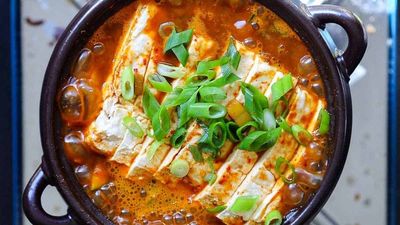
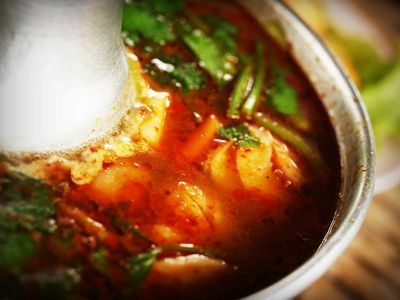
A quick anchovy-and-kelp stock makes the broth backbone (the Korean kitchen standard, taking 10 minutes). Doenjang (about 3 tablespoons) whisks into the hot stock with a small spoonful of gochujang for warmth, never aggressive heat. The vegetables go in by sturdiness: potato first, then courgette and mushrooms, then onion and chilli, finally cubed tofu and clams (or anchovies) at the end. Simmers for 12-15 minutes total. A little minced garlic stirs in at the very end so it doesn't dull. Brought to the table in the cooking pot, still bubbling.

Korean 40 minutes Serves4
Kanom Jeeb

Kanom Jeeb

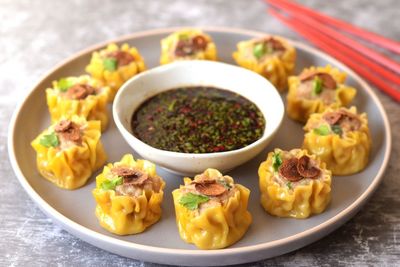
A filling of minced pork and chopped prawn binds with coriander root (pounded with garlic and white pepper into the traditional Thai "rak pak chee" paste), oyster sauce, soy sauce, sugar, sesame oil, and a beaten egg. The mixture chills for 20 minutes to firm. Square wonton wrappers go around the filling cupcake-style: filling in the centre, edges pulled up and pleated open around the meat, top brushed with a tiny smear of beaten egg and topped with a thin slice of carrot. Steamed in a bamboo basket over boiling water for 8 minutes. Dip is black soy sauce with sliced chilli and rice vinegar.

Snacks 40 minutes Serves4
Lo Bak Go

Lo Bak Go

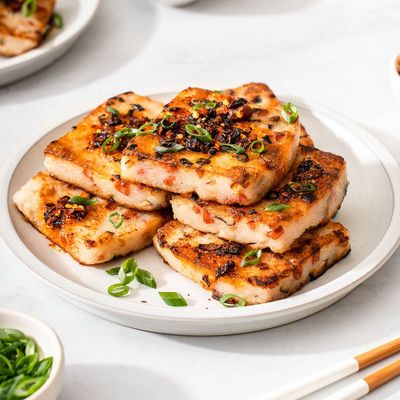
Dried shrimp and dried shiitake soak in warm water until plump; the soaking water is reserved. Chinese sausage dices fine; shallots, soaked shrimp and shiitake chop separately. All these flavourings fry together in oil until aromatic. Grated daikon is added with the shiitake-shrimp soaking liquid; cooked for 10 minutes covered until softened. Rice flour whisks with cold water into a smooth slurry; pours into the daikon mixture; cooks for 2 minutes, stirring, until thickened into a batter. Tipped into a greased loaf tin; smoothed; steamed for 60 minutes in a wide pot. Cooled fully, refrigerated, then sliced 1 cm thick and pan-fried in oil until crusted gold on both sides. Served with chilli oil and a dipping sauce of light soy and rice vinegar.

Snacks 2 hours Serves8
Longevity Noodles

Longevity Noodles

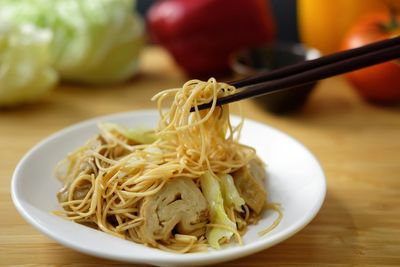
Yi mein (e-fu) are pre-fried Cantonese egg noodles sold as flat round cakes; they soften almost instantly in hot water and pick up sauce like a sponge. Stir-fried over high heat with shiitake mushrooms and ginger; finished with garlic chives, soy and a quick splash of shaoxing. The noodles are tossed gently - never cut, never broken - and served piled high in a wide bowl. If you can't find yi mein, fresh thin egg noodles work; the symbolism stays intact.

Chinese 27 minutes Serves4
Mala Dry-Pot (Ganguo)

Mala Dry-Pot (Ganguo)

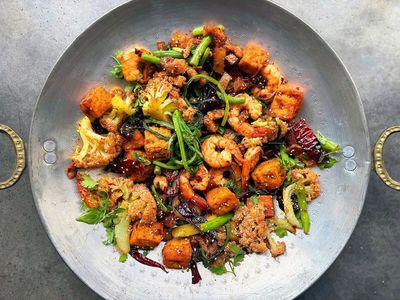
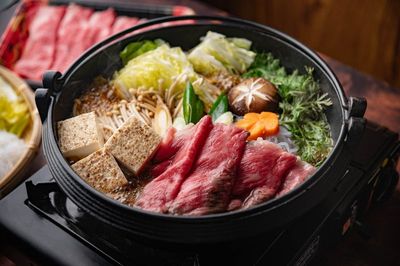
Ganguo, literally "dry pot", is the dry sister of hotpot. Where hotpot is a communal soup simmered at the table, dry pot is a wok composition: each ingredient pre-cooked separately, then everything tossed together at the last moment in a fragrant mala sauce based on Pixian doubanjiang, fermented black beans and chilli oil. The result lands somewhere between a stir-fry, a casserole and a giant heap of bar snacks. The dish is usually credited to Chongqing in the 1990s and exploded into nationwide popularity in the 2000s; it now anchors the menu of countless ganguo restaurants where you point at ingredients on a fridge and they appear minutes later in a single-handled wok at your table. Difficulty for a home cook is low if you accept the rhythm: blanch the vegetables, sear the proteins, then build the final dish from already-cooked components. The trick is restraint with the sauce, generous heat under the wok, and the willingness to commit to a long ingredient list. The recipe is endlessly flexible: lotus root, potato, cauliflower, mushrooms, squid, chicken wings, beef, fish balls, tofu skin, whatever you have, in any combination, totalling 1-1 ½ kg.
Chinese 50 minutes Serves4
Shoyu Ramen

Shoyu Ramen

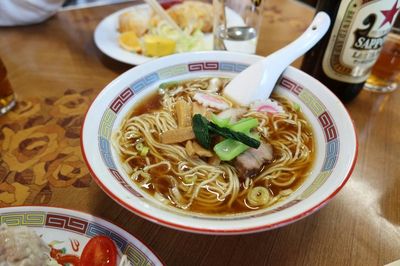
Of the four main ramen styles, shoyu (soy) is the cleanest and most aromatic, leaning on a clear roasted-chicken broth rather than the milky richness of tonkotsu or the heavy punch of miso. The technique splits the work: a long, gentle simmer with kombu and shiitake builds the broth, and a separate seasoning sauce called tare goes in bowl by bowl at the end. That last step is what lets you tune the saltiness without compromising the broth's clarity.

Japanese 4 hours 45 minutes Serves6
Sichuan Hot Pot

Sichuan Hot Pot

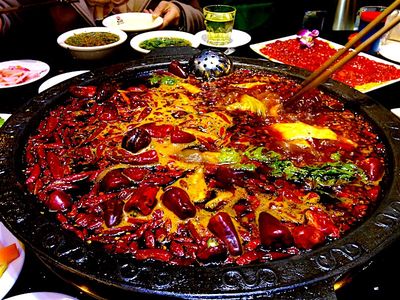
Two pots if you have them: a spicy red broth and a clear chicken broth. The red broth fries doubanjiang and chilli bean paste in beef tallow, adds Sichuan peppercorns, dried chillies, star anise, cassia, bay, ginger and garlic, then stock; simmers for 30 minutes. Diners cook their own ingredients in the simmering pot and dip in a small bowl of sesame oil + chopped garlic + coriander. The mala (numbing-hot) sensation comes from green Sichuan peppercorns + dried chilli together.

Chinese 1 hour 30 minutes Serves4-6
Stir-Fried Beef in Oyster Sauce

Stir-Fried Beef in Oyster Sauce

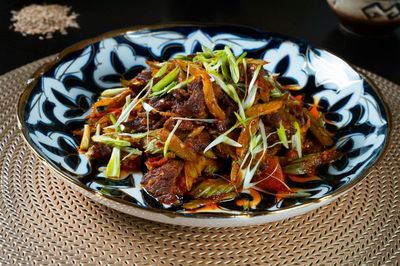
On Thai menus this is often called ‘pad nam mun hoy’, which means fried with oyster sauce. There are many versions of Thai oyster sauce curries, but this beef version is right up there when it comes to popularity. Stir-fried beef in oyster sauce usually also comes served with mushrooms and my favourite variety for this recipe are straw mushrooms, but you could use any type you can find, wild mushrooms work really well. Serve with a hot bowl of jasmine rice.

Thai 30 minutes Serves4
Tom Yum Gai Soup (Hot and Sour Chicken Soup)

Tom Yum Gai Soup (Hot and Sour Chicken Soup)

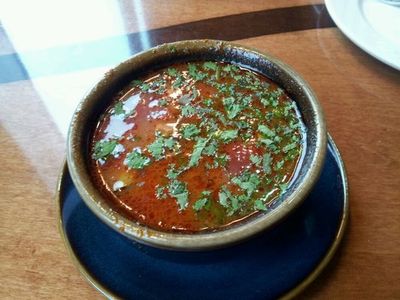
When you go out for Thai food this is sure to be on the menu. I love the spiciness of this soup, you get a good hit of spice but it doesn’t linger. Some chefs add sugar to it but, for me, this is a spicy, savoury and tart soup with only a hint of natural sweetness from the fried shallots and tomatoes. Do, of course, taste the soup and adjust the flavour to your liking, adding sugar if you want. It makes a delicious starter but you could bulk it up by adding other ingredients such as noodles to make it a light main. The word ‘gai’ means chicken, so this is a chicken tom yum soup. You could substitute prawn (shrimp) stock and prawns to make a delicious tom yum goong, or go vegetarian and use water and tofu.

Soups 30 minutes Serves4-6
← Prev Page 1 of 2 Next →