Sponges

Génoise, biscuit and other classic sponge cakes that anchor layered desserts.

6 recipes

Biscuit à l'Orange

Biscuit à l'Orange

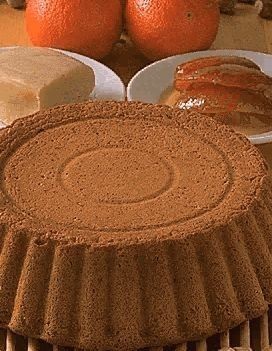
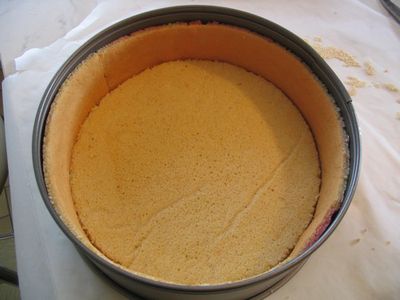
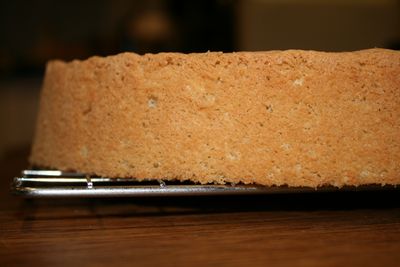
Biscuit à l'Orange is an elegant French almond-based sponge enriched with fresh orange zest and candied orange peel, creating a subtly citrus-flavored, tender crumb. The technique combines aeration (ribboned egg yolks with sugar, whipped whites), ground almonds and candied peel for character, and gentle folding of flour to preserve airiness. The result is a tender, fragrant sponge with whisper-thin crumb and pronounced orange flavor, perfect as a complete layered cake or divided into individual portions for plated desserts. Success depends on achieving proper ribbon consistency, meticulous folding technique, careful spreading of the batter into the ring, and precise baking at moderate temperature.
45 minutes Serves1
Biscuit Joconde

Biscuit Joconde

Biscuit joconde is the apotheosis of French patisserie elegance: a delicate, paper-thin sponge made with tant pour tant (equal parts ground almonds and icing sugar), providing refined texture and subtle almond undertone without wheat flour heaviness. The technique combines aeration (ribboned whole eggs with tant pour tant) with careful folding of whipped egg whites, melted butter, and a modest flour addition. The result is spread thinly (3-4 millimeters) on parchment and baked very briefly (2-3 minutes at 250°C) to create a sponge that is just set and firm to the touch, not dried out. This delicate sponge serves as the structural base for mousse cakes, bavarois towers, and refined layer desserts. Success depends on achieving perfect ribbon consistency, meticulous folding technique, precise spreading thickness, and split-second baking timing.

23 minutes Serves1
Génoise Sponge

Génoise Sponge

Génoise (Génoise nature) is the foundational French sponge cake, distinguished by its technique of warming sugar and eggs in a bain-marie to create volume, then folding in flour and clarified butter with extreme care to maintain airiness. Unlike American sponges relying on chemical leavening, Génoise relies entirely on mechanical aeration, the whisking of warm eggs creates the structural matrix that rises in the oven. Success depends on achieving proper ribbon consistency during whisking (mixture should fall in ribbons when the whisk is lifted), gently folding flour without deflating the egg foam, and using clarified butter (which incorporates better than whole butter, which contains water and milk solids that break the foam). The result is a tender, elegant sponge with fine, even crumb and delicate flavor, the perfect canvas for cream fillings, soaked syrups, or fruit accompaniments. Baking the day before serving improves texture; the sponge continues to set overnight.

45 minutes Serves1
Rolled Biscuits

Rolled Biscuits

Rolled biscuits are the ultimate flexible sponge base, created by piping through various nozzle sizes (from 5-millimeters to 1 ½-centimeters) or spreading with a palette knife to create uniform sheets of varying thicknesses. The technique combines aeration (ribboned 7 egg yolks with sugar, whipped whites), dual flour incorporation (wheat flour plus potato flour for enhanced tenderness), meticulous folding, and immediate towel inversion while warm to create a perfectly pliable, rollable sponge. The result is an elegant sheet cake that can be filled, rolled, or layered with creams, jams, or mousses. Success depends on achieving proper ribbon consistency, careful folding, precise spreading/piping, and the distinctive immediate-inversion towel technique that prevents sticking and maintains pliability.

30 minutes Serves1
Sponge Base

Sponge Base

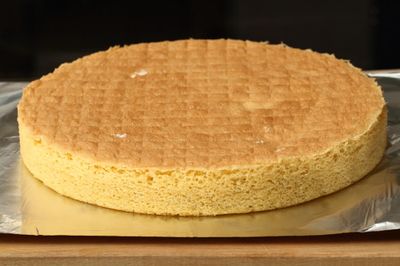
Sponge base is a simplified, diameter-flexible version of larger butter sponge cakes, allowing bakers to create cakes of any size using standardized proportions. The technique combines aeration (ribboned egg yolks with sugar, whipped whites), careful folding to preserve airiness, and variable baking time adjusted to mould diameter. The result is a tender, versatile sponge with balanced flavor and fine crumb, equally suited to small individual cakes, medium 22-centimeter layers, or large tortes. Success depends on achieving proper ribbon consistency, meticulous folding technique, and understanding the relationship between mould/sponge thickness and required baking time.

40 minutes Serves1
Sponge Fingers

Sponge Fingers

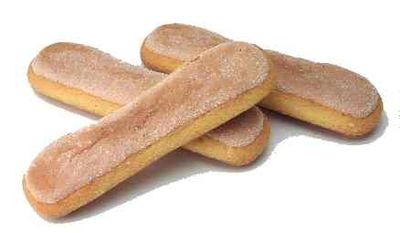
Sponge fingers are the classic French biscuit à la cuillère, distinguished by their light, airy structure and characteristic finger shape created by piping through a large nozzle. The technique combines aeration (ribboned egg yolks with sugar, whipped egg white peaks), careful folding of flour added late-stage, and dual icing sugar dusting at 5-minute intervals during cooling to create a delicate, sweet exterior. The result is a tender, elegant biscuit suitable for layering in desserts (Swiss rolls, charlottes), dipping in hot chocolate or liqueurs, or serving with soft creams. Success depends on achieving proper ribbon consistency, meticulous white folding technique, precise nozzle size and piping technique, and the distinctive dual-dust finishing procedure.

25 minutes Serves24-30