Side Dishes

3 recipes

Aloo Posto

Aloo Posto

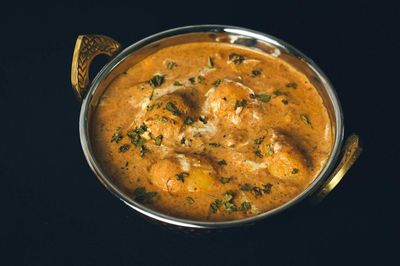
Aloo posto is the dish that Bengalis abroad miss most. Posto, white poppy seed, is so essential to the cuisine of West Bengal that there are entire menus built around it: aloo posto, posto bora (poppyseed fritters), jhinge posto, even ilish posto with hilsa fish. The seeds are soaked, ground to a fine, creamy paste, and cooked just enough to lose their raw note while keeping their pale colour and nutty perfume. This is one of the simplest preparations in the repertoire, and yet a much-debated one: how fine should the paste be (very fine), should onion be added (in West Bengal generally not, in Bangladeshi versions sometimes yes), how much green chilli is right (one or two slit, not pounded), and crucially, what oil (always mustard, always heated to smoke point first). The tempering is austere: just kalo jeere (nigella seeds) and a slit chilli. There is no garam masala, no cumin, no turmeric. The dish is meant to be quiet, almost pale, eaten with a small mound of plain rice and a dollop of ghee on a hot Kolkata afternoon. It is technically a side dish but in a traditional Bengali thali order it is often served as a course on its own, between the leafy greens and the dal, before the fish curry arrives. For a home cook the only real challenge is grinding the posto fine enough; a small spice grinder or wet-dry blender does the job perfectly.

1 hour 5 minutes Serves4
Begun Bhaja

Begun Bhaja

Begun bhaja is the simplest, oldest and most loved of Bengali sides. Begun is the Bengali word for aubergine, bhaja means fried, and the dish is exactly what it sounds like: thick, round slices of aubergine, salted and turmericked, then shallow-fried in mustard oil. It is served on the rice plate alongside the dal, traditionally as the second course after shukto, and is eaten by pressing a slice with the back of the thumb onto a small mound of rice and dal. The dish has only four ingredients and yet there are countless mistakes a cook can make: slicing the aubergine too thin (it disintegrates), not resting it after salting (it spits in the oil and stays soggy), under-heating the mustard oil (it tastes raw and acrid), or flipping the slices too soon (they tear). Done properly, the slice should have a thin crisp shell from the natural sugars caramelising on contact with hot oil, and a yielding silky centre. Some households dust the slices with a little rice flour or semolina for an extra-crisp coat; the purist version uses nothing at all. The variety of aubergine matters too: the long pale lavender Bangladeshi begun or the round dark-purple kalo begun both work, but the slim Japanese aubergine does not give enough flesh. Begun bhaja is humble, fast and beloved across all classes and both sides of Bengal, served in Kolkata bhater hotels (rice canteens) and at Dhaka wedding feasts alike.

40 minutes Serves4
Shukto

Shukto

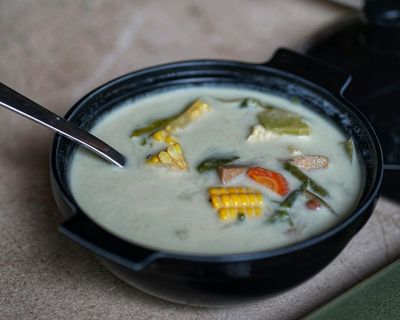
Shukto is the dish that confuses newcomers and converts Bengalis for life. It is the first course of a traditional Bengali meal, served on the rice plate at the very start, before the dal, before the fish, before anything sweet. The logic is Ayurvedic: a small portion of something bitter eaten on an empty stomach is said to wake the digestion and tune the palate. The bitterness comes from korola (bitter gourd), but it is always counterweighted with the sweetness of milk, a little sugar, ripe banana plantain, sweet potato or radish, and the warm nuttiness of ground ginger and roasted radhuni (wild celery seed). The vegetables are cut to a uniform finger-shape (jhuri) and added in order of cooking time: bitter gourd first to mellow it, then plantain, drumstick, brinjal, sweet potato, with bori (sundried lentil dumplings) fried separately and stirred in at the end. The tempering is unusual: panch phoron or, more correctly for shukto, just radhuni and a pinch of mustard seeds in ghee. Milk is added towards the end and the dish is finished with a paste of ginger and a tablespoon of poppy seed or mustard ground with milk. It is mild, complex and unmistakably Bengali. A first-time cook should not be afraid of the bitterness; once the milk, ghee and sugar enter the pot it transforms into a balanced, almost soothing stew. Shukto is most associated with West Bengal and is served at every wedding, every shraddha (ancestral) feast and most Sunday lunches in a Bengali Hindu home.

55 minutes Serves4-6