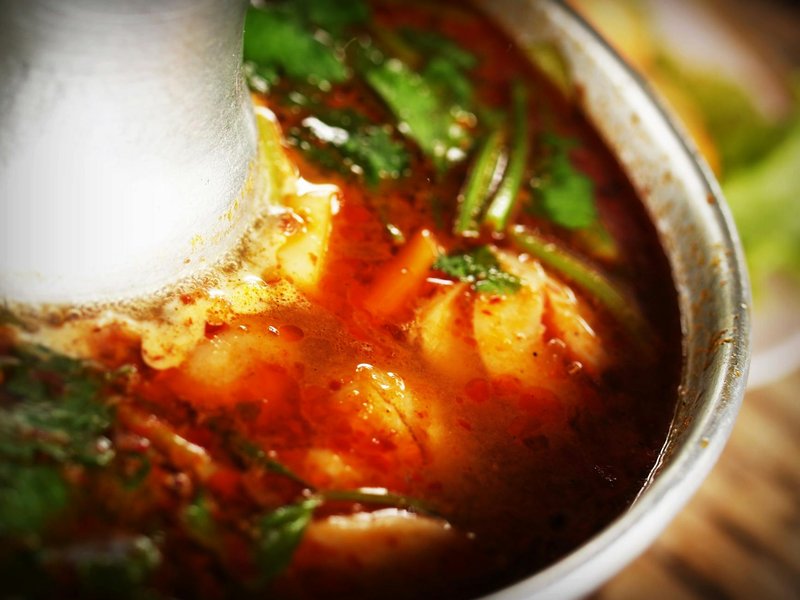
Tom Yum Gai Soup (Hot and Sour Chicken Soup)
Thailand's tom yum gai: chicken in a hot-and-sour broth of lemongrass, galangal, kaffir lime, fish sauce and chilli.
Overview
When you go out for Thai food this is sure to be on the menu. I love the spiciness of this soup, you get a good hit of spice but it doesn’t linger. Some chefs add sugar to it but, for me, this is a spicy, savoury and tart soup with only a hint of natural sweetness from the fried shallots and tomatoes. Do, of course, taste the soup and adjust the flavour to your liking, adding sugar if you want. It makes a delicious starter but you could bulk it up by adding other ingredients such as noodles to make it a light main. The word ‘gai’ means chicken, so this is a chicken tom yum soup. You could substitute prawn (shrimp) stock and prawns to make a delicious tom yum goong, or go vegetarian and use water and tofu.
Ingredients
Fat
- 2 tbsp rapeseed (canola) oil
Aromatics
- 2 shallots, finely chopped
- 1 lemongrass stalk, smashed and cut into about 5 pieces
- 8 lime leaves, stalks removed and leaves thinly sliced
- 2 ½cm (1in) piece of galangal, thinly sliced
- 3 garlic cloves, roughly chopped
Protein
- 250g (9oz) chicken breast, cut into bite-size pieces
Vegetables
- 8 mushrooms, quartered
- 2 tomatoes, quartered
- 3 spring onions (scallions), roughly chopped
- Handful of chopped (or sliced vegetables), such as cabbage, bean sprouts, carrots (optional)
Seasonings
- 1 tbsp tamarind paste
- 1 tbsp chilli jam (nam prik pao)
- 1 tbsp roasted Thai chilli oil with some of the goop at the bottom
- 3-4 tbsp Thai fish sauce*
- 3 green bird’s eye chillies, smashed and cut lengthwise
- 1 small handful of coriander (cilantro), roughly chopped
- 2 tsp palm sugar (or white sugar, optional and to taste)
Method
Stage 1 - Prepare aromatics
- Heat the oil in a large saucepan over a medium-high heat until shimmering hot.
- Add the shallots and fry for about a minute.
- Add the stock or water, lemongrass, lime leaves, galangal and garlic and bring to a boil.
- Reduce the heat and simmer this aromatic liquid for about 10 minutes.
Stage 2 - Cook chicken
- Stir in the chicken and continue cooking until the chicken is cooked through (about 5 minutes).
- Add the tamarind paste and stir well.
Stage 3 - Add seasonings and vegetables
- Stir in the mushrooms, chilli jam, chilli oil, fish sauce, green bird’s eye chillies and coriander (cilantro).
- Taste and adjust seasoning as desired; add sugar if wanted.
- Add the quartered tomatoes and let them cook through in the hot stock.
- Add the spring onions (scallions) and any other vegetables.
Stage 4 - Serve
- Ladle the soup into bowls and enjoy.
Notes
- Many Thai fish sauces contain gluten but there are gluten-free brands available.
Serving
- Serve hot as a starter or light main.
Storage
- Refrigerate leftovers in airtight container for up to 2 days.
- Reheat gently; flavors intensify.
Recipes mentioned here
Nam Prik Pao
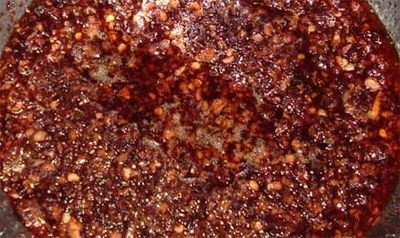
Nam prik pao is the definition of Thai culinary philosophy: a simple dish of tremendous depth. The combination of dried shrimp, fermented shrimp paste, pungent garlic, fiery chillies, and tiny sweet-acid aubergines creates a complex, intensely flavorful paste that transcends its humble ingredients. Fresh coriander adds herbal brightness. This sauce is served as a table condiment alongside steamed rice, used as a dip for fresh vegetables, spooned onto grilled meats, and stirred into soups. The mortar-and-pestle preparation is essential, it builds flavor through the pounding action that can't be replicated by machine.
Nam Prik Pao
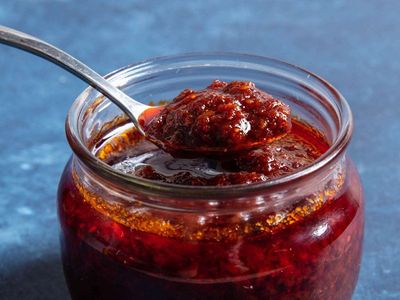
Dried red chillies are deseeded (most of them), garlic is sliced, shallots are sliced thin. All three fry separately in oil over medium heat until each is deep golden and crispy, sequence matters because they cook at different rates. Dried shrimp toasts briefly in the same oil. Everything pulses in a food processor (or pounds in a mortar, the traditional method) to a coarse paste. Returned to the pan with the residual oil; palm sugar, fish sauce, tamarind paste and a splash of water cook for 10 minutes more, stirring, until the colour deepens to mahogany and the paste is thick and glossy. Once cooled and stored in oil, it lasts weeks.
Tom Yum Goong
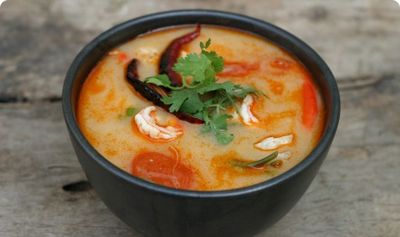
Authentic Thai hot and sour soup with prawns in a fragrant, spicy broth made from prawn shells, tamarind, and lime. The balance of sweet, sour, salty, and spicy flavors defines this classic dish.
More like this
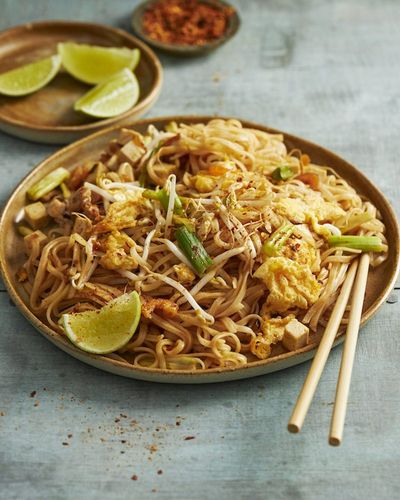
Prawn and Pork Pad Thai
This classic Thai dish of noodles is both aromatic and lightly spicy, serving well as either a main course or a starter. Pad Thai combines stir-fried rice noodles with tender chicken, pork, and prawns in a balanced sauce of curry paste, oyster sauce, and fish sauce. Fresh herbs, crushed peanuts, and a squeeze of lime complete this iconic Thai street food favourite.
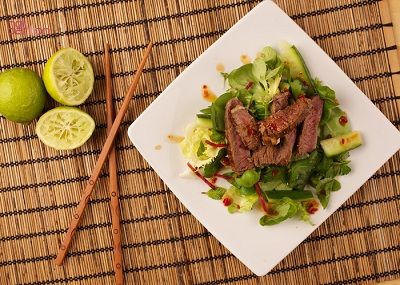
Go Bo Hoi an
Go Bo Hoi An is a piquant Vietnamese beef salad featuring thinly sliced seared beef tossed with crisp vegetables, fresh herbs, and a bright tamarind-lime dressing. This dish has delicate undertones of lime and garlic which carry through the tamarind flavours perfectly. The combination of tender beef, crunchy vegetables, aromatic herbs, and crispy rice papers creates a textural and flavourful celebration of Vietnamese cuisine. Quick to make but requires advance preparation, ensure the salad, dressing, and toppings are made and ready to use before cooking the beef.
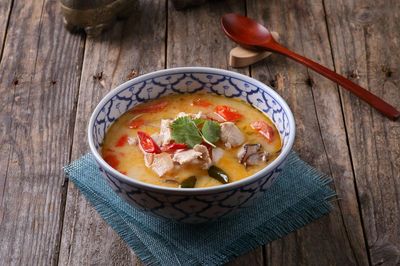
Tom Kha Gai Soup (Chicken, Galangal and Coconut Soup)
Tom kha gai is a popular spicy coconut soup. The tasty broth is more important than what you put into it as a main ingredient, which in this case is chicken, although you could substitute prawns (shrimp) to make tom kha goong, or meaty white fish. You could also leave the meat out and make it into a vegan soup, adding whichever vegetable you like or even fried tofu. If you want to have this as a main dish, you could add other ingredients such as noodles to make the soup more filling.
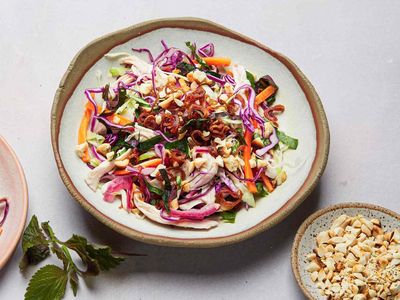
Gỏi Bắp Cải
Poached chicken is shredded and tossed with finely shredded cabbage, carrot and onion that has been softened in a light vinegar bath. A bright nước chấm style dressing brings everything together and toasted peanuts and fried shallots finish the top. The trick is balance: the salad should be crunchy, not waterlogged, and the dressing should taste sharp on its own before it hits the salad.