Side Dishes

4 recipes

Areeka

Areeka

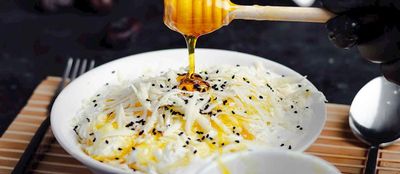
A Saudi sweet you can put together in five minutes from three ingredients you almost certainly have: bread, dates, samna. You tear soft, slightly toasted whole-wheat flatbread (khubz tameez works) into a heavy bowl, scatter pitted dates over it (medjool or kholas, the Saudi favourites), then press the mixture lightly with a wooden pestle or the back of a spoon while a generous pour of warm melted samna goes over the top. The dates collapse into the bread under the heat and the pressure, and the samna soaks through until you have a thick, buttery, intensely sweet mass that holds together in a spoon. Some versions add ground cardamom, a sprinkle of toasted sesame, or a final swirl of honey on top. Eaten warm with the fingers or a spoon, traditionally for breakfast or as the sweet course at the end of a heavy meal.
20 minutes Serves4
Foul Saudi

Foul Saudi

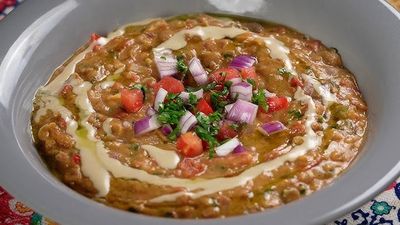
The Saudi take on foul medames, somewhere between the Egyptian original and the Yemeni daal-like versions. You soak dried fava beans overnight, then simmer them with a chickpea or two and a garlic clove for six hours low and slow (or pressure-cook for forty-five minutes if you don't have the day) until they're so soft they fall apart at a glance. Once drained, the beans go back into a hot pan with olive oil and garlic, cumin and a hit of chilli; you crush them roughly with a fork (chunky, not smooth) and finish with lemon and a handful of chopped parsley. Eaten warm for breakfast across the Gulf, scooped with flatbread, with a side of pickles or salata hara, and a glass of mint tea.

6 hours 55 minutes Serves4
Khubz Tameez

Khubz Tameez

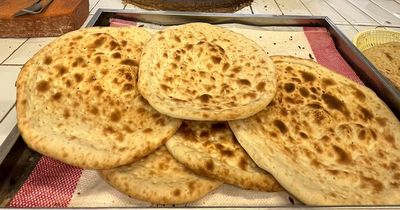
The thick, soft flatbread that turns up on every Saudi table: the bread you tear to scoop foul, sop kabsa juices and wrap around grilled meat. You make a simple yeasted dough with plain flour, fast-action yeast, salt, sugar, olive oil and warm water, knead it briefly, let it rise, divide into balls and shape into thick rounds about the size of a side plate. Onto a screaming-hot baking stone or steel for four or five minutes per side, which is what gives you the puffed centre, the dark blisters across the top, and the soft pliable inside. Traditionally baked against the side of a clay tannur, which is where the name comes from and which gives the bread its deeper char; a stone or steel in a home oven gets you nearly all the way there. Eat warm from the oven, wrapped in a tea towel to keep the moisture in.

2 hours 5 minutes Serves4
Salata Hara

Salata Hara

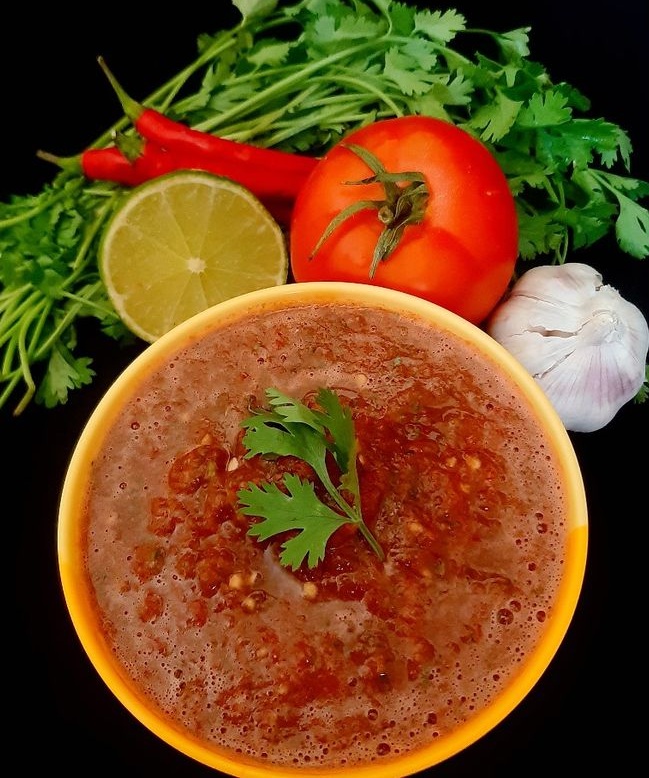
The chunky chopped salad that sits next to almost everything on a Saudi table: the relish that gives kabsa its bright counter, the cool against grilled meat, the freshness against rich rice. You chop tomato, cucumber and onion fine (the size matters: bigger than a salsa, smaller than a Greek salad), throw in parsley and a green chilli or two, and dress with lemon, olive oil, a pinch of cumin and salt. Five minutes' rest before serving lets the salt draw out a little tomato juice, which becomes the dressing the salad makes for itself. Vivid, crunchy, mildly hot, fast enough to put together while the kabsa rests under its lid. Eaten as a side dish, scooped with bread, or spooned over rice as you go.

12 minutes Serves4