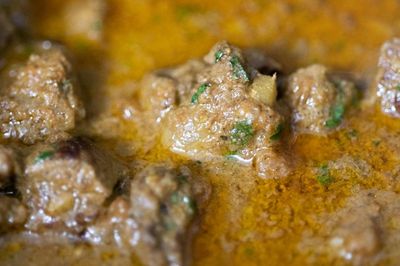
Beef Panang Curry
A thick, sweet Panang curry with peanuts, served over jasmine rice. Similar to red curry but sweeter and thicker; add vegetables for extra nutrition or keep traditional.
Cooking that balances four flavours in every dish: sweet, sour, salty and spicy. Built on lemongrass, galangal, kaffir lime leaf, fish sauce, palm sugar and chilli, often rounded with coconut milk. Pounded curry pastes, fast wok work, raw salads dressed with lime and fish sauce, and aromatic broths like tom yum show the spread.
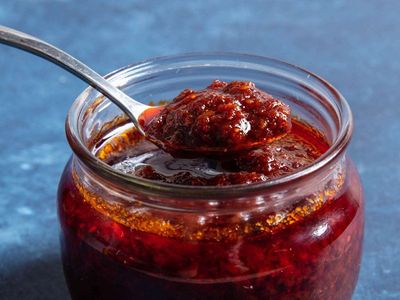
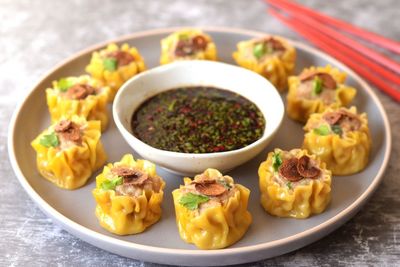
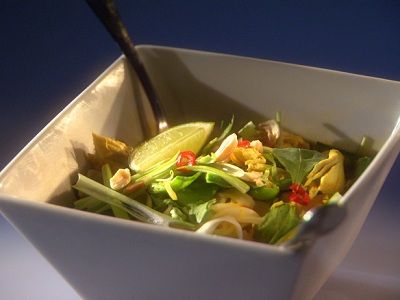
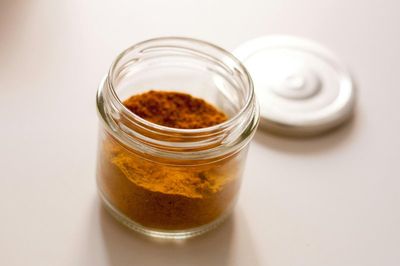
A thick, sweet Panang curry with peanuts, served over jasmine rice. Similar to red curry but sweeter and thicker; add vegetables for extra nutrition or keep traditional.
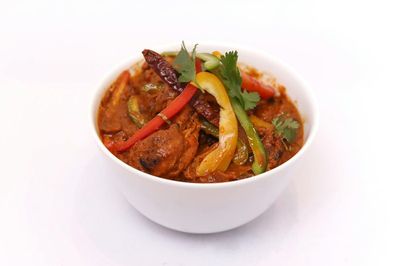
Spicy, thin jungle curry from Chiang Mai, traditionally made with jungle ingredients and game meat. No coconut milk; features a clear, flavorful broth with chicken and vegetables. Serve with sticky rice.
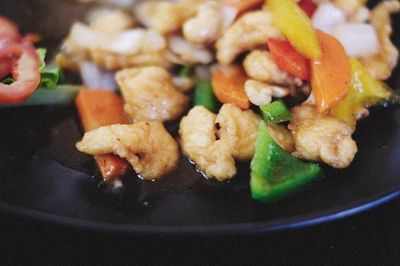
This is a hugely popular dish at Thai restaurants and takeaways, and my family love it. It is important to cut the chicken pieces so that they are about the same size as the cashews (although this is more for presentation as large chunks also work fine). You can mix the sauce and fry the cashews, chillies and chicken a day or so in advance, making this a dish you can cook up very quickly after work with little mess. The first time I tried making this recipe, I burnt the cashews and chillies. Don’t make the same mistake or you’ll have to start all over again. They don’t take long to colour in the oil and cashews aren’t cheap, so keep an eye on them. Although there’s nothing stopping you from doing so, the dried and fried chillies are not meant to be eaten. I like to serve this curry with jasmine rice.
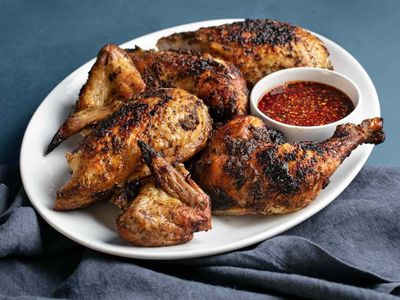
Gai yang ("grilled chicken") is one of the cornerstones of Isaan cooking, the cuisine of north-eastern Thailand that has spread across the whole country and into Thai restaurants worldwide. The defining flavour is coriander root, an ingredient barely used in Western cooking but central to Thai marinades. Pounded in a granite mortar with garlic, white peppercorns and a pinch of salt, it forms an aromatic paste that's then mixed with fish sauce, oyster sauce and a touch of sugar. The chicken is butterflied (spatchcocked) so it lies flat on the grill, marinated for at least 4 hours, then cooked slowly over moderate charcoal. The proper Isaan technique is patient: 30 minutes or more, turning often, sometimes pressed flat between two bamboo splints, so the skin slowly crisps and the meat takes on smoke without burning. The flavour is savoury-funky from fish sauce, peppery-warm from white pepper, deeply garlic-and-herb from the paste, with no chilli in the marinade itself; heat comes from the dipping sauce. Difficulty is low for the home cook: a good mortar or a small food processor makes the paste in 2 minutes, butterflying a chicken is a single cut down the backbone, and any covered grill or kettle does the cooking. Eaten by hand with balls of sticky rice and dipped into nam jim jaew, the toasted-rice-and-tamarind dipping sauce.
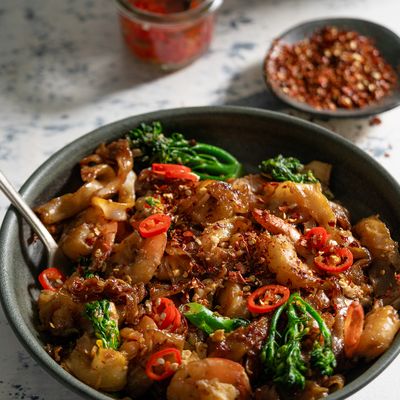
"Pad see ew" translates literally as "stir-fried with soy sauce", and that soy is the heart of the dish: dark, sweet and clinging to wide rice noodles charred at the edges in a hot wok. Broccolini stands in for traditional Chinese broccoli (kai lan), the prawns are given a brief garlic-soy marinade, and an egg is folded through right at the end. A sharp homemade chilli vinegar at the table is the traditional Thai counterweight to all that sweet soy.
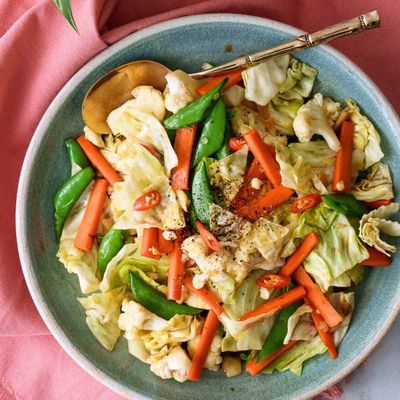
A wok is heated hot; garlic flashes briefly in oil; vegetables go in by cook time, firmest first (broccoli, carrot, baby corn), then softer (mushroom, snow peas), and the leafy ones at the end (water spinach, bok choy). A small amount of vegetable stock and soy steams them through; oyster sauce (vegetarian) and sugar balance. Sesame oil to finish.
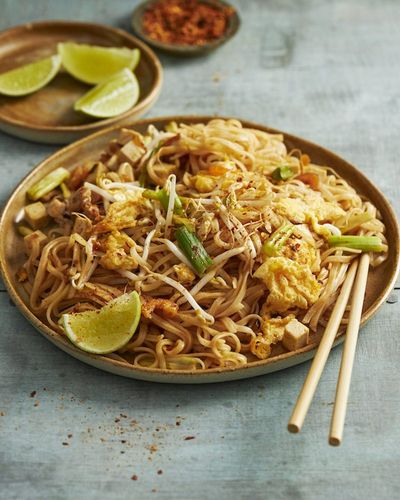
This classic Thai dish of noodles is both aromatic and lightly spicy, serving well as either a main course or a starter. Pad Thai combines stir-fried rice noodles with tender chicken, pork, and prawns in a balanced sauce of curry paste, oyster sauce, and fish sauce. Fresh herbs, crushed peanuts, and a squeeze of lime complete this iconic Thai street food favourite.

Prik king paste fries hard in oil until aromatic and the oil splits. Thinly sliced pork (or chicken) joins; sears for 4 minutes. Green beans (snake beans, French beans or fine green beans) go in for 5 minutes; fish sauce, palm sugar and torn kaffir lime leaves finish. Served over jasmine rice with fresh herbs.
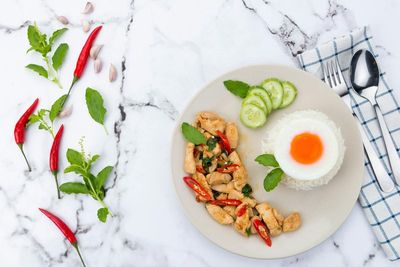
Pad krapow kai, this quick and easy chicken dish is an excellent introduction to Thai cuisine. Fiery chillies partner the holy basil, which has a pungent flavour that is spicy and sharp. Tender chicken pieces are stir-fried until just cooked through, then tossed with garlic, fresh chillies, and aromatic holy basil, creating a vibrant dish bursting with authentic Thai flavours.
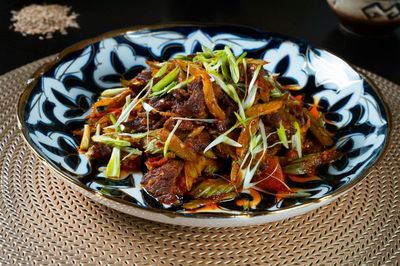
On Thai menus this is often called ‘pad nam mun hoy’, which means fried with oyster sauce. There are many versions of Thai oyster sauce curries, but this beef version is right up there when it comes to popularity. Stir-fried beef in oyster sauce usually also comes served with mushrooms and my favourite variety for this recipe are straw mushrooms, but you could use any type you can find, wild mushrooms work really well. Serve with a hot bowl of jasmine rice.
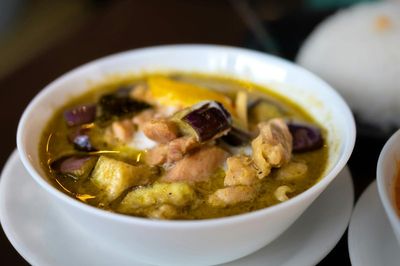
Rich, slow-cooked beef curry with Persian influences, featuring cinnamon, cardamom, and cloves. Tender beef and potatoes in coconut milk sauce; no vegetables traditionally, but can add. Serve with rice or enjoy as is.
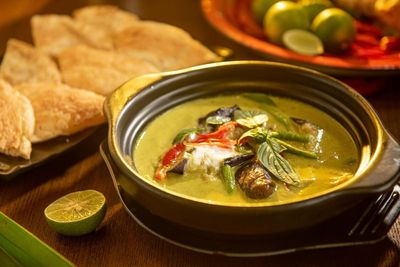
Spicy green curry with fresh bird's eye chillies. Use homemade paste for best flavor; adjust spice level. Creamy coconut milk base with chicken and vegetables.
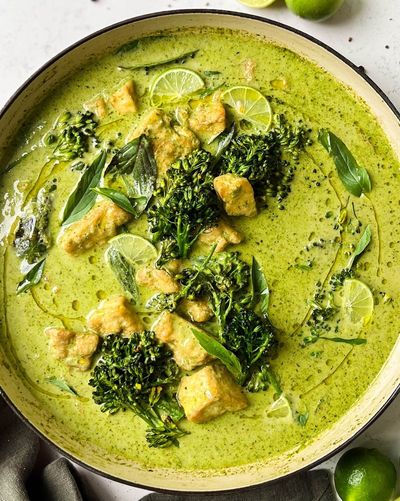
A spice paste of green chillies and aromatics blends fresh (or starts from a good Thai paste with fresh additions). Coconut cream from the top of the can is cracked in the wok until oil splits out; paste fries; coconut milk loosens; vegetables, Thai aubergine, pea aubergine, bamboo shoots, broccoli, baby corn, go in by cook time. Tofu joins; the curry simmers briefly. Soy sauce (instead of fish sauce), palm sugar, lime leaves, Thai basil to finish.
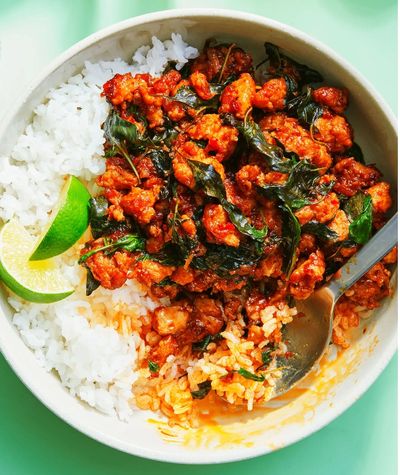
Although there is no rule about how to cut your chicken for this popular Thai stir fry, I like to cut the meat quite small, slightly smaller than bite-size. This is a delicious and easy recipe that can be whipped up in minutes. Serve it with white, steamed jasmine rice.
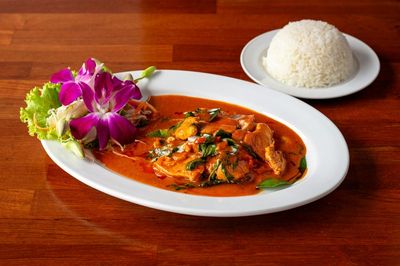
Classic Thai restaurant favorite with red curry paste. Color from chillies; use homemade paste for best flavor. Thin sauce with chicken and vegetables.
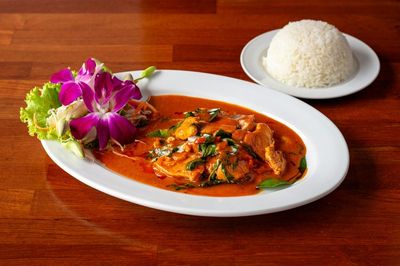
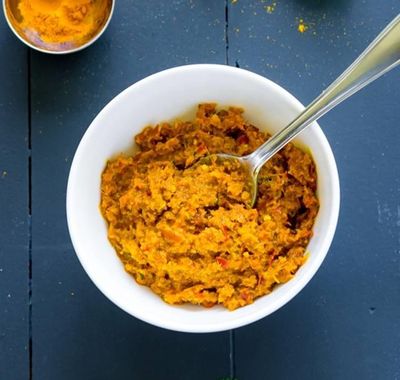
Gaeng phed gai, this classic Thai red curry features tender chicken simmered in a rich, aromatic coconut sauce infused with homemade red curry paste. The chilli paste that forms the basis of this dish has superb flavour and is worth making in quantity, as it's useful in all sorts of spicy dishes. Taking the extra time to pound herbs and spices using a mortar and pestle releases their fragrances perfectly, creating an authentic, restaurant-quality curry.
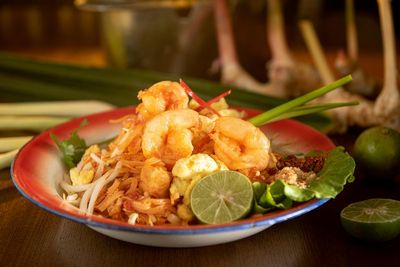
Pad thai began as a 1930s government-promoted national dish during a campaign to reduce rice consumption, and has since become Thailand's best-known noodle export. The success of any version comes down to the sauce: equal parts fish sauce, tamarind and palm sugar, with a spoonful of finely chopped pickled radish for backbone. Once the sauce is mixed the wok work is fast, with soft rice noodles, chicken, tofu, dried shrimp and egg joining in quick succession before the dish is finished with peanuts, chives, lime and chilli at the table.
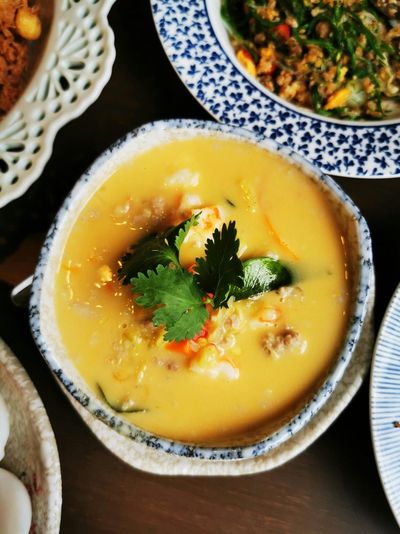
Mild yellow curry with Indian influences from turmeric and curry powder. Similar to chicken korma but spicier. Use "cracking the coconut milk" method for natural oil, or add oil. Serve with rice.