Sambal

Indonesian-style chilli condiments: fiery, aromatic, served at the table or stirred into the pan.

6 recipes

Nam Prik Pao

Nam Prik Pao

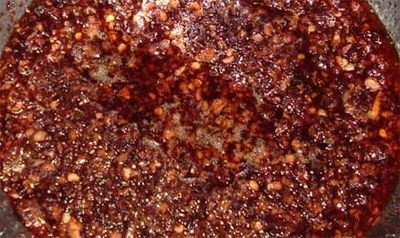
Nam prik pao is the definition of Thai culinary philosophy: a simple dish of tremendous depth. The combination of dried shrimp, fermented shrimp paste, pungent garlic, fiery chillies, and tiny sweet-acid aubergines creates a complex, intensely flavorful paste that transcends its humble ingredients. Fresh coriander adds herbal brightness. This sauce is served as a table condiment alongside steamed rice, used as a dip for fresh vegetables, spooned onto grilled meats, and stirred into soups. The mortar-and-pestle preparation is essential, it builds flavor through the pounding action that can't be replicated by machine.
22 minutes Serves300-350
Nuoc Cham

Nuoc Cham

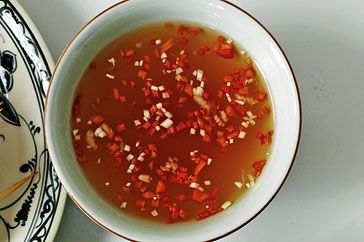
Nuoc cham represents Vietnamese cooking philosophy distilled to its essence. This is not a complex sauce requiring technique or special ingredients, it's a straightforward expression of heat, bright acidity, and umami fermentation that exists primarily to season rice dishes, noodles, vegetables, and proteins to individual preference. Every Vietnamese cook makes this sauce twice daily, adjusting heat and salt to mood. The mortar-and-pestle pounding of fresh chillies releases their oils and creates flavor intensity. Lime juice brightens, fish sauce deepens, and sugar balances everything. This is cooking at its most honest and essential.

5 minutes Serves120-140
Sambal Belacan

Sambal Belacan

Sambal belacan represents the true umami heart of Southeast Asian cooking. Belacan, fermented shrimp paste, is a polarizing ingredient with a powerful aroma and intensely funky flavor. Combined with raw chillies and balanced with citrus juice, this sambal creates a complex flavor bomb meant to accompany rice, vegetables, and mild proteins where its intensity acts as a seasoning rather than a dish itself. The key is balance: the shrimp paste must be heated to mellow its raw funk while the citrus brightens and the chillies provide heat. Rice is essential for serving, nothing stands alone against this sambal's power.

24 minutes Serves40-50
Sambal Kecap

Sambal Kecap

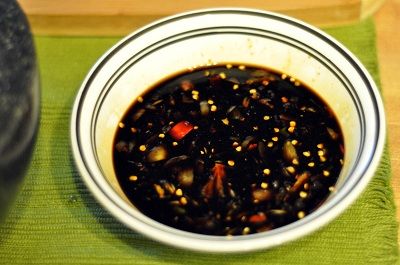
Sambal kecap is deceptively simple yet deeply flavorful, a sweet-spicy Indonesian dipping sauce that represents the nation's love of contrasting flavors. Kecap manis, the sweet soy sauce that gives this sambal its name and character, provides a rich molasses-like sweetness that's balanced by raw chilli heat and garlic pungency. This is a dip meant for protein: grilled satay skewers, fried chicken, grilled seafood. The sweetness of the kecap contrasts with smoky, charred meat while the heat cuts through richness. This sambal appears on countless Indonesian tables as a standard condiment alongside meals.

5 minutes Serves175
Sambal Oelek

Sambal Oelek

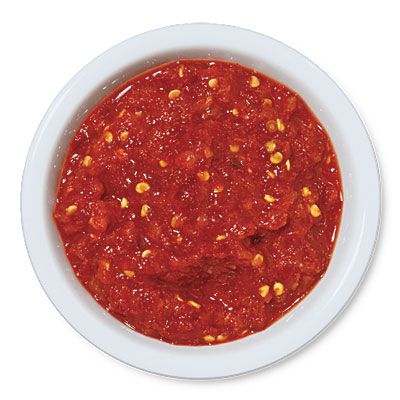
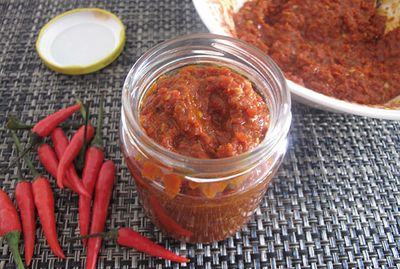
Sambal oelek is the simplest condiment in Indonesian cuisine: nothing more than fresh chillies and salt, pounded together into a coarse paste. There's no hiding behind other flavors, the quality of chillies determines everything. This is straightforward, honest cooking. The result is vibrant red, fiery hot, and utterly essential for spice-loving Southeast Asian cooks. Sambal oelek is served alongside virtually every savory Indonesian dish as a condiment for individual adjustment of heat.

10 minutes Serves400-450
Sambal Salamat

Sambal Salamat

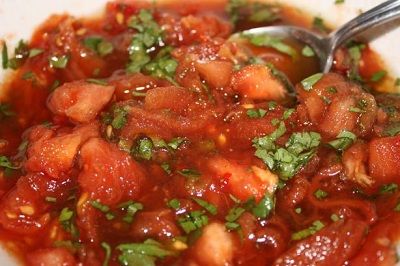
Sambal salamat is the tomato-forward answer for cooks who want fresh vegetable flavor alongside heat. Unlike pure chilli sambals, this version builds complexity through ripe tomato body, fermented fish sauce depth, and fresh coriander's distinctive herbal note. The mixing and resting period allows the tomato juices to marry with fish sauce and chilli heat, creating something far greater than its simple ingredients suggest. This sambal appears on Indonesian tables as a bright, fresh condiment that cuts through rich, oily dishes while standing proudly alongside simple rice and steamed vegetables.

10 minutes Serves150