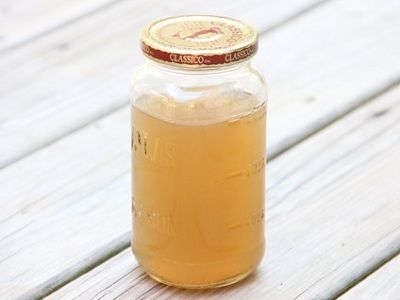
Stocks

The fundamentals: chicken, fish, brown and vegetable stocks that flavour soups and sauces.

7 recipes

Balti Chicken Stock

Balti Chicken Stock

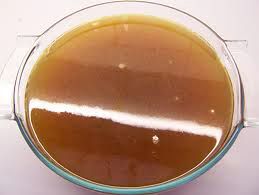
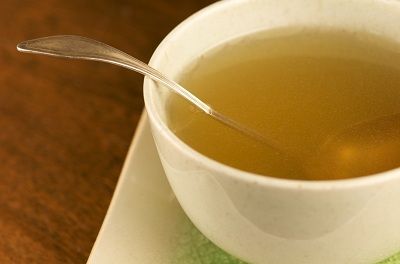
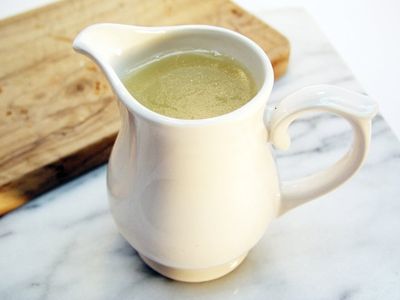
Balti chicken stock is a transformed use of the chicken carcass, the skeletal frame remaining after a roasted or dressed chicken has been filleted or butchered for other preparations. Unlike classical French stocks that rely entirely on bones, Balti stock leverages the entire carcass (including marrow and any remaining connective tissue) combined with Balti masala paste and aromatic vegetables to create a distinctly spiced, flavorful base perfectly suited for Balti curries, spiced gravies, and Indian-influenced preparations. Success depends on removing the skin from the carcass (which creates greasy stock), using genuine Balti masala paste (not a substitute spice blend), and splitting the cooking into two 30-minute stages with thorough initial skimming. The finished stock should be clear, amber in color, distinctly aromatic with Balti spice complexity, and ready for freezing in convenient 200-millilitre portions. This stock represents resourceful, zero-waste cooking: transforming what would otherwise be discarded into a valuable ingredient.
1 hour 25 minutes Serves900
Chinese Chicken Stock

Chinese Chicken Stock

Chinese chicken stock is fundamentally different from classical French white stock in both technique and philosophy. The essential distinction is the "never boil" principle, the stock must never reach a full rolling boil, as boiling incorporates impurities and creates permanent cloudiness. The correct technique begins with uncooked (not blanched) chicken bones and meat, which are essential for richness and flavor; is never boiled; requires long, gentle simmering (2-4 hours) post-aromatic addition; and relies on careful skimming throughout cooking without any vigorous disturbance to the liquid surface.

4 hours 20 minutes Serves3
Fish Stock

Fish Stock

Fish stock (fumet de poisson) is fundamentally different from meat stocks in technique and timing. The key distinction is speed: fish stock cooks for only 25 minutes (versus longer for meat stocks). Extended cooking produces bitter, unpleasant flavors. The correct technique begins with rinsed fish bones, gently sweated aromatics in butter (not roasted), a wine reduction for acidity balance, followed by brief simmering with lemon and bouquet garni. The result is a delicate, refined stock with subtle seafood character perfect for fish sauces, bisques, and elegant preparations. Success depends on using truly fresh fish bones, precise timing (25 minutes exactly), and maintaining a gentle simmer throughout.

45 minutes Serves2
Lamb Stock

Lamb Stock

Lamb stock (fond d'agneau) occupies a distinct position between delicate white stocks and robust brown stocks. Unlike white stocks made from blanched bones, lamb stock begins with browned meat pieces, creating stock with visible flavor and color without the heaviness of veal or beef stock. The brown roasting technique develops complex, savory flavors characteristic of lamb, while remaining lighter and clearer than full-brown stocks due to shorter overall cooking time. The inclusion of tarragon (an affinity with lamb) provides herbal character, while tomatoes add acidity and subtle sweetness. White wine reduction concentrates the acidity and prevents overly acidic finished stock. Success depends on proper browning (pale golden, not dark), precise skimming (especially after the first 10 minutes), and maintaining a gentle simmer throughout. The finished stock should be clear, amber in color, with distinctly pleasant lamb aroma.

2 hours 20 minutes Serves1
Vegetable Stock

Vegetable Stock

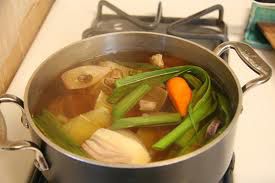
Vegetable stock (fond de légumes) is the cornerstone of vegetarian cooking and provides a neutral, delicate base for light sauces and vegetable-based preparations. Unlike meat stocks that develop flavor through long simmering, vegetable stock relies on careful vegetable selection and precise timing (45 minutes, not longer) to extract balanced flavor without bitterness. The inclusion of fennel (subtle anise character), white wine reduction (acidity), and aromatics (garlic, shallot, leek) creates depth without overpowering herbaceous flavors. Success depends on cutting vegetables uniformly (for even cooking), maintaining a bare simmer throughout (rolling boil causes cloudiness and bitterness), and precise cooking duration (45 minutes exactly, overcooking produces bitter stock). The finished stock should be pale golden, clear, and gently aromatic with vegetable sweetness.

1 hour 5 minutes Serves1
White Chicken Stock

White Chicken Stock

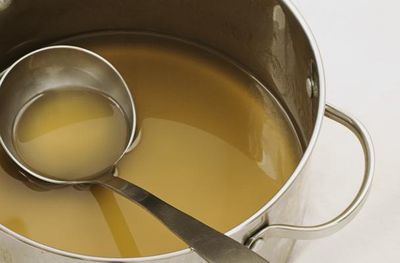
White chicken stock (fond blanc de volaille) is the foundation for classical light sauces including veloutés and suprêmes. Unlike brown stock made with roasted bones, white stock begins with blanched chicken wings, which removes surface impurities before full cooking. This blanching technique results in crystal-clear stock with delicate chicken flavor and light body. Success depends on immediate skimming once water reaches boiling, maintaining a gentle simmer (never boiling), and thorough skimming throughout cooking. The finished stock should be pale, clear, and lightly fragrant with chicken essence.

1 hour 50 minutes Serves1
White Veal Stock

White Veal Stock

White veal stock (fond blanc de veau) is the cornerstone of classical French sauce-making. Unlike brown veal stock, white stock is created by roasting bones until pale golden (not dark brown) and maintaining a clear, delicate appearance throughout cooking. The inclusion of calf's foot (or calf's knuckle) is essential, providing natural gelatin that gives the finished stock its signature silky mouthfeel and body. Success depends on maintaining a bare simmer (surface barely trembling, not rolling), thorough initial skimming to remove impurities (which cloud the stock), and roasting bones to the correct color (pale golden, not dark). The finished stock should be crystal clear, pale ivory in color, and richly flavored with subtle veal umami. This stock forms the base for velouté sauces, supreme sauces, and provides depth to braises and braised vegetables.

3 hours Serves1