World Cuisine
A region-by-region tour through global cooking traditions, from Cajun gumbos and Indian curries to Italian ragùs and Vietnamese pho. Each section captures its cuisine's signature flavours, key ingredients and the techniques that shape its character.
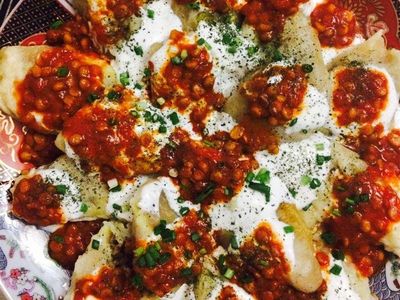
Afghanistan The crossroads of Persian, Indian and Central Asian cooking. Long-grain rice cooks with carrots, raisins and lamb in Kabuli pulao, the national dish; bolani (stuffed flatbreads), aushak (leek dumplings) and qabili palau define daily eating. Cardamom, cumin, coriander and dried lime drive the seasoning; yogurt, mint and fresh chillies finish nearly every plate.
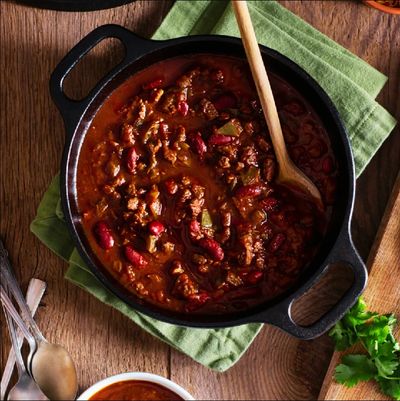
American Mainstream American cooking shaped by waves of immigration and regional invention. The South gives buttermilk fried chicken, biscuits, pecan pie and barbecue; the Midwest gives meatloaf and apple pie; New England gives clam chowder; the West gives tacos, burritos and sourdough. Butter, bacon and brown sugar lean heavy; the Big Mac and the bagel both belong here.
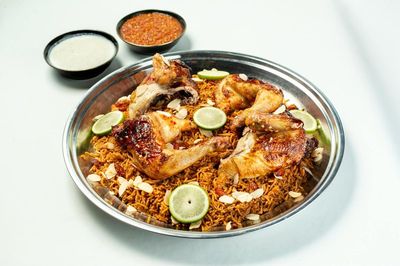
Arabian Saudi and Gulf cooking, built around rice, lamb, dates and aromatic spice. Kabsa (spiced rice with chicken or lamb) is the centrepiece; mansaf, saleeg and harees fill out the table. Baharat (a blend of black pepper, cardamom, cumin, coriander, cloves, nutmeg and cinnamon) seasons; saffron and dried lime perfume; mezze of hummus, mutabbal and salads share the spread.
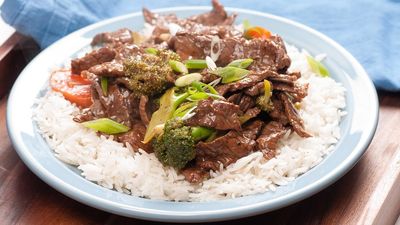
Asian Fusion The modern Pan-Asian crossover: techniques and flavours from across the continent (Chinese stir-fry, Thai aromatics, Japanese precision, Vietnamese herbs, Korean ferments) recombined with Western technique and produce. Standardised in restaurants from the 1980s onwards. Soy, ginger, chilli, lime, sesame, fish sauce and rice vinegar do the seasoning; the table runs from sesame-crusted tuna over wasabi mash to crispy duck pancakes served as canapés.
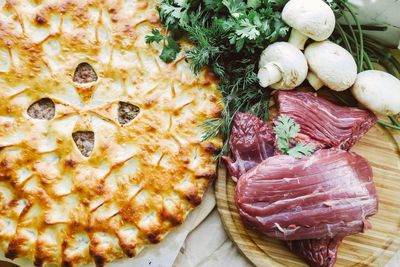
Australian Modern Australian cooking is multicultural to the core - British colonial roots overlaid with strong Italian, Greek, Lebanese, Vietnamese and Cantonese influences from successive waves of immigration. Barbecue is the defining technique: lamb chops, snags (sausages), prawns and barramundi over open flame. Native ingredients (macadamia, lemon myrtle, finger lime, kangaroo) appear in modern plates; the everyday table runs through meat pies, ANZAC biscuits, pavlova, lamingtons, Vegemite on toast, and fish-and-chips at the beach. Brunch is a serious affair: avocado on sourdough, smashed eggs, and a flat white.
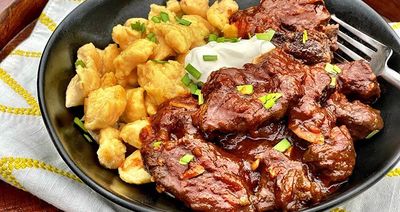
Austrian Hearty cooking shaped by the reach of the Habsburg Empire. Wiener schnitzel (veal pounded thin, breaded, fried in butter) is the unofficial national dish; tafelspitz (boiled beef with horseradish), gulasch (borrowed from Hungary and refined) and a long catalogue of dumplings - bread, potato, semolina - fill out the savoury table. The pastry tradition is world-class: apfelstrudel layered as thin as parchment, sachertorte with its glossy chocolate glaze, kaiserschmarrn (torn pancake with stewed fruit), linzer torte. Vienna's coffee house culture - introduced after the Turkish siege of 1683 - is UNESCO-listed and still the centre of social life.
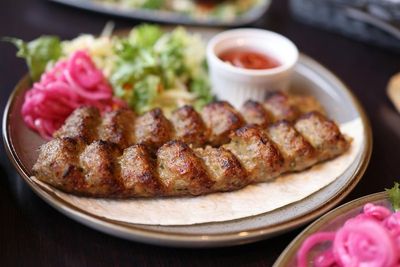
Azerbaijan Caucasian cooking at the crossroads of Persian, Turkish and Russian influence. Plov (long-grain rice steamed in a cloth-wrapped pot with saffron, dried fruit and lamb) is the centrepiece - over forty regional variations exist. Dolma (stuffed vine leaves and vegetables), dovga (a yogurt-and-herb soup eaten hot or cold), and tikya kabab (skewered lamb) define everyday eating. Pomegranate, walnut, sour plum (alycha), sumac and saffron are the signature flavours. The meal closes with black tea poured from a samovar into pear-shaped armudu glasses, served with paklava, shekerbura and small dishes of preserved fruit.
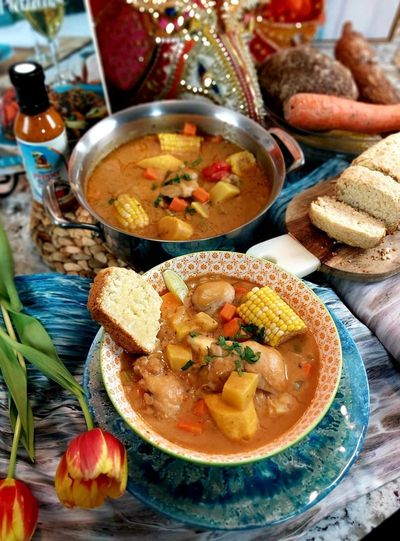
Bahamian Caribbean cuisine of the Bahamian archipelago, shaped by West African heritage, English colonial influence, and the surrounding sea. Conch (cracked, in fritters, in salad) is the national ingredient; rock lobster, grouper and snapper define seafood plates. Stews and pots (peas and rice, stew chicken, souse) run alongside johnny cake (Bahamian cornbread). Allspice, scotch bonnet, thyme and lime drive the seasoning; jerk preparations cross over from Jamaica; rum cake closes meals.
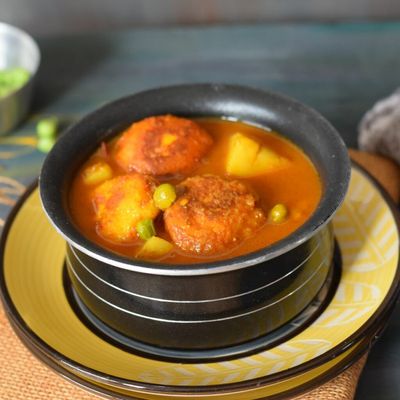
Bengali Sweet-savoury cooking from the Bengal region (West Bengal in India and Bangladesh). Mustard oil is the defining fat; panch phoron (the five-seed tempering of nigella, fennel, fenugreek, cumin and mustard) the signature aromatic; freshwater fish (rui, hilsa, katla) the standard protein. The cuisine is rice-forward and famously sweet at the end: rasgulla, sandesh, mishti doi and the wider mishti tradition built on chhena fresh cheese and reduced milk.
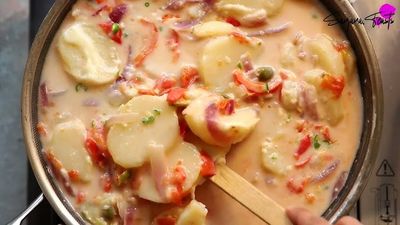
Bhutanese Himalayan cuisine where chillies are treated as a vegetable, not a seasoning. Ema datshi (chilli-and-cheese stew, the national dish) anchors the table; rice and red rice are the staple; yak and pork the predominant meats. Fermented cheeses, dried chillies, butter, ginger and Sichuan pepper define the seasoning. Bhutanese food is genuinely hot - even mild versions are spicier than most cuisines' fiery extremes.
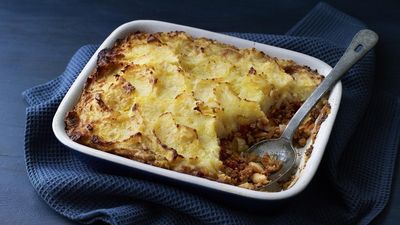
British Home cooking from the British Isles: Sunday roasts, slow-braised stews, baked puddings and frugal one-pots from leftovers. Worcestershire, mustard, mint, sage and thyme handle the seasoning; flour, butter, beef stock and dripping build pies and gravies. Defining techniques include the Sunday roast with all the trimmings, the steamed and baked pudding, the suet-crust pie and the dripping-fried chip.
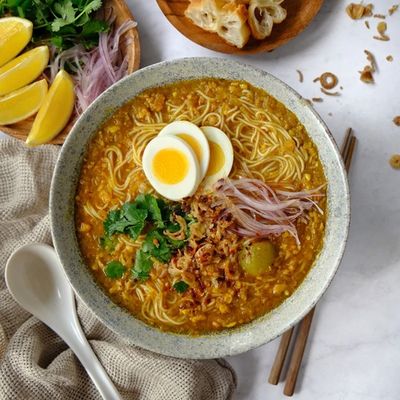
Burmese Myanmar's cooking, distinct from its Thai and Indian neighbours. Mohinga (catfish-and-noodle breakfast soup) is the unofficial national dish; lahpet thoke (fermented tea leaf salad) sits at every social gathering. Hallmarks: fish sauce, ngapi (fermented shrimp paste), turmeric, fried-shallot oil, raw garlic, tamarind, and the love of crispy-fried things - split peas, garlic, shallots - added at the table.
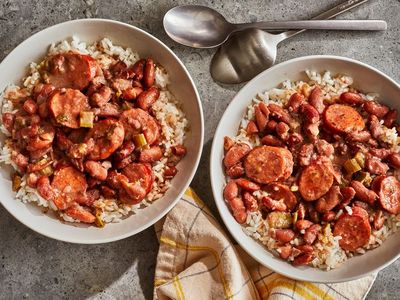
Cajun Louisiana cooking born of French, Spanish, African and Caribbean influences. Heat and depth come from the holy trinity of onion, celery and bell pepper, layered with cayenne, paprika, bay and smoked sausage. Defining techniques are the long-cooked roux, blackening over high heat and one-pot rice dishes like jambalaya and gumbo.
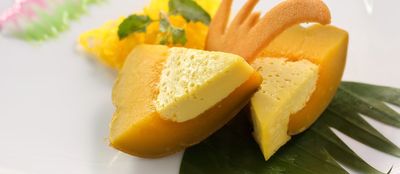
Cambodian Khmer cooking, gentler and more herbal than its Thai and Vietnamese neighbours. Kroeung, a paste of lemongrass, galangal, kaffir lime, turmeric and shallot, sits behind every meal. Coconut milk, palm sugar, prahok (fermented fish paste) and a long list of fresh herbs (mint, basil, rice paddy herb) round out the seasoning. Steaming inside banana leaves, soured soups (samlor machu) and grilled fish are characteristic; the curries are perfumed rather than fiery.
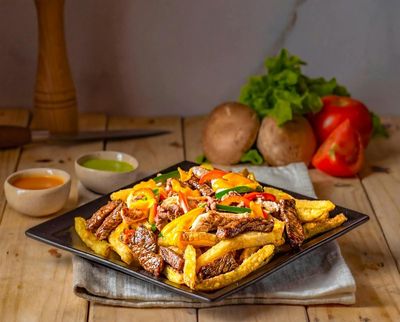
Chilean A long thin country between desert and Antarctica gives a kitchen built on Pacific seafood (loco, jaibas, machas), Andean potatoes and corn, and a deep tradition of slow-cooked stews. Cazuela, pastel de choclo, empanadas de pino, ceviche and a national obsession with avocado define the everyday plate. Pebre (the table salsa of tomato, onion, coriander and ají) appears with almost every meal; pisco sour and mote con huesillos handle the drinks.
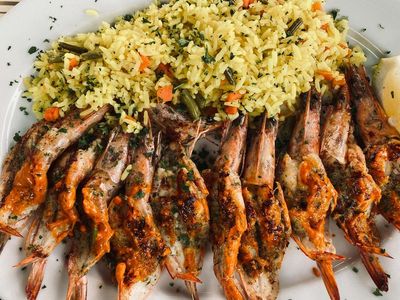
Chinese A cuisine of regional variety, spanning Cantonese restraint, Sichuan numbing heat, Hunan smoke and northern wheat tradition. Aromatics lean on garlic, ginger and spring onion, with depth from soy, rice wine, sesame oil and fermented bean pastes. Wok-based stir-frying, steaming, red-braising and dough work for dumplings and noodles dominate the kitchen.
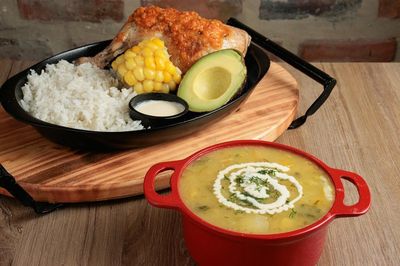
Colombian Colombian cooking is regional and varied: bandeja paisa from Antioquia, ajiaco from Bogotá, sancocho along the coasts. Maize is foundational - arepas at every meal, mazamorra at breakfast, tamales for celebrations. Plantain (green and ripe), beans, rice, beef and chicken anchor most plates; aji (a coriander-and-chilli table sauce) and arequipe (Colombian dulce de leche) sit at opposite ends of the meal. Hogao (the tomato-onion sofrito) starts nearly every savoury dish.
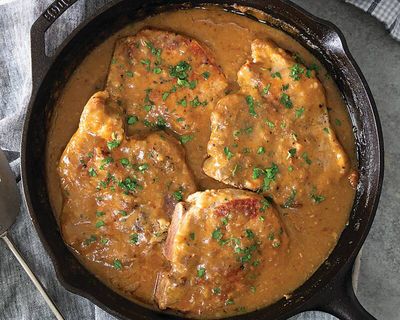
Creole New Orleans Creole cooking, refined and city-bred, distinct from rural Cajun. French, Spanish, African and Caribbean strands fold together; tomato is welcome (where it isn't in Cajun), butter and cream do heavy work, and seafood (shrimp, crab, oyster) carries the table. Holy trinity (onion, celery, pepper), Creole seasoning, hot sauce and slow simmers define dishes like shrimp creole, jambalaya, étouffée and bananas Foster.
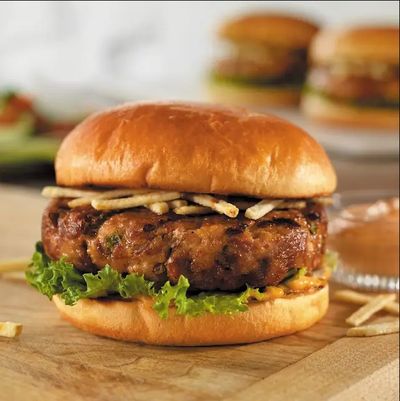
Cuban Cuba on a plate, where Spanish, African and Caribbean strands are woven together with rice, beans, pork and citrus. Sofrito (onion, garlic, pepper, cumin), oregano and bay set the base, while sour-orange mojo brightens roasted and braised meats. Long gentle braising sits alongside griddled and fried preparations.
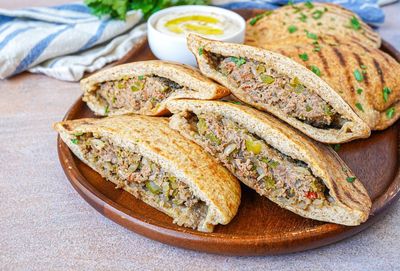
Egyptian Ancient cooking that runs from street food to home stews. Ful medames (slow-cooked fava beans) is breakfast for millions; koshari (rice, lentils, pasta, chickpeas, fried onion) is lunch; mahshi (stuffed vegetables) is dinner. Cumin, coriander, garlic and tomato anchor the seasoning; aysh baladi (Egyptian flatbread) accompanies every meal; basbousa and umm ali finish.
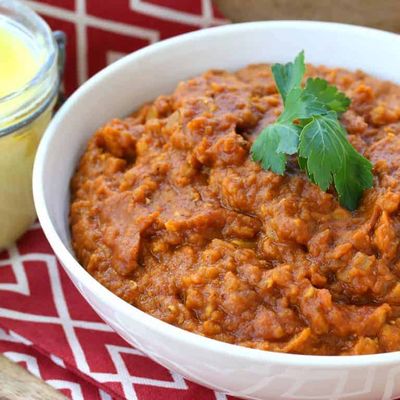
Ethiopian Communal eating built on injera (a sourdough teff flatbread) torn to scoop spiced stews called wot. Berbere (a complex chilli-spice blend) and niter kibbeh (a spiced clarified butter) drive the flavour, alongside fenugreek, korarima and a long table tradition of shared platters. Slow-cooked stews of chicken, lamb, lentils and split peas dominate; the meal eats from a single round mesob with no cutlery.
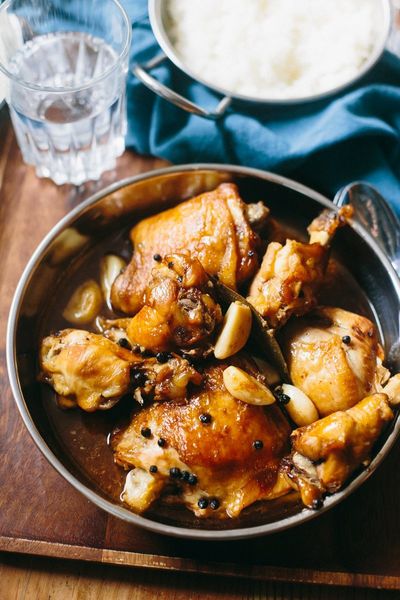
Filipino A cuisine layered by Spanish, Chinese, American and Malay influences over its native base. Fish sauce, soy, vinegar and calamansi citrus drive the seasoning; coconut, garlic and tamarind anchor the bowl. Defining dishes include adobo (vinegar-soy braising), sinigang (sour soup), kare-kare (peanut stew) and pancit noodles, with rice at every meal and lechon at the centre of celebrations.
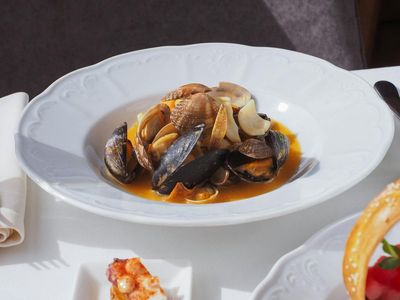
French The grammar of Western cooking: refined regional and bistro traditions built on butter, cream, herbs and stocks. Shallot, mustard, wine and brandy do much of the seasoning, with mother sauces and reductions giving every dish its finish. Slow braises (boeuf bourguignon, coq au vin), pan sauces and patisserie technique anchor the canon.
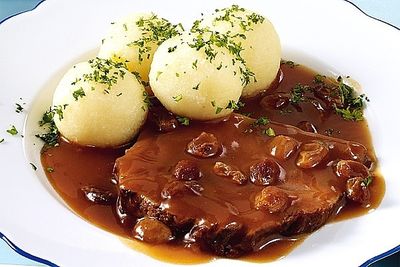
German Hearty cooking built on pork, sausage, sauerkraut, potato and rye, with regional variation across the Bavarian, Swabian and northern traditions. Caraway, juniper, mustard and dill carry the seasoning; vinegar and a pinch of sweetness balance the long-braised richness. Schnitzels pan-fried hot in butter, sauerbraten marinated for days, spätzle pressed fresh into boiling water and slow-fermented sourdough breads define the canon.
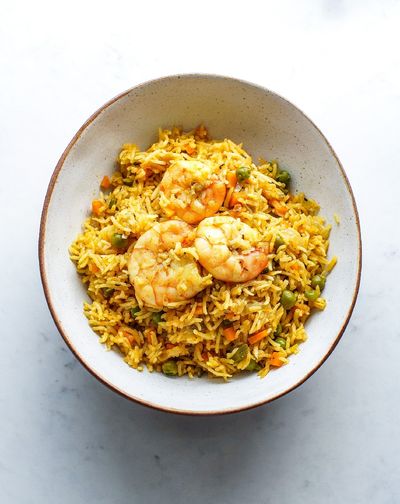
Goan A Konkan-coast cuisine where Portuguese, Hindu and Muslim traditions collided over 450 years of colonial rule. Coconut (milk, oil and grated flesh), tamarind, kokum, jaggery and a strong line of vinegar mark the kitchen; chouriço, sorpotel, bebinca and alle belle carry the Portuguese inheritance, while xacuti, cafreal, vindaloo and the daily fish curry-rice belong to the local Catholic and Hindu tables. Roasted spice pastes (kashmiri chillies, coriander, peppercorns, cloves), feni-spiked marinades and the use of vinegar as a souring agent (rather than tamarind alone) distinguish Goan cooking from its Maharashtran and Karnatakan neighbours.
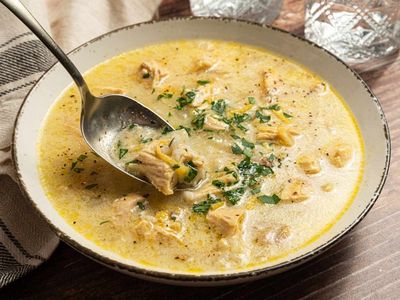
Greek Cooking shaped by olive oil, lemon, oregano and the Mediterranean larder. Feta, halloumi and yogurt anchor the dairy side; lamb, octopus and white-fish dominate the protein; chickpeas and pulses ground the rest. Defining techniques include slow-braised giouvetsi and stifado, charcoal-grilled souvlaki, layered moussaka and pastitsio, and the daily-bread role of phyllo wrapped around savoury and sweet fillings.
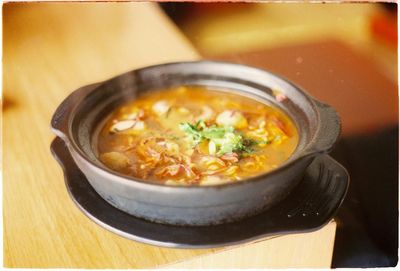
Haitian The Caribbean cuisine of Haiti, shaped by West African heritage, French colonial influence and indigenous Taino roots. Épis (a fresh green seasoning paste of parsley, scallion, garlic, bell pepper, thyme, lime and oil) is the flavour base for nearly every dish. Griot (twice-cooked pork), poulet aux noix (chicken with cashews), lalo (jute leaf stew), legume (mixed-vegetable stew), pikliz (pickled cabbage relish) and diri kole ak pwa (rice and beans) define the table. Scotch bonnet supplies the heat; lime, sour orange and vinegar do the brightness.
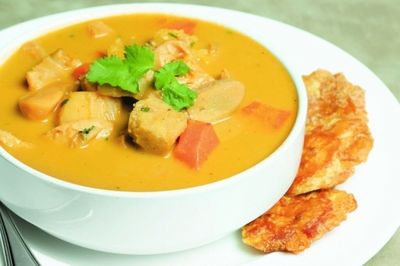
Honduras Central American cooking where the plato típico (rice, beans, plantain and meat) anchors the daily lunch and the baleada (folded flour tortilla with refried beans and cream) anchors the daily snack. Coastal Garifuna influence brings coconut milk, coconut rice and conch soup; the highlands give grilled carne asada and pollo con tajadas. Refried beans, fried plantain, sour cream (mantequilla) and avocado are constants; pickled cabbage (curtido) and chimol salsa share the table.
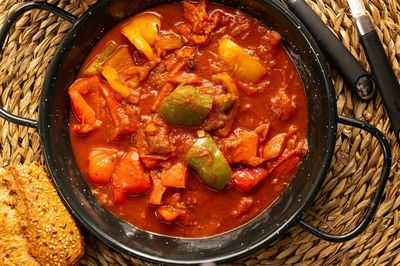
Hungarian Paprika-led cooking from Central Europe, where sweet, smoked and hot Hungarian paprika are entire ingredients in their own right. Onions cook deep and slow as the base of every stew; soured cream, dill and caraway shape the finish. Goulash and pörkölt (paprika braises), chicken paprikash, and the layered cake patisserie of Budapest define the tradition.
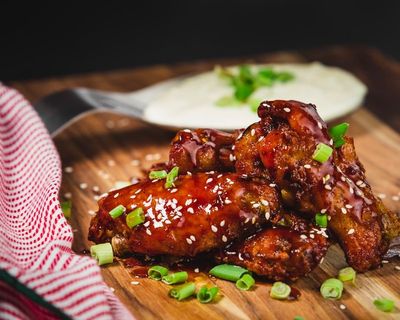
Indian A vast, regional cuisine where spice work is the defining art. Blends like garam masala, panch phoron and individual masala mixes layer warmth, heat and aromatics across curries, rice, breads and pickles. Tandoor cooking, slow-simmered gravies, dum-style steaming and the British curry-house BIR method (pre-cooked meat finished in seconds in spiced base gravy) all sit here.
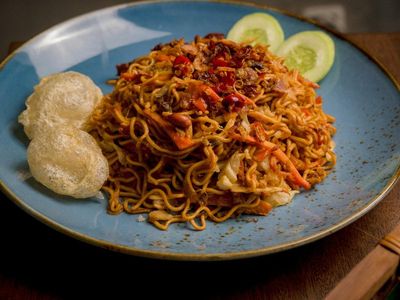
Indonesian Bold, layered cooking from across the Indonesian archipelago. Centred on chilli, lemongrass, galangal, kaffir lime leaf and shrimp paste, often softened with coconut milk and palm sugar. Long-braised rendang, sambal-led plates, satay grilling and quick-fried rice and noodle dishes show the range, where sweet, salty, spicy and sour all sit on the same plate.
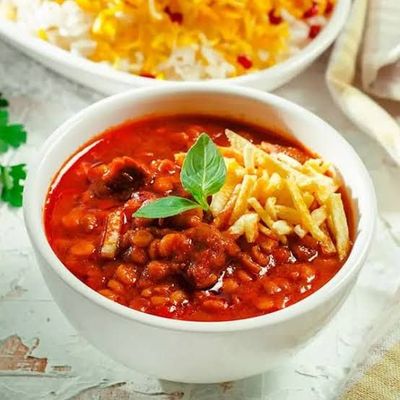
Iran Persian cooking: the alchemy of saffron, dried lime, pomegranate molasses, walnuts and mountains of fresh herbs. Slow-built khoresh stews (fesenjan, ghormeh sabzi, gheymeh) ladle over chelo (steamed rice with a crispy tahdig bottom); sabzi polo, zereshk polo and a dozen other rice dishes share the table. Saffron is a first-rank ingredient, not a flourish; the New Year (Nowruz) feast is the cuisine in concentrated form.
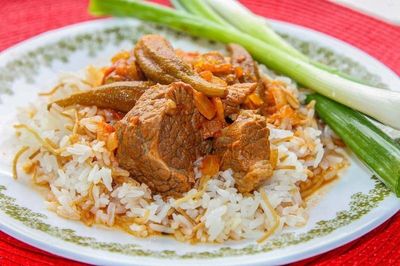
Iraq Mesopotamian cooking with deep Persian, Ottoman, Bedouin and Levantine layers. Long-grain rice (timman) sits beside slow-cooked lamb (quzi), grilled river fish (masgouf), and stuffed vegetables (dolma). Baharat, dried lime, sumac and fresh herbs season; tahini, dates and pomegranate finish. The kebab and the dolma are universal; the date and the river fish are unmistakably Iraqi.
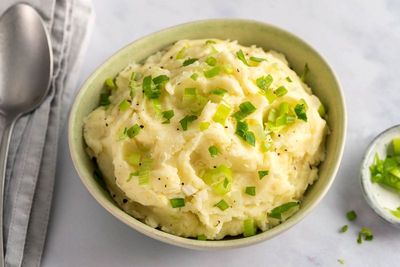
Irish Hearty, weather-driven cooking built on potatoes, root vegetables, lamb, beef and dairy. Flavours stay restrained, leaning on onion, parsley, mustard and the occasional pour of stout, letting good ingredients lead. One-pot stews, soda breads and griddled cakes reflect a tradition of slow, frugal home cooking.
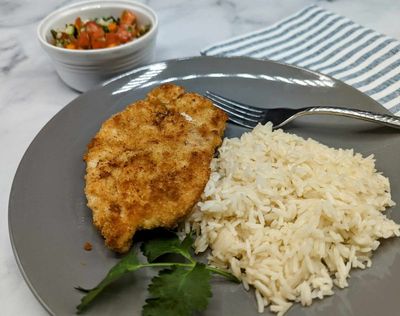
Israel A young, eclectic cuisine pulling from Ashkenazi, Sephardic, Mizrahi, Yemenite, Arab and modern Mediterranean traditions. Hummus and falafel sit beside shakshuka and sabich; the Israeli salad and labneh on bread show up at every meal. Cumin, sumac, za'atar, paprika, garlic and lemon are the core; a culture of small plates eats from many bowls at once.
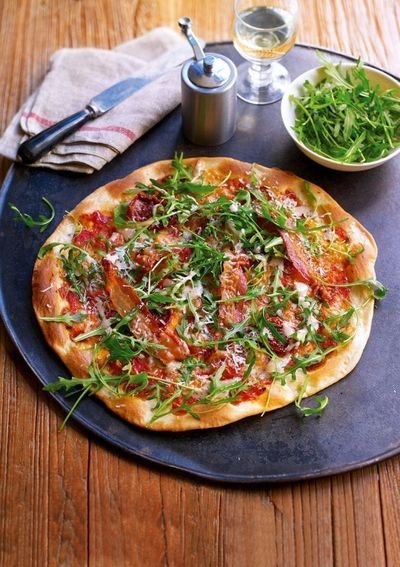
Italian A tale of regions, where the same dish changes character every fifty miles: northern butter and rice, central pasta and pork, southern tomatoes, olives and seafood. Herbs (basil, rosemary, sage) and aged cheeses balance simple sauces against long-cooked ragùs. Hand-rolled pasta, slow braises, wood-fired baking and the patient build of risotto define the techniques.
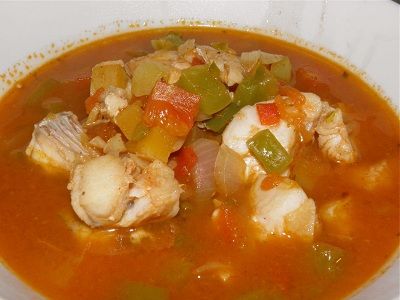
Jamaican Spicy, smoky cooking, fusing African, Indian and British colonial influences with native ingredients. Allspice, scotch bonnet, thyme, ginger and lime drive jerk marinades; coconut and beans anchor rice and one-pot stews. Slow grilling over pimento wood, escovitch frying and patient simmering of curries and stews carry the flavour.
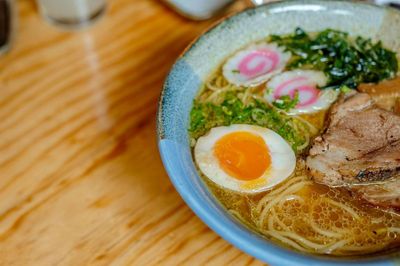
Japanese Precise, restrained cooking that prizes seasonality, simple knife work and the umami of dashi, miso and soy. Flavours come from soy sauce, mirin, sake, miso, kombu, bonito and the bright counterpoints of yuzu, ginger and pickled vegetables. Defining techniques include the long, slow extraction of dashi, careful poaching and simmering, the high-heat sear of yakimono, and the layered seasoning of a proper ramen broth and tare.
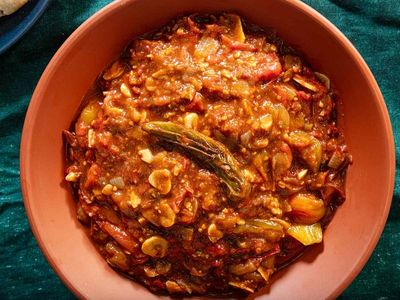
Jordan Jordanian cooking centred on the Bedouin tradition: lamb, rice, yogurt, bread. Mansaf, the national dish, slow-cooks lamb in fermented dried-yogurt (jameed) sauce over rice and shrak flatbread, eaten communally with the right hand. Maglouba (upside-down rice and meat), galayet bandora (tomato stew), kibbeh and meze plates fill the table; knafeh and atayef close the meal.
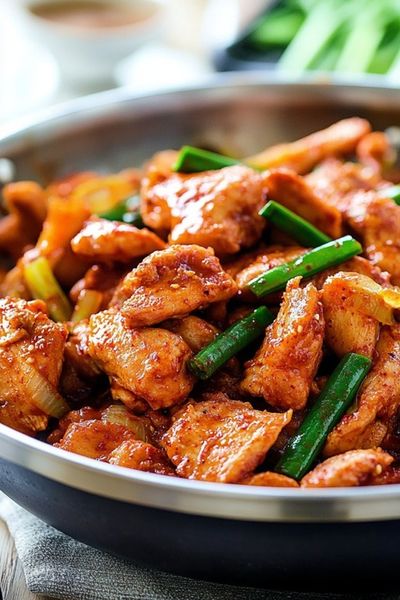
Korean A cuisine built on banchan (the small side dishes that fill the table) and the alchemy of fermentation. Gochujang and gochugaru chillies, doenjang fermented soybean paste, soy and toasted sesame oil drive the flavour; kimchi appears at almost every meal. Live grilling at the table (bulgogi, dak galbi), wok-quick stir-fries, layered bibimbap rice bowls and slow-cooked stews like jjigae define the experience.
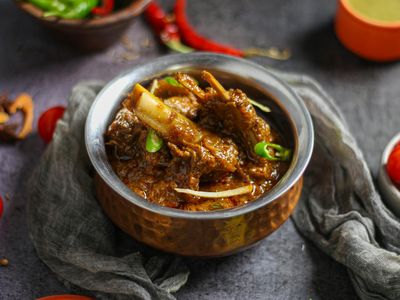
Lahori The food of Lahore, Punjab's old Mughal capital and Pakistan's culinary heart. Slow-cooked meat traditions (nihari, paya, haleem) sit beside the city's signature charcoal kebabs (chargha, chapli, boti, seekh) and the Punjabi tarka-dal-roti-saag everyday triad. Lahori cooking leans on garam masala built around black cardamom, mace and javitri, with kasuri methi and dried pomegranate seed (anardana) used for souring. The dessert table runs to gajar halwa, shahi tukda, firni and kulfi; the rice tradition runs from yakhni pulao to mutton biryani and the sweet zarda of weddings and Eid.
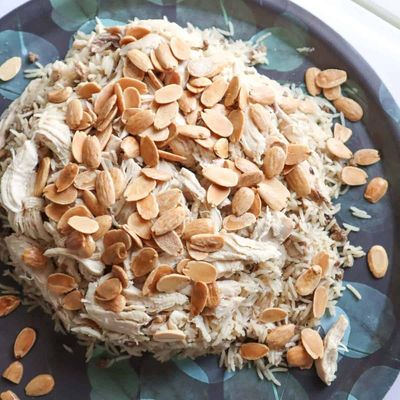
Lebanese Lebanon's mezze culture runs all the way through: small plates, generous oils, abundant herbs. Hummus, baba ganoush, tabbouleh, fattoush, kibbeh, sambousek and kafta share the table; man'oushe (za'atar flatbread) starts the day; mahalabia and baklava end it. Olive oil, lemon, garlic, parsley, mint and the seven-spice blend (allspice, cinnamon, cloves, cumin, ginger, nutmeg, fenugreek) shape the kitchen; charcoal grilling, slow simmers and patient meze building define the table.
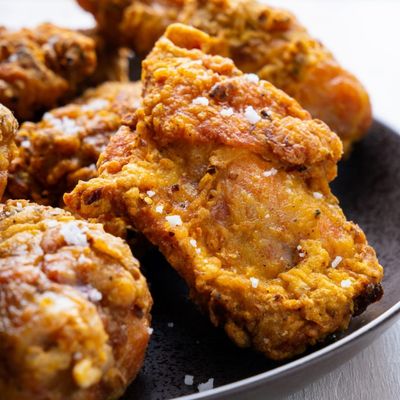
Malaysian A multicultural cuisine where Malay, Chinese (especially Hokkien), Tamil Indian and Peranakan (Nyonya) traditions sit on the same table, shaped by hawker culture and street food. Flavours come from coconut milk, lemongrass, galangal, kaffir lime leaf, belacan (shrimp paste), pandan, tamarind and the sweet darkness of kecap manis. Defining techniques include the freshly pounded rempah spice paste, fast wok stir-fries for noodle dishes, slow-simmered coconut curries and the layered assembly of nasi lemak and laksa.
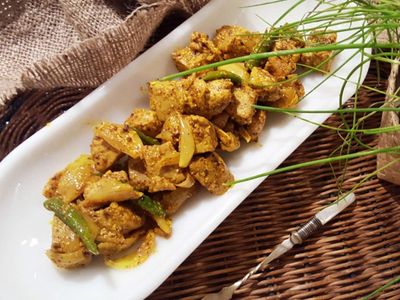
Mauritian An Indian Ocean creole cuisine layered over French colonial bones, with Indian (Tamil and Bhojpuri), Chinese (Hakka), African and Malagasy strands woven through every meal. Dholl puri (split-pea flatbread eaten as a wrap) is the street icon; rougaille (the Creole tomato sauce), cari ourite (octopus curry), mine frite (Hakka noodles) and biryani all share the table. Thyme, ginger, garam masala, curry leaves and lime work alongside French herbs; cane sugar and island rum close the meal.
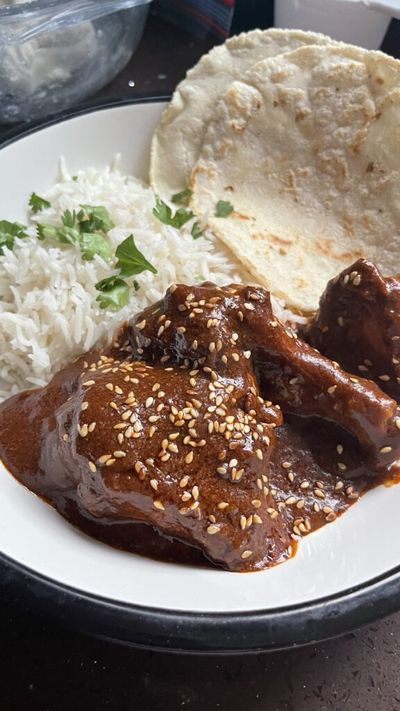
Mexican A cuisine built on corn, beans and chillies (fresh, fermented and smoke-dried). Ancho, chipotle, lime, coriander and cumin work alongside tomatillo, avocado and crema. Comal-toasting of spices, slow-stewed adobos, charred salsas and griddled tortillas shape the table.
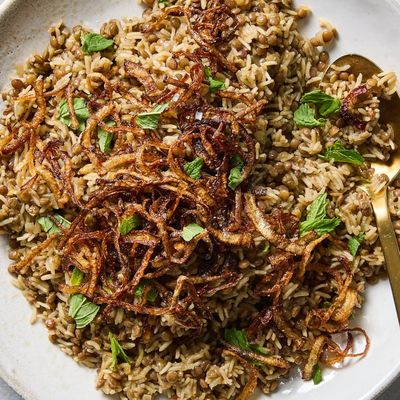
Middle East Levantine cooking from Lebanon, Palestine, Syria and Jordan: olive oil, lemon, garlic, parsley and the warming spices of cumin, coriander, allspice and sumac. Tahini, yogurt and pomegranate molasses cross from breakfast through dinner; chickpeas, lamb and wheat take centre stage. Mezze (the small-plates table), open-flame grilling, slow-cooked stuffed vegetables and hand-shaped breads anchor the table.
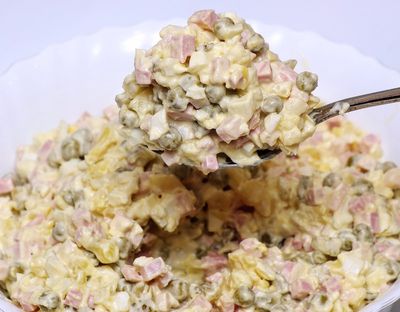
Mongolian Steppe cuisine - meat-heavy, dairy-rich, fresh-vegetable-light, shaped by nomadic herding. Buuz (steamed mutton dumplings), khuushuur (fried meat pies), tsuivan (hand-cut noodles with mutton) and bansh (small boiled dumplings) anchor the table. Suutei tsai (salty milk tea) is breakfast, lunch and supper. Tsagaan Sar (Lunar New Year) brings stacked towers of boortsog (fried biscuits) and aaruul (dried curd) to communal tables. Influences run from China to the south and Russia to the north.
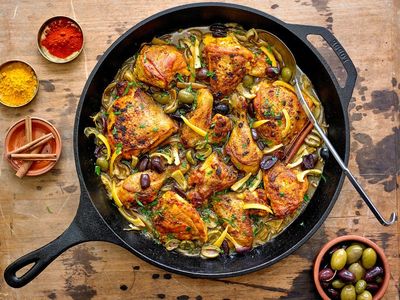
Moroccan Spiced, slow-cooked plates from across the Maghreb. Ras el hanout, saffron, preserved lemon, olives and the fragrance of cumin, cinnamon and ginger drive the flavour. Tagines (slow-cooked clay-pot stews), couscous (steamed two or three times for the right texture), b'stilla pies of layered phyllo and the complex spice work of harira soups define the tradition.
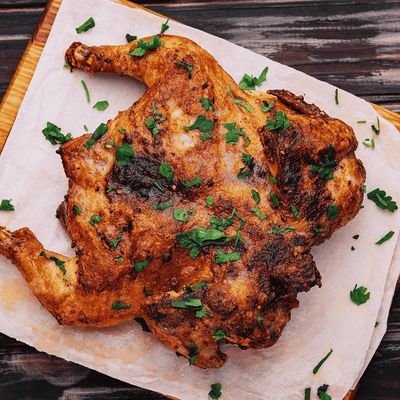
Mozambique Indian Ocean cooking that married Portuguese colonial technique with coconut, cashew, peri-peri and the produce of the Lusophone trading routes. Frango piri-piri (the famous flame-grilled chicken), matata (clam and peanut stew), galinha à zambeziana and prawns in coconut sauce define the savoury table; xima (the white-maize staple) and coconut rice fill out the plate. Cashew, peanut, lemon and the smoky burn of piri-piri are everywhere; rissóis (filled pastries) and bolinhos open meals.
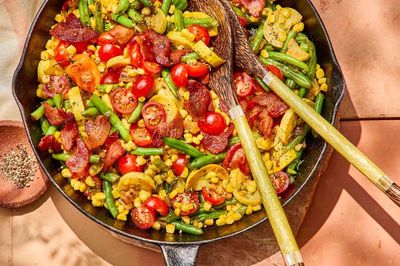
Native North American The cooking traditions of the indigenous peoples of North America, drawing from regional larders: Pacific Northwest cedar-planked salmon, Plains bison and wild rice, Eastern woodlands maple and corn, Southwestern beans and chillies. The Three Sisters (corn, beans, squash) are foundational; foraged greens, berries and nuts complete the table. Slow-pit cooking, smoking over hardwoods, and stews simmered in clay or cast iron define the techniques. Frybread, while a 19th-century product of forced relocation, is now an iconic across-tribes shared dish.
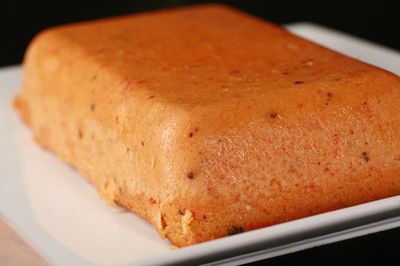
Nigerian West Africa's loudest cuisine, palm-oil-rich and chilli-heavy. Jollof rice (proudly contested with Ghana), egusi soup (melon-seed thickened, with greens and meat), suya (peanut-rubbed beef skewers), pounded yam with efo riro stew and the universal sweet snacks puff puff and chin chin. Stockfish, scotch bonnets, ginger, curry powder, locust beans and palm oil drive the seasoning; meals are layered, generous, party-shaped.
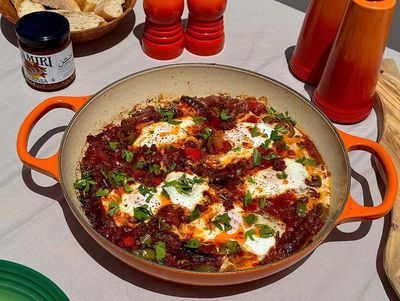
North African Cooking that runs along the Mediterranean's southern coast - Algeria, Tunisia, Libya - sharing terrain and influences with Morocco and Egypt but with their own dishes. Olive oil, harissa, preserved lemon, ras el hanout, caraway and merguez sausage define the seasoning; couscous is the daily grain; brik, slata mechouia, makroud and a rich tradition of stuffed pastries and sweets fill out the table. The hot Berber-Arab-French history shows in every plate.
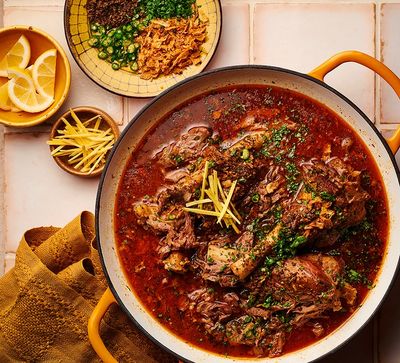
Pakistani Mughal-Persian-Punjabi crossroads cuisine, distinguished from Indian by stronger Mughal influence and slow-cooked meat traditions. Nihari (overnight-braised beef shank), haleem (lentils, wheat and meat pounded together), karahi (wok-cooked spiced meat), elaborate Sindhi and Karachi biryanis, chapli kebabs and seekh kebabs anchor the savoury table; gulab jamun, kheer and barfi close the meal. Garam masala, ginger, garlic, kasuri methi (dried fenugreek), Kashmiri chilli and saffron drive the seasoning.
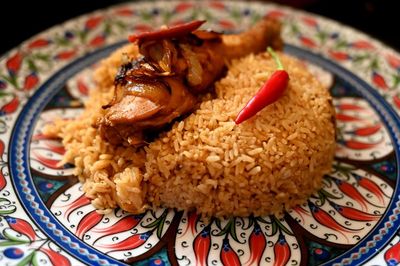
Palestinian A cuisine that holds the Levantine table at its centre: olive oil, za'atar, sumac, tahini and lemon shape the seasoning. Musakhan (sumac chicken on flatbread) is the national dish; maqluba, mansaf, knafeh Nabulsiya and freshly-baked taboon bread are the table's other anchors. Slow-cooked stews, hand-rolled grape leaves, shared mezze and the closeness of olive groves to home cooking define the kitchen.
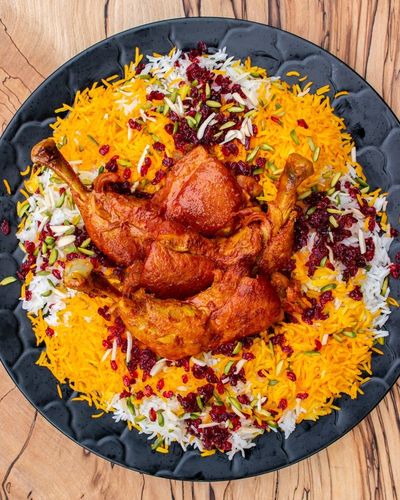
Persian The classical, formal Persian cooking tradition: layered saffron rice (chelo) topped with elaborate khoresh stews, charcoal-grilled kababs (koobideh, joojeh, barg) and meticulous patisserie scented with rosewater, orange blossom and saffron. More restrained and herb-driven than its Indian and Turkish neighbours; the seasoning is precise, and the rice work is its own art form. Bastani, faloodeh and shirini close meals; Nowruz (Persian New Year) brings the cuisine to a peak.
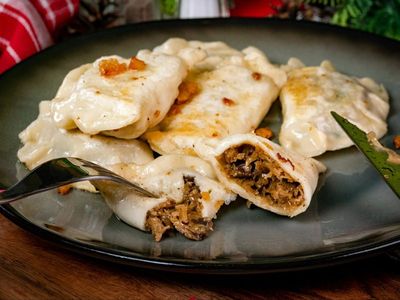
Polish Hearty Eastern European cooking built on pork, cabbage, beetroot, mushrooms and grains. Caraway, dill, marjoram and bay handle the herb side; fermented and pickled vegetables (sauerkraut, ogórki) supply the brightness. Defining dishes include pierogi (filled dumplings), bigos (the long-simmered hunter's stew), żurek (fermented rye soup) and the daily presence of dark, dense rye bread.
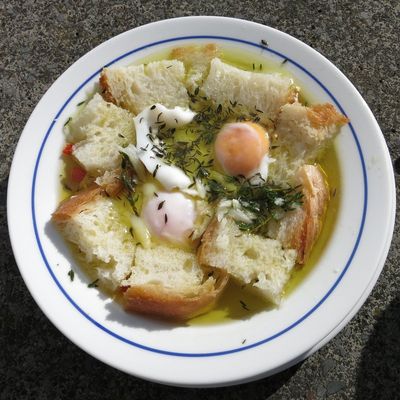
Portuguese Maritime, garlic-and-coriander-rich Iberian cooking distinct from its Spanish neighbour. Bacalhau (salt cod, the famous "365 ways"), caldo verde (kale-and-potato soup with chouriço), sardines, octopus and seafood rice (arroz de marisco) anchor the savoury table; pastéis de nata, queijadas and arroz doce close meals. Olive oil, smoked paprika, bay, coriander, lemon and piri-piri chillies do the seasoning; cataplana, slow-braised stews and grilling over coals dominate the techniques.
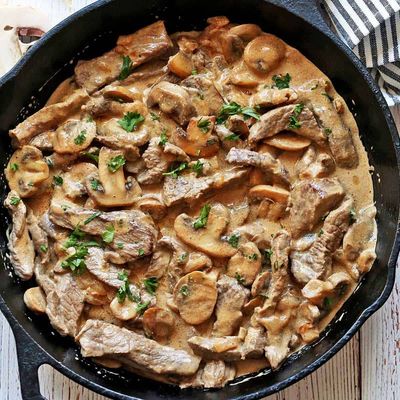
Russian Cold-climate cooking that prizes preservation, grains, root vegetables and dairy. Sour cream and dill finish nearly every bowl; pickles, salted fish and fermented kvass sit at the table. Long-braised stews and beetroot-based soups (borscht), buckwheat kasha, blini and yeasted breads, plus the table-bound zakuski tradition of small starters, anchor the cuisine.
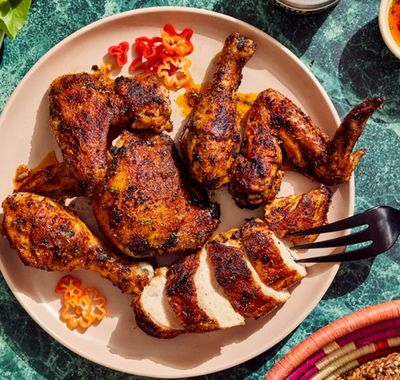
Senegalese West African cooking with French colonial overlays, organised around rice, fish and groundnuts. Thiéboudienne (the broken-rice-and-fish national dish), mafé (peanut stew) and yassa (mustard-onion chicken or fish) anchor the table; nététou (fermented locust bean) supplies the umami depth. Communal eating around a single platter is the social form; bissap (hibiscus) and ginger drinks finish meals.
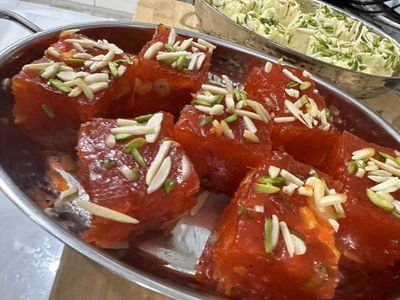
Somalian Horn of Africa cooking shaped by trade with the Arab world, India and Italian colonial history. Xawaash (a spice blend of cumin, coriander, cardamom, cinnamon, black pepper and turmeric) seasons nearly every meal. Rice (bariis), spaghetti from the Italian era, pancakes (anjero) and chapati form the carbohydrate base; lamb, goat and beef the protein. Slow-spiced stews, sambusa (samosas), grilled meats and the strong sweet tea (shaah) define the table; halwo and xalwo for the sweet finish.
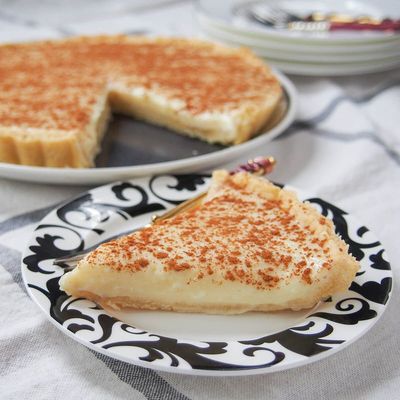
South African A crossroads cuisine - Dutch, British, Cape Malay (Indonesian-Indian), Portuguese and indigenous African strands all on one table. Bobotie (curried mince under savoury egg custard), bunny chow (a hollowed-out loaf filled with curry - Durban Indian invention), biltong (cured beef), boerewors (coriander sausage), chakalaka (spiced veg relish), pap (maize porridge), and melktert close every Sunday lunch. Big braai (barbecue) culture; the dish where the sweet-savoury Cape Malay influence shines is impossible to mistake for anything else.
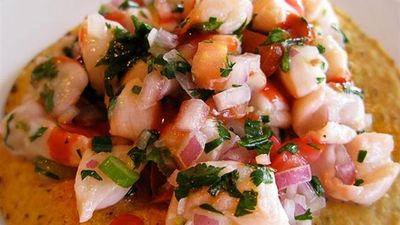
South American A continent's cuisines folded together: Argentine asado and chimichurri; Brazilian feijoada, pão de queijo and brigadeiro; Peruvian ceviche, lomo saltado and aji-driven heat; Colombian and Venezuelan arepas; Chilean shellfish; Bolivian salteñas. Native ingredients (corn, potato, cassava, quinoa, cacao, yerba mate, aji chillies) meet European technique and African (especially Brazilian) and Asian (Peruvian chifa) influences. Big shared meals, charcoal grilling and street food run through every country.
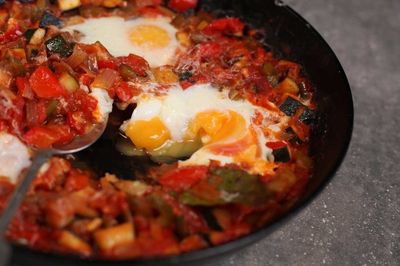
Spanish Mediterranean cooking grounded in olive oil, garlic, smoked paprika and saffron. Cured pork (jamón, chorizo), seafood and short-grain rice anchor the table, in paella, fideuà, tortilla and the tapas tradition. Slow simmers, plancha-griddling and one-pot rice dishes dominate, with the sofrito (tomato, onion, garlic, paprika) starting nearly everything.
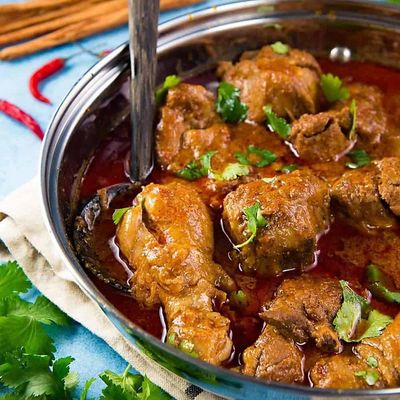
Sri Lankan South Asia's island cuisine - hotter and more coconut-driven than mainland Indian. Defining elements: pandan, curry leaves, freshly toasted (kalu) curry powder, Maldive fish flakes, coconut milk and kithul jaggery. Hoppers (bowl-shaped fermented rice pancakes), kottu roti (chopped roti stir-fried hot on a flat-top), fish ambul thiyal (sour goraka tuna curry), pol sambol (fresh coconut sambal) and watalappam (steamed jaggery custard) define the table. Rice with three or four mini-curries is the everyday plate.
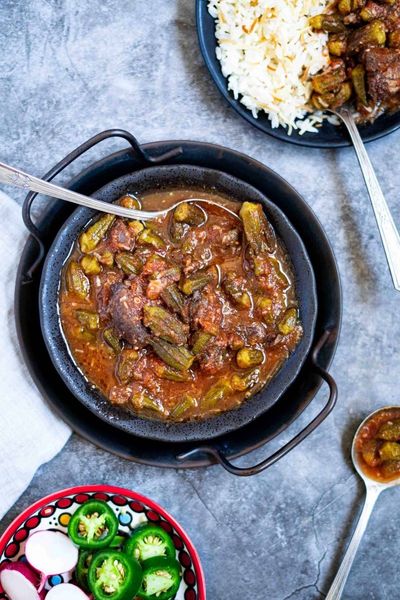
Syria Levantine cooking with deep Aleppo and Damascus regional traditions, distinct from but overlapping its Lebanese, Palestinian and Jordanian neighbours. Cumin, allspice, Aleppo pepper, sumac and dried mint drive the seasoning; pomegranate molasses, tahini, yogurt and olive oil finish dishes. Defining plates: kibbeh bil laban (kibbeh in yogurt), shish barak (lamb dumplings in yogurt), yakhneh stews, muhammara (Aleppo red pepper and walnut dip), sfeeha (Aleppo open-faced meat pies) and the patient meze of fattoush, tabbouleh and labneh.
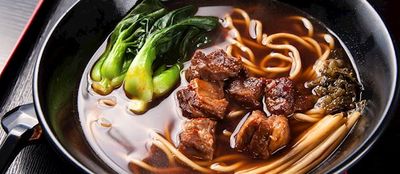
Taiwanese Influenced by mainland China but a different beast - Japanese occupation, Hokkien settler traditions and post-war diaspora cooking all meet here. Beef noodle soup (niúròu miàn) is a national obsession; gua bao (steamed buns with red-cooked pork belly), lu rou fan (braised minced-pork on rice), oyster omelette, scallion pancakes and night-market xiao chi (small eats) define the table. Sweet finishes lean to the gift-cake: pineapple cake (feng li su), nougat, sun cake. Bubble tea was invented here.
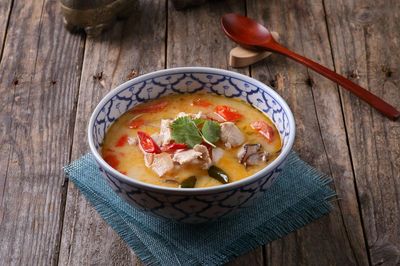
Thai Cooking that balances four flavours in every dish: sweet, sour, salty and spicy. Built on lemongrass, galangal, kaffir lime leaf, fish sauce, palm sugar and chilli, often rounded with coconut milk. Pounded curry pastes, fast wok work, raw salads dressed with lime and fish sauce, and aromatic broths like tom yum show the spread.
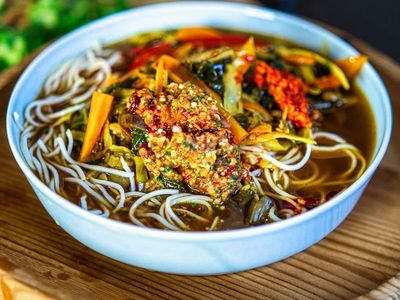
Tibetan High-altitude cooking shaped by yaks, barley, butter tea (po cha) and a short growing season. Tsampa (roasted barley flour) is the staple; momos (steamed or fried dumplings) the celebrated dish; sepen tomato hot sauce and butter tea are at every table. Sweet plates like dresil (butter-and-raisin rice for Losar New Year) bookend the savoury staples. The fierce ema datshi style of cheese-and-chilli stew bridges Tibetan and Bhutanese kitchens.
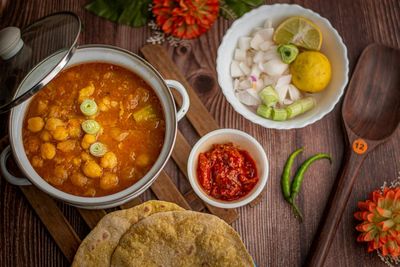
Trinidadian Caribbean cooking with a strong South Asian (Indo-Trinidadian) inflection. Trinidad's curry powders are heavier on roasted geera (cumin) and lighter on turmeric than Jamaican blends; the bunjay ("fry-down") technique cooks meat in concentrated spices with no liquid. Doubles (chickpea-filled flatbreads), pelau (one-pot rice with pigeon peas), curry duck, oil down (breadfruit braise with coconut milk), and sada roti anchor the table. Caribbean green seasoning (chadon beni, parsley, garlic, scallion) is the universal marinade.
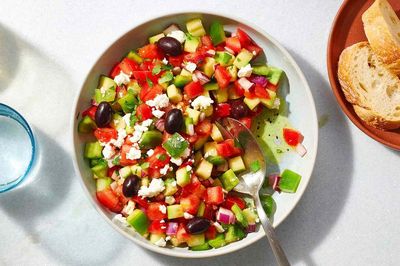
Turkish Bridging Europe and the Middle East, Turkey's cuisine is both Ottoman-imperial and rural-village. Mezze plates, charcoal-grilled kebabs, slow-cooked stews and patisserie traditions sit on the same table. Yogurt, eggplant, tomato, parsley, sumac, pomegranate molasses and Aleppo pepper drive seasoning; baklava, lokum and revani close meals; menemen, simit and çay shape mornings.
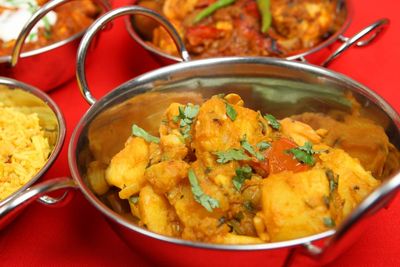
Ugandan East African cooking centred on starch staples - matoke (steamed green plantain), posho (stiff maize meal) and cassava - and luwombo, the celebration dish of chicken, beef or smoked fish steamed in banana leaves. Groundnut/peanut sauce is universal; rolex (rolled chapati and eggs) is the iconic street food; lake fish (tilapia, nile perch) bridge cuisines with Tanzania and Kenya. Cardamom, ginger and curry powder mark the Asian-trade-route influence.
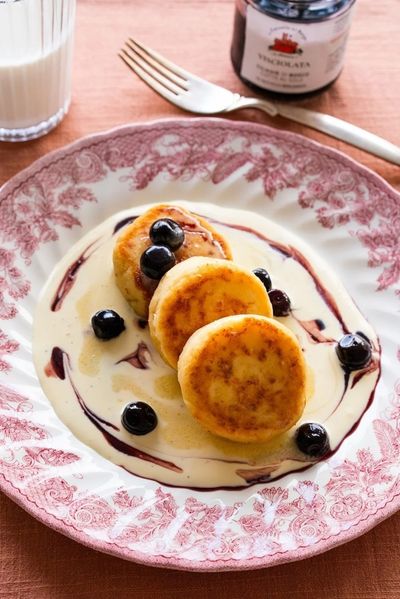
Ukrainian Hearty Eastern European cooking with deep echoes of Polish, Russian and Tatar traditions. Wheat, buckwheat, beetroot, cabbage, potato and pork sit at the centre; soured cream, dill, garlic and bay finish nearly every plate. Borscht (each family with its own version), holubtsi (stuffed cabbage), varenyky (filled dumplings), salo (cured pork fat) and pampushky (garlic rolls) define the tradition; the table is communal, generous and built around a slow Sunday lunch.
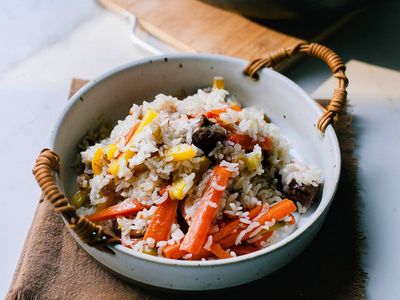
Uyghur Central Asian Muslim cuisine from the Tarim Basin and beyond, distinct from Han Chinese food despite a shared political map. Lamb is the centrepiece - hand-pulled laghman noodles under wok-fried lamb-and-vegetable toppings, polo (yangrou zhuafan) pilaf in lamb fat, lamb kebabs from the tonur clay oven, big-plate chicken (da pan ji) for parties. Cumin, sweet chilli pepper, sesame and Sichuan peppercorn run through the seasoning; raisins, walnuts and dried fruits sweeten the savoury side. Sheker manta steamed sugar dumplings and twisted donuts handle the snack table.
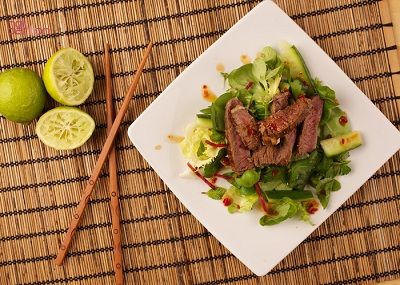
Vietnamese Light, herb-driven cooking shaped by Chinese and French influences. Fish sauce, lime, mint, coriander, Thai basil and chilli give every dish its lift; rice noodles and rice paper supply the structure. Long-simmered broths like pho, grilled and fresh-rolled meats, and table-side assembly with herbs and lettuce define the experience.
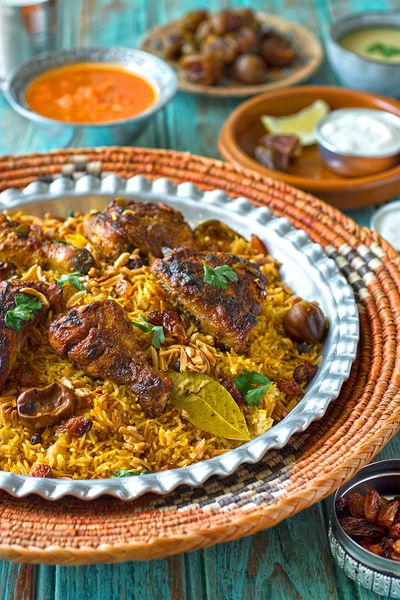
Yemen The oldest continuous cooking tradition on the Arabian peninsula, built on slow-roasted meats, fermented flatbreads and chilli-fenugreek relishes. Mandi (lamb cooked over smoke in a buried clay oven), saltah (the bubbling meat-and-fenugreek-froth stew), fahsa (lamb in hot stone pot) and zurbian (saffron lamb rice) sit at the centre; lahoh (sourdough pancake) and tawa flatbreads scoop everything. Sahawiq (green chilli relish) and hulba (whipped fenugreek) are universal; bint al-sahn (the layered honey bread) closes feasts.
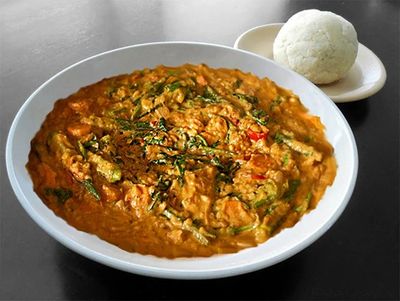
Zimbabwe Southern African cooking centred on sadza (the stiff white-maize porridge), slow-cooked stews and live-fire grilling. Beef, goat, oxtail and chicken dominate the protein; muriwo (collard greens) cooked with tomato and peanut butter, dried kapenta fish and mhanga (pumpkin) round out the table. Dovi (peanut stew), mazondo (cow trotters) and chimodho (steamed cornbread) sit alongside the daily plate of sadza and relish. Onion, tomato, garlic and dried chilli build the flavour; the braai is communal.