Ethiopian

Communal eating built on injera (a sourdough teff flatbread) torn to scoop spiced stews called wot. Berbere (a complex chilli-spice blend) and niter kibbeh (a spiced clarified butter) drive the flavour, alongside fenugreek, korarima and a long table tradition of shared platters. Slow-cooked stews of chicken, lamb, lentils and split peas dominate; the meal eats from a single round mesob with no cutlery.

4 recipes

Atakilt Wat

Atakilt Wat

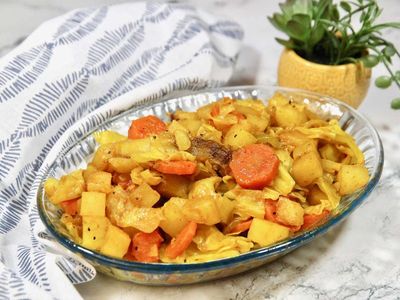
Ethiopia's spiced cabbage stew, the gentle vegetable side that sits between the fiercer berbere-loaded curries on a shared platter and cools whoever's eating against the heat. You soften onions in oil with turmeric until they're pale gold, then bloom garlic, ginger and a small amount of berbere in the same fat - small because this is the mellow dish, not the fierce one. Carrots and potatoes go in first to soften; cabbage joins later. Cover, drop the heat, and let the lot steam-cook for forty minutes until the volume has halved, the vegetables have melted into each other, and the cabbage has almost disappeared into the sauce. Eaten with injera and a few spoonfuls of doro wat or misir wat alongside for contrast.

50 minutes Serves4
Doro Wat

Doro Wat

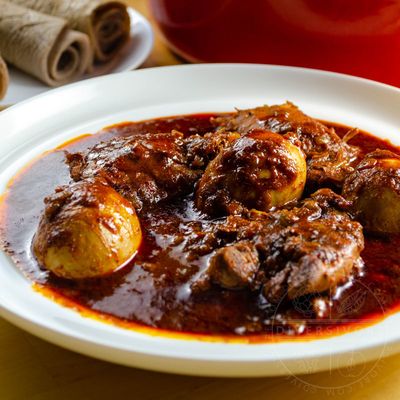
Ethiopia's national dish, the spiced chicken stew that turns up at every wedding, Easter feast and Christmas table, and the one dish a cook is judged on. The foundation is the onion - you cook it down slowly for nearly an hour into a deep dark base, and this is the step that decides whether the wat is great or merely acceptable. Berbere (the Ethiopian spice blend of chilli, fenugreek, ginger and a dozen others) and niter kibbeh (spiced clarified butter, the dish's defining fat) fold in. Chicken thighs and legs simmer in the deep red sauce, and hard-boiled eggs join late, scored with a knife so they take on the colour and the flavour. Eaten communally from a single platter, with injera flatbread torn into pieces to scoop the stew. No cutlery, no individual plates, hands clean before the meal.

2 hours Serves4-6
Misir Wat

Misir Wat

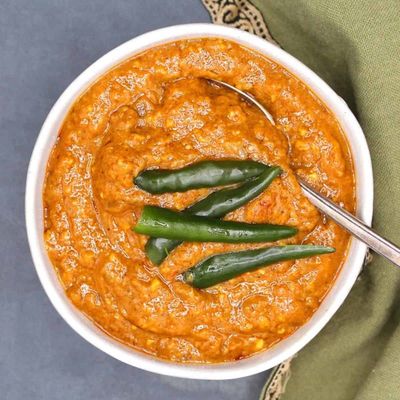
Ethiopia's red lentil stew, the vegan everyday main that turns up on every fasting-day table and most non-fasting ones too. You cook onions slowly in oil or niter kibbeh until they melt and turn jammy - this is the same long, patient onion cook that doro wat relies on. Berbere blooms in, tomato paste deepens, lentils go in with water and simmer until they're soft and the stew has thickened to a coating consistency. A squeeze of lemon at the end brightens the deep berbere-rich base. Bright orange from the spice, eaten by mopping with injera, made vegan with oil or richer with niter kibbeh. Either way, the dish that anchors an Ethiopian meal.

1 hour 5 minutes Serves4
Shiro Wat

Shiro Wat

A creamy Ethiopian chickpea-flour stew, the everyday vegan main that's eaten constantly during fasting periods (and outside them too). You melt onion in oil until it goes jammy, bloom berbere and tomato in the fat, then add water and whisk in chickpea flour until it dissolves smooth. From there it's about patience: cook steadily over low heat, stirring, until the stew thickens to a silky paprika-orange porridge that holds a spoon. The longer it cooks, the richer and more rounded it tastes. Eaten poured onto injera in a generous puddle, with extra injera torn to scoop. Forgiving, fast, deeply savoury.

40 minutes Serves4