Sides

Vegetable preparations and starches that round out a plate.

288 recipes

Aloo Paratha

Aloo Paratha

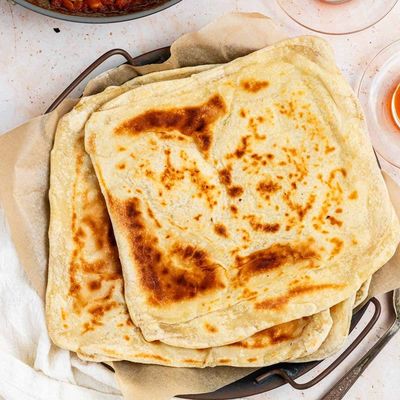
Whole-wheat (atta) flour is mixed with salt and just enough warm water to make a soft dough; rests for 20 minutes. Potatoes boil whole, peel hot, mash with cumin, garam masala, ginger, green chilli, amchoor and coriander. The dough divides into balls. Each ball flattens into a small disc; a heaped spoon of potato sits in the middle; the dough pleats up around the filling and pinches closed; flattens again carefully; rolls out gently to a 20 cm disc. Each cooks on a hot tawa or non-stick pan with ghee, 2 minutes per side, until crispy and gold.

1 hour 25 minutes Serves4
Aloo Posto

Aloo Posto

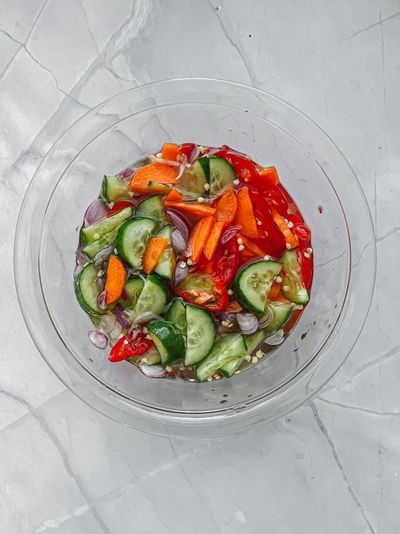
Aloo posto is the dish that Bengalis abroad miss most. Posto, white poppy seed, is so essential to the cuisine of West Bengal that there are entire menus built around it: aloo posto, posto bora (poppyseed fritters), jhinge posto, even ilish posto with hilsa fish. The seeds are soaked, ground to a fine, creamy paste, and cooked just enough to lose their raw note while keeping their pale colour and nutty perfume. This is one of the simplest preparations in the repertoire, and yet a much-debated one: how fine should the paste be (very fine), should onion be added (in West Bengal generally not, in Bangladeshi versions sometimes yes), how much green chilli is right (one or two slit, not pounded), and crucially, what oil (always mustard, always heated to smoke point first). The tempering is austere: just kalo jeere (nigella seeds) and a slit chilli. There is no garam masala, no cumin, no turmeric. The dish is meant to be quiet, almost pale, eaten with a small mound of plain rice and a dollop of ghee on a hot Kolkata afternoon. It is technically a side dish but in a traditional Bengali thali order it is often served as a course on its own, between the leafy greens and the dal, before the fish curry arrives. For a home cook the only real challenge is grinding the posto fine enough; a small spice grinder or wet-dry blender does the job perfectly.
1 hour 5 minutes Serves4
Areeka

Areeka

A Saudi sweet you can put together in five minutes from three ingredients you almost certainly have: bread, dates, samna. You tear soft, slightly toasted whole-wheat flatbread (khubz tameez works) into a heavy bowl, scatter pitted dates over it (medjool or kholas, the Saudi favourites), then press the mixture lightly with a wooden pestle or the back of a spoon while a generous pour of warm melted samna goes over the top. The dates collapse into the bread under the heat and the pressure, and the samna soaks through until you have a thick, buttery, intensely sweet mass that holds together in a spoon. Some versions add ground cardamom, a sprinkle of toasted sesame, or a final swirl of honey on top. Eaten warm with the fingers or a spoon, traditionally for breakfast or as the sweet course at the end of a heavy meal.

20 minutes Serves4
Atchara

Atchara

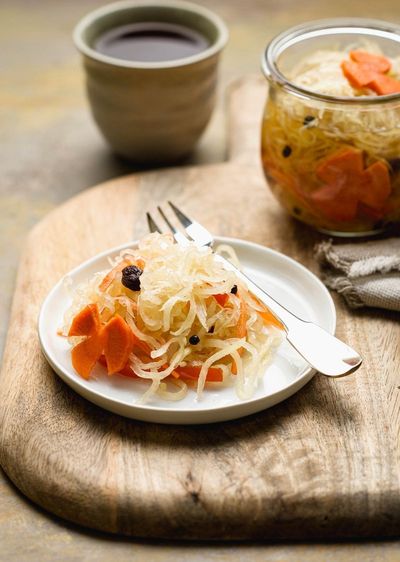
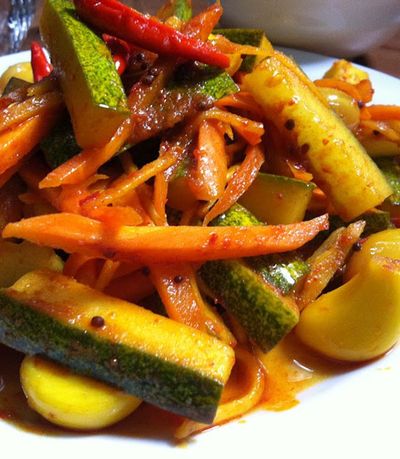
Green papaya is peeled, seeded and shredded on a coarse grater. Carrot, ginger, garlic, red pepper, onion and raisins are all prepared in matching shreds. The vegetables are salted and rested for 1 hour to draw water; rinsed and squeezed dry. A syrup of cane vinegar, sugar and whole peppercorns simmers for 5 minutes. Hot syrup is poured over the vegetables in a sterilised jar. The jar is sealed, cooled and refrigerated overnight before eating. Improves over the following week.

1 hour 40 minutes Serves1
Balachaung

Balachaung

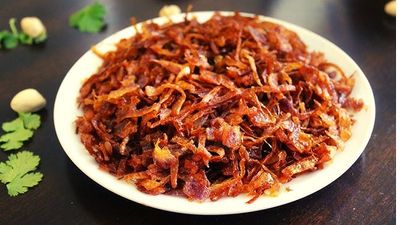
The Burmese dried-shrimp relish that sits in a jar in every Yangon kitchen, the seasoning you reach for to lift a plate of plain rice into something memorable. You pulse-grind dried shrimp to a coarse floss, then fry a pile of sliced garlic and shallot in oil until they're deep golden and crisp. The dried shrimp joins them and toasts to a fragrant rust colour. Chilli powder, fish sauce, tamarind, sugar and a splash of water turn the lot into a sticky red-brown relish. Cook until the oil clears (twelve to fifteen minutes), cool, store in a jar. Eat by the spoonful with rice, or as a side to grilled meat or fish.

40 minutes Serves12
Begun Bhaja

Begun Bhaja

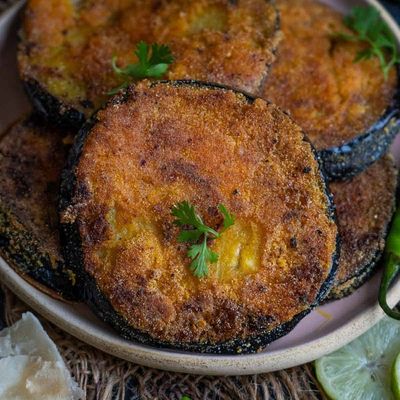
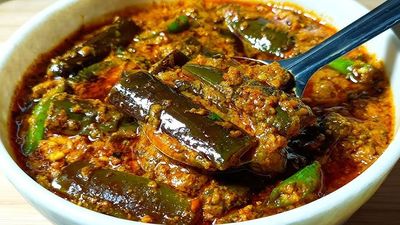
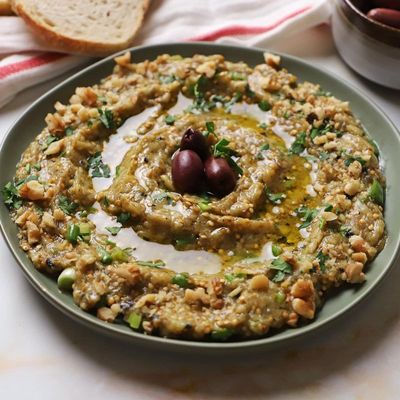
Begun bhaja is the simplest, oldest and most loved of Bengali sides. Begun is the Bengali word for aubergine, bhaja means fried, and the dish is exactly what it sounds like: thick, round slices of aubergine, salted and turmericked, then shallow-fried in mustard oil. It is served on the rice plate alongside the dal, traditionally as the second course after shukto, and is eaten by pressing a slice with the back of the thumb onto a small mound of rice and dal. The dish has only four ingredients and yet there are countless mistakes a cook can make: slicing the aubergine too thin (it disintegrates), not resting it after salting (it spits in the oil and stays soggy), under-heating the mustard oil (it tastes raw and acrid), or flipping the slices too soon (they tear). Done properly, the slice should have a thin crisp shell from the natural sugars caramelising on contact with hot oil, and a yielding silky centre. Some households dust the slices with a little rice flour or semolina for an extra-crisp coat; the purist version uses nothing at all. The variety of aubergine matters too: the long pale lavender Bangladeshi begun or the round dark-purple kalo begun both work, but the slim Japanese aubergine does not give enough flesh. Begun bhaja is humble, fast and beloved across all classes and both sides of Bengal, served in Kolkata bhater hotels (rice canteens) and at Dhaka wedding feasts alike.

40 minutes Serves4
Blue Corn Mush

Blue Corn Mush

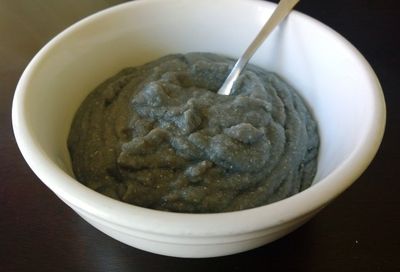
Cold water and a pinch of baking soda (standing in for juniper ash, the ash's alkali helps the corn release niacin and keeps the colour blue rather than grey) come to a simmer. Blue cornmeal whisks in steadily as the heat continues. The mush thickens over 10 minutes of stirring; salt seasons; it cooks another 3 minutes to lose any raw-flour edge. Served in bowls with honey or maple, toasted piñon nuts (or pumpkin seeds), dried cranberries or blueberries, and a splash of cream.

20 minutes Serves4
Bolo Do Caco

Bolo Do Caco

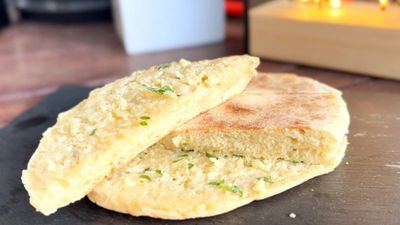
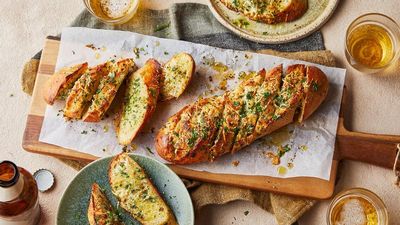
Bolo do caco is the Madeiran flatbread you'll get at every restaurant on the island, traditionally cooked on a hot basalt stone (the caco) but very happily on a heavy dry griddle at home. The dough is straightforward (strong flour, yeast, salt, water) with one twist: a small boiled and mashed orange sweet potato folded in, which gives the bread its faintly sweet edge and golden colour. After a single rise, you divide the dough, shape into 18 cm rounds, and press them onto a hot dry pan for five minutes a side until both faces are charred-spotted. Split horizontally, slathered with garlic-parsley butter, and closed back like a sandwich. Eat hot; it does not keep.

1 hour 45 minutes Serves4
Borani Banjan

Borani Banjan

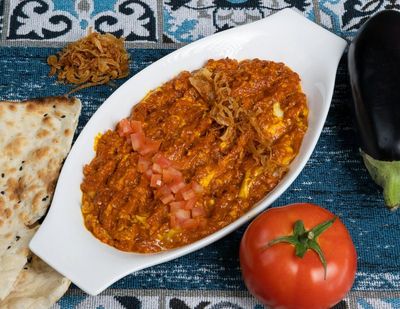
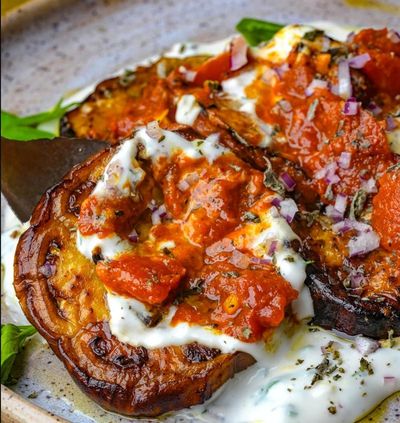
Borani banjan is an Afghan aubergine dish that does the same work as a moussaka or a melitzanosalata: pan-fried aubergine slices, a quick spiced tomato sauce, and a generous lid of garlic-and-mint yogurt that bridges all the warm and cold elements. The aubergine slices salt and sweat for half an hour first (which keeps them from drinking too much oil) before they fry hard in olive oil until golden and silky. Onion and tomato cook to a quick sauce with turmeric and a kick of chilli. The aubergine and sauce layer in a wide dish, then the chaka (yogurt whisked with garlic and salt) spoons over the whole thing while it is still warm. Scatter dried mint and drizzle olive oil to finish. Eat warm or at room temperature, with bread.

1 hour 20 minutes Serves4
Broccoli-Bacon Salad

Broccoli-Bacon Salad

Broccoli-bacon salad is a fixture of American potlucks, summer cookouts, and church suppers, especially across the Midwest and South where it earned the affectionate nickname "broccoli crunch". Its origins sit somewhere in 1980s home cooking, when raw vegetable salads bound in creamy dressings became a casserole-era staple, and it has stuck around because the formula is so satisfying. Broccoli is treated like a salad leaf here rather than a hot vegetable, broken into bite-sized florets that stay assertively crunchy and grassy under the dressing. Crisp bacon adds smoke and salt, red onion brings a clean sharpness, sunflower seeds contribute a nutty crunch, and dried cranberries (or raisins, in older versions) drop little pockets of chewy sweetness across the bowl. The dressing is the secret. A glossy emulsion of mayonnaise, cider vinegar, and just enough sugar to round things out, it coats every floret without weighing them down. The salad is genuinely simple to make and improves with a short rest in the fridge, where the broccoli softens just slightly and absorbs the flavours of the dressing. It pairs wonderfully with grilled chicken, pulled pork, hamburgers, or a baked ham. Once you have made it, you understand why every American family seems to claim a version as their own.

30 minutes Serves6
Caponata

Caponata

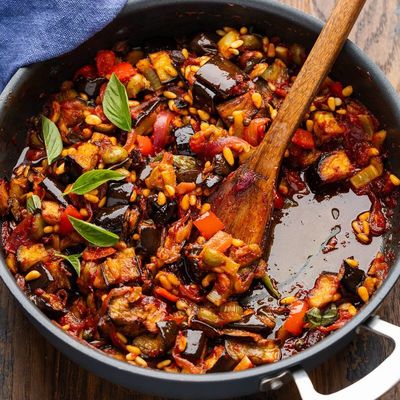
Aubergine cubes are salted to weep, fried hard in olive oil to deep gold, and reserved. A separate pan is used to soften diced onion and sliced celery in olive oil; garlic joins briefly; chopped tomatoes simmer with red wine vinegar and sugar to make the agrodolce base. Green olives, capers, sultanas (optional) and toasted pine nuts are stirred in. The fried aubergine is returned and simmers for 10 minutes to meld. Off heat, fresh basil is scattered. Rested at least 2 hours (ideally overnight) before serving at room temperature.

1 hour 40 minutes Serves6
Chalow

Chalow

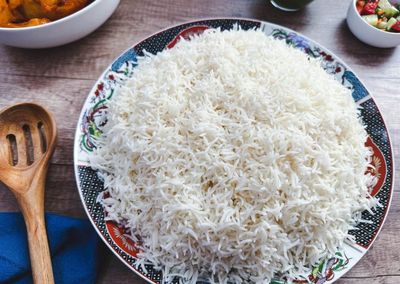
Chalow is Afghanistan's foundational rice method, and once you have it down you can build any Afghan rice dish on top of it (kabuli pulao starts from a chalow base, for example). The technique is parboil-then-steam. Long-grain basmati rinses thoroughly until the water runs almost clear, soaks for half an hour, then boils hard in plenty of salted water for five or six minutes (the grains should be 70% cooked: soft outside, just a touch firm in the middle). Drain, return to a dry pot, drizzle a little oil over the top, clamp the lid on with the heat at its absolute lowest for twenty minutes (this is the dum). What comes out is rice with separate, fluffy grains and a thin gold crust on the bottom of the pot. The crust is the cook's reward; scrape it up and eat it first.

1 hour 10 minutes Serves4
Chana Chaat

Chana Chaat

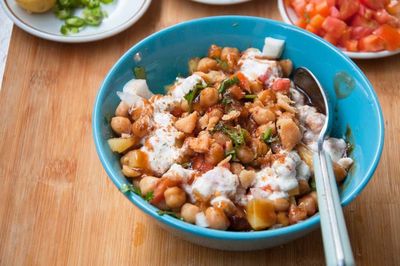
Cooked chickpeas (tinned for speed, OR overnight-soaked and home-cooked for the best texture) toss with diced red onion, finely chopped tomato, small-diced boiled potato and chopped fresh coriander. The dressing: lemon juice, chaat masala (a salty-sour spice mix sold at Pakistani shops), roasted ground cumin, Kashmiri chilli powder and a pinch of salt. Hot chilli sauce and tamarind chutney drizzle on; the chaat tosses; crushed papri tops; eat immediately.

20 minutes Serves4
Charoset

Charoset

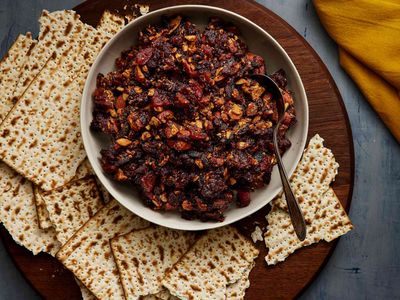
The Ashkenazi version, simplest and most common in northern Europe and the United States: tart apples chopped fine, walnuts crushed coarse, cinnamon, a little brown sugar, and sweet kosher red wine to bind. Stirred together and left for the flavours to meld. Some households add a pinch of ground ginger or a squeeze of lemon. There are dozens of regional variants (Sephardi versions use dates and figs); this one is the most familiar at a North American seder.

15 minutes Serves8
Chinese Pickled Cucumber

Chinese Pickled Cucumber

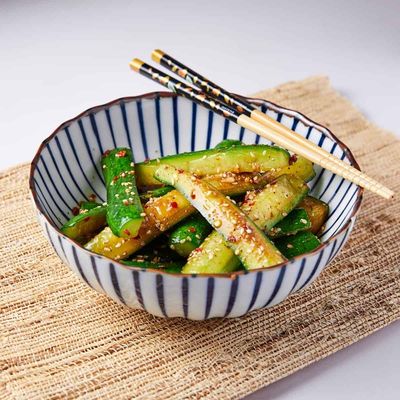
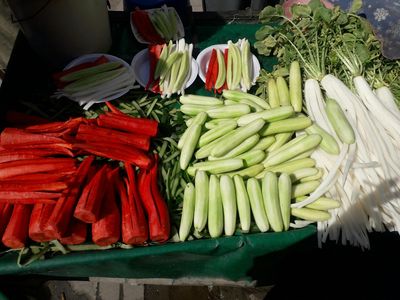
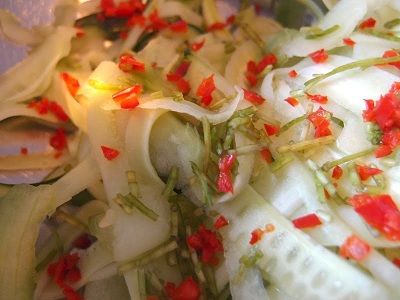
Cucumbers are cut into spears (or smashed-and-torn for a rougher texture), salted heavily in a colander 30 minutes to weep, then patted dry. A brine of rice vinegar, sugar, light soy, water, sliced ginger, Sichuan peppercorns and dried red chillies brings to a gentle simmer just to dissolve the sugar; cools to room temperature. The drained cucumber goes into a jar; the cooled brine pours over to submerge; refrigerated for 1 hour minimum (overnight ideal). Eats cold straight from the jar.

15 minutes Serves6
Choban Salata (Azerbaijani Shepherd's Salad)

Choban Salata (Azerbaijani Shepherd's Salad)

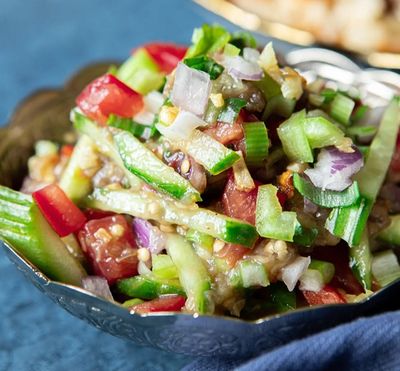
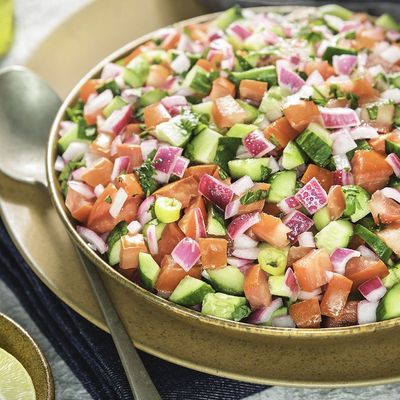
The Azerbaijani version of the shepherd's salad that turns up in some form on every table from the Balkans to Persia, the bright herby counter to anything rich coming out of the kitchen. You dice tomatoes, cucumber and red onion to five-millimetre cubes (smaller than a typical chopped salad, almost a relish) and chop the herbs fine: dill, mint and tarragon, the tarragon being the move that distinguishes the Azeri version from its neighbours. Everything tosses together with olive oil, lemon juice and salt about fifteen minutes before serving, so the salt draws the tomato juice out and the salad relaxes into itself. Best the same day; the salad weeps if held overnight. Eat with grilled meat, with plov, with lavash, with whatever the main is.

15 minutes Serves4
Classic American Potato Salad

Classic American Potato Salad

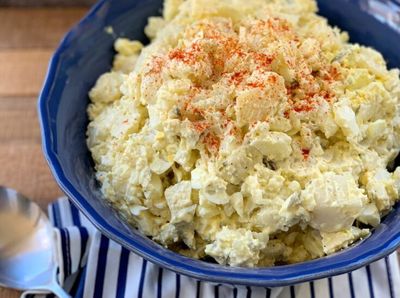
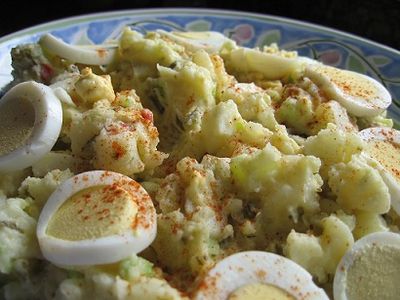
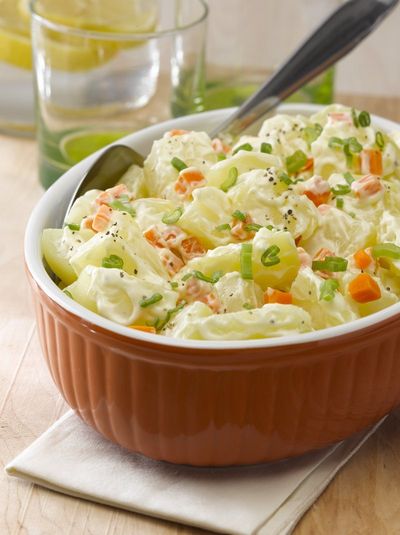
Few dishes feel as woven into American summer as potato salad. It appears at backyard barbecues, church potlucks, and Fourth of July tables from Maine to Texas, and although every family insists their version is the only correct one, the bones are reassuringly consistent: waxy potatoes, hard-boiled eggs, a generous slick of mayonnaise, and the bright bite of mustard and pickle. The taste is creamy and cool, savoury with a gentle sweet-sour tang, punctuated by crisp celery and the sting of raw onion. It smells faintly of vinegar and paprika, like a 1950s deli counter on a hot afternoon. The texture is the real prize. Potatoes should be tender enough to yield to a fork but still hold their shape, so the salad reads as chunky rather than mashed. Difficulty is low, which is part of its charm. The only real technique is seasoning the warm potatoes so they drink in the vinegar before the mayo goes on, a small step that separates a flat salad from a great one. Make it the day before if you can. A night in the fridge lets the flavours marry, the onion mellow, and the dressing settle into every crevice, which is exactly what you want when you pull it out alongside burgers, pulled pork, or grilled chicken.

40 minutes Serves6
Coconut Rice

Coconut Rice

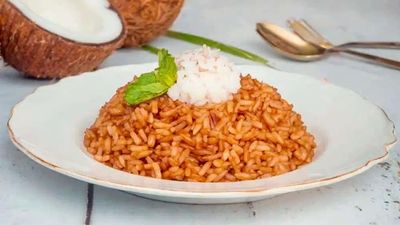
Coconut rice represents the intersection of technique and flavor in Indian cooking. The tempering of mustard and cumin seeds in hot oil releases their volatile aromatics, which then permeate the rice as it cooks. Curry leaves contribute herbaceous depth without overwhelming the dish. Coconut cream adds richness and subtle sweetness, creating a rice that's inherently interesting yet supportive of spiced dishes. The final resting period is crucial, steam completes the cooking while the flavors meld. This rice should taste aromatic with individual grains remaining separate.

5 minutes Serves600
Completo

Completo

The Chilean street hot dog and the proper night-out food after a few drinks in any city in the country. You start with a long soft frankfurter roll, poach the frankfurter in barely-simmering water for five minutes, dice tomato fine and salt it to draw out the water, and mash avocado with lime and salt to a thick paste. The build is bottom-up: split roll, frankfurter, diced tomato, sauerkraut, a heroic layer of smashed avocado, mayonnaise piped generously over the top, a squiggle of mustard if you like. Wrap in paper, hand it over, eat with both hands while walking down a Santiago street.

25 minutes Serves4
Deviled Eggs

Deviled Eggs

Deviled eggs are one of America's most enduring party foods, a fixture of Easter brunches, Thanksgiving tables, summer barbecues, and Sunday potlucks from coast to coast. The dish itself is much older than its American identity. Stuffed eggs flavoured with mustard, vinegar, and spices appear in Roman writings and remained popular across medieval Europe, but the term "deviled", meaning seasoned hot and spicy, took hold in eighteenth-century England and crossed the Atlantic with Anglo settlers. By the twentieth century, the American version had crystallised into the formula we recognise today: hard-boiled eggs split lengthwise, yolks scooped out and whipped smooth with mayonnaise, mustard, and a splash of vinegar, then piped or spooned back into the whites and finished with a dusting of paprika. The taste is luxurious in its simplicity. Creamy and rich, with a gentle tang and just enough mustard heat to justify the name, set against the cool, slightly springy bite of the white. Difficulty is genuinely low, but two details lift them from good to memorable: cooking the eggs just enough so the yolks are fully set but never grey-ringed, and seasoning the filling assertively, since cold dulls flavour. They are best made the day they will be eaten, although the eggs themselves can be boiled and peeled a day ahead.

25 minutes Serves6
Elote

Elote

Fresh sweetcorn ears are husked (or partially husked, with the leaves pulled back as a handle). Grilled over hot charcoal (or a smoking-hot griddle, or under a domestic grill / broiler) for 8-12 minutes, turning, until charred in patches and bright yellow at the kernels. While the corn grills, a sauce of Mexican crema (or sour cream + lime juice), mayonnaise, a small splash of milk and a clove of crushed garlic whisks together. The hot grilled corn is brushed all over with the sauce, then rolled in finely crumbled cotija cheese (or a Tajín-cotija mix), dusted with chilli powder and chopped coriander, served with a lime wedge.*

22 minutes Serves4
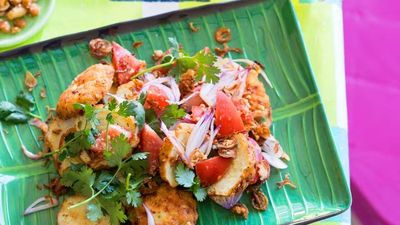
Ensaladang Talong (Grilled Eggplant Salad)

Ensaladang Talong (Grilled Eggplant Salad)

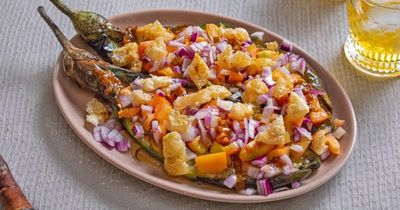
Long Asian aubergines char directly over a gas flame or hot grill until blackened all over and totally soft inside (poke through to test, no resistance). Cool for 10 minutes; peel away the charred skin (it slips off if cooked enough). Tear the flesh into 5 cm strips. Dress with diced tomato, thin-sliced red onion, fish sauce, white-cane vinegar and calamansi juice. Rest for 5 minutes to let the eggplant absorb the dressing. Serve room temperature.

27 minutes Serves4
Foul Saudi

Foul Saudi

The Saudi take on foul medames, somewhere between the Egyptian original and the Yemeni daal-like versions. You soak dried fava beans overnight, then simmer them with a chickpea or two and a garlic clove for six hours low and slow (or pressure-cook for forty-five minutes if you don't have the day) until they're so soft they fall apart at a glance. Once drained, the beans go back into a hot pan with olive oil and garlic, cumin and a hit of chilli; you crush them roughly with a fork (chunky, not smooth) and finish with lemon and a handful of chopped parsley. Eaten warm for breakfast across the Gulf, scooped with flatbread, with a side of pickles or salata hara, and a glass of mint tea.

6 hours 55 minutes Serves4
Garlic Bok Choy

Garlic Bok Choy

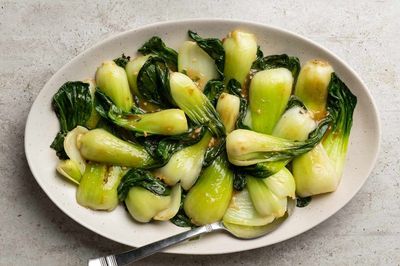
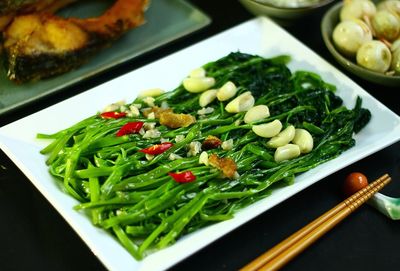
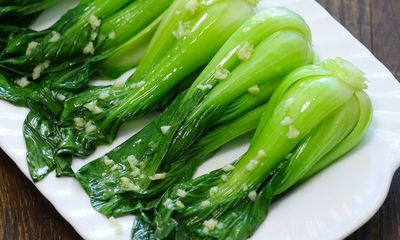
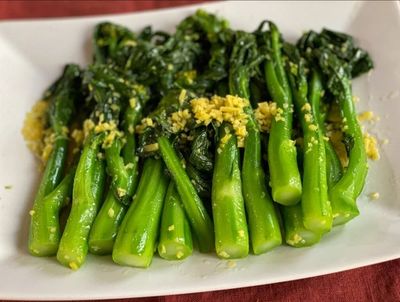
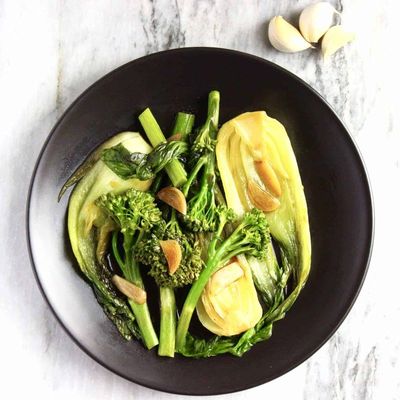
Small heads of bok choy are halved or quartered lengthwise (keeping each piece together at the base). Sliced garlic fries gently in oil until golden, not brown. The bok choy is blanched briefly (30 seconds) in heavily salted water (the salt fixes the colour); refreshed in cold water; drained well. The blanched bok choy then stir-fries in the garlic oil for 2 minutes; oyster sauce, a pinch of sugar and a splash of stock or water glaze; sesame oil at the end. Plated with the dressing spooned over.

11 minutes Serves4
Goma-Ae

Goma-Ae

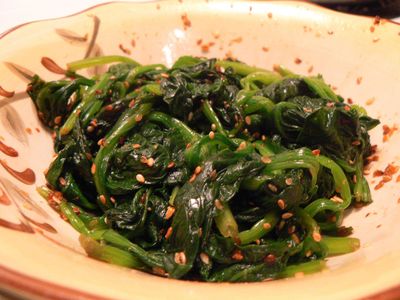
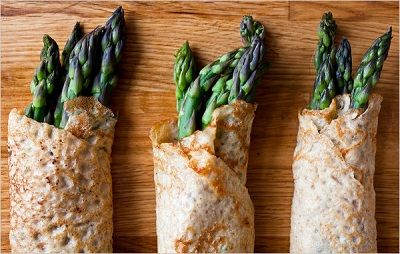
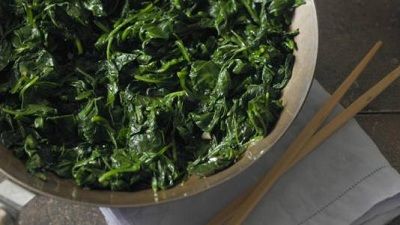
Spinach (or green beans, asparagus, kale) blanches briefly in salted boiling water; refreshes in cold water; squeezes hard to remove all excess water; cuts into 4 cm pieces. Sesame seeds toast in a dry pan until fragrant and slightly darker. The toasted seeds grind in a suribachi (Japanese mortar) or a small food processor to a coarse paste, not to butter consistency; some texture is wanted. The paste mixes with soy sauce, sugar, mirin and a teaspoon of sake (optional) into a thick dressing. The blanched, squeezed vegetable tosses with the dressing; rests briefly to integrate; served at room temperature.

15 minutes Serves4
Gratin Dauphinois

Gratin Dauphinois

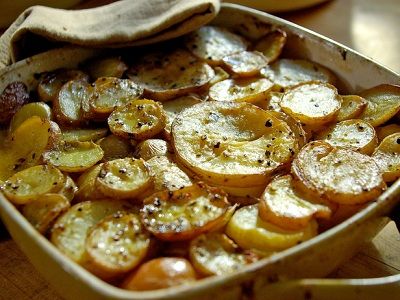
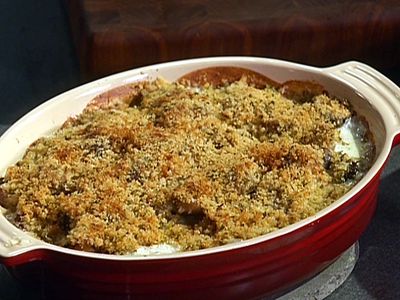
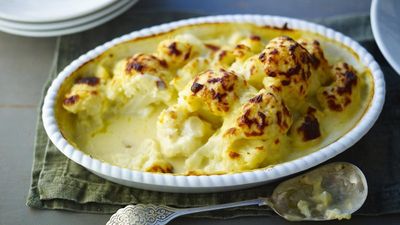
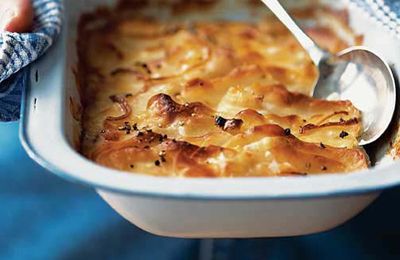
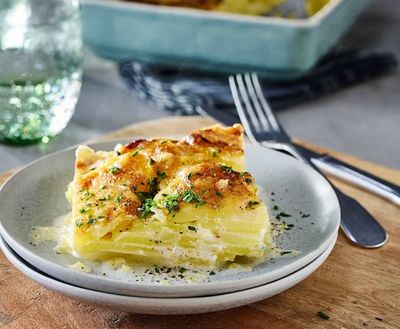
Waxy potatoes (Yukon Gold, Charlotte, or any low-starch variety) are peeled and sliced very thinly, 2-3 mm. A wide shallow gratin dish (or oven-safe heavy pan) is rubbed all over with a halved garlic clove, then heavily buttered. A cream-and-milk mixture warms in a saucepan with crushed garlic, salt, pepper, and a generous grating of nutmeg, brought just to a simmer, then strained. Potatoes layer in the dish, overlapping like shingles, with a sprinkle of salt and a few grinds of pepper between layers. The infused cream pours over to come up to (not over) the top layer. Baked at 160°C for about 90 minutes until the potatoes are fork-tender and the top is bubbling and golden-brown.

1 hour 50 minutes Serves6
Green Beans Amandine

Green Beans Amandine

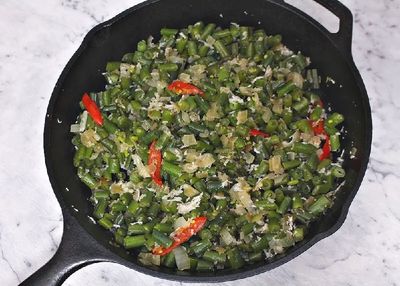
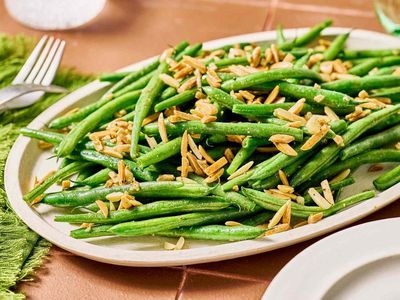
Trimmed green beans blanch in heavily salted boiling water for 3-4 minutes until just tender (still bright green and slightly crisp). Drained but not refreshed if serving immediately, the residual heat is wanted; if making ahead, refresh in ice water to stop cooking. Butter melts in a wide pan; flaked almonds toast in the butter until both go gold-amber together (the butter browns to beurre noisette / hazelnut butter). The blanched beans toss in the butter-almond pan over high heat for 1 minute; finished with a squeeze of lemon, a grind of pepper, optional Dijon mustard or garlic, and chopped parsley.

13 minutes Serves4
Green Curry BBQ Aubergine

Green Curry BBQ Aubergine

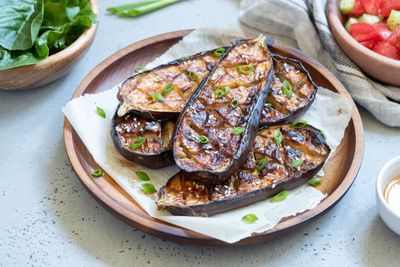
This is a BBQ side built on the flavour profile of Thai green curry rather than a Thai curry itself. The marinade is essentially a small batch of green curry sauce reduced down until thick and clinging, then cooled and rubbed into wedges of aubergine that sit in it overnight. By morning the cut surfaces have drunk in coconut, paste, fish sauce, palm sugar, lime leaf and basil; by the time they hit the grill, the flesh has half-pickled and the surface is coated in a paste that caramelises beautifully over hot coals. The grill does the rest. Direct high heat blackens the marinade into sticky-black patches while the inside steams under its own glaze and softens to spoon-tender. Difficulty is low. The only patience involved is overnight in the fridge. Serve as a centrepiece on a BBQ platter alongside grilled meats, or as a vegetarian main with sticky rice, a wedge of lime and a scatter of Thai basil. It is rich, smoky, gently sweet, salty and herbaceous all at once, with the unmistakable green-curry note running through every bite.

37 minutes Serves4
Grilled Corn on the Cob

Grilled Corn on the Cob

Grilled corn on the cob is the unofficial flag of an American summer cookout. Whether it appears alongside ribs in Kansas City, brisket in central Texas, or burgers on a Midwestern back porch, the technique is essentially the same: husk the cob, lay it directly over hot coals or a hard gas flame, and turn it until the kernels darken and pop with sugar caramelisation. The flavour is straightforward but layered. Heat converts the corn's starches and sugars into something almost popcorn-like in aroma, while a slick of garlic butter melts into every crevice and a squeeze of lime cuts cleanly through the richness. Difficulty is low, but the line between perfectly grilled and overcooked is narrow, since corn can dry out quickly once the kernels begin to wrinkle. The trick is high direct heat for a short time, and constant turning so each side picks up colour without burning through. American corn culture has always borrowed generously from its neighbours, and any conversation about grilled corn eventually circles to elote, the Mexican street-food version slathered in mayo, cotija, chilli, and lime. The recipe here keeps to the cleaner butter-and-chive backyard style, but elote is just a brush away in the notes. Serve hot, straight off the grill, with extra butter and napkins, because nobody eats this neatly and nobody minds.

22 minutes Serves6
Grilled Eggplant Salad

Grilled Eggplant Salad

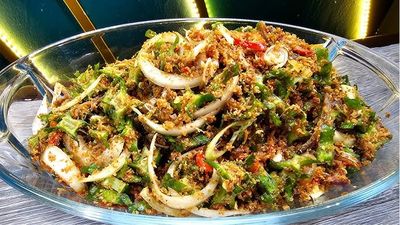
A juicy room-temperature salad built around the smoky soft flesh of whole-roasted eggplant. The eggplant flavour anchors everything, mildly bitter, deeply smoky if you can blister the skin first, almost meaty in texture once scooped. Around it, finely chopped tomato and cucumber release their water and form a brothy dressing on the bottom of the bowl, sweetened slightly by the addition of a pinch of sugar and sharpened by black rice vinegar (Chinkiang, the malty, dark, slightly sweet variety, not the white-rice kind). Browned garlic in olive oil folds in last and carries the aroma. Easy to make and forgiving; the only step that requires care is roasting the eggplants long enough that the flesh is properly soft. Sits alongside polo or naan as a fresh, juicy counter to the heavier mains of the Uyghur table, and the kind of dish made every day in summer when eggplants are cheap and good in the Kashgar bazaars.

45 minutes Serves4
Herb Salsa

Herb Salsa

Herb salsa is uniquely French despite the Spanish name: it's essentially a warm salsa based on creamy, newly cooked potato and fine herbs. Unlike the fresh salsas of Mexico and Mediterranean regions, this version relies on cooked potato for texture and structure, with sherry vinegar providing acid, and a combination of mustard and lemon juice offering complexity. The blend of fines herbes (parsley, chives, tarragon, chervil) creates aromatic brightness without the intensity of larger basil-based sauces. This is best served warm or at room temperature, never chilled; cold dulls the delicate herb character.

25 minutes Serves300
Horiatiki (Greek Village Salad)

Horiatiki (Greek Village Salad)

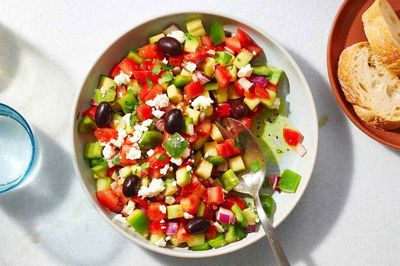
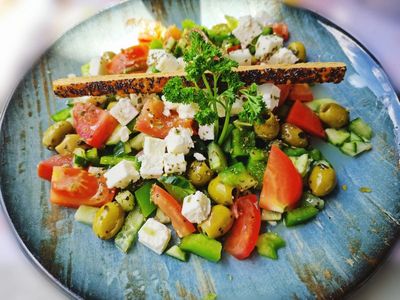
Tomatoes cut into thick wedges, cucumber peeled in stripes and cut into chunky rounds, red onion sliced thin and soaked in cold water 5 minutes (mellows the bite), green bell pepper sliced into rings, kalamata olives stoned or whole at the cook's discretion. Pile in a shallow bowl. A whole slab of feta sits on top, uncrumbled, dignified. Olive oil pours over, red-wine vinegar splashes, oregano sprinkles. Rest for 10 minutes before serving so the tomato juices mix with the oil.

15 minutes Serves4
Hot Cajun Potato Salad

Hot Cajun Potato Salad

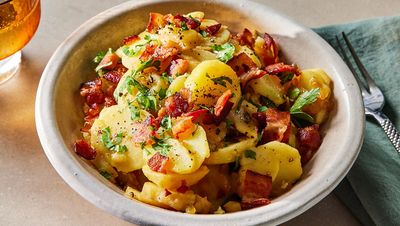
A fiery Cajun-spiced potato salad, the kind of side dish that lifts a barbecue plate from good to memorable. You boil potatoes until just tender, then toss them while still warm in a mayo-based dressing built around Cajun heat: cumin, cayenne, smoked paprika, garlic and a measured spoon of garam masala for a deeper round-out. Hard-boiled eggs go in halved or quartered, sliced spring onions add a fresh allium note, and diced green chilli runs the heat across the back of the palate. Fresh herbs (parsley, dill or coriander) lift the lot. The salad sits best after an hour in the fridge for the flavours to settle. Eaten alongside grilled meat, fried chicken or a bowl of gumbo, with cold beer on the side.

35 minutes Serves6
Insalata Tricolore

Insalata Tricolore

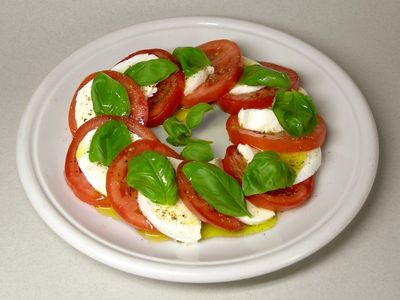
The dish is an assembly, not a recipe. The four ingredients (tomato, mozzarella, basil, olive oil) all need to be the best you can afford, that's the whole technique. Tomatoes at peak ripeness, sliced 1 cm thick; mozzarella di bufala torn or sliced fresh from the brine; large whole basil leaves; cold-pressed extra-virgin olive oil. Layered on a plate alternating tomato slices with mozzarella, basil leaves tucked between, salt and pepper, finished with olive oil. Eaten with crusty bread.

10 minutes Serves4
Ka'ak Bi Simsim

Ka'ak Bi Simsim

A soft yeasted dough (plain flour, milk, water, oil, yeast, sugar, salt, a touch of mahleb or nigella) rises for 1 hour. Divides into 4 or 8 portions. Each rolls into a long rope, then is shaped into an oblong ring with one slightly elongated side (the traditional shape is closer to a stretched horseshoe than a perfect circle). Dipped briefly in a molasses-and-water glaze, then dredged heavily in toasted sesame seeds. Rises for 30 minutes. Baked at 220°C 15-18 minutes until deep gold.

1 hour 48 minutes Serves4
Kadu Bouranee

Kadu Bouranee

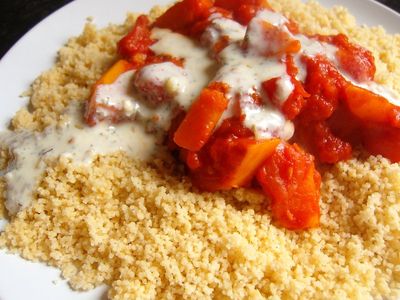
Kadu bouranee is Afghanistan's sweet-and-savoury pumpkin dish: cubes of butternut squash or pumpkin braised slowly with onion and a touch of sugar until they collapse, plated under cold garlic-and-mint yogurt while the pumpkin is still warm. The temperature contrast is the whole pleasure of the dish. You brown the pumpkin briefly in oil with chopped onion, add sugar, tomato and a splash of stock, then cover and cook low until the pumpkin is completely yielding to a spoon (around forty minutes). Spoon into a wide dish, blanket with garlic yogurt (chaka) straight from the fridge, scatter dried mint over the top. Eat with naan, scooping pumpkin and yogurt up together.

1 hour Serves4
Kayan Thee Hnut

Kayan Thee Hnut

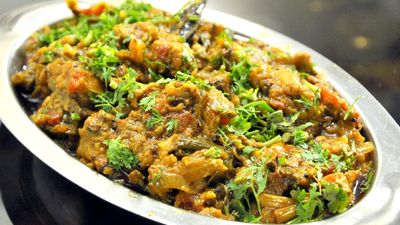
A Burmese aubergine dish, the kind of thing that turns up on a weekday table next to a simple curry and rice. You cube the aubergine and salt it for twenty minutes to draw out the bitter water, then squeeze it dry. Onion fries dark-gold in oil; garlic, ginger and turmeric go in briefly; then the aubergine joins them and fries for eight minutes until silky-soft and just collapsing. Fish sauce, chilli powder and a touch of palm sugar season the pan, and toasted crushed peanuts scatter over at the end for crunch. Eaten warm with rice and a small piece of fish.

55 minutes Serves4
Khao Niao

Khao Niao

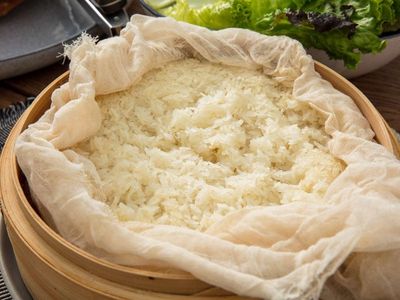
Sticky rice must be the right variety: Thai glutinous rice (also called sweet rice, sticky rice, or kao niao, looks the same as ordinary white rice but opaque white when raw, not translucent). Soak the rice 4-12 hours in cold water until grains can be crushed easily between fingers. Drain. Steam over (not in) boiling water for 20-25 minutes in a traditional bamboo cone, banana leaves, or a steamer lined with muslin. Test by tasting a grain, fully cooked, chewy, slightly translucent. Transfer to a covered bamboo basket or wooden bowl for serving.

12 hours 30 minutes Serves4
Khubz Tameez

Khubz Tameez

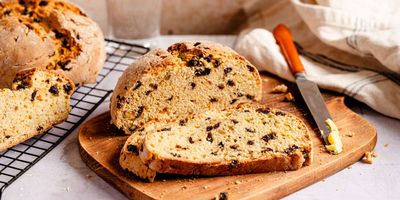
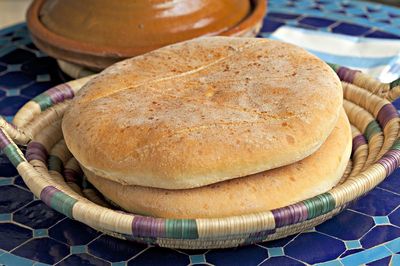
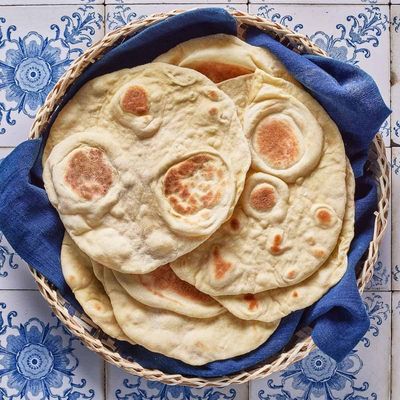
The thick, soft flatbread that turns up on every Saudi table: the bread you tear to scoop foul, sop kabsa juices and wrap around grilled meat. You make a simple yeasted dough with plain flour, fast-action yeast, salt, sugar, olive oil and warm water, knead it briefly, let it rise, divide into balls and shape into thick rounds about the size of a side plate. Onto a screaming-hot baking stone or steel for four or five minutes per side, which is what gives you the puffed centre, the dark blisters across the top, and the soft pliable inside. Traditionally baked against the side of a clay tannur, which is where the name comes from and which gives the bread its deeper char; a stone or steel in a home oven gets you nearly all the way there. Eat warm from the oven, wrapped in a tea towel to keep the moisture in.

2 hours 5 minutes Serves4
Kimchi (Cabbage)

Kimchi (Cabbage)

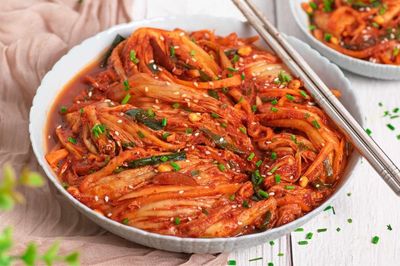
Napa cabbage quarters and salts in heavy salt water 4 hours; rinses well; drains. A sweet rice-flour porridge cooks briefly and cools. Aromatic paste: garlic, ginger, fish sauce, onion, apple/pear, gochugaru, sugar, pulses smooth, mixes with porridge. Daikon and carrot julienne fine; spring onion slices. Everything tosses with the paste. Cabbage stuffs leaf-by-leaf with the spiced mix. Packs tight in a jar. Ferments at room temperature 1-3 days, then refrigerates.

5 hours 5 minutes Serves1
Kinpira Gobo

Kinpira Gobo

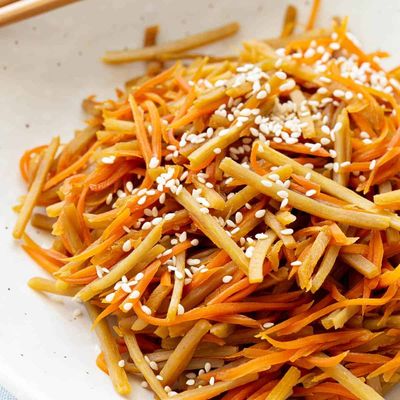
Burdock root (gobo, long thin brown root sold at Japanese / Korean / well-stocked Asian shops; if unavailable, substitute with parsnip + an extra dash of dashi for the earthy depth) is scrubbed clean, julienned into matchsticks, then soaked briefly in vinegared water to prevent oxidation. Carrots julienne to similar matchsticks. Sesame oil heats; dried red chilli flakes (or one small chilli sliced) infuses 30 seconds; the drained gobo goes in and stir-fries for 3 minutes; carrot joins; everything tosses 2 more minutes. A sauce of soy, mirin, sugar and a splash of sake pours in; reduces for 4-5 minutes until the liquid is gone and the vegetables are glazed. Finished with sesame seeds and a drizzle of sesame oil.

37 minutes Serves4
Lavash

Lavash

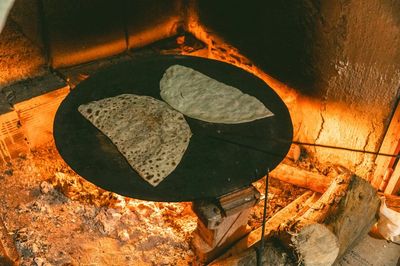
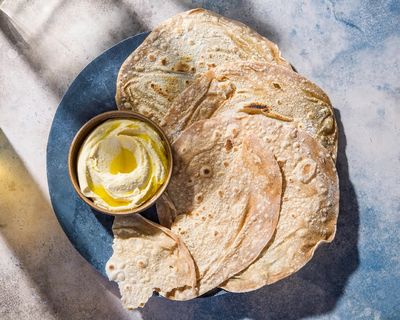
The paper-thin flatbread of the Caucasus, on UNESCO's Intangible Cultural Heritage list since 2014, and the bread that wraps every grilled meat from Yerevan to Baku. You make a dough from just three things (flour, water and salt) that is firmer than a pasta dough and smoother than a bread dough. Thirty minutes' rest under a damp cloth lets the gluten relax enough to roll. The dough divides into eight balls, each rolled paper-thin (you should be able to read newsprint through the sheet before it goes in the pan). Onto a heavy dry skillet over high heat for sixty to ninety seconds per side, just long enough to puff and blister. Stack the cooked sheets under a clean tea towel as you go so they stay pliable. Eaten the same day, torn around grilled meat, wrapped around kebabs, used as a plate, used as a napkin.

1 hour 27 minutes Serves8
Lentejas Chilenas

Lentejas Chilenas

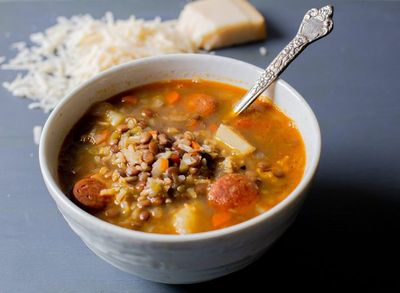
A Chilean lentil stew, the kind of one-pot that turns up at any Sunday lunch through autumn and winter. You render smoked bacon in a heavy pot until the fat runs clear, then soften onion, garlic and carrot in the rendered bacon fat. Tomato and a generous scatter of dried oregano build the base. Green or brown lentils go in with stock and simmer for forty-five minutes until tender. Potato chunks join for the last twenty minutes. A splash of red wine vinegar at the end brightens the whole stew and pushes it from heavy to balanced. Eaten with crusty bread, a chopped salad on the side, and a glass of red.

1 hour 30 minutes Serves4
Marraqueta

Marraqueta

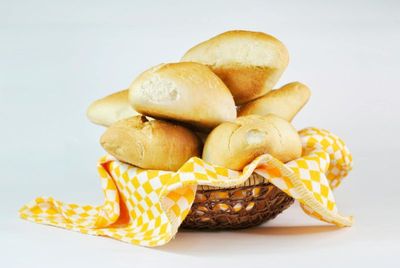
Chile's everyday bread, the small crusty roll with four lobes that pulls apart cleanly along its deep score. You make a lean dough from bread flour, yeast, water and salt (no sugar, no fat) and give it a long first rise of an hour to develop flavour. Divide into sixteen small balls, pair into four-lobe shapes (two balls side-by-side, pressed in the middle to form four humps), and let them rise briefly again. Bake at 230°C with steam (a tray of hot water at the bottom of the oven) until the rolls are deeply crusty on the outside and tender inside. Eaten warm, torn open and spread with butter, mashed avocado, or a slice of fresh cheese. The morning bread of Chile.

2 hours 17 minutes Serves8
Mexican Rice

Mexican Rice

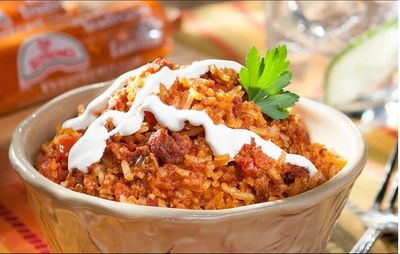
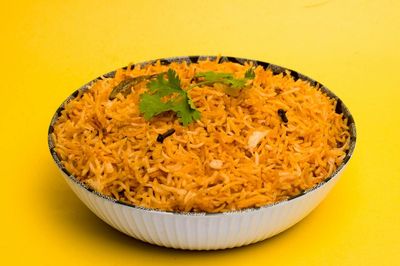
Long-grain rice (not basmati or jasmine, they're too slim) toasts in oil over medium heat until pale gold and nutty, 3-4 minutes. Diced onion and garlic join briefly. A blender pulses a ripe tomato, garlic clove, ½ onion and a few sprigs of coriander into a smooth red puree; this strains through a sieve to remove fibre and pours into the pan with the toasted rice, along with chicken stock, salt, cumin and a bay leaf. Brought to a simmer, covered, reduced to lowest heat, cooked for 18-20 minutes until the liquid is absorbed and the rice is tender. Off heat 10 min rest; fluffed with a fork; finished with frozen peas and chopped coriander.

35 minutes Serves6
Msabaha

Msabaha

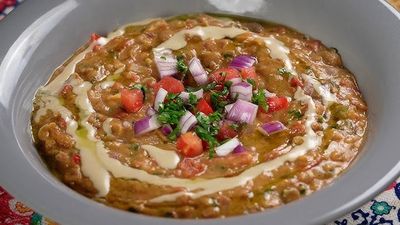
Dried chickpeas soak overnight with a pinch of bicarbonate of soda. The next morning, they simmer in fresh water with garlic, cumin and bay until very soft (about 1 hour, longer if the chickpeas are old). Some chickpeas (about a third) blitz with garlic, lemon juice, tahini and ice water into a smooth purée. The remaining whole chickpeas keep warm in their cooking liquid. To plate: smooth purée on the bottom of the bowl, hot whole chickpeas piled in the centre, more tahini-lemon-garlic sauce poured over, drizzle of olive oil, sprinkle of cumin, scatter of parsley. Eaten with hot bread.

1 hour 45 minutes Serves4
Msemen

Msemen

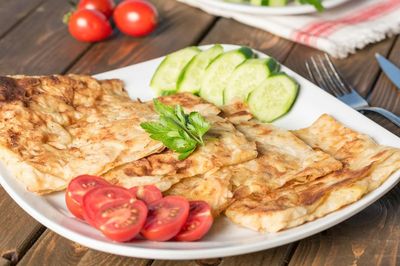
A soft warm dough of fine semolina, plain flour, salt, sugar, yeast (optional but helps with flexibility) and warm water rests for 30 minutes. Divides into 8 balls. Each ball stretches on a heavily oiled surface into a paper-thin (almost translucent) circle. A teaspoon of melted butter-and-oil mix smears across; a sprinkle of semolina dusts on top; the disc folds into thirds, then thirds again, into a square. Each square cooks on a hot dry griddle 2 minutes per side, pressing gently so the layers bond, until golden and crisp at the edges.

1 hour 35 minutes Serves4
Mushy Peas

Mushy Peas

Dried marrowfat peas soak overnight in cold water with bicarbonate of soda (the soda softens the skins; without it the peas stay tough). The peas are drained, rinsed, then simmered slowly in fresh water with a pinch of salt until they break down into a thick green porridge, about 40 minutes. A teaspoon of butter, a pinch more salt and (optionally) a small spoon of mint sauce or chopped fresh mint stir through at the end. Eaten warm. Some chip-shop versions add a teaspoon of sugar; some Yorkshire households add a splash of malt vinegar at the table.

50 minutes Serves4
Naan-E Afghani

Naan-E Afghani

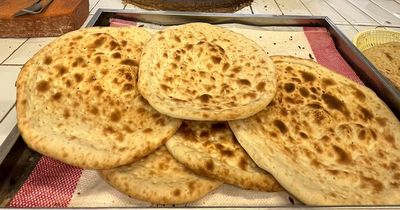
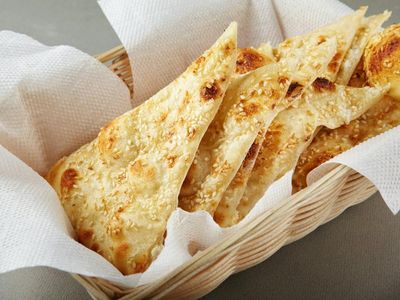
Naan-e-afghani is the long lozenge-shaped flatbread you'll see hanging from cords in bakery windows across Afghan cities, scored down its length with three fingertip-trails and scattered with nigella and sesame seeds. The dough is straightforward (plain flour, fast-action yeast, salt, sugar, a glug of oil and warm water), kneads to smooth, rises for an hour, then divides into long ovals. Each oval is pressed and stretched on a floured bench into a 40-50 cm flat lozenge (the shape matters: thin in the middle, slightly thicker at the rim). Three fingertip trails down the length, a scatter of nigella and sesame, then slid onto a hot baking stone (or an upturned heavy baking tray) at your oven's maximum heat. Eight minutes and it is done, blistered and chewy. Tear, dip, wrap, eat warm with anything Afghan.

2 hours 5 minutes Serves4
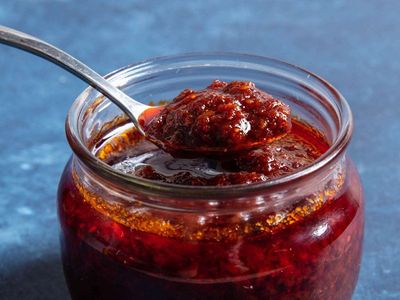
Nam Prik Pao

Nam Prik Pao

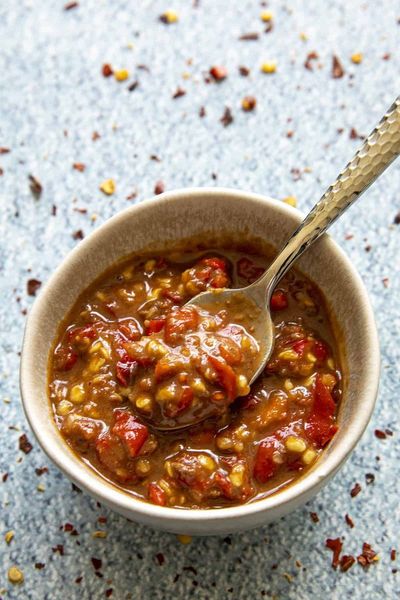
Dried red chillies are deseeded (most of them), garlic is sliced, shallots are sliced thin. All three fry separately in oil over medium heat until each is deep golden and crispy, sequence matters because they cook at different rates. Dried shrimp toasts briefly in the same oil. Everything pulses in a food processor (or pounds in a mortar, the traditional method) to a coarse paste. Returned to the pan with the residual oil; palm sugar, fish sauce, tamarind paste and a splash of water cook for 10 minutes more, stirring, until the colour deepens to mahogany and the paste is thick and glossy. Once cooled and stored in oil, it lasts weeks.

45 minutes Serves8
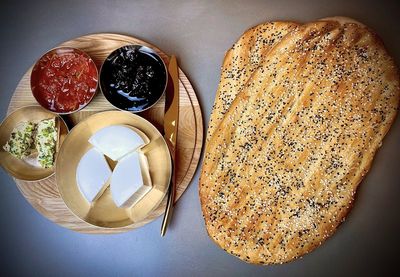
Nan E Barbari

Nan E Barbari

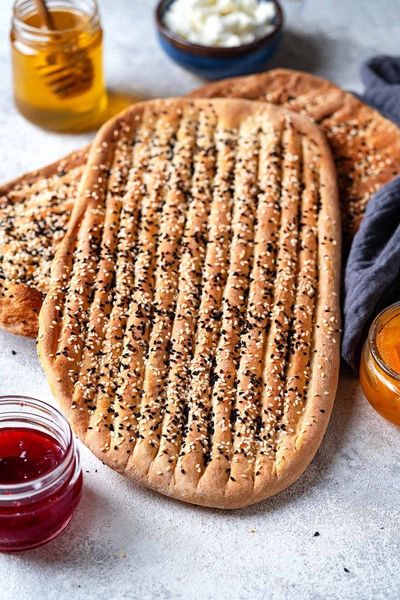
A medium-hydration yeasted dough (about 65% hydration) of bread flour, yeast, salt, water and a small amount of oil rises for 1 hour. Divides into 2; each piece shapes into a long oval (about 35 cm x 15 cm) and proofs for 30 minutes. The roomal glaze cooks separately: flour-and-water-and-baking-soda whisks and brings to a boil, it sets into a glossy paste. Each loaf gets brushed all over with the warm glaze; deep parallel ridges press in with fingertips (4-5 ridges per loaf running lengthwise); sprinkled with sesame and nigella seeds. Slides onto a hot stone (or upside-down baking tray) preheated to maximum; bakes for 12-15 minutes until deep gold.

2 hours 15 minutes Serves4
Nga Hpe (Burmese Fish Cakes)

Nga Hpe (Burmese Fish Cakes)

The Burmese fish cakes that arrive at lahpet-thoke salad tables and street snack stalls alike, bright with lime and curry leaf. You cube skinless firm fish fillets and pulse them in a food processor with shallot, garlic, ginger, lime, fish sauce and a small egg into a sticky paste. A spoon of beaten cornflour binds it. Curry leaves, sliced spring onion, chopped cilantro and a fresh chilli go in for fragrance and bite. Patties form by hand (keep your hands slightly damp so the mixture doesn't stick), then shallow-fry in batches at 170°C for two or three minutes per side until they're deep gold and crisp at the edges. Eaten warm with a sour-sweet tamarind dipping sauce.

45 minutes Serves6
Noodle Kugel

Noodle Kugel

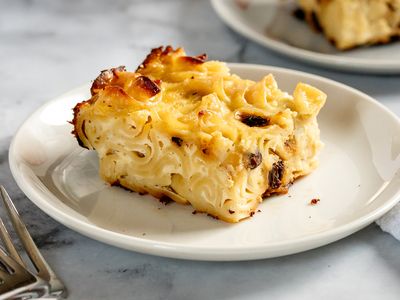
Wide egg noodles cooked just past al dente, drained and tossed in butter so they don't clump. A custard of cream cheese, sour cream, eggs, sugar and cinnamon is whisked smooth and folded through the noodles with golden raisins. The mixture goes into a buttered baking dish, gets a generous topping of crushed cornflakes (or cinnamon-sugar crumbs) and a dot of butter, then bakes low and slow until the custard sets and the top is mahogany-brown. Cut into squares while warm.

1 hour 20 minutes Serves8
Okra Soup

Okra Soup

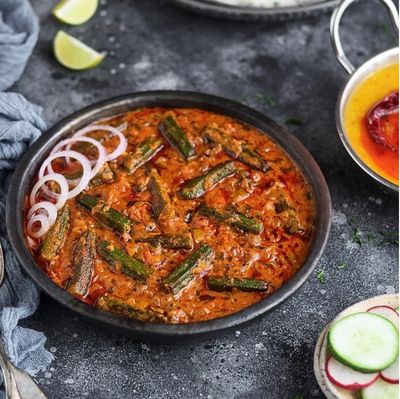
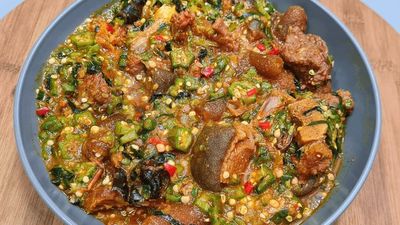
Beef parboils briefly with stock cube and onion to make a quick stock. Smoked fish soaks in hot water and is flaked. Fresh okra is chopped very fine (or grated). Palm oil heats; chopped onion, garlic and Scotch bonnet pepper soften. Stock and meat go in; simmers for 5 minutes. Smoked fish, ground crayfish and iru join. Salt to season. Then the okra goes in and cooks just 5 minutes, barely, to keep the bright green colour and the unmistakable slippery thickness. Served over rice or with fufu.

50 minutes Serves4
Panzanella

Panzanella

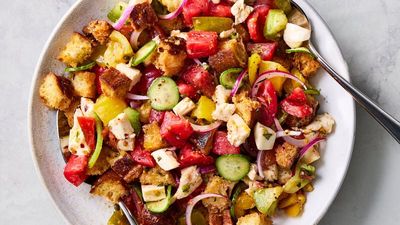
Day-old crusty bread is torn into rough pieces and briefly moistened with water-and-vinegar, just enough to soften without making mush. Ripe tomatoes are deseeded and cubed; juice is reserved for the dressing. Cucumber is peeled in stripes, deseeded and sliced. Red onion slices soak briefly in cold water to mellow. A dressing of red wine vinegar, good olive oil, the tomato juice, garlic and salt is whisked. Everything tosses together in a wide bowl; rests for 30 minutes at room temperature so the bread drinks in the juices; finished with torn basil and a final glug of olive oil at serving.

20 minutes Serves4
Pão Alentejano

Pão Alentejano

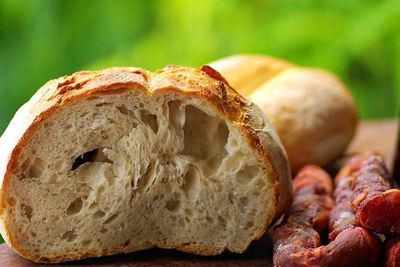
Pão Alentejano is Portugal's great regional bread, a slow-fermented loaf from the southern Alentejo plains with a deeply dark crust and a chewy, slightly sour crumb. It starts twelve hours before you bake, with an overnight poolish of flour, water and the tiniest pinch of yeast. The main dough goes together the next day, gets a stretch-and-fold every half hour during a two-hour bulk ferment, then shapes into a round and proves a final hour and a half. Into a hot oven (240°C with steam for the first fifteen minutes, then 220°C dry for another half hour) and out comes a loaf that smells faintly of vinegar and tears open with a structured, irregular crumb. Worth the day it takes.

17 hours 15 minutes Serves8
Papas Mayo

Papas Mayo

A Chilean potato salad, the Sunday-lunch staple that sits next to grilled meat and an ensalada chilena at any asado worth the name. You boil floury potatoes whole in their skins, peel and dice them while still warm so they soak up the dressing properly. Hard-boiled egg goes in halved or quartered, sliced spring onion adds bite, Dijon and mayonnaise bind, and a splash of white wine vinegar lifts the lot. Toss gently so the egg doesn't pulverise, with chopped parsley scattered over. Best slightly warm - the mayo grips the potato and the egg breaks into soft creamy crumbles. Eaten with grilled meat or as part of a wider lunch spread.

40 minutes Serves4
Patatas Bravas

Patatas Bravas

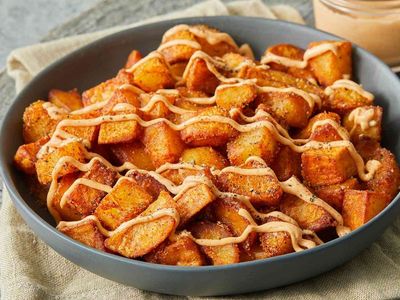
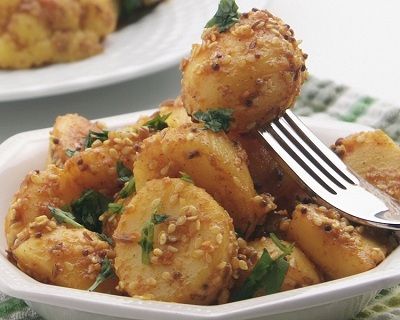
Maris Piper or floury potatoes peel and cube 2 ½ cm. Double-cook for shatter-crisp shell + fluffy interior: blanch / boil for 8 minutes till just tender, drain, cool slightly. Brava sauce: olive oil heats with garlic and a touch of flour; smoked paprika + cayenne stir in 30 seconds; tomato passata, sherry vinegar, salt, sugar; simmer for 15 minutes; blend if you want a smooth sauce or leave rustic. Optional garlic aioli: garlic-and-egg-yolk mayonnaise. Potatoes fry in hot oil 6-8 minutes till deep gold. Plate with sauce zigzagged over; aioli alongside.
50 minutes Serves4
Pebre

Pebre

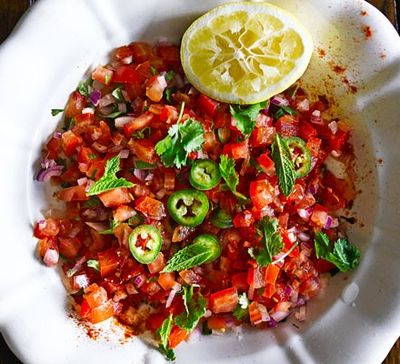
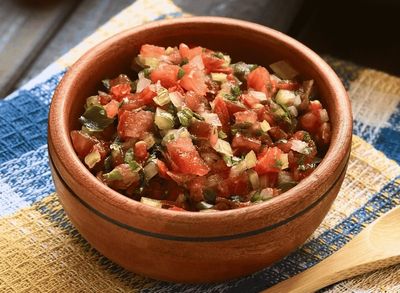
Chile's table salsa, the fresh chunky relish that turns up in a small bowl next to bread before any meal and stays on the table until everything is gone. You chop tomato, onion and coriander fine (smaller than a chopped salad, almost a relish), then combine with crushed garlic, ají chilli (or red chilli if ají isn't around), olive oil, vinegar or lemon, salt and pepper. Fold gently and let sit for ten minutes so the flavours mingle. Eaten with fresh bread before a meal, spooned over grilled meat, alongside empanadas, with chorrillana, with cazuela. Basically with anything savoury that comes out of a Chilean kitchen.

12 minutes Serves6
Pesto Babka

Pesto Babka

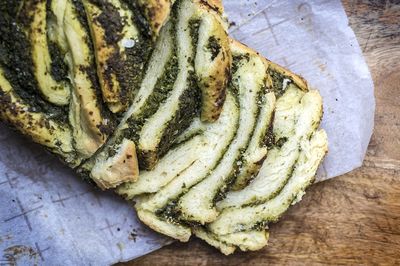
Babka - at its sweet best as the chocolate version - turns out to be a wonderful vehicle for savoury fillings. The dough is the same enriched milk-and-butter base: pillow-soft, gold-yellow, kneaded long until it pulls smooth. The filling here is pesto (basil or, in season, ramp/wild garlic) and a generous grating of sharp cheddar. The dough rolls into a long log, gets sliced lengthways down the middle so the cut sides face up, then twisted into a rope and curled into a wreath on the tray. Risen, egg-washed, baked. The cut faces of the twist open as it bakes, exposing layered green-and-yellow swirls.

4 hours 20 minutes Serves8
Pork, Apricot and Pistachio Stuffing

Pork, Apricot and Pistachio Stuffing

This richly flavoured stuffing combines pork sausage meat with sweet dried apricots, crunchy pistachios, and aromatic herbs, with nuggets of pan-fried chorizo tucked into each stuffing ball for a smoky surprise. It is designed to complement roasted game birds such as chicken, poussin, or turkey, providing both a cavity stuffing and individual balls for serving alongside. The combination of textures and sweet-savoury flavours makes it a standout element of a roast dinner.

20 minutes Serves8-12
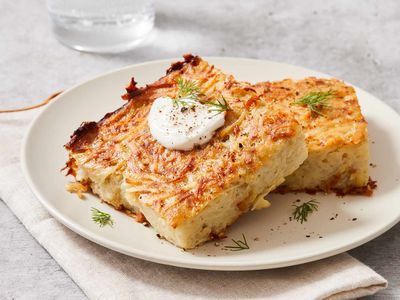
Potato Kugel

Potato Kugel

Three ingredients carry this dish: potato, onion, oil. The potatoes are grated coarse and squeezed bone-dry - this is the only step that really matters; wet potato gives a soggy kugel. The onions are sliced fine and fried slow until deep gold, drawing out their sweetness. Both go into a wide bowl with an egg, garlic powder, salt and a generous slug of the still-warm onion oil, mixed quickly so the egg doesn't scramble. The tin gets a thin layer of more hot oil - the heat of the tin is what creates the dark crust on the underside, the signature of a good kugel. Mixture poured in, smoothed flat, baked at high heat until the top is dark brown and the inside is set but still tender.

1 hour 25 minutes Serves4-6
Refried Beans

Refried Beans

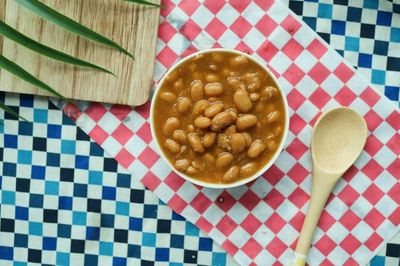
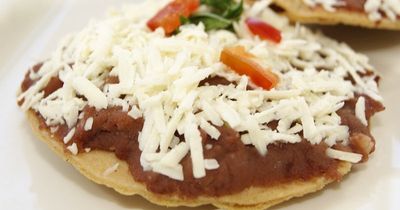
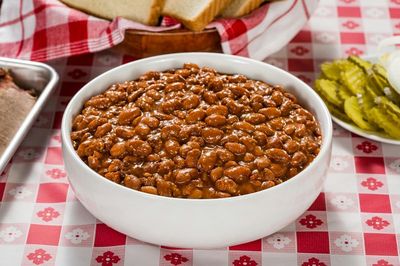
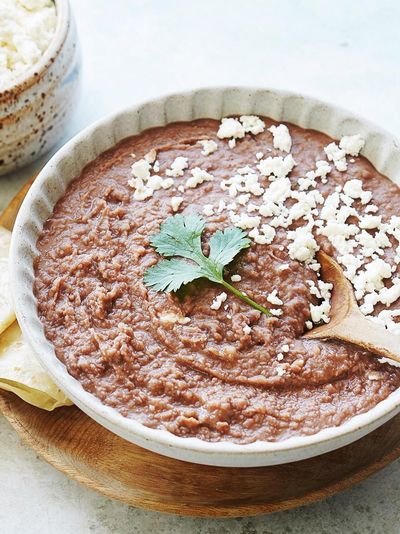
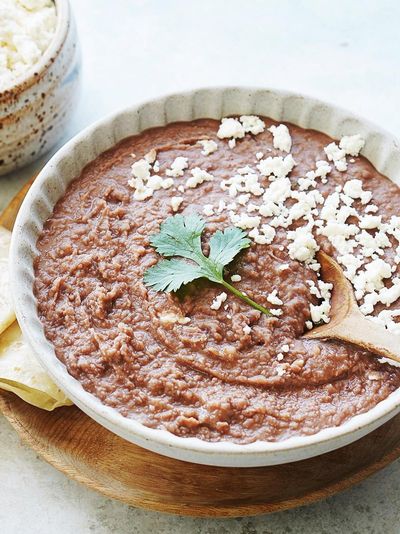
Dried pinto beans soak overnight (or quick-soak: 1 hour after boiling). They simmer slowly with halved onion, garlic, bay leaves and a pork bone (or salt + epazote leaves) until very tender, about 1 ½ hours stovetop, 30 min pressure cooker. The cooking liquid is reserved. Lard (or bacon fat, or oil, but lard is traditional) melts in a wide pan; diced onion fries to deep gold; the cooked beans go in by spoon, with a ladle of cooking liquid. Mashed with a potato masher to a chunky paste (or pureed smooth, depending on preference). Cooked another 10-12 minutes, stirring, until the beans thicken and develop a slight crust at the edges of the pan. Cumin and salt to season. Topped with crumbled cotija or queso fresco, chopped coriander, sliced jalapeño.

2 hours 55 minutes Serves6
Saffron Rice (Azerbaijani Style)

Saffron Rice (Azerbaijani Style)

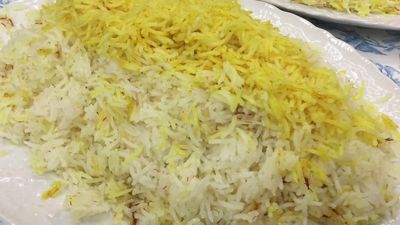
The everyday cousin of plov: the rice you cook on a Tuesday when there's no wedding to feed but you still want the saffron-stained, butter-glossy crust that defines Azerbaijani rice cookery. You soak basmati for an hour in salted water, par-boil in heavily salted water for five minutes, drain. The empty pot films with butter, the rice mounds back in, more butter dots on top, and saffron-infused water drizzles over the peak so the colour stains down through the grains. A tea-towel-wrapped lid traps the steam, and forty minutes on low heat does the rest. Lift the rice gently with a slotted spoon so the amber-gold crust at the bottom stays intact for the table. Eats with anything braised, grilled or stewed; the rice is the dish.

2 hours 10 minutes Serves6
Salade Niçoise

Salade Niçoise

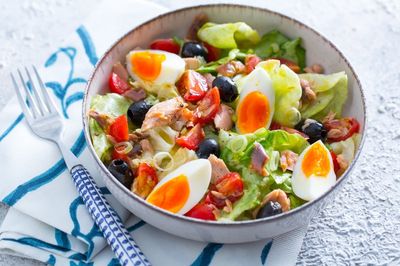
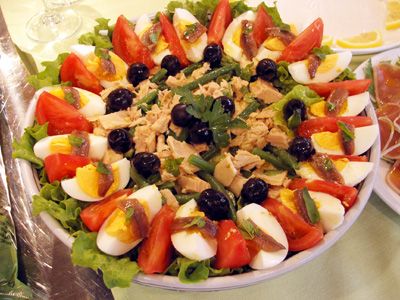
Eggs hard-boil; cool; peel; quarter. New potatoes simmer in salted water until tender; drain; halve while warm; toss with a spoon of vinegar. Green beans blanch briefly; cool. Tomatoes wedge (the best you can find). The dressing: red wine vinegar, olive oil, Dijon mustard, crushed garlic, salt and pepper whisks together. Composition on a wide platter: a base of lettuce leaves (optional, traditional purists skip), then arranged piles of each cooked / prepared ingredient, wedges of tomato, halved eggs, halved potatoes, green beans, drained tuna chunks, niçoise olives, anchovy fillets. Drizzled with the dressing. Scattered with basil. Eaten with crusty bread.

45 minutes Serves4
Salata Afghani

Salata Afghani

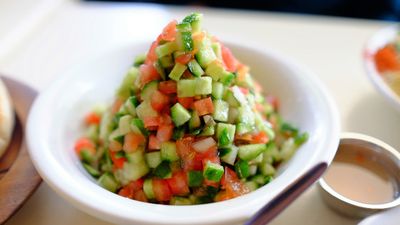
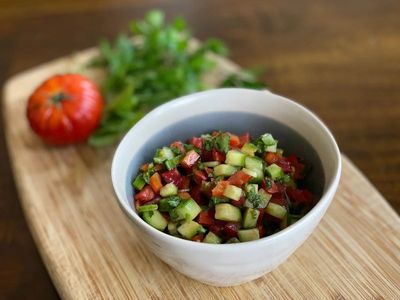
Salata afghani is the salad that goes alongside every Afghan main, no exceptions: tomato, cucumber and red onion diced fine and even, dressed with lemon, olive oil and dried mint, scattered with fresh coriander. The technique is in the cut. Everything dices the same size (about 5 mm) so a spoonful gives you a clean mouthful of all three vegetables. Whisk the dressing of lemon juice, olive oil, dried mint, salt and a small green chilli; toss it through the diced vegetables at the last minute (the salt draws a little water out and the flavours mingle without dissolving the cucumber). Fresh coriander goes on top right before serving.

12 minutes Serves4
Salata Hara

Salata Hara

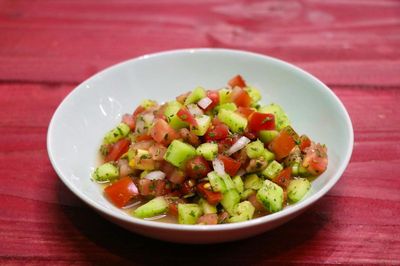
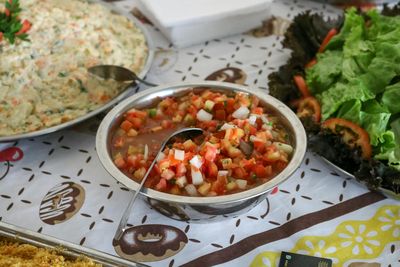
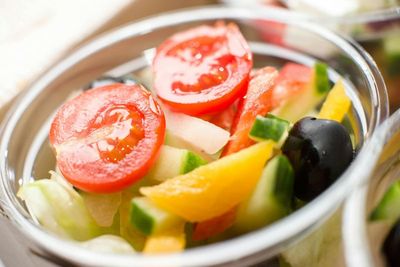
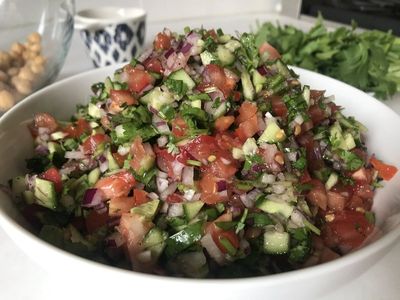
The chunky chopped salad that sits next to almost everything on a Saudi table: the relish that gives kabsa its bright counter, the cool against grilled meat, the freshness against rich rice. You chop tomato, cucumber and onion fine (the size matters: bigger than a salsa, smaller than a Greek salad), throw in parsley and a green chilli or two, and dress with lemon, olive oil, a pinch of cumin and salt. Five minutes' rest before serving lets the salt draw out a little tomato juice, which becomes the dressing the salad makes for itself. Vivid, crunchy, mildly hot, fast enough to put together while the kabsa rests under its lid. Eaten as a side dish, scooped with bread, or spooned over rice as you go.

12 minutes Serves4
Sambal Belacan

Sambal Belacan

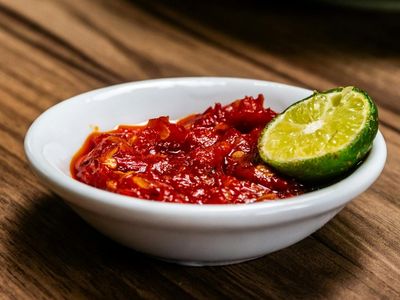
A bright, punchy raw sambal built around belacan, the fermented Malaysian shrimp paste. The belacan is toasted first to mellow its rawness and bring out its savoury depth, then pounded with fresh red chillies, a little shallot and lime juice. The texture should stay coarse, not smooth, so each spoonful carries flecks of chilli skin and seed. Unlike cooked sambals such as sambal tumis, this one is finished in minutes and meant to be eaten the day it is made.

13 minutes Serves6
Sambousak Afghani

Sambousak Afghani

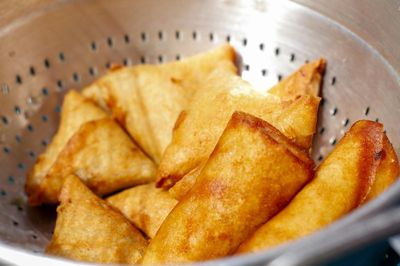
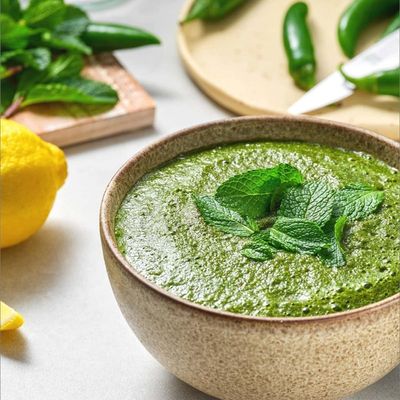
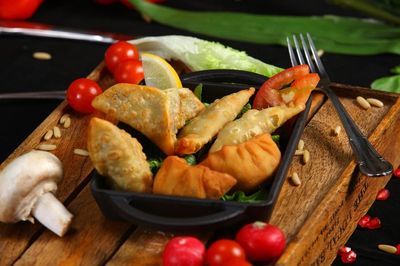
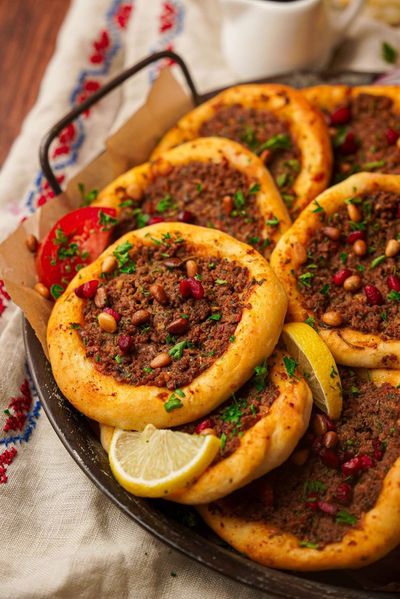
Sambousak are Afghanistan's answer to the samosa: small triangular fried pastries with a spiced lamb filling, served as a starter or with afternoon tea alongside a green chutney. The filling is a quick fry-up of lamb mince with onion, leek, garlic, ginger, ground coriander, cumin, chilli and a hit of dried mint, then cooled completely before it goes into the wrappers. The dough work is the move: spring-roll pastry sheets get cut into long strips, then folded around a teaspoon of filling using the flag-fold (the strip wraps over the filling at a diagonal, then keeps folding triangle-over-triangle down its length until you have a closed triangle). Seal the seam with a flour-and-water paste, fry at 170°C for three minutes a side until amber. Eat warm with a mint-and-coriander chutney.

1 hour Serves6
Samosas

Samosas

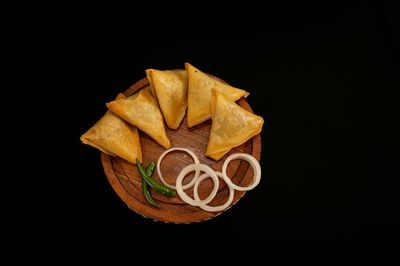
Samosas are the ultimate Indian snack: crispy, angular parcels of golden filo pastry enclosing spiced, fragrant filling. The technique is simple yet satisfying, triangular folding, egg wash sealing, and oven-baking creates a light, shattering crust. Unlike deep-fried versions, these are baked for a lighter result while maintaining crispness. Serve warm with chutney, raita, or lemon juice. These are elegant enough for entertaining, casual enough for snacking.

25 minutes Serves20
Samusa Thoke

Samusa Thoke

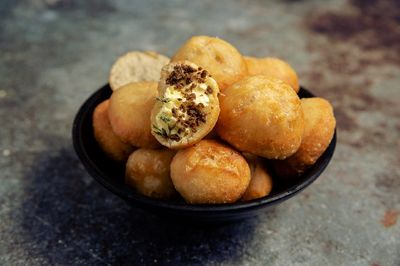
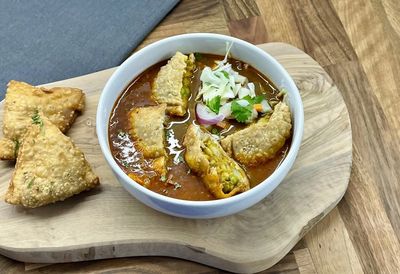
A Yangon street-stall snack and the lunch office workers queue for at midday: broken samosas tossed in a hot yellow-pea soup at the bowl with raw onion, lime and crispy bits. You cook yellow split peas with turmeric and salt into a thick soup, season it with fried sliced onion, garlic, paprika and fish sauce. Small Burmese samosas (filo or thin pastry triangles with a lamb mince filling) are pre-fried or warmed. The construction in the bowl is fast: a heap of broken samosa, a ladle of hot pea soup, a tangle of raw red onion, a small mound of crispy gram-flour bits, chopped cilantro, a wedge of lime, chilli to taste. Toss at the table and eat while everything is hot.

6 hours Serves4
Sardinhas Assadas

Sardinhas Assadas

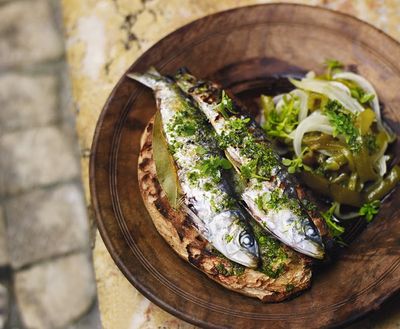
Grilled sardines are the smell of a Portuguese summer. From June to August the small finger-length sardines come into season, you buy them from the fishmonger in the morning, salt them with coarse salt for an hour to firm the flesh, then grill them whole over charcoal (or under a domestic broiler) for three or four minutes a side until the skin chars and the flesh just lifts off the spine. Eat them with your fingers, off torn bread, with a glass of vinho verde and the lights low. The sea, in a single mouthful.

1 hour 22 minutes Serves4
Sepen

Sepen

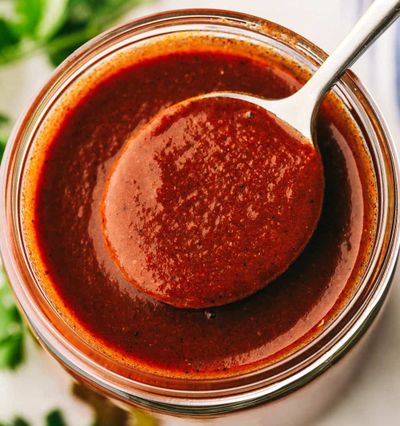
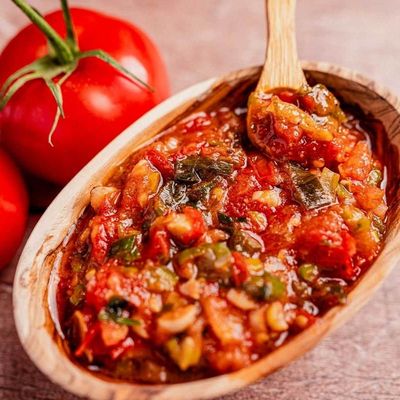
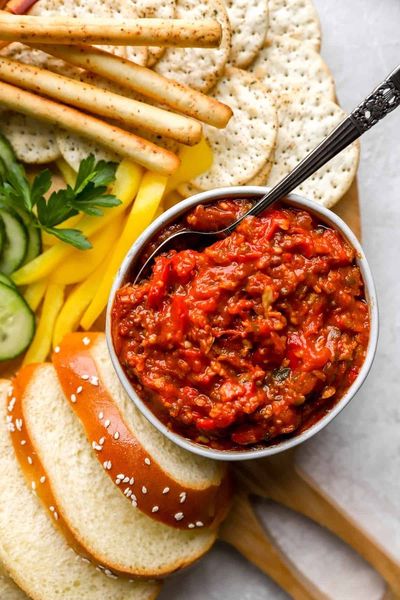
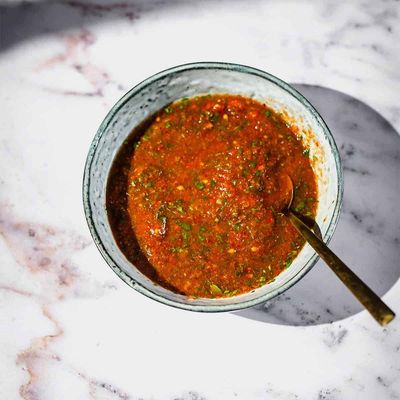
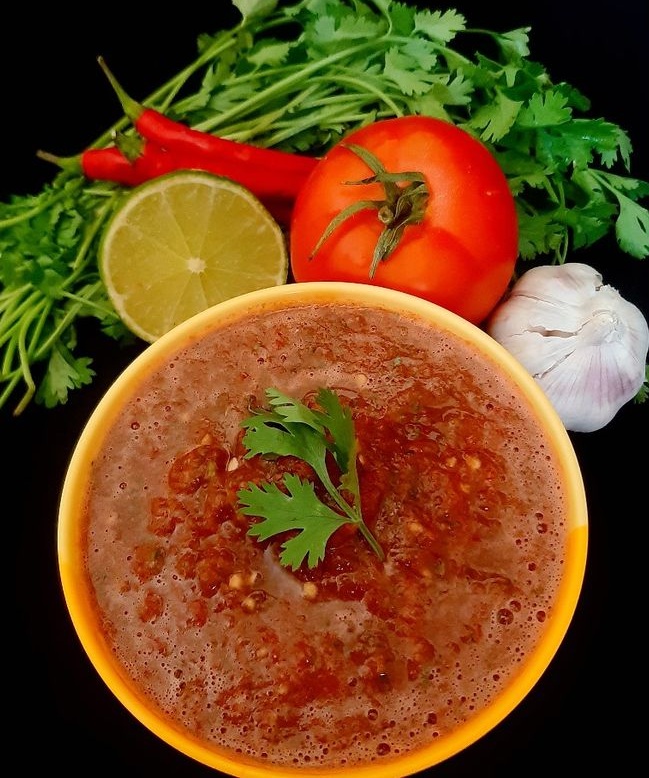
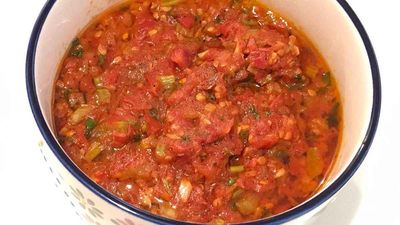
A Tibetan tomato hot sauce that's about depth rather than burn. The base is summer-ripe Roma tomatoes cooked down for an hour with celery, garlic and a couple of fresh green chillies until everything reduces to a thick, slightly sweet paste; ground emma (Sichuan pepper) brings a quiet numbing tingle that gives the sauce its Himalayan signature. Fresh cilantro folded in at the end keeps it bright. Smell is sweet tomato concentrated into something almost ketchup-adjacent, with a faint pepperiness underneath. Genuinely easy, you blend, cook, walk away, stir every 15 minutes, finish. Lhasa families make it in summer when the tomatoes are cheap and stack jars of it in the fridge to spoon over momos, shabalep, and rice. Modest enough that it featured once in a New York Times dining-section profile of YoWangdu (a Tibetan cookery family) without much fanfare, but the kind of household sauce that is so quietly load-bearing in Tibetan cooking that meals feel incomplete without it.

1 hour 20 minutes Serves750
Shukto

Shukto

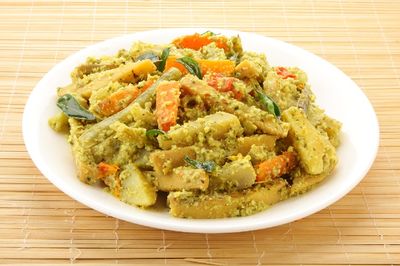
Shukto is the dish that confuses newcomers and converts Bengalis for life. It is the first course of a traditional Bengali meal, served on the rice plate at the very start, before the dal, before the fish, before anything sweet. The logic is Ayurvedic: a small portion of something bitter eaten on an empty stomach is said to wake the digestion and tune the palate. The bitterness comes from korola (bitter gourd), but it is always counterweighted with the sweetness of milk, a little sugar, ripe banana plantain, sweet potato or radish, and the warm nuttiness of ground ginger and roasted radhuni (wild celery seed). The vegetables are cut to a uniform finger-shape (jhuri) and added in order of cooking time: bitter gourd first to mellow it, then plantain, drumstick, brinjal, sweet potato, with bori (sundried lentil dumplings) fried separately and stirred in at the end. The tempering is unusual: panch phoron or, more correctly for shukto, just radhuni and a pinch of mustard seeds in ghee. Milk is added towards the end and the dish is finished with a paste of ginger and a tablespoon of poppy seed or mustard ground with milk. It is mild, complex and unmistakably Bengali. A first-time cook should not be afraid of the bitterness; once the milk, ghee and sugar enter the pot it transforms into a balanced, almost soothing stew. Shukto is most associated with West Bengal and is served at every wedding, every shraddha (ancestral) feast and most Sunday lunches in a Bengali Hindu home.

55 minutes Serves4-6
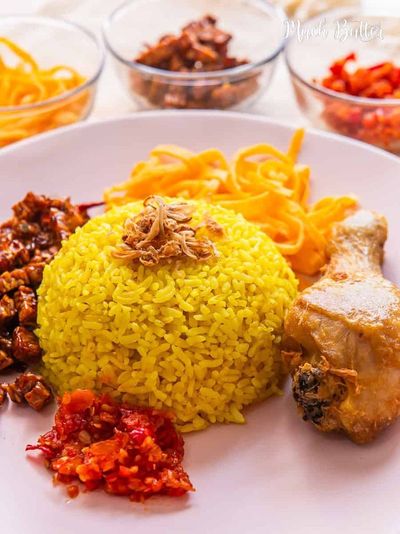
Shwe Htamin

Shwe Htamin

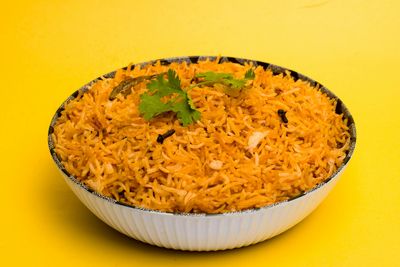
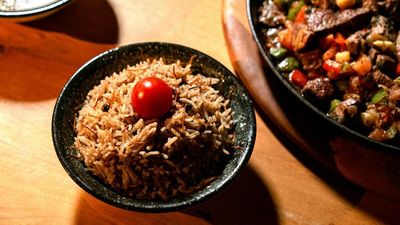
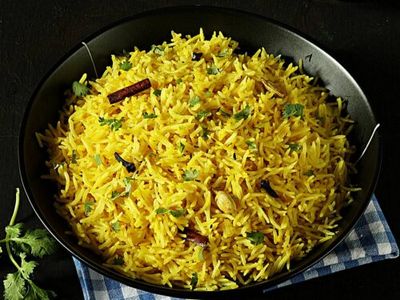
The Burmese golden rice, the everyday turmeric-stained rice that turns up alongside curries and stews on the home table. You toast long-grain rice briefly in oil with a chopped onion, turmeric and a small handful of cashews (optional but traditional). Water and salt go in, the pot covers tightly, and the rice cooks undisturbed for eighteen minutes. A five-minute rest off the heat finishes the steam. The grains come out the colour of pale gold, perfumed faintly with onion and turmeric, ready to soak up whatever curry sauce hits the plate.

30 minutes Serves4
Smashed Cucumber

Smashed Cucumber

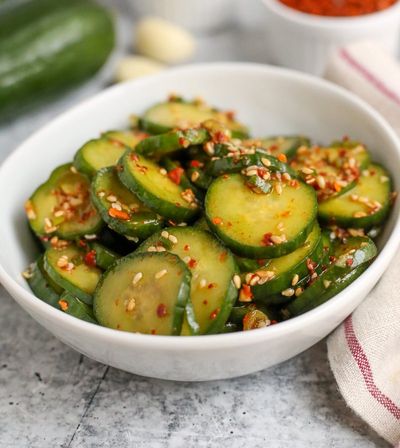
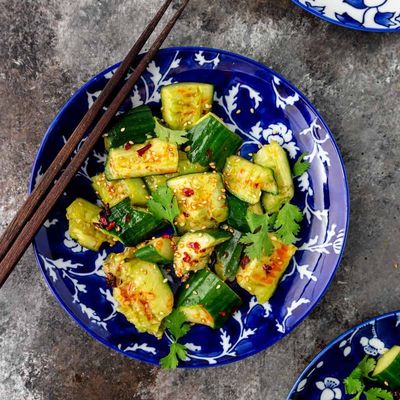
Cucumbers are placed on a cutting board, the flat of a cleaver (or a heavy rolling pin, or a small frying pan) struck firmly on the surface until the cucumber cracks lengthwise. Hands tear the cracked cucumber into rough 3-4 cm chunks. The pieces salt-rest in a colander 20-30 minutes to release water (this makes the dressing cling instead of dilute). A dressing of light soy, black vinegar (Chinkiang), sugar, sesame oil, crushed garlic and a spoon of chilli oil whisks together. The drained cucumber tosses in the dressing; rests for 30 minutes; eats cold.

15 minutes Serves4
Sopaipillas

Sopaipillas

Chile's rainy-day flatbread, the pumpkin-and-flour disc that turns up at street stalls on cold winter afternoons and gets dunked in mustard or pebre by every passer-by. You boil pumpkin (or butternut) cubes until soft, drain and mash, then mix the warm purée with flour, melted butter, baking powder and salt to a soft pliable dough. Rest for thirty minutes, roll to five millimetres thick, stamp out eight-centimetre rounds, pierce each one twice with a fork (which keeps them from puffing into balloons), and fry at 170°C for ninety seconds per side until deep gold. Eaten warm with pebre, mustard, or a smear of butter, ideally while the rain is still falling.

1 hour 20 minutes Serves6
Steamed Rice

Steamed Rice

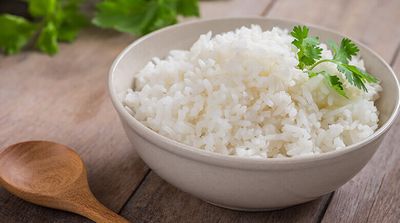
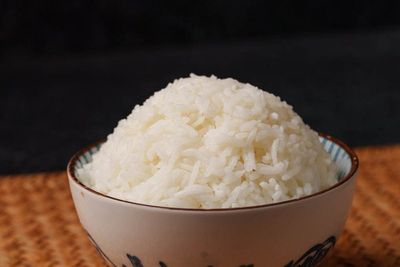
Chinese steamed rice exemplifies the power of patience and precise technique. The key principle is using high heat initially to evaporate surface water visibly (watching for characteristic "crater" pattern), then radically reducing heat to allow gentle steaming. The lid must never be opened during steaming; this breaks the seal and ruins the delicate cooking process. The result is fluffy rice with grains that remain separate, never mushy or sticky. Long-grain rice (jasmine or basmati) works best; short-grain varieties retain excess moisture and become sticky regardless of technique.

35 minutes Serves1
Tahina Dip

Tahina Dip

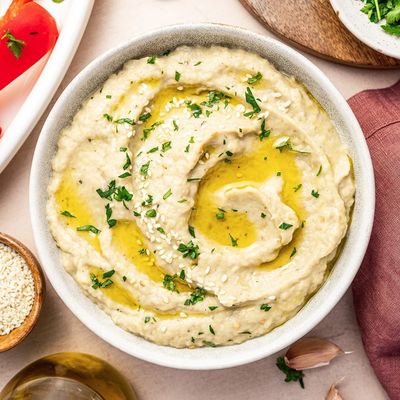
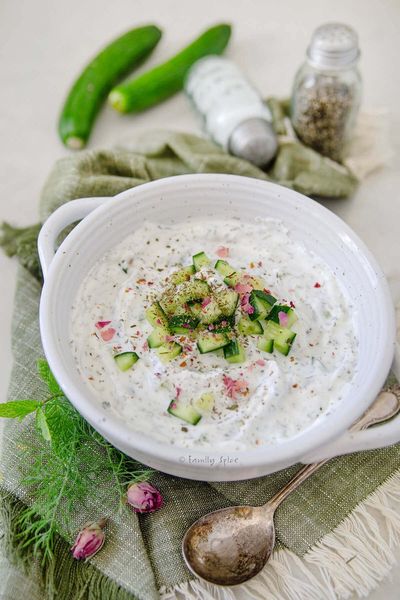
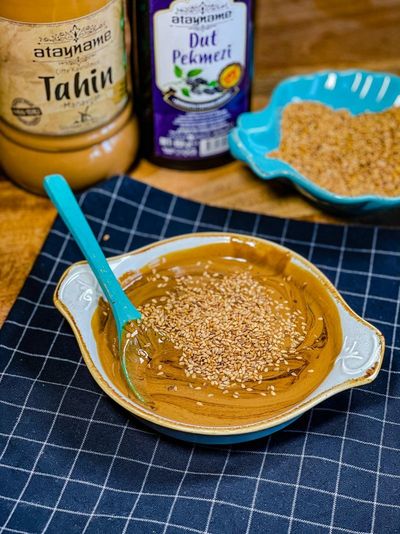
Tahina dip is the essence of simplicity: sesame seed paste, crushed garlic, fresh lemon juice, and water combined into silky, pourable consistency. Unlike hummus (which combines chickpeas with tahina) or tahina bi lemon (which uses fewer ingredients), this version is tahina-forward, allowing the sesame paste's complex flavor to shine. The crushed garlic provides pungency that tempers the richness, while lemon juice adds brightness and prevents the dip from tasting flat. Water transforms thick paste into pourable dip through careful gradual addition. The result is elegant, versatile, and perfect alongside warm pita, raw vegetables, or as an accompaniment to grilled meats.

10 minutes Serves200
Tandoori Broccoli, Cauliflower & Red Onion

Tandoori Broccoli, Cauliflower & Red Onion

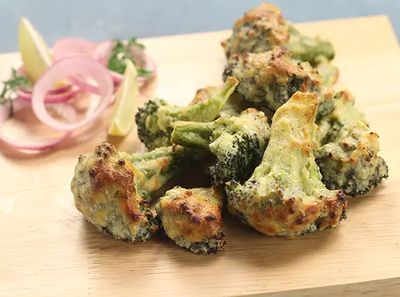
These are grilled vegetables with spiced coating, crispy outside, tender inside. Par-cooking prevents the vegetables from drying out on the grill; the gram flour coating becomes golden and fragrant. The yoghurt adds richness and helps the spices cling; the lemon juice adds brightness. This is satisfying enough to serve as a starter or vegetarian main course, yet simple enough for a weeknight side. Serve warm or at room temperature.

30 minutes Serves4
Tandoori Chicken Tikka

Tandoori Chicken Tikka

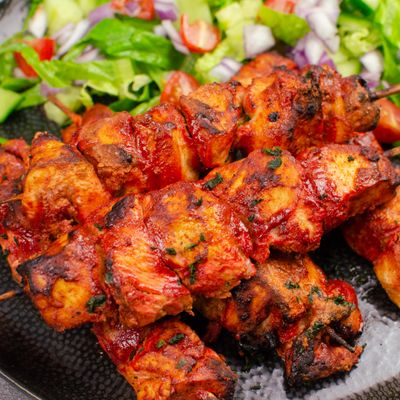
Tandoori Chicken Tikka is restaurant-quality barbecue, sophisticated yet accessible. The chicken undergoes a two-stage marinade: first, a quick acid and spice bath to begin tenderizing; second, a rich yoghurt-based marinade infused with warming spices, fresh herbs, and umami-rich Parmesan. The extended marination (up to 48 hours) allows deep flavor penetration and tenderness. The result is succulent, fragrant, lightly charred chicken with a burnished exterior and a creamy, spiced crust. Serve with lemon and fresh coriander.

5 minutes Serves4
Tandoori King Prawn

Tandoori King Prawn

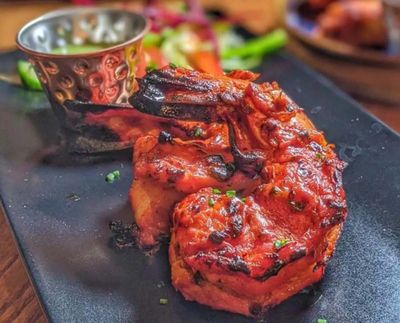
Tandoori King Prawns are elegant, restaurant-quality appetizers or mains. The prawns undergo two rapid marinades: first, an oil-based bath with garlic, ginger, and turmeric to season quickly; second, a creamy, spiced marinade with yoghurt, cream cheese, and fresh herbs for silky texture and depth. The double approach respects the delicate nature of prawns while ensuring flavor on all sides. The brief cooking (5-8 minutes) preserves succulence. Serve with lemon and herbs. This is luxurious seafood preparation made simple.

43 minutes Serves4
Thin Blue Corn Cakes

Thin Blue Corn Cakes

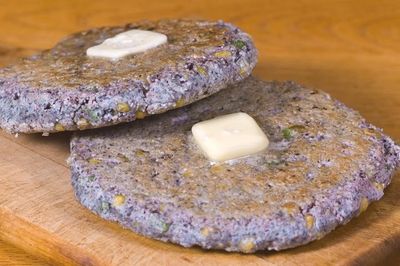
Fine blue cornmeal whisks with hot water, a pinch of baking soda (substituting for juniper ash), salt and a small amount of plain flour for handleability. The batter rests for 10 minutes to hydrate. A wide non-stick pan or flat griddle heats over medium-high without oil. Tablespoon portions of batter spread thinly across the pan with a wet hand or thin spatula into 18 cm rounds. Each cooks for 1 minute per side, lifts off the pan, and stacks under a cloth to stay soft.

20 minutes Serves4
Three-Bean Salad

Three-Bean Salad

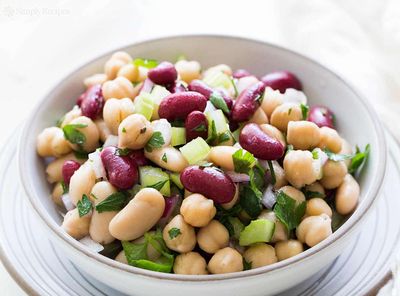
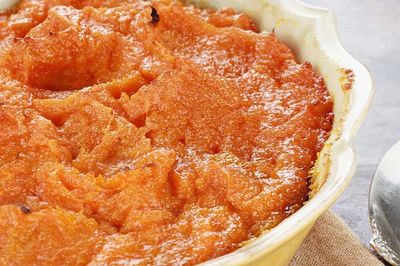
Three-bean salad is one of those quietly enduring American classics that has been served at potlucks, church suppers, and Memorial Day cookouts since at least the 1950s. It rose to ubiquity through community cookbooks and the back of tinned-bean labels, and it has held on because it ticks every potluck virtue: it travels well, gets better as it sits, costs almost nothing, and feeds a crowd without fuss. The flavour is built on contrast. Soft, starchy beans soak up an assertive sweet-sour vinaigrette of cider vinegar, sugar, and oil, while crunchy green beans and the pungent bite of red onion keep the texture lively. There is a sweetness to it that can surprise first-timers, but that gentle candy-vinegar note is exactly the point. It is what defines this salad and what makes it sing alongside grilled meats, fried chicken, hot dogs, and barbecue. Difficulty is minimal, which is part of its old-fashioned charm. The only rules are to use good tinned pulses, rinse them thoroughly, and give the salad plenty of time in the fridge so the beans drink in the dressing. Made the day before, it transforms from a tidy mix of beans into something deeper and more harmonious, and it will keep happily for days, making it one of the most cookout-friendly sides you can have ready in advance.
20 minutes Serves8
Three-Cheese Bourekas

Three-Cheese Bourekas

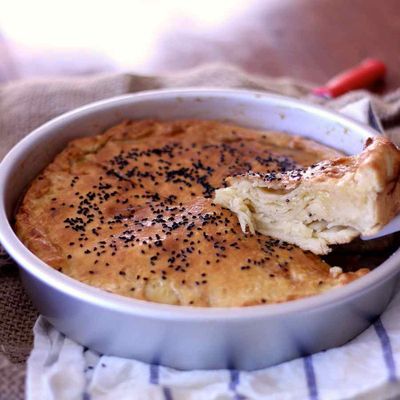
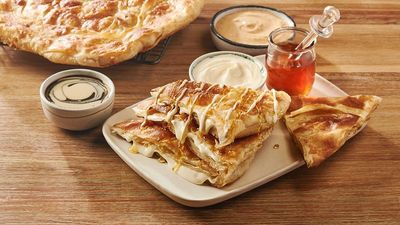
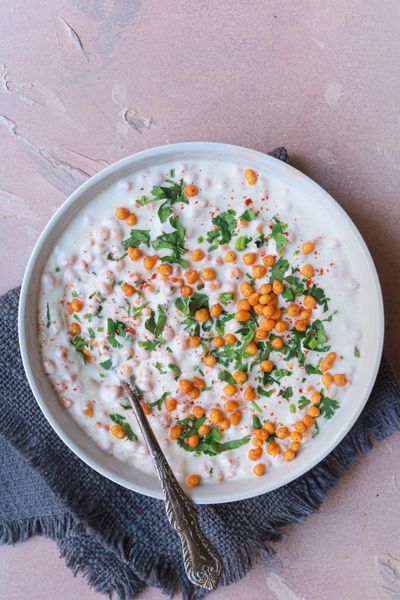
Ready-rolled puff pastry cut into squares; a generous spoon of a three-cheese filling on one corner of each; the opposite corner folded across to form a triangle; edges pressed and crimped with a fork to lock the filling in. Brushed with beaten egg, scattered with sesame, baked hot until puffed and deeply gold. The filling stays soft and salty against the buttery crisp pastry. To eat them properly, split each triangle along the long folded side and stuff with a slice of hard-boiled egg, a smear of harissa and a few pickled cucumber rounds - the classic Tel Aviv bakery breakfast.
45 minutes Serves4-6
Tomato and Basil Sauce

Tomato and Basil Sauce

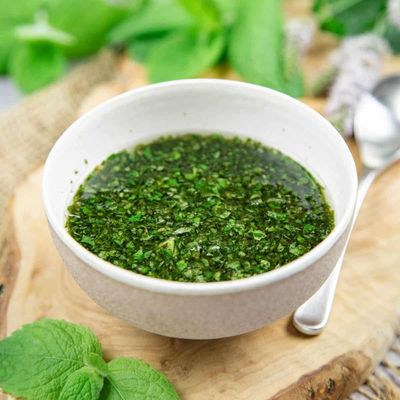
Tomato and basil salsa is a rustic Italian preparation that celebrates the quality of its primary ingredient: ripe, flavorful tomatoes. The supporting cast, capers, black olives, and lemon juice, merely emphasizes tomato's natural acidity and sweetness without overwhelming. Generous olive oil creates body and richness, while fresh basil added at the final moment introduces herbaceous brightness. The salsa benefits from an hour of resting before service, during which flavors meld and deepen. However, the fresh basil must be added only at the final 30 minutes before serving to preserve its aroma and color.

10 minutes Serves300
Turmeric Chickpea Purée

Turmeric Chickpea Purée

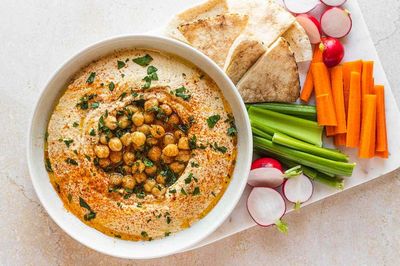
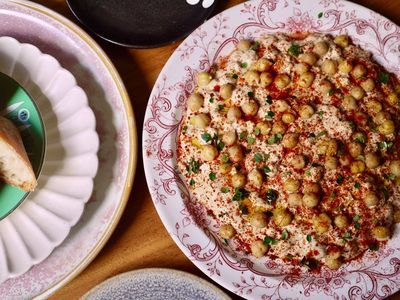
Hummus is the simplest and most elegant of Middle Eastern dips: cooked chickpeas reduced to silky purée through long cooking and blending, enriched with olive oil, brightened with lemon juice, and warmed subtly with turmeric. Unlike Western versions that often include tahini (making them hummus bi tahina), traditional plain hummus celebrates the chickpea itself. Success requires patience in cooking the chickpeas until they're absolutely tender (allowing them to purée to silky consistency), careful sourcing of dried chickpeas (which yield better texture than canned), and quality olive oil for finishing. The result is a dip that's refined yet deeply satisfying, perfect as part of a mezze spread or simply with warm pita and olives.

8 hours Serves400
Watermelon-Feta Salad

Watermelon-Feta Salad

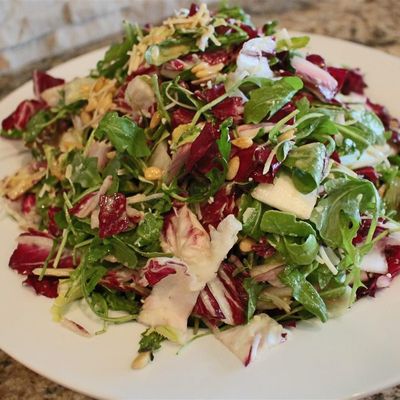
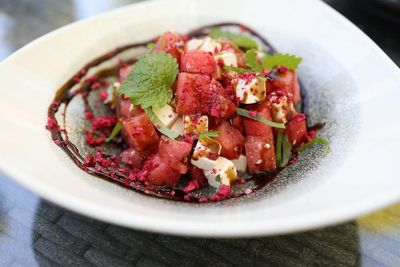
Watermelon and feta sounds, on paper, like a culinary trick that should not work. It came to prominence in the United States through chefs influenced by eastern Mediterranean and Greek traditions, where briny cheese paired with sweet fruit has been quietly understood for centuries. By the early 2000s it was a staple of American summer entertaining, gracing magazine covers and barbecue spreads from California to the Hamptons, and it has earned its place because the contrast is so beautifully balanced. The flavour is built on three opposing notes pulling against each other: the candied sweetness of ripe watermelon, the salty, almost sheepy tang of crumbled feta, and the green, cooling sting of fresh mint. A squeeze of lime and a slow trickle of peppery olive oil tie it all together, while finely sliced red onion adds a sharp savoury bite that keeps the salad from leaning too sweet. There is no cooking involved, so success depends entirely on ingredient quality. The watermelon must be properly ripe, deep red and heavy for its size, and the feta should be the real Greek kind packed in brine, not the dry crumbled supermarket variety. Difficulty is essentially zero, but timing matters. Assemble this just before serving, because watermelon weeps quickly once cut and salted, turning the bowl pink and watery if left to sit.

15 minutes Serves6
Yorkshire Puddings

Yorkshire Puddings

A batter of equal volumes of plain flour, eggs and whole milk (and a pinch of salt) is whisked to a smooth thin consistency, like single cream. Rested for 30 minutes (overnight is even better). A muffin tin or pudding tin is given a teaspoon of beef dripping (or vegetable oil) in each well; the tin goes into a screaming-hot 230°C oven for 8 minutes until the fat is smoking. The batter is poured into the smoking-hot fat, it should hiss and bubble immediately. Back in the oven for 22 minutes, undisturbed (never OPEN THE DOOR). The Yorkshires rise dramatically into puffed golden cups. Served immediately, they collapse as they cool.
57 minutes Serves4