Italian

A tale of regions, where the same dish changes character every fifty miles: northern butter and rice, central pasta and pork, southern tomatoes, olives and seafood. Herbs (basil, rosemary, sage) and aged cheeses balance simple sauces against long-cooked ragùs. Hand-rolled pasta, slow braises, wood-fired baking and the patient build of risotto define the techniques.

85 recipes

Browse by section

Recipes

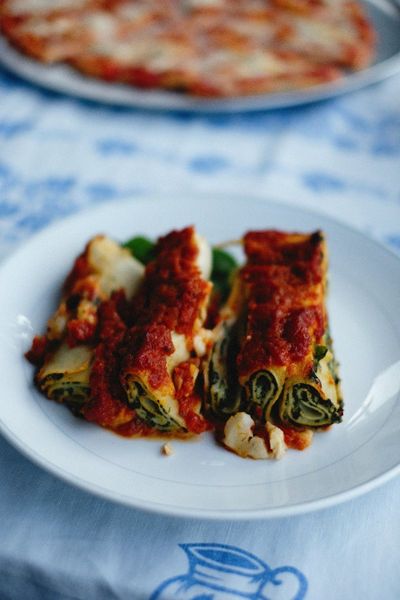
Cannelloni Filled with Rocket, Spinach, and Ricotta Cheese

Cannelloni Filled with Rocket, Spinach, and Ricotta Cheese

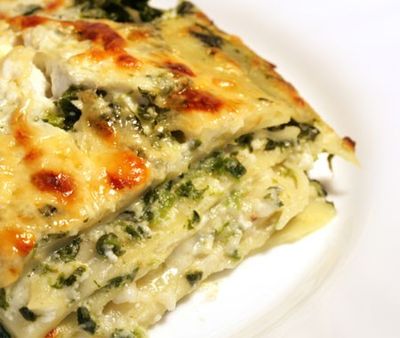
This layered pasta masterpiece begins with fresh, delicate pasta sheets encasing a creamy, herbaceous filling. Ricotta and rocket provide lightness and peppery freshness, while spinach adds earthiness and color. The whole affair is bound with silken béchamel, enriched with tomato passata, and finished with a Pecorino crust that turns golden and crispy in the oven, a true celebration of Italian cooking.

28 minutes Serves6-8
Pesto

Pesto

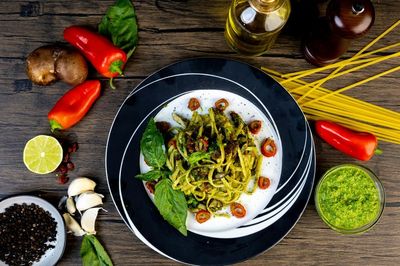
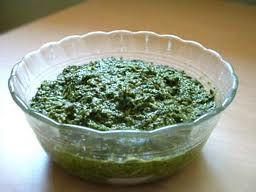
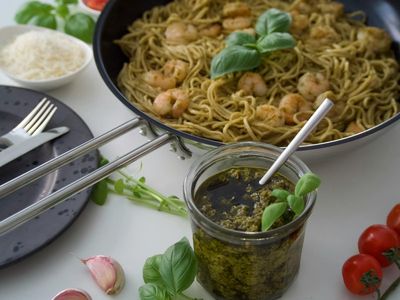
Pesto represents the height of simplicity: five ingredients (basil, garlic, pine nuts, olive oil, Parmesan) combined to create a sauce of profound flavor and silky texture. The key to successful pesto lies in ingredient quality and processing technique. Fresh, fragrant basil is non-negotiable; aged or heat-stressed basil creates harsh, off-flavored results. Pine nuts must be fresh (rancid pine nuts ruin pesto instantly). Garlic should be mild and rounded by the pesto's other elements. Parmesan must be freshly grated; pre-grated cheese creates a grainy, inferior result. Traditional pesto is made by mortar and pestle, which bruises rather than cuts the basil, preserving its vibrant green color and fresh character. Modern food processors work adequately but can create a less vibrant result if over-processed.

20 minutes Serves180
Pollo Alla Diavola

Pollo Alla Diavola

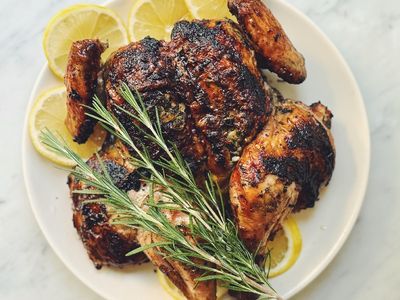
Two things define the dish: ferocious black pepper and dried chilli (the "diavola" is both flavour and theatre), and the crackling-glassy skin that only comes from pressing the bird flat onto screaming-hot cast iron. The marinade is olive oil, lemon zest, smashed garlic, coarsely cracked peppercorns, peperoncino and rosemary, aromatic, sharp, properly spiced but never one-note. When the chicken hits the pan you get a wave of rosemary-and-pepper smoke; the lemon comes through later, brighter, especially when the cut halves are charred alongside. The technique looks intimidating (spatchcock, brick, smoking pan) but it's one of the more forgiving things you can do with a whole chicken: the weight forces consistent contact, the marinade tenderises, and the temperature is high enough that timing has real tolerance. A standard of Roman trattorie and the Tuscan summer grill, where both regions claim it; one origin story says the name comes from the devilish pepper, another says it's the way the bird is "tortured" flat under weight. Either way, it's a centuries-old solution to cooking a whole bird quickly over an open fire.
3 hours Serves4
Restaurant-Style Ragù

Restaurant-Style Ragù

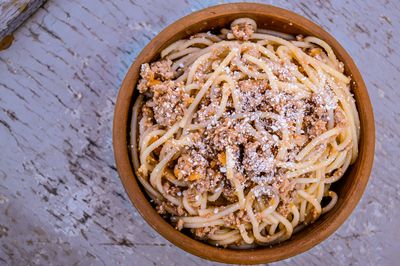
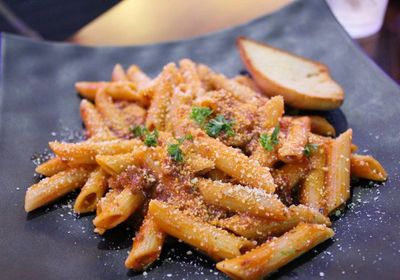
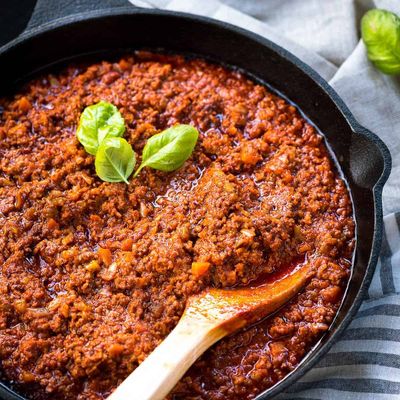
True ragu demands patience, precision, and respect for the process. Ground beef (or a beef and pork mix) browns deeply in batches to build caramelization without steaming. Aromatic vegetables soften slowly until sweet. Tomato paste darkens and concentrates its flavor through caramelization. Red wine deglazes and cooks off. Then comes the long, gentle simmer, 1 hour 45 minutes to 2 hours, where flavors meld and deepen into something far greater than the sum of its parts. This is not a quick sauce; it is an investment in excellence.
24 minutes Serves4