Jamaican

Spicy, smoky cooking, fusing African, Indian and British colonial influences with native ingredients. Allspice, scotch bonnet, thyme, ginger and lime drive jerk marinades; coconut and beans anchor rice and one-pot stews. Slow grilling over pimento wood, escovitch frying and patient simmering of curries and stews carry the flavour.

27 recipes

Browse by section

Recipes

Authentic Jamaican Curry Chicken

Authentic Jamaican Curry Chicken

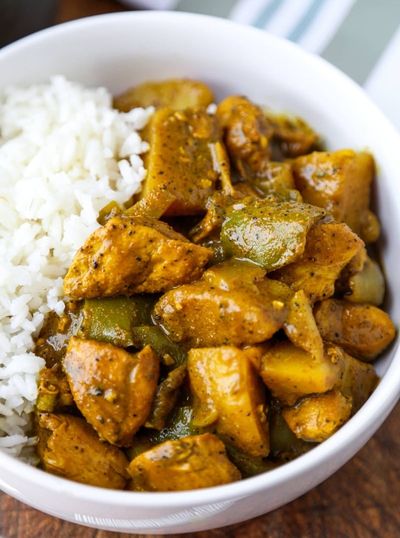
Jamaican curry sits in its own corner of the global curry map: heavier on turmeric and allspice than Indian Madras, lighter on cumin, and built on a technique called "burning the curry" that gives the dish its character. The technique is exactly what it sounds like, dry curry powder hits hot oil and is stirred for 30 seconds until it darkens from yellow to deep gold and smells like toasted spice. That move concentrates the flavours and removes any raw edge. The finished stew is bright yellow stained slightly orange, savoury and aromatic rather than searingly hot, with thyme and a whole pierced Scotch bonnet scenting the gravy without flooring it. Smell: bloomed curry powder, allspice, browned chicken fat. Not difficult, but requires confidence in the 30-second bloom (under-do it and the dish is flat; over-do it and you have to start over). A Sunday-dinner staple across Jamaica and the diaspora, served over white rice with the gravy spooned generously over.
2 hours 30 minutes Serves4
Brown Stew Chicken

Brown Stew Chicken

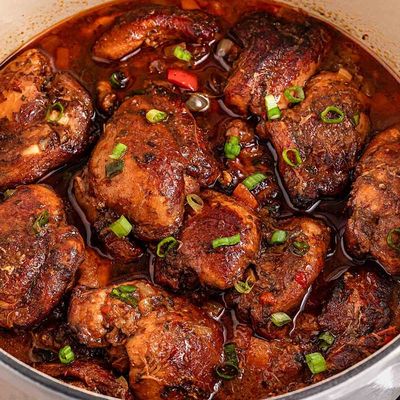
The Sunday-lunch counterpart to goat curry across Jamaica; not curry-driven but built on a deep mahogany gravy that gets its colour from caramelised brown sugar and a few teaspoons of bottled "browning sauce" (Grace is the canonical brand, a concentrated burnt-sugar syrup that's a kitchen staple in every Jamaican household). The chicken is bone-in, marinated overnight in a wet rub of onion, bell pepper, scallions, allspice, ginger and thyme, then browned hard and slow-braised until the meat slips off the bone. Flavour is savoury and slightly sweet with a deep thyme back-note and a whisper of Scotch bonnet heat from the whole pierced fruit in the pot. The gravy is what you actually want; thick, dark, sweet-savoury, glossy with rendered chicken fat, the kind of gravy you'd happily eat over plain rice as its own meal. Smell is browning sugar, thyme, and the unmistakable allspice signature. Patient cooking but easy: marinate the day before, then 30 minutes of active prep and 2 hours of unattended braise. The pairing with [[rice-and-peas]] is non-negotiable across Jamaican households.

4 hours 30 minutes Serves4
Brown Stew Shrimp and Sweet Potato Grits

Brown Stew Shrimp and Sweet Potato Grits

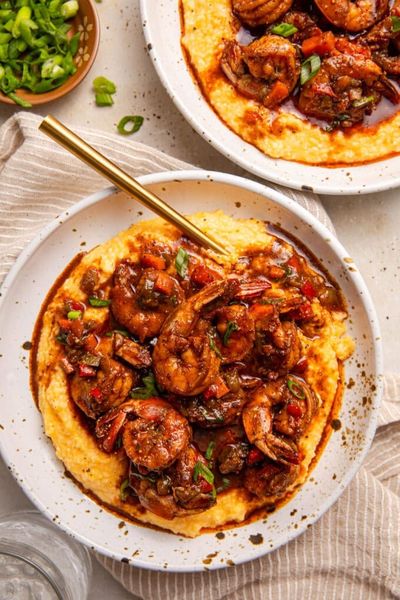
A Caribbean-Southern crossover that works because both traditions cook in a similar register: butter, peppers, alliums, slow heat, savoury depth. The brown stew base on top of the dish is Jamaican, bell peppers, carrot, Scotch bonnet, ginger, browning sauce, that mahogany-coloured gravy with the unmistakable allspice-and-thyme signature, and the bed underneath is from Lowcountry Charleston, where sweet potato grits enriched with butter, half-and-half and gouda are a long-running modern Southern restaurant standard. The shrimp themselves are quick-cooked and sweet, picking up the brown stew sauce. Two textures stacked: silky-rich grits, brothy stew on top with bite from the diced peppers and carrot. Smell is sweet-onion-and-browning-sugar over the corn-sweet base of the grits. Not difficult but it's two pans running at once, so timing matters; the grits hold on a low warm setting while the shrimp cook quickly. A modern fusion rather than a traditional dish, popularised by Black American chefs in the 2010s exploring the points of overlap between Lowcountry and Caribbean cookery.

1 hour Serves4
Caribbean Chicken Soup

Caribbean Chicken Soup

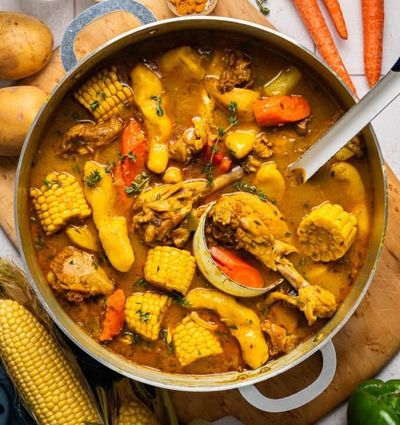
Saturday-soup in Trinidad, Guyana and Jamaica is a category rather than a single recipe; the structure is always the same (curry-and-allspice-seasoned chicken, root vegetables, hand-rolled dumplings, a thickened broth), and the specifics vary household by household. This is the Jamaican lean: pumpkin in the broth as the thickening agent (Grace pumpkin soup mix is the household shortcut), coconut milk for richness, allspice and thyme for the Caribbean signature, and a single pot that's a complete meal. The dumplings are the soul, small hand-rolled cornmeal-and-flour batons that go in last and cook in the broth, slightly bouncy, slightly chewy, picking up the surrounding flavour. The broth is golden-orange from pumpkin and curry, rich without being heavy, with corn-on-the-cob rounds and chunks of Yukon Gold potato giving substance. Smell when you lift the lid is curry, allspice and sweet pumpkin. Easy if you've made stews before, with two hours of mostly-passive simmering. Eaten year-round in Caribbean households as the dependable one-pot meal; nominally a Saturday dish but no Caribbean grandmother would refuse you a bowl on a Tuesday.

2 hours 35 minutes Serves8
Cheesy Jerk Chicken Nachos

Cheesy Jerk Chicken Nachos

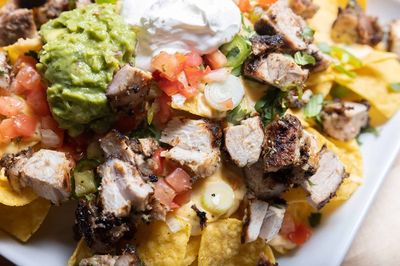
A Caribbean-American fusion that works because both food cultures speak the language of "everything on one tray". The base is American nachos: tortilla chips, melted cheese, black beans. On top sits jerk-marinated chicken thigh, which carries the dish's flavour, allspice, Scotch bonnet, nutmeg, cinnamon, thyme, soy and brown sugar blended into a wet jerk paste, marinated into the meat overnight, then oven-baked and sliced. The fresh element on top is a Trinidadian-style fruit chow: diced mango, pineapple, red bell pepper and red onion dressed with lime juice and cilantro. The chow is what makes this work; without it the nachos are just spicy meat-and-cheese, with it the dish has acid, crunch and sweetness to cut through the richness. Smell is melted cheese hitting jerk seasoning, with a citrus-tropical lift from the chow on top. Not difficult but it's three components running on different timelines, so plan ahead. A modern party-and-Super-Bowl-tray dish rather than something a Kingston grandmother makes, popularised by Caribbean-American food bloggers in the 2010s.

5 hours 30 minutes Serves4
Grilled Jerk Chicken Thighs

Grilled Jerk Chicken Thighs

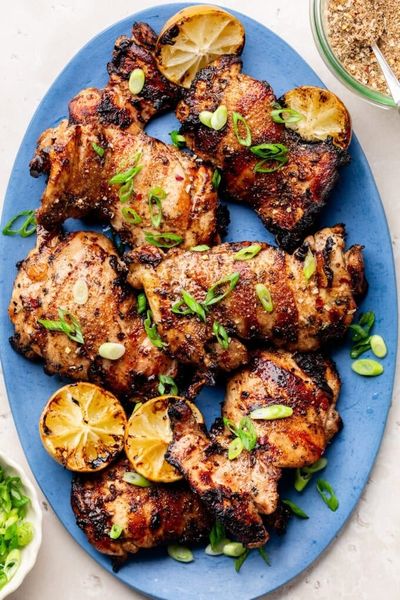
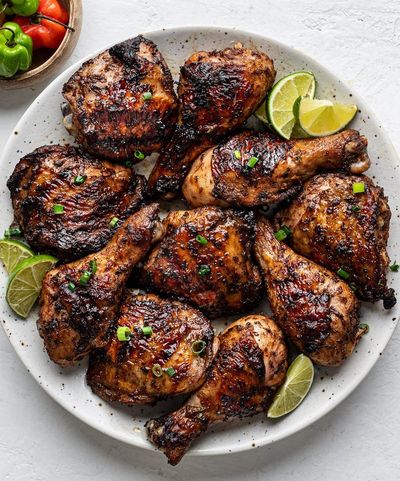
The dish lives or dies on the jerk marinade and on whether the chicken takes a proper char without drying out. The marinade here is jerk seasoning (homemade or Walkerswood, which is the canonical bottled brand) thinned with full-fat coconut milk and brightened with lime; the coconut milk is the technical move, it tames the heat, lubricates the meat, and helps the surface caramelise rather than blacken. Flavour is warm-piney from thyme and allspice, fiery from Scotch bonnet, slightly sweet from the browning sauce, deeply savoury once it hits high heat. Smell is unmistakable jerk: allspice smoke and pepper. Quick to cook once the marinade has done its work overnight, 15 minutes on a hot grill, 5 minutes rest. Originated on the eastern end of Jamaica (Boston Bay in Portland) where the Maroons, descendants of escaped enslaved Africans, developed a dry-rub-and-slow-smoke method over pimento wood; the modern grilled version is the home-kitchen adaptation that doesn't require a pimento-wood pit.

30 minutes Serves6
Jamaican Beef Patties

Jamaican Beef Patties

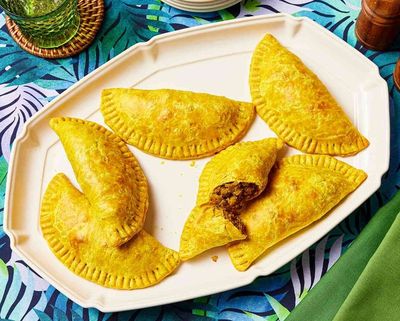
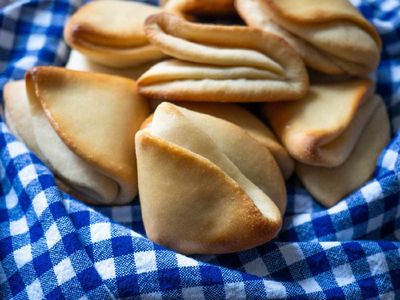
A handheld pastry that looks like a Cornish pasty but tastes nothing like one. The bright-yellow shell is the giveaway, turmeric and curry powder kneaded into the dough give it both colour and a faint, almost-savoury spiciness on the outside. Inside, the filling is highly seasoned ground beef: allspice, thyme, Scotch bonnet, ginger and scallions cooked into the meat, then loosened with stock and bound at the end with breadcrumbs and small cubes of butter so the filling stays juicy rather than dry-crumbly when it hits the pastry. The shatter on the pastry is the technical marker; flaky, layered, and slightly sweet from the sugar in the dough. Smell out of the oven is curry-powder-toasted butter. Not difficult, but it's a two-component dish (pastry + filling) and each component wants its own time, the dough chills, the filling cools, so plan for 90 minutes minimum. Sold from patty shops across Kingston, Toronto, London, Brooklyn and beyond; the Caribbean diaspora carried the patty further than just about any other Jamaican dish.

2 hours Serves8
Jamaican Curry Chicken Wings

Jamaican Curry Chicken Wings

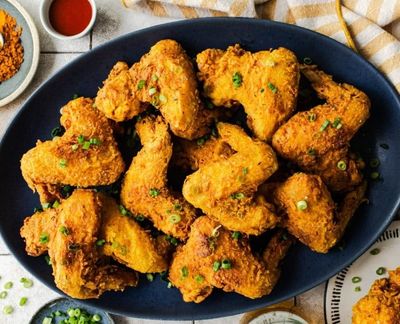
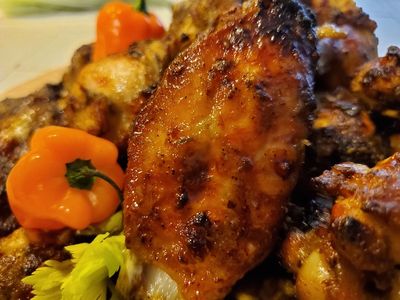
Buttermilk-fried wings in the American Southern tradition, with a Caribbean accent twice over: Jamaican curry powder folded into both the marinade and the dredge, and a pinch of allspice in the breading. The flavour is warm and earthy rather than sharp, turmeric and allspice are the dominant notes, with Creole Cajun seasoning bridging the Caribbean and Louisiana sides of the dish. The cornstarch in the dredge is the technical move; mixing flour with about 15% cornstarch produces a thinner, crisper, more crackly crust than flour alone, the same trick Korean fried chicken uses. The buttermilk overnight brine tenderises and lets the flavour penetrate down to the bone. Smell out of the fryer is curry powder hitting hot oil. Not difficult but you need patience: 6-hour marinade minimum, careful oil temperature management (165°C / 330°F is lower than typical fried chicken; the wings need long enough to cook through to the bone before the crust browns). A clear example of cross-pollination between Jamaican kitchens and the American South.

6 hours 45 minutes Serves4
Jamaican Goat Curry

Jamaican Goat Curry

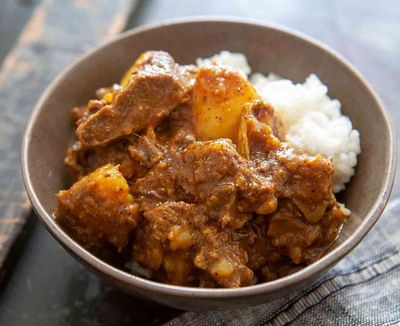
A deep, brick-yellow gravy stained with turmeric and allspice (called pimento in Jamaica, confusingly, nothing to do with the pepper of the same English name). The taste is layered: the curry powder hits first, then the slow heat of Scotch bonnet, then a sweet-piney back-note from allspice and thyme that's unmistakably Caribbean rather than Indian. The goat is the point; bone-in shoulder or leg, braised until the bones loosen and the connective tissue melts into the gravy and gives it body without any flour or roux. Patient cooking but not difficult: brown the meat, bloom the curry powder until it darkens to brown, then leave it alone for two hours. The whole pierced Scotch bonnet sits in the pot scenting the gravy and is fished out before it ruptures, so the heat stays controllable. Came to Jamaica via Indian indentured labourers in the 1840s, then got reshaped by what the island already had: thyme, pimento, scotch bonnet, and the Saturday-evening habit of putting a pot on to braise for Sunday lunch. Day-2 goat curry is better than day-1, which is why every Jamaican grandmother starts it on a Saturday.

4 hours 55 minutes Serves4-6
Jerk Chicken

Jerk Chicken

A wet jerk paste: scotch bonnet chillies, garlic, ginger, spring onions, thyme, allspice (whole or ground), brown sugar, soy sauce, lime, oil, salt and pepper, pureed in a blender. The chicken (bone-in skin-on thighs and drumsticks, or spatchcocked whole bird) marinates for 12 hours minimum. Slow-grilled over indirect heat with a pile of pimento wood chips or allspice berries on the coals for the signature smoke; alternatively, an oven-bake at 180°C with a final blast under the grill, supplemented with allspice in the marinade.

13 hours 5 minutes Serves4
Jerk Meatballs in Coconut Curry Sauce

Jerk Meatballs in Coconut Curry Sauce

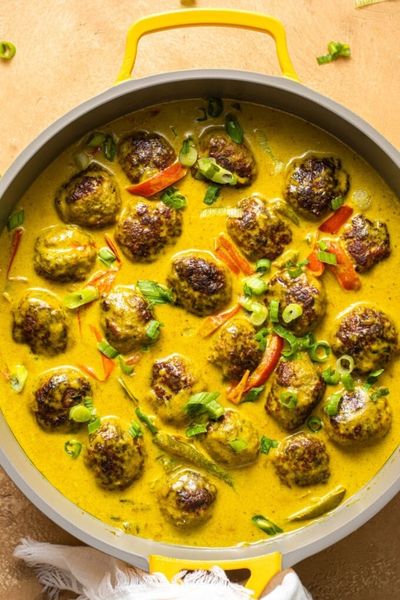
Two strong Caribbean flavours pulled into a single one-pan dinner: jerk on the inside (in the meatballs), curry on the outside (in the sauce). The meatballs are pork rather than the more common beef, which suits jerk better, pork carries the allspice-and-Scotch-bonnet seasoning the way it was historically intended (the Maroons of eastern Jamaica originally jerked wild boar, not chicken). Around them sits a coconut-curry sauce: shallot, garlic, sweet bell peppers, Jamaican curry powder bloomed briefly in butter, then full-fat coconut milk to mellow everything into something almost ice-cream-rich. The two flavours sit alongside each other rather than fighting, the jerk reads spicy-savoury, the curry reads sweet-aromatic, and a bite that includes both is genuinely better than either alone. Smell is curry powder bloomed in coconut milk, deeply Caribbean. One of the easier dishes here, 50 minutes start to finish, all in one pan, and a modern Black-American food-blogger creation rather than a traditional Jamaican dish; the cross-pollination is the point.

50 minutes Serves4
Slow-Cooker Jerk Chicken Tacos

Slow-Cooker Jerk Chicken Tacos

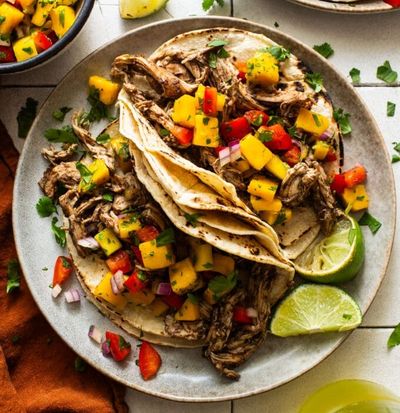
A workday cross-cultural dinner that adds the Caribbean to the Tex-Mex format: jerk-marinated chicken (slow-cooked to fall-apart tender) shredded into warm tortillas, topped with a fresh mango salsa. The slow cooker is the technical workaround, traditional jerk wants grilling or smoking, but a 6-hour low-heat braise in Walkerswood jerk paste, browning sauce, allspice and lime gives the meat similar depth without the grill. The Walkerswood paste is the canonical bottled jerk; the mild version is the recommended choice here because the heat would otherwise be overwhelming with so much marinade. The salsa is the second half of the dish; sweet mango, sharp red onion, crunchy bell pepper and cilantro, dressed with lime, it's bright and crisp and cuts through the rich shredded chicken underneath. Genuinely set-and-forget cooking, 20 minutes of prep, 6 hours of nothing, and the result eats like something that took much longer. A modern fusion dish, popularised by American-Caribbean food bloggers in the 2010s, with no claim to traditional authenticity beyond the jerk seasoning itself.

10 hours 20 minutes Serves8
Spicy Garlic Cookout Wings

Spicy Garlic Cookout Wings

The Black American family-cookout hot wing distilled to its essentials: Frank's RedHot, butter, fresh garlic, time. The Frank's-and-butter pair is the basis of every classic Buffalo wing, and adding finely minced fresh garlic (a lot of it, almost too much) is what makes this version specifically a cookout wing rather than a bar wing. The sauce wants 15-30 minutes of patient simmering uncovered to thicken into a proper glaze; thickening from time, not from any added flour or starch, gives a glossy sauce that clings to grilled skin without going gummy. Wings hit a hot grill, cook a few minutes, get basted, flip, cook, baste again, the sauce caramelises in layers and the skin goes glassy. Flavour is sharp vinegary heat from the Frank's, fat from the butter, and a deep mellow sweet-roasted note from the garlic. Smell is garlic and vinegar hitting fire. Easy enough that this is the wing your grandfather makes at the family barbecue, but the patience on the sauce is what separates good cookout wings from great ones. The dish is a Black American family-gathering classic, sat across cookout tables from Brooklyn to Memphis to Atlanta.

40 minutes Serves4