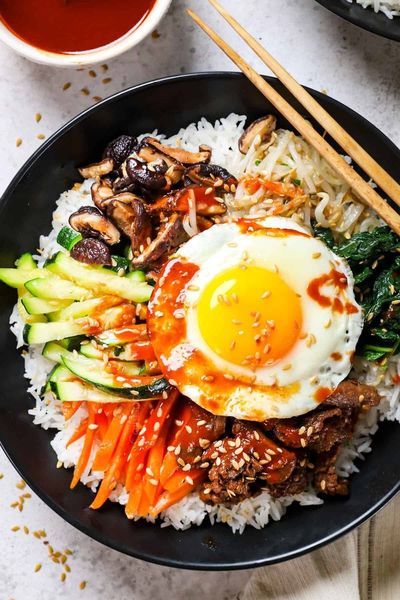
Bibimbap
Each vegetable cooks separately and gets dressed with sesame oil, garlic and soy. They arrange in colourful piles around a mound of rice; an egg fries on top. Gochujang sauce on the side. Diners mix vigorously before eating.
Korean
Tap a chip to add another filter, or use Clear all below.
Each vegetable cooks separately and gets dressed with sesame oil, garlic and soy. They arrange in colourful piles around a mound of rice; an egg fries on top. Gochujang sauce on the side. Diners mix vigorously before eating.
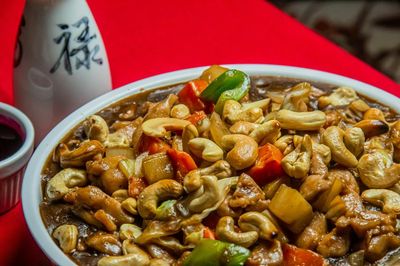
This dish exemplifies the Chinese penchant for contrasting textures. Tender succulent pieces of chicken are paired with sweet, crunchy cashew nuts and a delicate sauce. While the original Chinese version would have used peanuts (as cashews were not traditionally featured in Chinese cookery), this adaptation showcases how the cuisine evolves while maintaining its core philosophy of textural harmony.
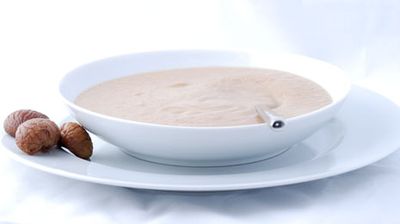
A hearty Spanish soup featuring sweet chestnuts paired with spicy chorizo sausage, caramelized vegetables, and warming spices. The saffron adds a subtle earthiness, creating a comforting autumnal dish with rich, smoky flavors.
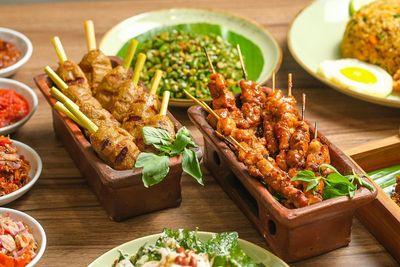
When cooking Chinese food, it's essential to think about the flavours and textures of ingredients working in harmony. Juicy chicken combined with succulent baby corn, tender vegetables, and salty, crunchy cashew nuts create a balanced dish where each element complements the others. A glossy sauce ties everything together without overwhelming delicate flavours.
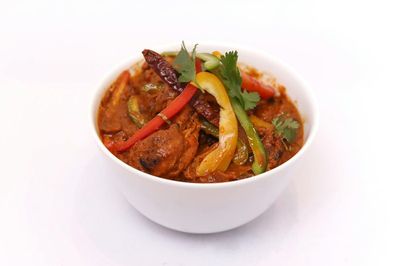
Spicy, thin jungle curry from Chiang Mai, traditionally made with jungle ingredients and game meat. No coconut milk; features a clear, flavorful broth with chicken and vegetables. Serve with sticky rice.
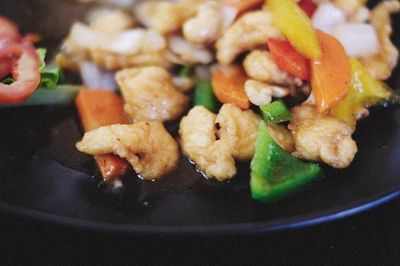
This is a hugely popular dish at Thai restaurants and takeaways, and my family love it. It is important to cut the chicken pieces so that they are about the same size as the cashews (although this is more for presentation as large chunks also work fine). You can mix the sauce and fry the cashews, chillies and chicken a day or so in advance, making this a dish you can cook up very quickly after work with little mess. The first time I tried making this recipe, I burnt the cashews and chillies. Don’t make the same mistake or you’ll have to start all over again. They don’t take long to colour in the oil and cashews aren’t cheap, so keep an eye on them. Although there’s nothing stopping you from doing so, the dried and fried chillies are not meant to be eaten. I like to serve this curry with jasmine rice.
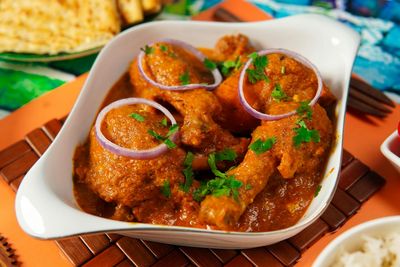
A xacuti masala is built by dry-roasting fresh coconut to a deep mahogany brown alongside a long list of whole spices (Kashmiri and byadgi chillies, coriander, cumin, fennel, peppercorns, cinnamon, cloves, star anise, mace) and grinding them with onion, garlic and ginger into a black-brown paste. The chicken is browned briefly, the paste added, water poured in to cook the chicken through, and tamarind stirred in to finish. The trick is in the roast: the coconut should be almost-burnt, with the bitterness offset by the tamarind.
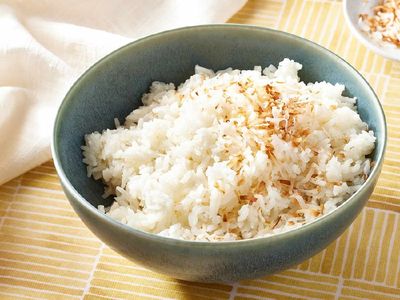
Plain steamed rice (often last night's leftovers) is the base. A hot temper of mustard seeds, urad dal, chana dal, cashews, dried red chilli and curry leaves is bloomed in coconut oil, then fresh grated coconut is folded in and warmed through. The rice is tossed through everything off the heat, so the grains stay separate and pick up flavour rather than soften.
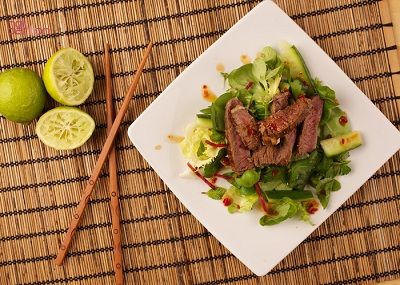
Go Bo Hoi An is a piquant Vietnamese beef salad featuring thinly sliced seared beef tossed with crisp vegetables, fresh herbs, and a bright tamarind-lime dressing. This dish has delicate undertones of lime and garlic which carry through the tamarind flavours perfectly. The combination of tender beef, crunchy vegetables, aromatic herbs, and crispy rice papers creates a textural and flavourful celebration of Vietnamese cuisine. Quick to make but requires advance preparation, ensure the salad, dressing, and toppings are made and ready to use before cooking the beef.
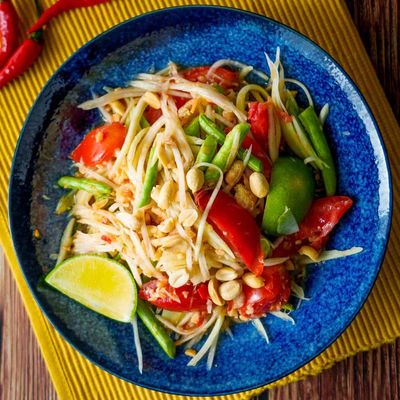
Famous Thai salad (som tum) with sour, sweet, savory, and spicy flavors. Pounded dressing coats crispy papaya and vegetables. Make ahead; won't wilt.
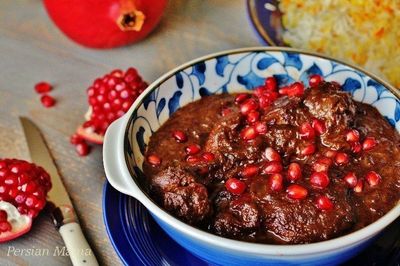
Walnuts are toasted and ground to a paste. Onions are softened slowly with turmeric and saffron; chicken thighs are seared, then poached in a stock that the walnut paste loosens into. Pomegranate molasses, sugar and lemon balance the sauce as it darkens; chicken returns to absorb flavour. Slow-cooked until the oil splits out, the sign Fesenjan is ready.
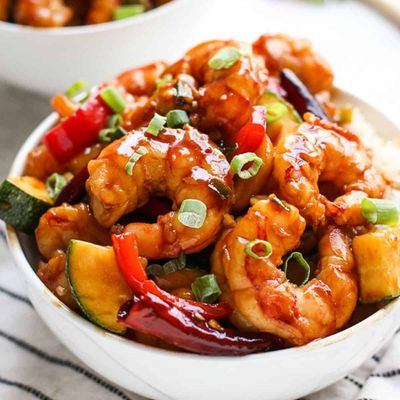
Kung pao (gongbao) shrimp is the seafood cousin of the classic Sichuan gongbao jiding, named for the 19th-century governor-general Ding Baozhen whose title was Gong Bao. Where the chicken version uses diced meat, the shrimp version keeps the prawns whole or halved so they curl into bright pink commas around the chillies and peanuts. The flavour profile is the signature Sichuan "lychee" balance: a touch of sweetness from sugar, sourness from black vinegar, salt and umami from soy, and the warm tingle (ma la) of toasted Sichuan peppercorn paired with the smoky bite of dried er jing tiao chillies. This is a fast dish, fundamentally a wok exercise: every ingredient must be prepped and lined up before the heat goes on, because once the chillies hit the oil you have maybe ninety seconds before everything is overcooked. Difficulty is moderate for a home cook with a working wok and high burner; the trick is keeping the chillies dark red and fragrant without scorching them black, and pulling the shrimp out the moment they curl. Served over plain rice it is one of the most rewarding ten-minute meals in the repertoire.
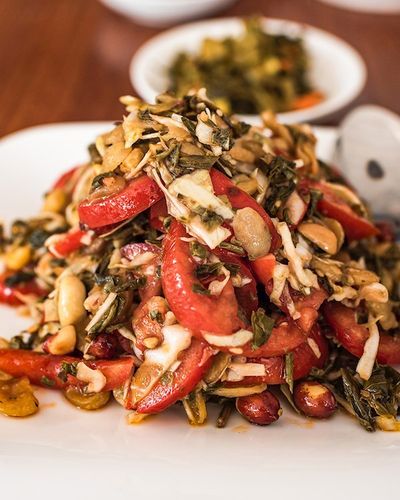
Myanmar's national salad and one of the most distinctive dishes in Southeast Asia: a tossed plate built around lahpet, fermented tea leaves with a sour-bitter pungency unlike anything else you've eaten. You start with pre-pickled tea leaves (sold at South-East Asian grocers; rinse to mellow if they're very sour), pile on shredded white cabbage and diced tomato for crunch and sweetness, then a generous handful of crispy fried things: fried garlic, fried peanuts, fried yellow split peas, sesame seeds. Fish sauce and lime juice toss it all together. Each spoonful is a contrast of soft-bitter tea against crunchy fried things and bright lime. Eaten as a snack at a teashop, an appetiser before dinner, or at the close of a meal as a sign of welcome and reconciliation.
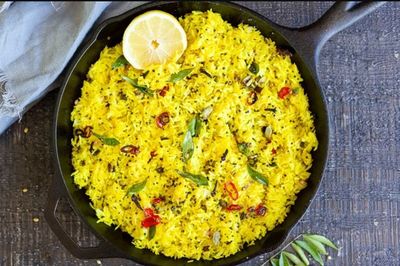
A temper of mustard seeds, chana dal, urad dal, peanuts, dried red chilli and curry leaves is bloomed in sesame oil. Turmeric is stirred in for colour. Cooked, cooled rice is tossed through off the heat, then lemon juice is added at the end so the heat doesn't dull the acidity. Bright lunchbox classic; the dish should taste fresh and tart, not muddled.
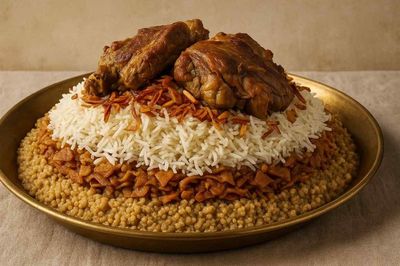
The Saudi gathering platter built for the night when one cut of meat isn't enough. Three proteins share the same pot: lamb shoulder and beef chunks go in first with a kabsa-spiced tomato base for ninety minutes of slow simmer until they're meltingly tender, then chicken pieces drop in for the last thirty-five minutes (their cook time is shorter, so they go in later). The strained meat broth, deeply spiced from everything that has braised in it, becomes the cooking liquid for basmati scented with saffron and dried lime. At the end you arrange all three meats on top of the rice in the same platter and bring the whole thing to the centre of the table. The kind of dish you make for a wedding lunch, an Eid gathering, or the night the extended family arrives unannounced.
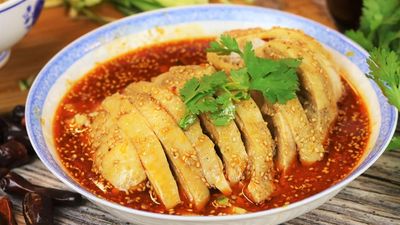
Kou shui ji is one of the great cold appetisers of Sichuan cuisine, a benchmark by which any aspiring Sichuanese cook is judged. It belongs to the broader family of cold chicken dishes (liang ban ji) that also includes bobo ji and bang bang ji, but kou shui ji is set apart by its sauce: not just spicy, but a complex layering of mala (numbing-hot) Sichuan pepper oil, fragrant chilli oil with its crisp sediment, deep aged black vinegar, sweet stone-ground sesame paste, and the concentrated chicken essence captured from steaming. The dish is uncooked at the assembly stage, which makes ingredient quality non-negotiable: cheap supermarket chilli oil and tahini will produce a sad, muddy version. Difficulty for a home cook is low if you have the right pantry; the only technical step is the gentle steaming, which yields more flavourful meat and crucial savoury juices than poaching does. The visual is striking, pale chicken slices half-submerged in a pool of red oil, scattered with chopped peanuts, sesame seeds and bright green scallion tops. Serve as a starter, on rice, or over cold noodles; the leftover sauce is too good to waste.
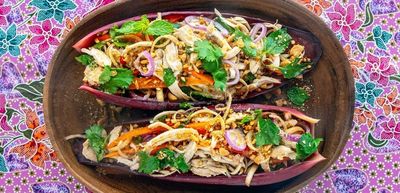
A Cambodian banana flower salad, the kind of bright herby starter that opens a Khmer meal. You slice banana flower thin and submerge it immediately in lemon water to stop the browning (banana flower oxidises within seconds of cutting, going from pale ivory to brown). Tofu cubes (or shredded chicken in the non-vegetarian version) join for substance. Peanuts toast in a dry pan; shallots fry crisp in oil. The dressing is lime, palm sugar, soy and chilli pounded together in a mortar, and everything tosses with fresh herbs at the last minute - mint, coriander, Thai basil, whatever is around. Eaten as a starter or alongside grilled meat, the bitter floral note of the banana flower balanced by the salty-sweet dressing and the crunch of peanuts.
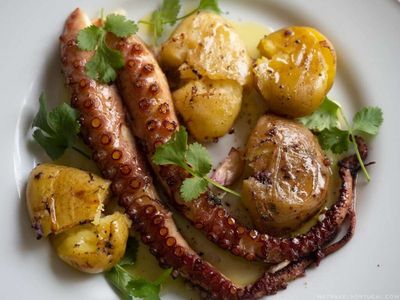
Polvo à Lagareiro is the dish the olive-press workers (the lagareiros) ate at the press during the harvest, and it is still glorious: tender octopus and small smashed potatoes baked together under a generous slick of olive oil. You simmer a whole octopus for an hour with onion and bay until you can pierce a thick part of the tentacle with a knife and feel no resistance. The potatoes parboil, then get punched gently with a wooden spoon so they crack but stay whole. Octopus and potatoes go into a wide oven dish, doused with olive oil, garlic, paprika and bay, and roast hard for 25 minutes so the edges char. The olive oil at the end is not a garnish but the dish itself, and it wants to be the best you have.
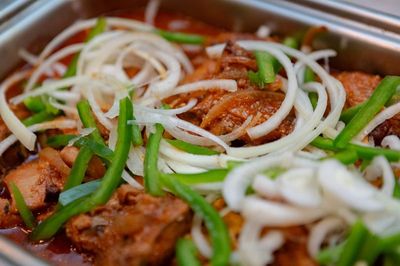
A Sunday dish from Cap-Haïtien on Haiti's north coast where cashews have been a regional cash crop since colonial times. The dish translates as "chicken with cashews" and the nut is everywhere: ground into powder and whisked into the gravy as a thickener (the technique parallels almond-and-walnut gravies in West African and Levantine cookery), and added whole-toasted near the end for texture. The flavour is unexpectedly creamy, like a cashew-cream sauce that happens to be tomato-based; mellow, sweet, faintly nutty, sat over a base of Haitian épis (the green seasoning paste of parsley, scallion, garlic, bell pepper, thyme and lime that's the foundation of most Haitian cookery). A whole habanero in the bouquet garni adds quiet heat. Smell is roasted cashews and tomato paste with thyme drifting through. Not difficult but not quick, 3-4 hours of marinating, then 45 minutes of cooking, and the bouquet garni technique (wrapping herbs in cheesecloth) gives a clean, herb-free finished sauce. Served at Haitian Sunday tables on the north coast over white rice with sliced avocado on the side; the cashew sweetness and the buttery avocado are the pairing that makes it.
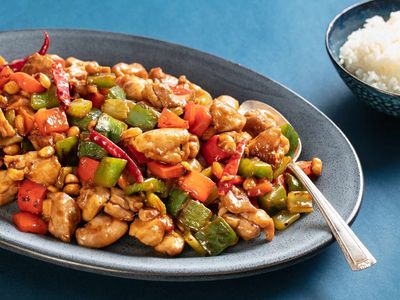
This recipe from the Sichuan region of western China showcases the region's trademark use of chillies combined with the modern addition of cashew nuts. The sauce is complex and layered, savoury from fermented beans and hoisin, spicy from dried chillies, and balanced with vinegar's acidity and sugar's sweetness. The result is distinctly Chinese in technique yet contemporary in execution.