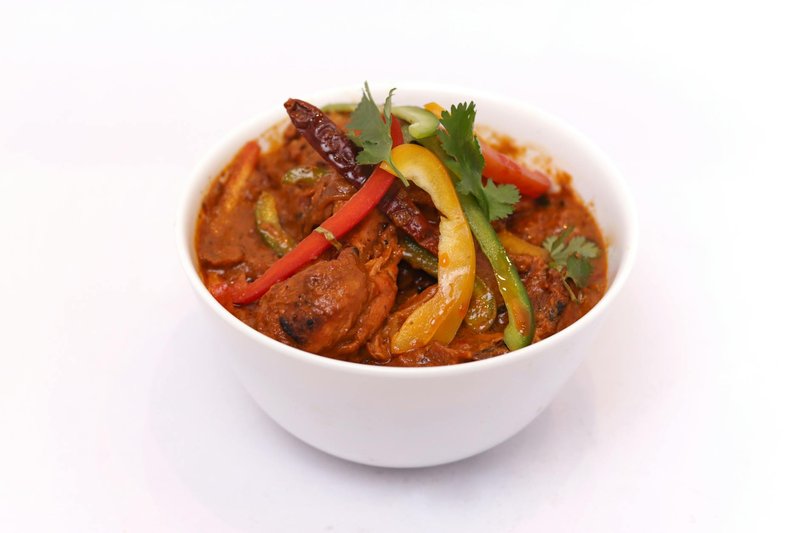
Chicken Jungle Curry
Thailand's jungle curry: a brothy, fierce, coconut-free curry of chicken with bamboo shoots, green peppercorns and a fresh chilli paste.
Overview
Spicy, thin jungle curry from Chiang Mai, traditionally made with jungle ingredients and game meat. No coconut milk; features a clear, flavorful broth with chicken and vegetables. Serve with sticky rice.
Ingredients
Protein
- 4 chicken breasts
Fat
- 2 tbsp rapeseed (canola), peanut or coconut oil
Paste
- 6 tbsp Thai Red Curry Paste
Liquid
- 500 ml (2 cups) Thai chicken stock or water
Vegetables
- 10 green (string) beans, cut into 2 ½ cm (1 in) pieces
- 227 g (8 oz) tin (can) bamboo shoots, drained and cut into matchsticks
- 5 baby sweetcorn, cut into small pieces
- 3 tbsp fresh green peppercorns
Seasoning
- 2-3 tbsp Thai fish sauce
- 6 lime leaves, stalks removed and leaves thinly sliced
- ½ lime (juice)
- 1 tsp palm sugar (optional)
Garnish
- Coriander (cilantro) leaves
- Thai sweet basil leaves
Method
Stage 1 - Cook chicken
- Heat frying pan over medium-high heat.
- Fry chicken breasts skin-side down 5 mins; flip and cook another 5 mins.
- Slice into bite-size pieces; set aside.
Stage 2 - Fry paste and add stock
- Heat oil in large pan or wok over medium-high heat.
- Stir in curry paste; fry 30 seconds until fragrant.
- Add stock or water; bring to rolling simmer.
Stage 3 - Add chicken and veggies
- Add sliced chicken; cook 5 mins until done.
- Stir in veggies and green peppercorns; simmer 3 mins.
Stage 4 - Season and finish
- Add fish sauce, lime leaves, lime juice, and sugar if using.
- Taste and adjust flavors.
- Garnish with coriander and basil.
Notes
- Many Thai fish sauces contain gluten; use gluten-free brands.
- Adjust spice with more curry paste or chilli powder.
- Traditionally no coconut milk for thin broth.
Serving
- Serve with sticky rice.
- Garnish as desired.
Storage
- Refrigerate 2-3 days in airtight container.
- Reheat gently; add water if too thick.
- Freeze up to 2 months.
More like this
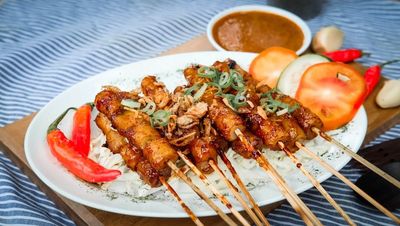
Chicken Satay with Peanut Sauce
I’m a big fan of Thai chicken satay with peanut sauce. Although it isn’t necessary, it is best to marinate the chicken for at least a day. You could get away with 30 minutes but a longer marinating time will get you much tastier results. As the chicken soaks up that incredible marinade, it not only tenderizes it but makes it much juicier when cooked. This recipe could be used with thinly sliced pork or beef, both are also popular at Thai restaurants and takeaways. Pork is the meat of choice in Thailand but chicken is the most popular in the UK. I also like to serve this dish with cucumber and chilli relish.
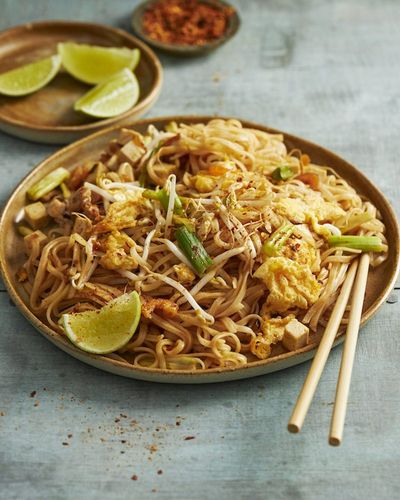
Prawn and Pork Pad Thai
This classic Thai dish of noodles is both aromatic and lightly spicy, serving well as either a main course or a starter. Pad Thai combines stir-fried rice noodles with tender chicken, pork, and prawns in a balanced sauce of curry paste, oyster sauce, and fish sauce. Fresh herbs, crushed peanuts, and a squeeze of lime complete this iconic Thai street food favourite.
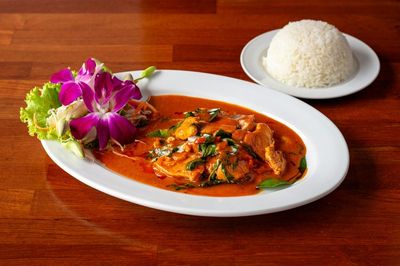
Thai Red Curry
Gaeng phed gai, this classic Thai red curry features tender chicken simmered in a rich, aromatic coconut sauce infused with homemade red curry paste. The chilli paste that forms the basis of this dish has superb flavour and is worth making in quantity, as it's useful in all sorts of spicy dishes. Taking the extra time to pound herbs and spices using a mortar and pestle releases their fragrances perfectly, creating an authentic, restaurant-quality curry.
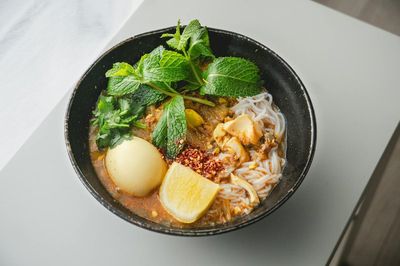
Malaysian Curry Laksa (Laksa Lemak)
A two-part dish: a deeply concentrated prawn-and-chicken stock built from roasted prawn shells, layered with a freshly pounded laksa paste of dried chilli, galangal, lemongrass and candlenuts. The two are joined with coconut cream to create a glossy, fragrant broth that bathes rice vermicelli, tofu puffs and prawns. Finished at the table with sambal, lime, fresh coriander and bean sprouts.