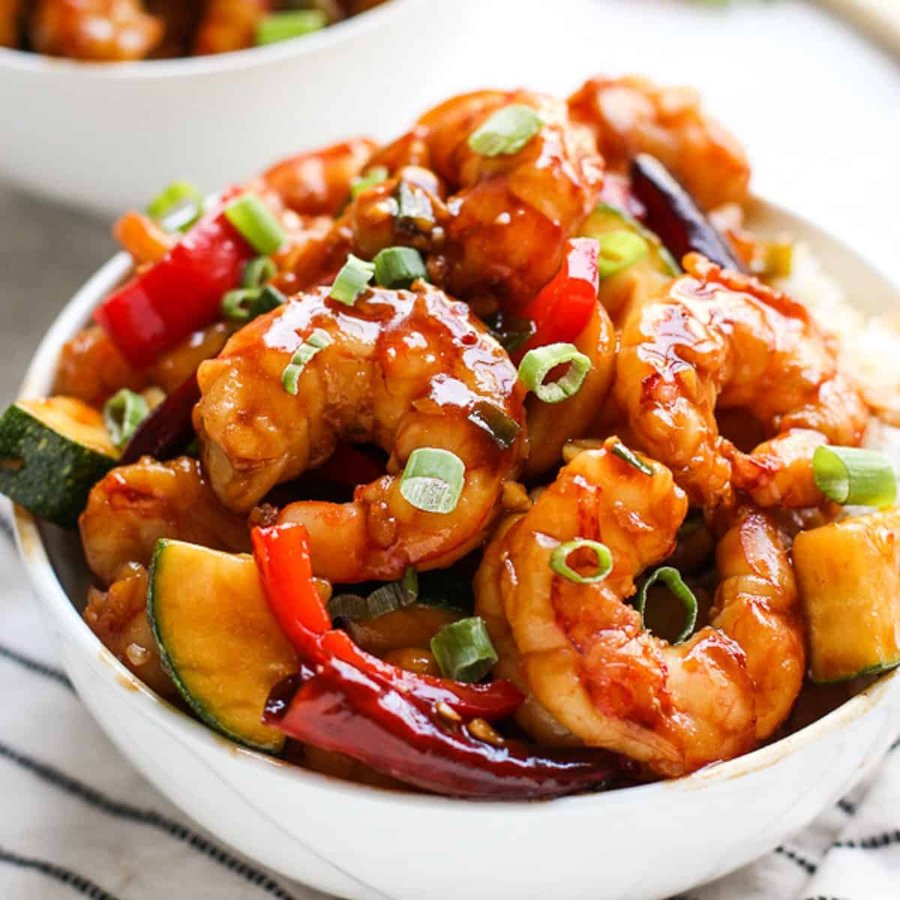
Kung Pao Shrimp
A glossy stir-fry of plump shrimp tossed with charred dried chillies, tingly Sichuan peppercorns and roasted peanuts in a sweet-sour-savoury sauce. The smell as the chillies hit the wok is unmistakable: toasted chilli skin, citrus-numbing peppercorn, and the high note of black vinegar caramelising on hot metal.
Overview
Kung pao (gongbao) shrimp is the seafood cousin of the classic Sichuan gongbao jiding, named for the 19th-century governor-general Ding Baozhen whose title was Gong Bao. Where the chicken version uses diced meat, the shrimp version keeps the prawns whole or halved so they curl into bright pink commas around the chillies and peanuts. The flavour profile is the signature Sichuan "lychee" balance: a touch of sweetness from sugar, sourness from black vinegar, salt and umami from soy, and the warm tingle (ma la) of toasted Sichuan peppercorn paired with the smoky bite of dried er jing tiao chillies. This is a fast dish, fundamentally a wok exercise: every ingredient must be prepped and lined up before the heat goes on, because once the chillies hit the oil you have maybe ninety seconds before everything is overcooked. Difficulty is moderate for a home cook with a working wok and high burner; the trick is keeping the chillies dark red and fragrant without scorching them black, and pulling the shrimp out the moment they curl. Served over plain rice it is one of the most rewarding ten-minute meals in the repertoire.
Ingredients
Shrimp and marinade
- 400 g raw shrimp, peeled and deveined
- 1 tsp Shaoxing wine
- 1 tsp light soy sauce
- 1 tsp cornflour
- ¼ tsp salt
- ¼ tsp white pepper
Sauce
- 1 tbsp light soy sauce
- 1 tsp dark soy sauce
- 1 tbsp Chinkiang black vinegar
- 2 tsp granulated sugar
- 1 tsp cornflour
- 3 tbsp water (or chicken stock)
Stir-fry
- 3 tbsp vegetable oil (Sichuan caiziyou ideal)
- 8-12 dried er jing tiao chillies, snipped into 2 cm pieces, seeds shaken out
- 1 tsp whole Sichuan peppercorns
- 3 garlic cloves, thinly sliced
- 2 cm ginger, finely diced
- 4 spring onions, white parts cut into 1 cm pieces (greens reserved)
- 60 g roasted unsalted peanuts
Method
Stage 1 - Prep
- Pat the shrimp dry; toss with Shaoxing wine, soy, cornflour, salt and white pepper. Rest 10 minutes.
- Whisk all sauce ingredients in a small bowl until the cornflour dissolves.
- Arrange chillies, peppercorns, garlic, ginger, spring onion whites, peanuts and sauce within arm's reach of the hob.
Stage 2 - Wok
- Heat the wok over high heat until lightly smoking. Add the oil and swirl.
- Reduce heat to medium-high. Add Sichuan peppercorns and dried chillies; stir 15-20 seconds until the chillies darken to deep red and smell toasty (do not blacken).
- Add garlic, ginger and spring onion whites. Stir-fry 10 seconds.
- Add the shrimp in a single layer. Toss for 30 seconds until they begin to turn pink.
- Stir the sauce, pour it in, and toss vigorously for 30-45 seconds until thickened and glossy and the shrimp are just cooked through.
- Add the peanuts and spring onion greens. Toss once and slide onto a warm plate.
Notes
- Chilli colour, not char: dark red is fragrant; black is acrid. If your wok runs hot, drop the heat as soon as the chillies go in.
- Lychee flavour: the sweetness should suggest fruit, not pudding. Taste the sauce before cooking and rebalance sugar/vinegar.
- Peppercorn freshness: Sichuan peppercorns lose their tingle within months of opening. If yours are stale, toast and grind a pinch fresh.
- Don't overcook the shrimp: they finish cooking in the residual heat of the sauce. Pull at "just pink".
Storage
- Best eaten immediately; shrimp toughen on reheating.
- Leftovers keep 1 day refrigerated; reheat briefly in a hot wok with a splash of water.
More like this
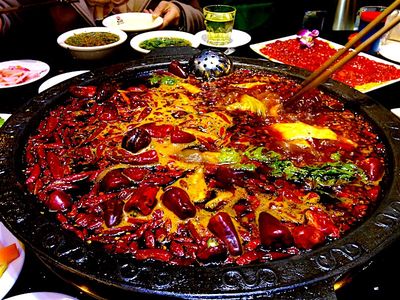
Sichuan Hot Pot
Two pots if you have them: a spicy red broth and a clear chicken broth. The red broth fries doubanjiang and chilli bean paste in beef tallow, adds Sichuan peppercorns, dried chillies, star anise, cassia, bay, ginger and garlic, then stock; simmers for 30 minutes. Diners cook their own ingredients in the simmering pot and dip in a small bowl of sesame oil + chopped garlic + coriander. The mala (numbing-hot) sensation comes from green Sichuan peppercorns + dried chilli together.
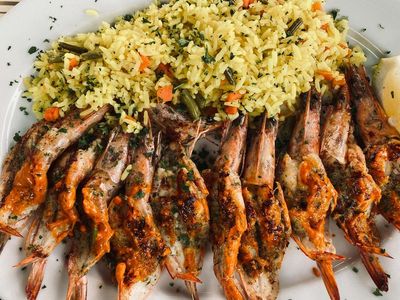
Sizzling Rice Prawns
This is a dramatic dish sure to earn you compliments. Moderately easy to make but requiring organisation and some Chinese cooking experience. The key to success is that both the prawn sauce mixture and rice cake must be fairly hot, this creates a dramatic, theatrical sizzle when they combine. A showstopping presentation perfect for entertaining.
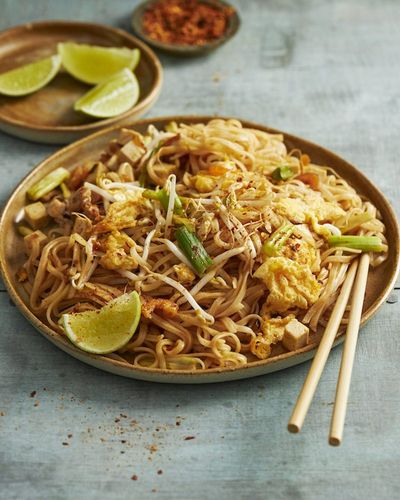
Prawn and Pork Pad Thai
This classic Thai dish of noodles is both aromatic and lightly spicy, serving well as either a main course or a starter. Pad Thai combines stir-fried rice noodles with tender chicken, pork, and prawns in a balanced sauce of curry paste, oyster sauce, and fish sauce. Fresh herbs, crushed peanuts, and a squeeze of lime complete this iconic Thai street food favourite.
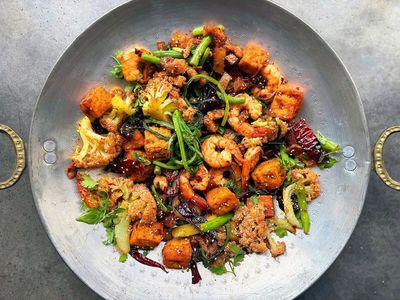
Mala Dry-Pot (Ganguo)
Ganguo, literally "dry pot", is the dry sister of hotpot. Where hotpot is a communal soup simmered at the table, dry pot is a wok composition: each ingredient pre-cooked separately, then everything tossed together at the last moment in a fragrant mala sauce based on Pixian doubanjiang, fermented black beans and chilli oil. The result lands somewhere between a stir-fry, a casserole and a giant heap of bar snacks. The dish is usually credited to Chongqing in the 1990s and exploded into nationwide popularity in the 2000s; it now anchors the menu of countless ganguo restaurants where you point at ingredients on a fridge and they appear minutes later in a single-handled wok at your table. Difficulty for a home cook is low if you accept the rhythm: blanch the vegetables, sear the proteins, then build the final dish from already-cooked components. The trick is restraint with the sauce, generous heat under the wok, and the willingness to commit to a long ingredient list. The recipe is endlessly flexible: lotus root, potato, cauliflower, mushrooms, squid, chicken wings, beef, fish balls, tofu skin, whatever you have, in any combination, totalling 1-1 ½ kg.