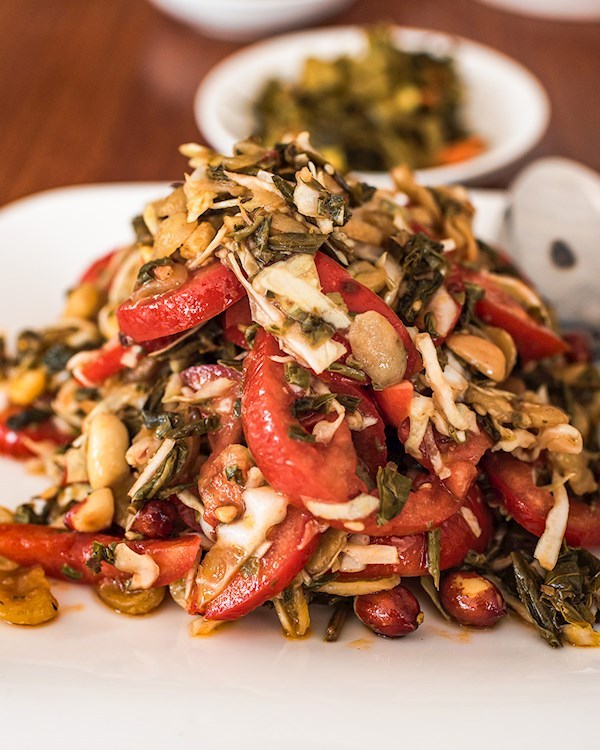
Lahpet Thoke
Burma's fermented tea-leaf salad: pickled tea leaves tossed with cabbage, tomato, fried garlic, fried split peas, peanuts, sesame, dried shrimp and lime.
Overview
Myanmar's national salad and one of the most distinctive dishes in Southeast Asia: a tossed plate built around lahpet, fermented tea leaves with a sour-bitter pungency unlike anything else you've eaten. You start with pre-pickled tea leaves (sold at South-East Asian grocers; rinse to mellow if they're very sour), pile on shredded white cabbage and diced tomato for crunch and sweetness, then a generous handful of crispy fried things: fried garlic, fried peanuts, fried yellow split peas, sesame seeds. Fish sauce and lime juice toss it all together. Each spoonful is a contrast of soft-bitter tea against crunchy fried things and bright lime. Eaten as a snack at a teashop, an appetiser before dinner, or at the close of a meal as a sign of welcome and reconciliation.
Ingredients
Salad base
- 100 g pickled tea leaves (lahpet; sold at Burmese / SE Asian grocers in jars or vacuum packs)
- 200 g white cabbage (very finely shredded)
- 2 tomatoes (medium, deseeded and diced 5 mm)
- 2 garlic cloves (sliced thin)
- 4 tablespoons vegetable oil (for frying)
- 50 g unsalted peanuts (raw)
- 50 g yellow split peas (soaked 4 hours, drained)
- 2 tablespoons sesame seeds
- 2 tablespoons dried shrimp (optional; rinsed, soaked 5 min, finely chopped)
- 1 long green chilli (finely chopped)
Dressing
- 3 tablespoons fish sauce
- 1 lime (juice)
- 1 teaspoon sesame oil
- 1 teaspoon brown sugar
Method
Stage 1 - Tea leaves
- If the pickled tea leaves taste very sour or salty, rinse them briefly in cool water; squeeze out excess liquid. Chop roughly.
Stage 2 - Fry the crispy bits
- Heat the oil in a small frying pan over medium heat.
- Add the sliced garlic; fry 1-2 minutes until pale gold; lift onto kitchen paper.
- Add the peanuts; fry 2-3 minutes until golden; lift out.
- Add the drained split peas; fry 4-5 minutes, stirring, until crispy and golden; lift out.
- Toast the sesame seeds in the residual oil 30 seconds.
- Reserve the oil - it's flavour-rich and goes back into the salad.
Stage 3 - Dressing
- Whisk the fish sauce, lime juice, sesame oil and brown sugar.
Stage 4 - Assemble
- Pile the cabbage on a wide plate.
- Top with the chopped tea leaves in a separate mound.
- Around them, arrange small mounds of: tomato, fried garlic, fried peanuts, fried split peas, sesame seeds, dried shrimp (if using), chopped chilli.
- Drizzle the dressing and 1-2 tablespoons of the frying oil over the tomato side.
Stage 5 - Toss at the table
- The traditional Burmese way: serve with the components separate, then toss together at the table with chopsticks (or hands) just before eating. The crispy bits stay crispy until the last moment.
Notes
- Pickled tea leaves are essential: No substitute really works. Burmese / SE Asian grocers carry them in vacuum packs (look for "lahpet" or "pickled tea leaf"). Some packs are pre-flavoured with garlic and oil; if so, reduce extras accordingly.
- Fry your own crispy bits, or buy them ready-made: Several Burmese-product brands sell ready-fried split peas and peanuts. Worth a try if you can find them.
- Dried shrimp adds depth but is optional: A vegetarian version drops them; substitute extra fried shallots or peanuts.
Storage
- Best eaten right after assembly. Components keep separately: tea leaves and dressing in the fridge for a week, fried bits in airtight tin at room temp for 3-4 days.
More like this
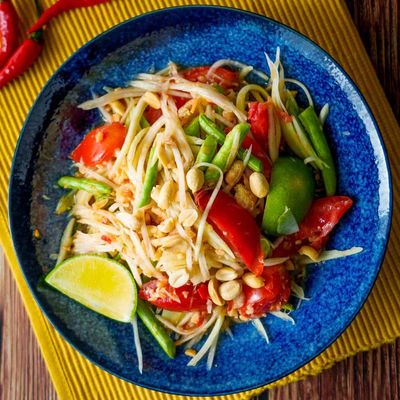
Green Papaya Salad
Famous Thai salad (som tum) with sour, sweet, savory, and spicy flavors. Pounded dressing coats crispy papaya and vegetables. Make ahead; won't wilt.
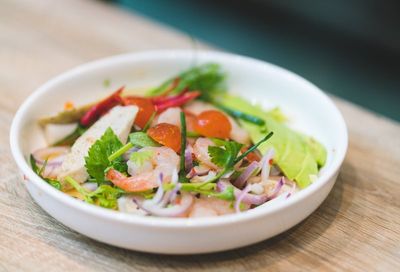
Glass Noodle Salad
Spicy Thai salad with glass noodles, prawns, and pork. Nostalgic dish from Thai barbecues; serve hot or at room temperature.
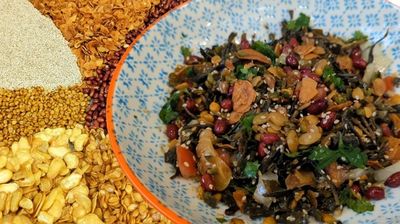
Burmese Tea-Leaf Snack Mix
The older, more ceremonial form of lahpet, the version that predates the salad. Unlike lahpet thoke (the salad), there's no cabbage, no tomato, no fresh dressing - the fermented tea leaves stay pungent and concentrated, and the fried elements supply texture and salt. You keep all the components separate on a divided plate until they reach the table, so the crispy bits don't soften, and each guest builds their own bite from the spread. Eaten as an afternoon teashop snack with a small cup of green tea, or traditionally at the close of formal meals as a sign of welcome and reconciliation - a Burmese custom that dates back centuries and still turns up at weddings.
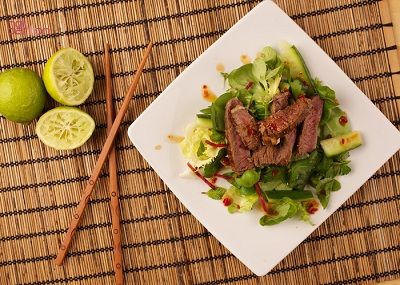
Go Bo Hoi an
Go Bo Hoi An is a piquant Vietnamese beef salad featuring thinly sliced seared beef tossed with crisp vegetables, fresh herbs, and a bright tamarind-lime dressing. This dish has delicate undertones of lime and garlic which carry through the tamarind flavours perfectly. The combination of tender beef, crunchy vegetables, aromatic herbs, and crispy rice papers creates a textural and flavourful celebration of Vietnamese cuisine. Quick to make but requires advance preparation, ensure the salad, dressing, and toppings are made and ready to use before cooking the beef.