Burmese Samosa

Burmese Samosa

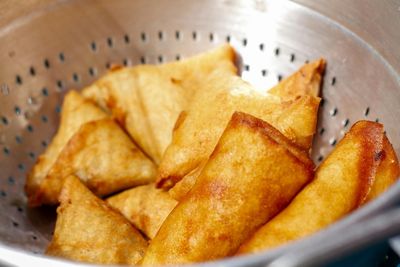
The Burmese take on the South Asian samosa, with a thinner, crisper pastry and a milder filling than its Indian cousin. You make a hot-water dough that rolls out very thin so the fried shell ends up glassy and crisp rather than bready. The filling is mild by Indian standards: turmeric, ginger, fried onion and a whisper of cumin folded into mashed potato and peas, finished with crushed peanuts for the nuttiness that marks the Burmese version. The triangles fry at moderate heat until amber and crackling, the pastry blistering as it goes. Eaten hot dipped in tamarind sauce, or torn into chunks for a samusa-thoke salad later.

Snacks 1 hour 5 minutes Serves4
Chicken Xacuti

Chicken Xacuti

A xacuti masala is built by dry-roasting fresh coconut to a deep mahogany brown alongside a long list of whole spices (Kashmiri and byadgi chillies, coriander, cumin, fennel, peppercorns, cinnamon, cloves, star anise, mace) and grinding them with onion, garlic and ginger into a black-brown paste. The chicken is browned briefly, the paste added, water poured in to cook the chicken through, and tamarind stirred in to finish. The trick is in the roast: the coconut should be almost-burnt, with the bitterness offset by the tamarind.

Goan 1 hour 20 minutes Serves4-6
Go Bo Hoi an

Go Bo Hoi an

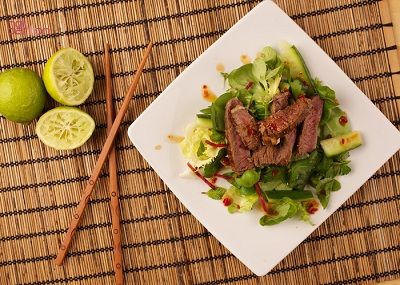
Go Bo Hoi An is a piquant Vietnamese beef salad featuring thinly sliced seared beef tossed with crisp vegetables, fresh herbs, and a bright tamarind-lime dressing. This dish has delicate undertones of lime and garlic which carry through the tamarind flavours perfectly. The combination of tender beef, crunchy vegetables, aromatic herbs, and crispy rice papers creates a textural and flavourful celebration of Vietnamese cuisine. Quick to make but requires advance preparation, ensure the salad, dressing, and toppings are made and ready to use before cooking the beef.

Vietnamese 25 minutes Serves2
Jhal Muri

Jhal Muri

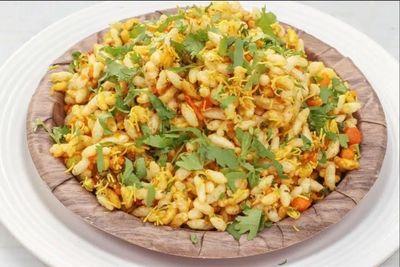
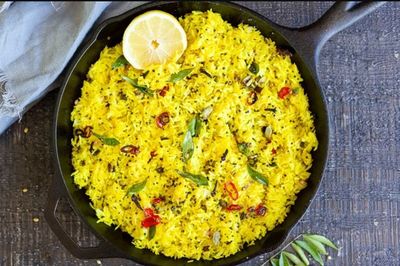
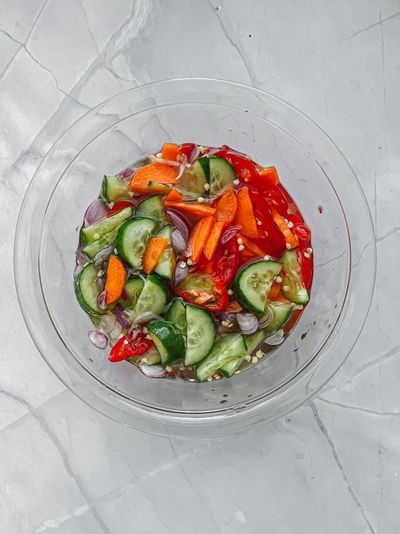
Jhal muri (literally "spicy puffed rice") is the most democratic snack in Bengal: assembled in seconds from a tin trunk by a muriwala, tipped into a rolled-newspaper cone, and eaten standing on a pavement for the price of a few rupees. The base is muri (puffed rice), and everything else is built around the principle of contrast. Raw mustard oil is the soul of the dish, sharp and nasal and slightly bitter; without it you have a salad, not jhal muri. The vegetables stay raw and crunchy, onion, green chilli, cucumber, tomato, chopped into tiny dice so each spoonful gets one of each. Peanuts and chana chur (or sev) add fat and crunch; black salt and chaat masala add the funky-tangy depth that makes Indian street snacks addictive. The lime goes in last so the puffs don't soften. This is a dish where technique matters less than ingredient quality: muri must be crisp (refresh in a dry pan if it's gone soft), mustard oil must be the proper pungent kind, and the lime must be fresh. It is everywhere in Bengal, tea-time at home, train platforms, the Maidan on a winter afternoon, and there is no recipe in any cookbook that quite captures the feel of it being mixed in front of you in a paper cone.
Snacks 10 minutes Serves2
Kayan Thee Hnut

Kayan Thee Hnut

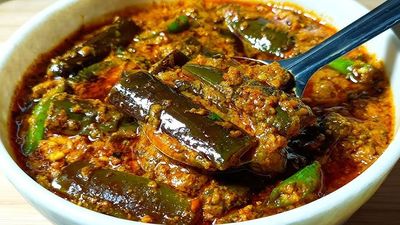
A Burmese aubergine dish, the kind of thing that turns up on a weekday table next to a simple curry and rice. You cube the aubergine and salt it for twenty minutes to draw out the bitter water, then squeeze it dry. Onion fries dark-gold in oil; garlic, ginger and turmeric go in briefly; then the aubergine joins them and fries for eight minutes until silky-soft and just collapsing. Fish sauce, chilli powder and a touch of palm sugar season the pan, and toasted crushed peanuts scatter over at the end for crunch. Eaten warm with rice and a small piece of fish.

Sides 55 minutes Serves4
Lamb Tagine with Prunes

Lamb Tagine with Prunes

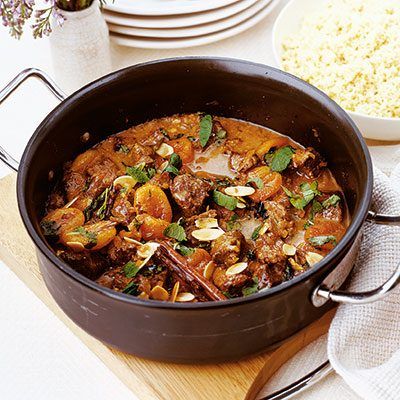
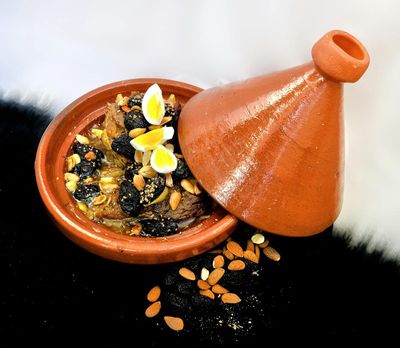
Lamb shoulder is cut into large chunks. A spice paste of garlic, ginger, saffron, paprika, cumin, cinnamon, salt and olive oil rubs in; rests briefly. Onion sweats slowly in olive oil; the lamb goes in skin/fat-side down to brown lightly; water (or stock) covers halfway. Lid on; slow simmer for 1 hour 45 minutes until very tender. Soft pitted prunes go in for the last 20 minutes with a tablespoon of honey. Garnished with toasted whole almonds and sesame seeds. Eaten with bread or couscous.

North African 2 hours 35 minutes Serves4
Mathloutha

Mathloutha

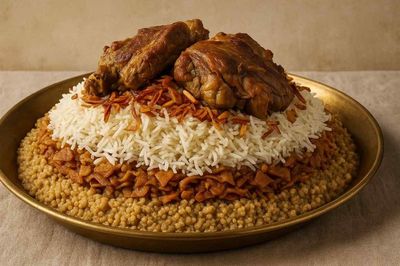
The Saudi gathering platter built for the night when one cut of meat isn't enough. Three proteins share the same pot: lamb shoulder and beef chunks go in first with a kabsa-spiced tomato base for ninety minutes of slow simmer until they're meltingly tender, then chicken pieces drop in for the last thirty-five minutes (their cook time is shorter, so they go in later). The strained meat broth, deeply spiced from everything that has braised in it, becomes the cooking liquid for basmati scented with saffron and dried lime. At the end you arrange all three meats on top of the rice in the same platter and bring the whole thing to the centre of the table. The kind of dish you make for a wedding lunch, an Eid gathering, or the night the extended family arrives unannounced.

Arabian 3 hours Serves8
Nhom Trav

Nhom Trav

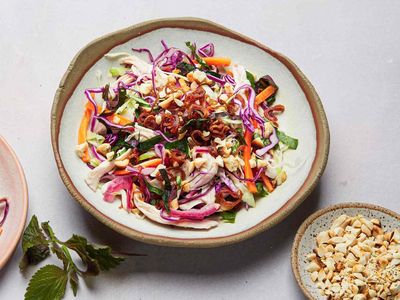
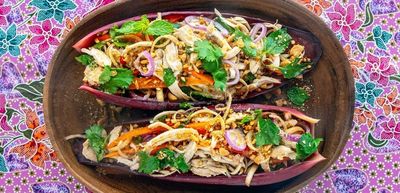
A Cambodian banana flower salad, the kind of bright herby starter that opens a Khmer meal. You slice banana flower thin and submerge it immediately in lemon water to stop the browning (banana flower oxidises within seconds of cutting, going from pale ivory to brown). Tofu cubes (or shredded chicken in the non-vegetarian version) join for substance. Peanuts toast in a dry pan; shallots fry crisp in oil. The dressing is lime, palm sugar, soy and chilli pounded together in a mortar, and everything tosses with fresh herbs at the last minute - mint, coriander, Thai basil, whatever is around. Eaten as a starter or alongside grilled meat, the bitter floral note of the banana flower balanced by the salty-sweet dressing and the crunch of peanuts.

Cambodian 30 minutes Serves4
← Prev Page 1 of 2 Next →