Andouille Skewers

Andouille Skewers

A Cajun cookout skewer, the kind of thing that comes off the grill at a Louisiana backyard barbecue while the gumbo is finishing on the back burner. You take andouille (the heavily smoked, garlicky Cajun pork sausage) and cut it into thick coins, then thread them onto pre-soaked wooden skewers (or metal) with chunks of red and green pepper, red onion, and a few halved cherry tomatoes. Brush with a quick Cajun glaze of melted butter, garlic, brown sugar, hot sauce and Cajun seasoning. Onto a hot grill over high heat for just long enough to char the vegetables and bring the sausage shiny and sticky. Eaten straight off the skewer with a beer in the other hand, the smoke still hanging in the air.

Snacks 27 minutes Serves8
Aussie Burger with Beetroot

Aussie Burger with Beetroot

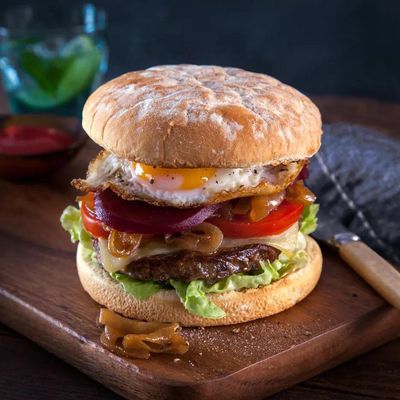
The Aussie burger, sometimes called "the lot", is a milk-bar institution that emerged in Australia in the mid-twentieth century when European immigrants and returning soldiers reshaped the corner takeaway. What distinguishes it from any American or British burger is the insistence on tinned pickled beetroot, a slice of canned pineapple, a fried egg and rashers of streaky bacon, all stacked under a thick beef patty on a toasted bun. The beetroot is non-negotiable: it stains the bread, it stains your fingers, it leaks down your wrist, and it is the entire point. The combination sounds chaotic but works because each layer plays a clear role: sweet pineapple against salty bacon, earthy beetroot against rich egg yolk, sharp tomato chutney cutting through melted cheese. The patty itself is generously sized, hand-shaped, and seasoned simply so the toppings can do the talking. Difficulty is low; the only real skill is timing several pans at once so the egg, bacon and patty all arrive hot together. This is not delicate food. It is built to be eaten leaning forward over a paper wrapper with napkins and a cold drink. Serve it at a backyard barbecue and watch grown adults negotiate the architecture of the bite.

Australian 40 minutes Serves4
Baghali Polo Ba Mahiche

Baghali Polo Ba Mahiche

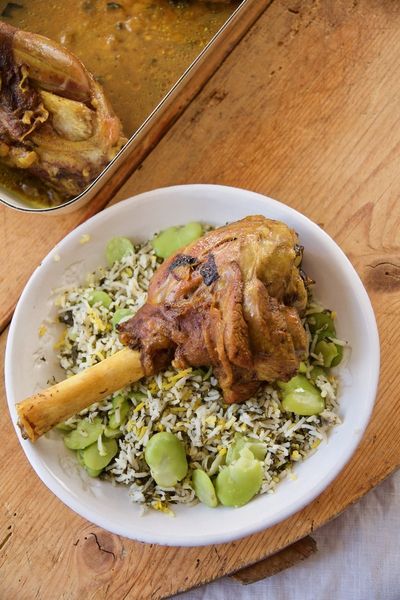
Lamb shanks brown hard; cook for 2 hours 30 minutes with onion, garlic, turmeric, cinnamon and saffron in a covered pot with a small amount of stock until fork-tender. Meanwhile, basmati rinses and soaks for 1 hour. Frozen (or fresh, podded) broad beans simmer briefly until tender; the rice parboils for 6 minutes in heavily salted water; drains. The rice layers in the cooking pot with the broad beans, dill and saffron: bottom oil-and-rice for tahdig; then a mixed layer of rice + beans + dill; another rice-and-bean-and-dill layer; topped with rice and saffron-water; lid-wrapped-in-towel; steam for 40 minutes. Plated with the lamb shanks alongside.

Persian 4 hours 30 minutes Serves4
Bifana

Bifana

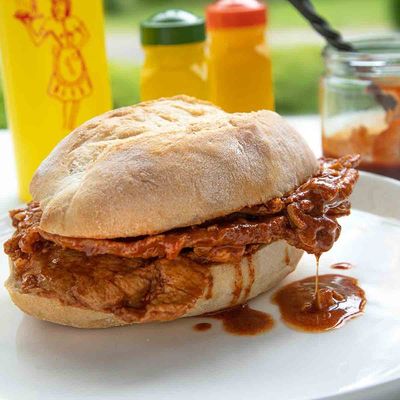
Bifanas are Portugal's national lunch sandwich, sold at every counter from Lisbon to Porto. Slices of pork loin (paper-thin, across the grain) marinate for a couple of hours in white wine, garlic, paprika, bay and black pepper, then go into a screaming-hot pan with olive oil and a knob of butter for sixty seconds a side. The marinade reduces in the pan to a salty, winey sauce, which gets ladled over a halved papo-seco roll along with the pork. Add mustard, or a squirt of piri-piri, and you've nailed it. Eaten standing at the counter with a glass of Sagres beer, or in Porto with a Super Bock.

Portuguese 2 hours 30 minutes Serves4
Blackened Chicken

Blackened Chicken

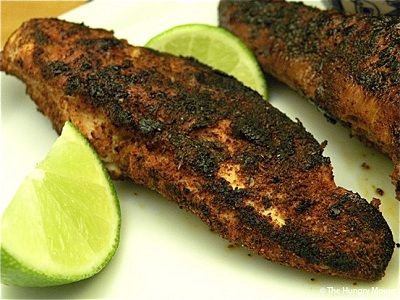
The Cajun classic invented by Paul Prudhomme in his New Orleans kitchen in the 1980s, the dish that put smoky char on the American restaurant menu for a decade. You build a bold spice mixture (paprika, garlic, onion, thyme, cayenne, salt and black pepper), dip butterflied chicken breasts in melted butter and press them firmly into the spice rub on both sides. Then they hit a screaming-hot cast-iron skillet for about three minutes per side, where the butter and spices char into a deep mahogany crust that locks the juices in and gives the chicken its defining smoky finish. The technique works equally well on fish (Prudhomme's original was redfish), pork or beef. Eaten sliced over a salad, layered in a sandwich with remoulade, or alongside dirty rice as a proper Cajun plate.

Cajun 21 minutes Serves4
Blue Corn Mush

Blue Corn Mush

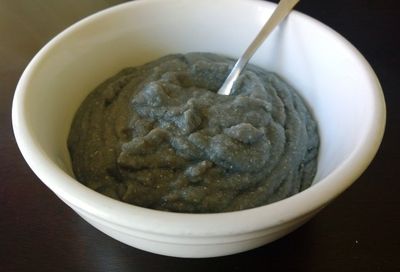
Cold water and a pinch of baking soda (standing in for juniper ash, the ash's alkali helps the corn release niacin and keeps the colour blue rather than grey) come to a simmer. Blue cornmeal whisks in steadily as the heat continues. The mush thickens over 10 minutes of stirring; salt seasons; it cooks another 3 minutes to lose any raw-flour edge. Served in bowls with honey or maple, toasted piñon nuts (or pumpkin seeds), dried cranberries or blueberries, and a splash of cream.

Sides 20 minutes Serves4
Brown Stew Shrimp and Sweet Potato Grits

Brown Stew Shrimp and Sweet Potato Grits

A Caribbean-Southern crossover that works because both traditions cook in a similar register: butter, peppers, alliums, slow heat, savoury depth. The brown stew base on top of the dish is Jamaican, bell peppers, carrot, Scotch bonnet, ginger, browning sauce, that mahogany-coloured gravy with the unmistakable allspice-and-thyme signature, and the bed underneath is from Lowcountry Charleston, where sweet potato grits enriched with butter, half-and-half and gouda are a long-running modern Southern restaurant standard. The shrimp themselves are quick-cooked and sweet, picking up the brown stew sauce. Two textures stacked: silky-rich grits, brothy stew on top with bite from the diced peppers and carrot. Smell is sweet-onion-and-browning-sugar over the corn-sweet base of the grits. Not difficult but it's two pans running at once, so timing matters; the grits hold on a low warm setting while the shrimp cook quickly. A modern fusion rather than a traditional dish, popularised by Black American chefs in the 2010s exploring the points of overlap between Lowcountry and Caribbean cookery.
Jamaican 1 hour Serves4
← Prev Page 1 of 8 Next →