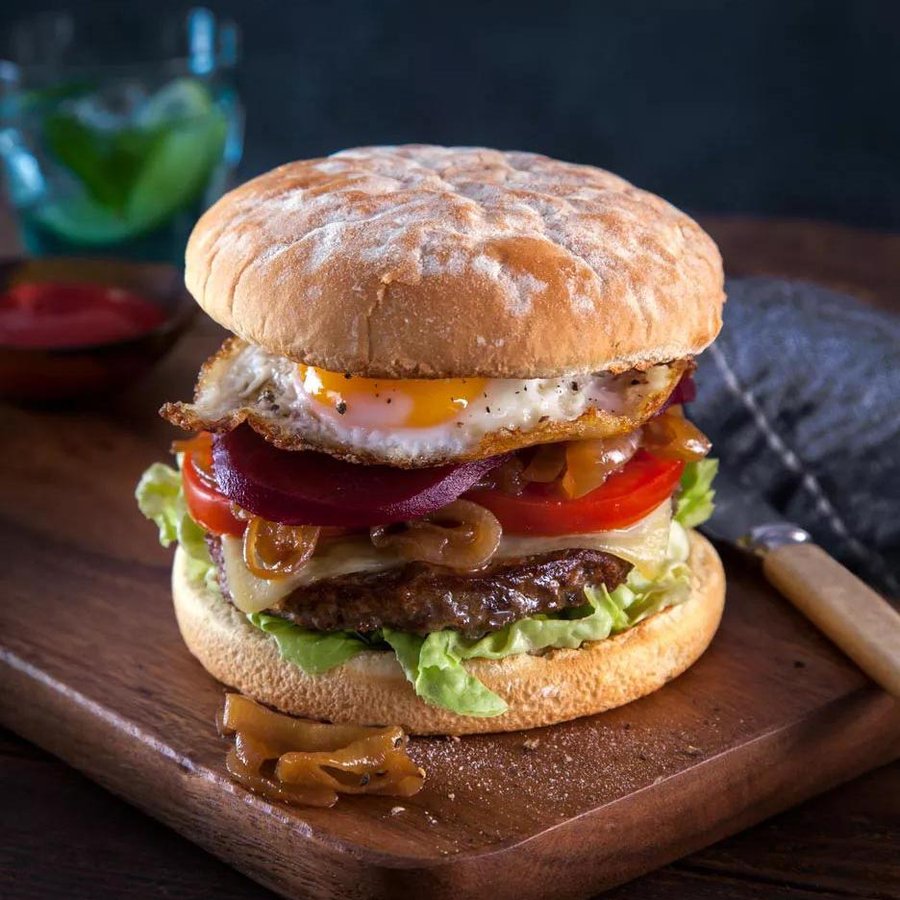
Aussie Burger with Beetroot
A towering stack of beef, bacon, fried egg, melted cheese, a slice of pineapple and the unmistakable purple-pink leak of pickled beetroot. It smells of charcoal and tomato chutney, and tastes like a service-station lunch on a road trip up the Pacific Highway.
Overview
The Aussie burger, sometimes called "the lot", is a milk-bar institution that emerged in Australia in the mid-twentieth century when European immigrants and returning soldiers reshaped the corner takeaway. What distinguishes it from any American or British burger is the insistence on tinned pickled beetroot, a slice of canned pineapple, a fried egg and rashers of streaky bacon, all stacked under a thick beef patty on a toasted bun. The beetroot is non-negotiable: it stains the bread, it stains your fingers, it leaks down your wrist, and it is the entire point. The combination sounds chaotic but works because each layer plays a clear role: sweet pineapple against salty bacon, earthy beetroot against rich egg yolk, sharp tomato chutney cutting through melted cheese. The patty itself is generously sized, hand-shaped, and seasoned simply so the toppings can do the talking. Difficulty is low; the only real skill is timing several pans at once so the egg, bacon and patty all arrive hot together. This is not delicate food. It is built to be eaten leaning forward over a paper wrapper with napkins and a cold drink. Serve it at a backyard barbecue and watch grown adults negotiate the architecture of the bite.
Ingredients
Patties
- 600 g beef mince, 20% fat
- 1 tsp salt
- ½ tsp black pepper
- 1 tbsp Worcestershire sauce
Toppings
- 4 rashers streaky bacon
- 4 eggs
- 4 canned pineapple rings, drained and patted dry
- 4 slices canned (or jarred pickled beetroot)
- 4 slices tasty cheddar cheese
- 4 lettuce leaves (large, iceberg or cos)
- 1 tomato (large), sliced
- 1 brown onion (small), sliced into rings
To assemble
- 4 soft sesame burger buns, split
- Butter for toasting
- 4 tbsp tomato chutney (or Australian tomato sauce)
- 1 tbsp neutral oil for the grill
Method
Stage 1 - Patties
- Mix the beef, salt, pepper and Worcestershire gently with your hands. Do not knead.
- Divide into 4 patties slightly wider than the buns, about 1 ½ cm thick. Dimple the centres. Rest in the fridge.
Stage 2 - Components
- Heat a heavy frying pan over medium heat. Cook the bacon until crisp, transfer to paper towel.
- In the bacon fat, fry the onion rings until soft and golden, about 5 minutes. Remove.
- Add the pineapple rings to the same pan and caramelise for 1 to 2 minutes per side. Remove.
- Wipe the pan, add a knob of butter and fry the eggs sunny-side up. Set aside warm.
Stage 3 - Grill the patties
- Heat a barbecue or griddle to high and oil lightly.
- Grill the patties 3 to 4 minutes per side for medium.
- In the last minute, lay a slice of cheese on each patty and close the lid (or tent with foil) until melted.
Stage 4 - Toast the buns
- Butter the cut faces of the buns and toast on the grill until golden.
Stage 5 - Build
- Spread tomato chutney generously on the bottom bun.
- Layer in this order from the bottom: lettuce, tomato slice, onion rings, cheesy patty, bacon, pineapple, beetroot, fried egg.
- Cap with the top bun, press lightly and serve immediately with a stack of napkins.
Notes
- The order matters: lettuce on the bottom shields the bun from the patty juices. Beetroot near the top is traditional, partly so it does not soak the whole thing pink before the first bite.
- Pat the beetroot dry: straight from the jar it will flood the burger. Press it briefly between paper towel.
- Tomato sauce vs chutney: purists insist on a thick, sweet tomato chutney; bottled Aussie tomato sauce is the everyday compromise.
- Egg yolk: leave it runny on purpose. The yolk is part of the sauce.
Storage
- Build burgers fresh. Cooked patties, bacon and onions keep 2 days refrigerated and reheat well in a dry pan. Do not store assembled burgers.
More like this
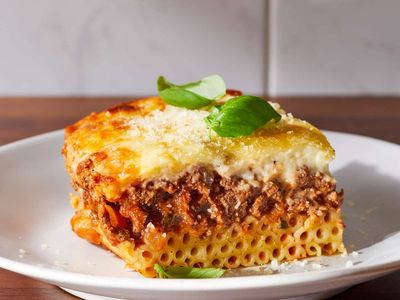
Pastitsio
Pasta tubes get a quick boil and a buttery toss. A beef ragù with cinnamon, allspice and a touch of tomato cooks while the pasta drains. Béchamel, thick, egg-bound, cheese-spiked, pours over the top. Bakes until the surface is mahogany-bronze.
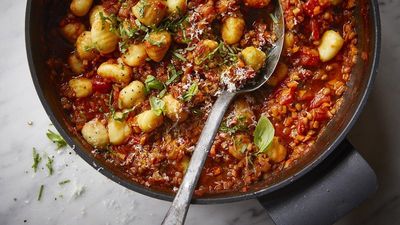
Ragù with Gnocchi
This ragù blends deep browning, layered aromatics, and a long, gentle oven braise to create a sauce with rich umami, silky texture, and balanced brightness. A two-milk finish adds softness, while a quick red wine gastrique lifts the sauce at the end.
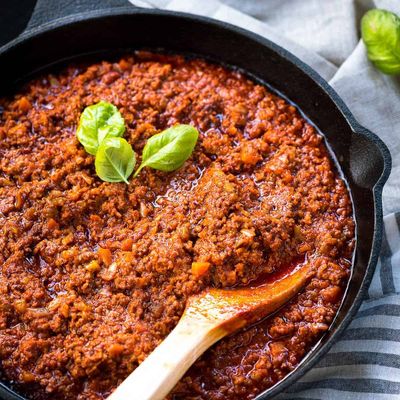
Restaurant-Style Ragù
True ragu demands patience, precision, and respect for the process. Ground beef (or a beef and pork mix) browns deeply in batches to build caramelization without steaming. Aromatic vegetables soften slowly until sweet. Tomato paste darkens and concentrates its flavor through caramelization. Red wine deglazes and cooks off. Then comes the long, gentle simmer, 1 hour 45 minutes to 2 hours, where flavors meld and deepen into something far greater than the sum of its parts. This is not a quick sauce; it is an investment in excellence.
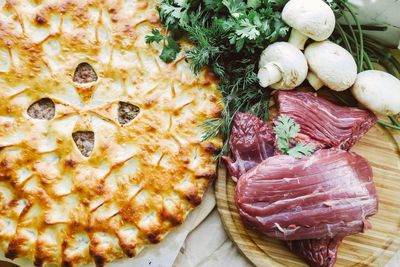
Beef Meat Pie
Australia's hand-held lunch and the unofficial national snack: hot beef gravy in a shortcrust base under a flaky puff lid, eaten standing up at the footy with tomato sauce running down your wrist. You build the filling like a thick gravy: minced beef cooked down with onion, beef stock, Worcestershire, tomato and a dark roux until it's sliceable when cool. The cold-filling trick is the one rule a pie shop never breaks: never fill a pie case with hot, loose gravy, because the bottom will go soggy in the oven and your pie will leak the moment you bite it. The chilled filling goes into shortcrust bases, gets a puff pastry lid crimped sharp at the edge, and bakes hot until the top is bronzed and shattering. Eat hot from the bag with a squeezy bottle of tomato sauce, or build a proper plate around it with mushy peas and gravy.