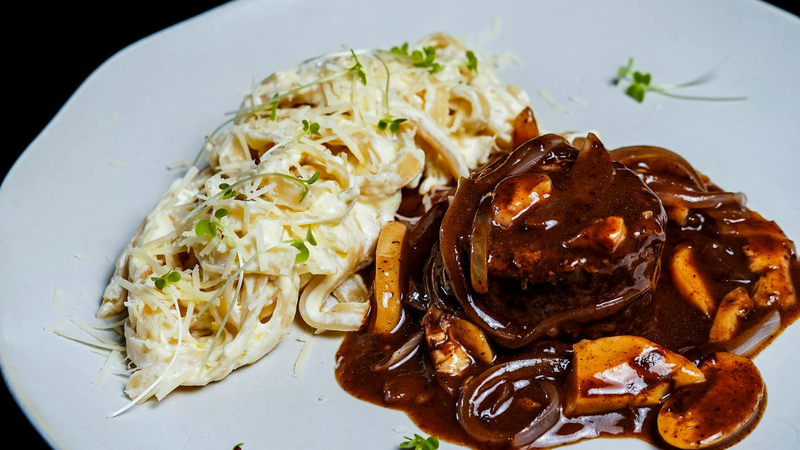
Bordelaise Sauce
This wonderful sauce looks as good as it tastes. It is delicious with any cut of beef, especially entrecôte, rib and sirloin. Remember to soak the beef marrow in advance.
Overview
A refined wine sauce featuring luxurious beef marrow and gentle pepper spice. The deep red wine reduction combines beautifully with concentrated veal stock, while poached marrow pieces provide richness and distinctive flavour signature to this classic French preparation.
Ingredients
Wine & aromatics
- 40 grams shallots (finely chopped)
- 8 white peppercorns (crushed)
- 200 ml red wine (preferably claret)
Stock & marrow
- 300 ml Veal stock
- 1 Bouquet Garni
- 200 grams beef marrow (soaked in ice water for 4 hours)
Finishing
- 30 grams butter (chilled and diced)
- salt
- pepper
Method
Stage 1 - Reduce wine
- Put the shallots, crushed peppercorns and red wine in a saucepan and set over a high heat.
- Let bubble until the wine has reduced by one-third.
Stage 2 - Build sauce
- Add the veal stock and bouquet garni and bubble gently for about 20 minutes, or until the sauce has reduced and thickened enough to lightly coat the back of a spoon.
- Pass it through a conical sieve into a clean saucepan.
Stage 3 - Prepare marrow
- Drain the beef marrow and cut it into small pieces.
- Place in a small saucepan, cover with a little cold water and salt lightly.
- Bring to the boil over a medium heat. Immediately turn off the heat, leave the marrow for 30 seconds, then drain it carefully.
Stage 4 - Finish
- Season the sauce with salt and pepper to taste.
- Whisk in the butter, a piece at a time, then add the well-drained beef marrow.
- Taste and adjust the seasoning.
- Serve immediately.
Notes
- Beef marrow preparation: Soak in ice water for 4 hours to remove blood; this prevents discoloration.
- Wine reduction: Essential for concentrated flavour; don't skip or rush this step.
- Marrow poaching: The brief hot bath sets the marrow without making it tough; timing is critical.
Serving
Serve immediately with entrecote, sirloin, rib, or other premium beef cuts. Can also accompany beef tournedos and steaks.
Storage
- Best eaten immediately after preparation.
- Keeps refrigerated for 1 day; reheat gently without boiling to prevent emulsion breaking.
- Does not freeze well due to beef marrow and butter emulsion content.
More like this

Aussie Burger with Beetroot
The Aussie burger, sometimes called "the lot", is a milk-bar institution that emerged in Australia in the mid-twentieth century when European immigrants and returning soldiers reshaped the corner takeaway. What distinguishes it from any American or British burger is the insistence on tinned pickled beetroot, a slice of canned pineapple, a fried egg and rashers of streaky bacon, all stacked under a thick beef patty on a toasted bun. The beetroot is non-negotiable: it stains the bread, it stains your fingers, it leaks down your wrist, and it is the entire point. The combination sounds chaotic but works because each layer plays a clear role: sweet pineapple against salty bacon, earthy beetroot against rich egg yolk, sharp tomato chutney cutting through melted cheese. The patty itself is generously sized, hand-shaped, and seasoned simply so the toppings can do the talking. Difficulty is low; the only real skill is timing several pans at once so the egg, bacon and patty all arrive hot together. This is not delicate food. It is built to be eaten leaning forward over a paper wrapper with napkins and a cold drink. Serve it at a backyard barbecue and watch grown adults negotiate the architecture of the bite.
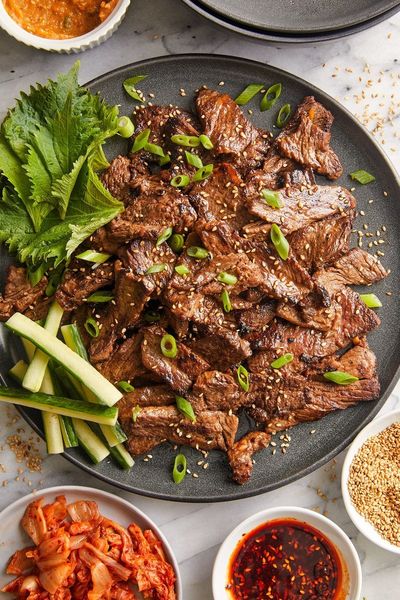
Bulgogi
Rib-eye or sirloin sliced paper-thin sits in a marinade of soy, brown sugar, sesame oil, garlic, ginger and grated Asian pear (or apple), then sears hard in a screaming-hot pan or on a BBQ. Served wrapped in lettuce leaves with rice and ssamjang.
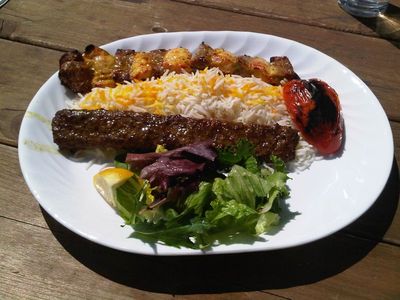
Chelo Kabab Koobideh
Mince mixes with very finely-grated onion (squeezed dry), salt, pepper, turmeric and a hit of saffron-water. The mixture chills, then forms onto wide flat skewers in long sausage shapes. Charcoal grills are traditional; a hot grill pan or barbecue works at home. The kababs grill for 3-4 minutes per side; whole tomatoes char alongside; rice piles on the plate; everything assembles together.
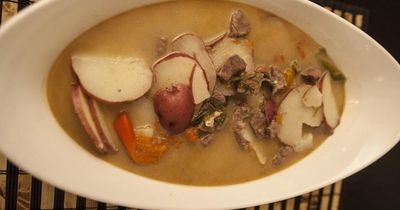
Ema Datshi
Bhutan's national dish, built on an honest two-ingredient premise: chillies and cheese, in roughly equal volume. The flavour is two things held in tension. The fierce burn of green chillies (jalapeños standing in for the hotter, more floral local Bhutanese varieties) on one side, the funky salty richness of blue cheese (Stilton or Gorgonzola standing in for the traditional yak cheese) on the other. The dairy fat tempers the burn just enough that you can actually eat it, but only just. The burn is the point. You build the dish out with beef, potato and tomato into a proper stew, and everything goes into the pot together to simmer until the cheese melts down into a fierce, creamy, chilli-flecked sauce. Eaten with red Bhutanese rice at most meals in Bhutan. Halve the chilli count the first time you cook it; the locals will laugh, but you'll be able to taste your next meal.