Dal Makhani

Dal Makhani

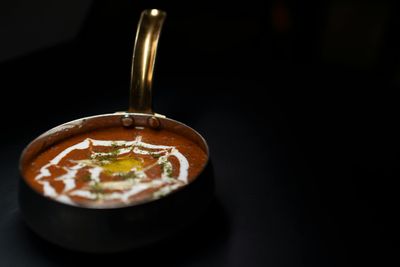
Whole black urad lentils and a small handful of red kidney beans are soaked overnight, then pressure-cooked or simmered until completely tender. A tomato-and-spice masala is built separately with onion, garlic, ginger and a careful hand with the spices. The lentils are folded into the masala and simmered, low and slow, for two hours, while butter and cream are stirred through in the final stage. The lentils break down into a glossy, almost-velvet finish.

Indian 3 hours 15 minutes Serves6
Misir Wat

Misir Wat

Ethiopia's red lentil stew, the vegan everyday main that turns up on every fasting-day table and most non-fasting ones too. You cook onions slowly in oil or niter kibbeh until they melt and turn jammy - this is the same long, patient onion cook that doro wat relies on. Berbere blooms in, tomato paste deepens, lentils go in with water and simmer until they're soft and the stew has thickened to a coating consistency. A squeeze of lemon at the end brightens the deep berbere-rich base. Bright orange from the spice, eaten by mopping with injera, made vegan with oil or richer with niter kibbeh. Either way, the dish that anchors an Ethiopian meal.

Ethiopian 1 hour 5 minutes Serves4
Mujadara

Mujadara

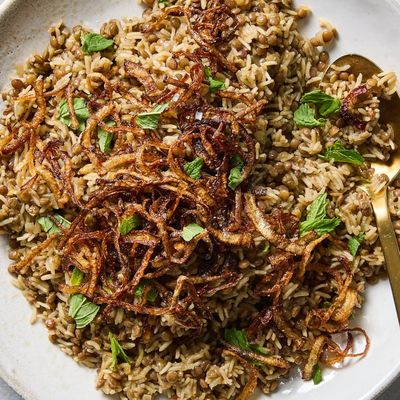
Lentils (brown or green, not red) simmer for 25 minutes until tender. Two batches of sliced onion fry in olive oil, the first batch goes very dark mahogany (almost burnt at edges) for the flavour base; the second batch is fried separately and reserved as a crispy topping. Rinsed basmati rice cooks absorption-style with the lentils, the first batch of onion, cumin, allspice and stock for 20 minutes. The crispy onion scatters on top at the table.

Sides 1 hour 25 minutes Serves4
Shukto

Shukto

Shukto is the dish that confuses newcomers and converts Bengalis for life. It is the first course of a traditional Bengali meal, served on the rice plate at the very start, before the dal, before the fish, before anything sweet. The logic is Ayurvedic: a small portion of something bitter eaten on an empty stomach is said to wake the digestion and tune the palate. The bitterness comes from korola (bitter gourd), but it is always counterweighted with the sweetness of milk, a little sugar, ripe banana plantain, sweet potato or radish, and the warm nuttiness of ground ginger and roasted radhuni (wild celery seed). The vegetables are cut to a uniform finger-shape (jhuri) and added in order of cooking time: bitter gourd first to mellow it, then plantain, drumstick, brinjal, sweet potato, with bori (sundried lentil dumplings) fried separately and stirred in at the end. The tempering is unusual: panch phoron or, more correctly for shukto, just radhuni and a pinch of mustard seeds in ghee. Milk is added towards the end and the dish is finished with a paste of ginger and a tablespoon of poppy seed or mustard ground with milk. It is mild, complex and unmistakably Bengali. A first-time cook should not be afraid of the bitterness; once the milk, ghee and sugar enter the pot it transforms into a balanced, almost soothing stew. Shukto is most associated with West Bengal and is served at every wedding, every shraddha (ancestral) feast and most Sunday lunches in a Bengali Hindu home.
Sides 55 minutes Serves4-6