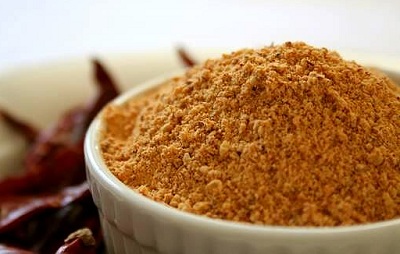
Sambar Powder
South India's sambar powder: dry-roasted lentils ground with coriander, cumin, fenugreek, chilli and curry leaves.
Overview
Sambar powder is unique: it blends spices with roasted legumes (urad dhal, channa dhal, mung dhal) for both flavor and thickening properties. This multi-purpose powder flavors soups, stews, and vegetable curries while the ground legumes provide body and nutrition. The result is distinctly different from North Indian curry powders, slightly earthy, with deep spice notes and thickening power.
Ingredients
Whole Spices
- 8 dried red chillies (deseeded for milder blend)
- 6 tablespoons coriander seeds
- 2 tablespoons cumin seeds
- 2 teaspoons black peppercorns
- 2 teaspoons fenugreek seeds
Legumes to Roast Separately
- 2 teaspoons white split gram beans (urad dhal)
- 2 teaspoons yellow split peas (channa dhal)
- 2 teaspoons yellow mung beans (mung dhal)
Ground Spice to Add After Roasting
- 1 ½ tablespoons ground turmeric
Method
Stage 1 - Prepare Chillies & Spices
- Snap or cut tops off dried chillies and remove seeds.
- Measure all whole spices and legumes.
Stage 2 - Dry Roast Spices (First Phase)
- Place a heavy-bottomed pan over medium heat with no oil.
- Add chillies, coriander seeds, cumin seeds, peppercorns, and fenugreek seeds.
- Continuously stir and shake the pan as they heat for 4-5 minutes.
- They'll become aromatic and visibly darker.
- Pour into a bowl to cool at room temperature (about 5 minutes).
Stage 3 - Toast Legumes (Second Phase)
- Return the same pan to medium heat (clean and dry).
- Add the urad dhal, channa dhal, and mung dhal.
- Toast continuously, shaking the pan frequently, for 3-4 minutes.
- The legumes will change color slightly and become fragrant.
- Watch carefully; they burn easily. Remove as soon as fragrant.
- Transfer to the bowl with roasted spices; allow to cool completely.
Stage 4 - Grind to Powder
- Combine cooled spices and legumes in a mortar.
- Grind thoroughly to a fine, smooth powder.
- The result should be consistent with no visible lentil pieces.
- Sift to remove any large particles; re-grind larger pieces.
Stage 5 - Add Turmeric & Mix
- Stir in the ground turmeric.
- Mix very thoroughly for 1-2 minutes to ensure even distribution.
Stage 6 - Store
- Use immediately or store in airtight jar away from direct light and heat.
- Label with date; best used within 6-8 months.
Notes
- Legume Roasting Separate: The legumes toast much faster than whole spices; roasting them separately prevents burning.
- Thickening Power: The ground legumes provide body and thickening, making this powder ideal for soups and braised dishes, not just curry sauces.
- Dhal Types: Urad, channa, and mung dalhs are traditional; don't substitute other legumes.
- Heat Adjustment: Deseed chillies for milder sambar; leave seeds for hotter.
Variations
Milder Version: Thread 4 chillies and remove all seeds. Thicker Consistency: Add 1 additional teaspoon of mung dhal to the roasting. Extra Aromatic: Add 1 teaspoon coriander seeds to the seed-spice roasting.
Serving
Use in: South Indian vegetable curries, sambar soup, lentil dishes, braised vegetable combinations Typical ratio: 2-3 teaspoons per portion depending on dish Application: Fry in oil with vegetables; add liquid and ingredients Temperature: Can be stirred in during cooking (doesn't require blooming like some powders)
Storage
- Store in airtight jar in cool, dark place away from light and heat
- Best used within 6-8 months
- Does not require refrigeration
- The roasted legumes begin to lose potency and absorb moisture over time; make fresh quarters for optimal quality
- Check for clumping or moisture before each use
This distinctive South Indian blend combines whole spices with roasted lentils (dhal), creating a complex powder that flavors vegetable and lentil combinations while simultaneously thickening braised dishes and spicy broths. Sambar is essential to South Indian cooking.
More like this
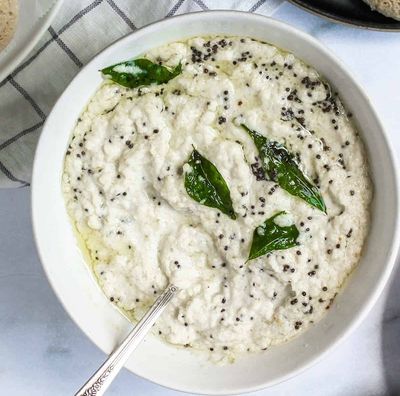
Coconut Chutney
Fresh coconut is ground with green chilli, ginger, roasted gram and a small splash of water into a smooth paste. The chutney is finished with a tempering of mustard seeds, dried red chilli, curry leaves and asafoetida in hot oil, poured over the white chutney for a striking visual and aromatic contrast.
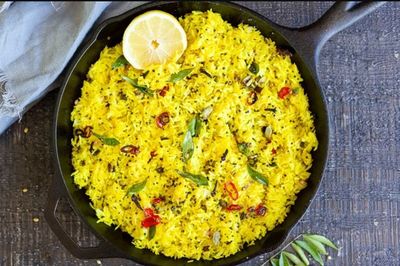
Lemon Rice
A temper of mustard seeds, chana dal, urad dal, peanuts, dried red chilli and curry leaves is bloomed in sesame oil. Turmeric is stirred in for colour. Cooked, cooled rice is tossed through off the heat, then lemon juice is added at the end so the heat doesn't dull the acidity. Bright lunchbox classic; the dish should taste fresh and tart, not muddled.
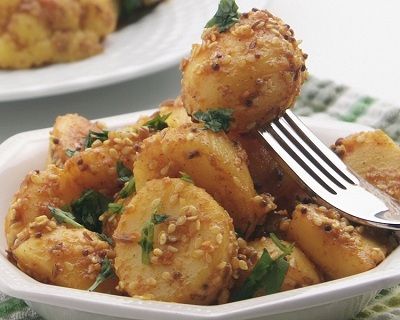
Bombay Potatoes
Bombay Potatoes is comfort food at its finest. Small potatoes are partially cooked, then coated in a richly spiced oil infused with seeds and aromatics. Some potatoes are mashed to create a creamy base, while others remain whole for texture. The result is a warm, golden, deeply spiced side dish that's utterly satisfying. This is a vegetarian staple of Indian home cooking.
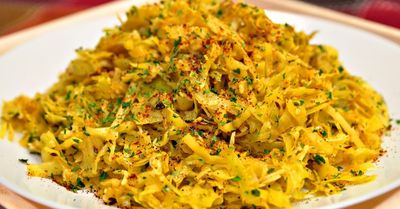
Cabbage Foogath
A foogath is the Goan version of a coconut-stir-fry vegetable: a temper of mustard seeds, dried red chilli, urad dal and curry leaves in coconut oil, sliced onion and garlic cooked briefly, then the vegetable tossed in over high heat. Fresh grated coconut is folded through at the end. The cabbage keeps a slight crunch and gets a nutty-sweet finish.