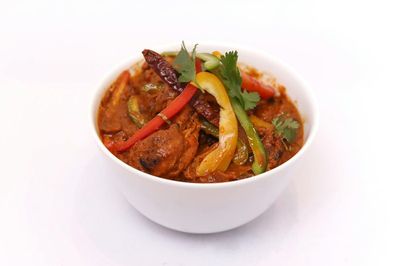
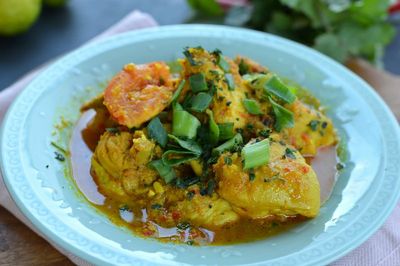
Chicken Jungle Curry
Spicy, thin jungle curry from Chiang Mai, traditionally made with jungle ingredients and game meat. No coconut milk; features a clear, flavorful broth with chicken and vegetables. Serve with sticky rice.
Thai
Tap a chip to add another filter, or use Clear all below.
Spicy, thin jungle curry from Chiang Mai, traditionally made with jungle ingredients and game meat. No coconut milk; features a clear, flavorful broth with chicken and vegetables. Serve with sticky rice.
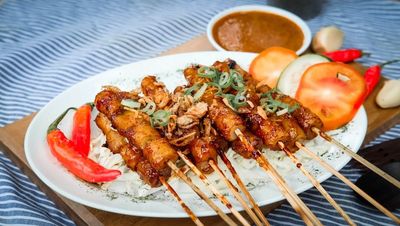
I’m a big fan of Thai chicken satay with peanut sauce. Although it isn’t necessary, it is best to marinate the chicken for at least a day. You could get away with 30 minutes but a longer marinating time will get you much tastier results. As the chicken soaks up that incredible marinade, it not only tenderizes it but makes it much juicier when cooked. This recipe could be used with thinly sliced pork or beef, both are also popular at Thai restaurants and takeaways. Pork is the meat of choice in Thailand but chicken is the most popular in the UK. I also like to serve this dish with cucumber and chilli relish.
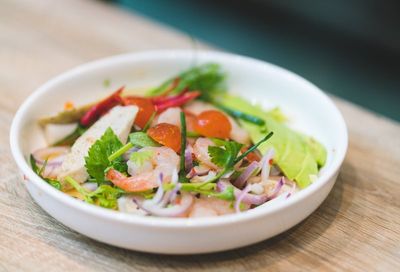
Spicy Thai salad with glass noodles, prawns, and pork. Nostalgic dish from Thai barbecues; serve hot or at room temperature.
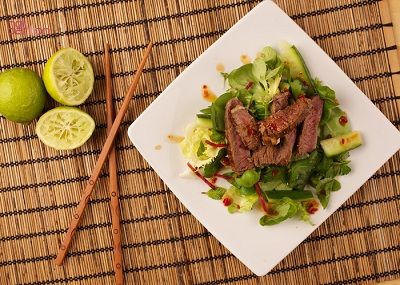
Go Bo Hoi An is a piquant Vietnamese beef salad featuring thinly sliced seared beef tossed with crisp vegetables, fresh herbs, and a bright tamarind-lime dressing. This dish has delicate undertones of lime and garlic which carry through the tamarind flavours perfectly. The combination of tender beef, crunchy vegetables, aromatic herbs, and crispy rice papers creates a textural and flavourful celebration of Vietnamese cuisine. Quick to make but requires advance preparation, ensure the salad, dressing, and toppings are made and ready to use before cooking the beef.
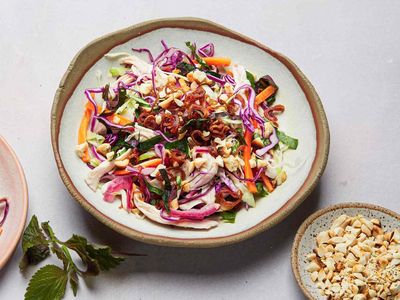
Poached chicken is shredded and tossed with finely shredded cabbage, carrot and onion that has been softened in a light vinegar bath. A bright nước chấm style dressing brings everything together and toasted peanuts and fried shallots finish the top. The trick is balance: the salad should be crunchy, not waterlogged, and the dressing should taste sharp on its own before it hits the salad.
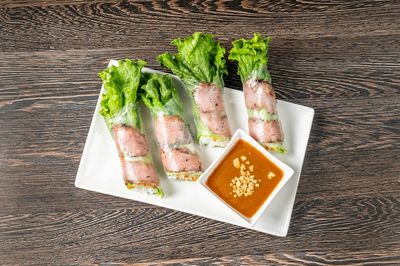
Pork belly is simmered until tender, prawns are poached briefly, and vermicelli is cooked just al dente. Everything cools to room temperature, then rice paper rounds are dipped briefly in warm water and rolled around lettuce, herbs and the protein with the pink of the prawns showing through the wrapper. The peanut-hoisin sauce is the make-or-break: it should be thick, sweet and lightly garlicky.
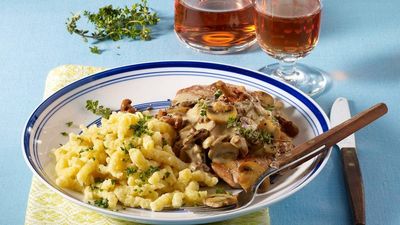
Pork loin escalopes pound thin, bread, and shallow-fry. While they crisp, a sauce of bacon, onion, mushrooms, white wine, stock and cream reduces in another pan. The schnitzel plates with the sauce on top (or alongside, if you want the crumb to stay crisp), with spätzle or boiled potatoes underneath.
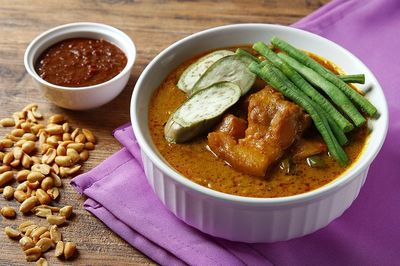
Oxtail simmers slow with aromatics until the meat is falling-tender. The cooking liquid thickens with toasted ground rice and peanut butter, gets coloured with annatto, and becomes a deep golden sauce. Vegetables join briefly at the end so they keep their texture. Bagoong on the side is non-negotiable.
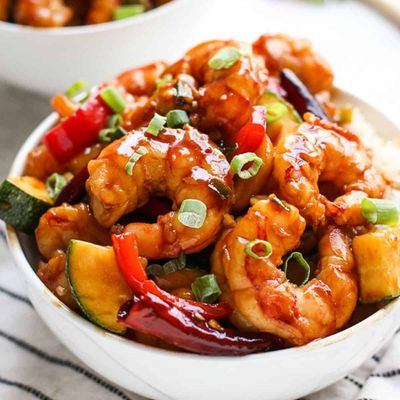
Kung pao (gongbao) shrimp is the seafood cousin of the classic Sichuan gongbao jiding, named for the 19th-century governor-general Ding Baozhen whose title was Gong Bao. Where the chicken version uses diced meat, the shrimp version keeps the prawns whole or halved so they curl into bright pink commas around the chillies and peanuts. The flavour profile is the signature Sichuan "lychee" balance: a touch of sweetness from sugar, sourness from black vinegar, salt and umami from soy, and the warm tingle (ma la) of toasted Sichuan peppercorn paired with the smoky bite of dried er jing tiao chillies. This is a fast dish, fundamentally a wok exercise: every ingredient must be prepped and lined up before the heat goes on, because once the chillies hit the oil you have maybe ninety seconds before everything is overcooked. Difficulty is moderate for a home cook with a working wok and high burner; the trick is keeping the chillies dark red and fragrant without scorching them black, and pulling the shrimp out the moment they curl. Served over plain rice it is one of the most rewarding ten-minute meals in the repertoire.
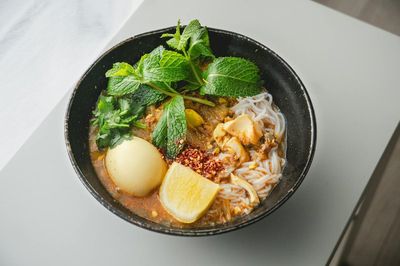
A two-part dish: a deeply concentrated prawn-and-chicken stock built from roasted prawn shells, layered with a freshly pounded laksa paste of dried chilli, galangal, lemongrass and candlenuts. The two are joined with coconut cream to create a glossy, fragrant broth that bathes rice vermicelli, tofu puffs and prawns. Finished at the table with sambal, lime, fresh coriander and bean sprouts.
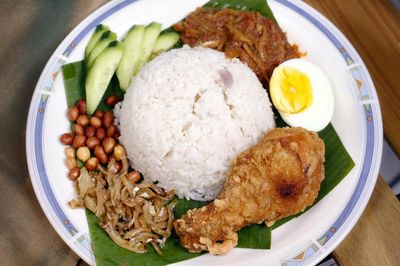
A platter built around fragrant coconut and lemongrass rice, served with a fiery sambal of dried anchovies and rehydrated chillies, then ringed with hard-boiled egg, sliced cucumber and fried peanuts. The sambal does most of the heavy lifting, sweet, sour, smoky and hot. The rice itself is gentle, designed to be a calming counterpoint to everything else on the plate.
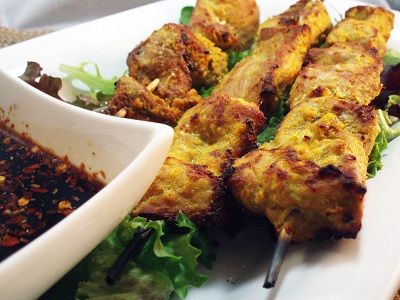
Indonesian-style pork satay featuring tender, spiced meat on bamboo skewers with a creamy, complex peanut sauce enriched with coconut milk. The pork is infused with a paste of lemongrass, ground spices, and aromatics, making each bite deeply flavorful. This dish showcases traditional Southeast Asian techniques and is perfect for entertaining.
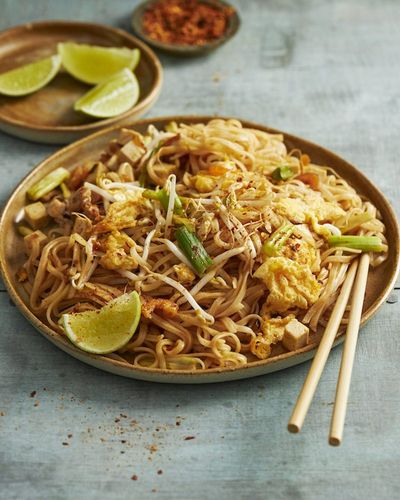
This classic Thai dish of noodles is both aromatic and lightly spicy, serving well as either a main course or a starter. Pad Thai combines stir-fried rice noodles with tender chicken, pork, and prawns in a balanced sauce of curry paste, oyster sauce, and fish sauce. Fresh herbs, crushed peanuts, and a squeeze of lime complete this iconic Thai street food favourite.
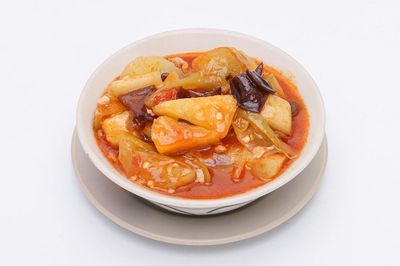
This is a very popular Chinese dish where the sweet and pungent flavours of the sauce combine beautifully with firm, succulent prawns. Simple to make and elegant enough for entertaining, it can be served as part of a larger Chinese meal or as a standalone starter. The balance of sweet, sour, spicy, and savoury creates an unforgettable sauce.
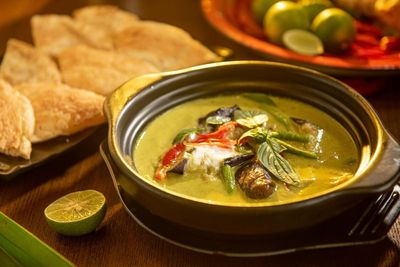
Rich, slow-cooked beef curry with Persian influences, featuring cinnamon, cardamom, and cloves. Tender beef and potatoes in coconut milk sauce; no vegetables traditionally, but can add. Serve with rice or enjoy as is.
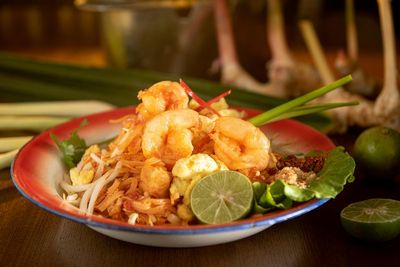
Pad thai began as a 1930s government-promoted national dish during a campaign to reduce rice consumption, and has since become Thailand's best-known noodle export. The success of any version comes down to the sauce: equal parts fish sauce, tamarind and palm sugar, with a spoonful of finely chopped pickled radish for backbone. Once the sauce is mixed the wok work is fast, with soft rice noodles, chicken, tofu, dried shrimp and egg joining in quick succession before the dish is finished with peanuts, chives, lime and chilli at the table.
A fragrant Vietnamese curry that blends French colonial influences with traditional Southeast Asian spicing. This dish showcases the Vietnamese love of balance, aromatic spices like star anise, cardamom, and cinnamon partner with earthy lemongrass and fresh chillies. The result is a warm, comforting curry with subtle sweetness and complex layered flavours. Even though Vietnam was colonized by the French, the traditional cuisine has more in common with their Chinese neighbours.