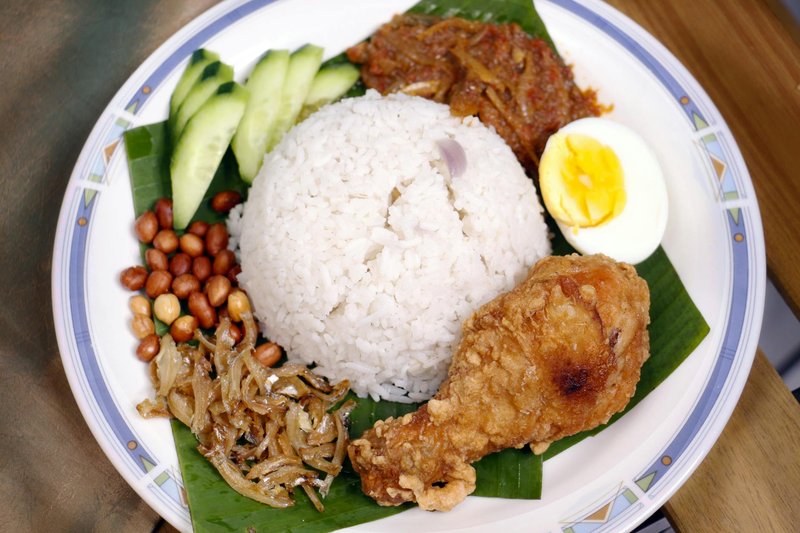
Nasi Lemak
Nasi lemak originated in Malay cuisine and is widely considered the national dish of Malaysia. The name translates as "rich rice", a reference to the coconut milk it is cooked in. It is eaten at all hours, from breakfast wrapped in banana leaf to a sit-down dinner.
Overview
A platter built around fragrant coconut and lemongrass rice, served with a fiery sambal of dried anchovies and rehydrated chillies, then ringed with hard-boiled egg, sliced cucumber and fried peanuts. The sambal does most of the heavy lifting, sweet, sour, smoky and hot. The rice itself is gentle, designed to be a calming counterpoint to everything else on the plate.
Ingredients
Coconut Rice
- 2 cups jasmine rice
- 400 ml can coconut milk
- 1 lemongrass stalk (bruised)
- Water (to top up, see method)
Spicy Ikan Bilis Sambal
- 10 dried long red chillies
- 2 fresh long red chillies
- 2 red shallots (roughly chopped)
- 1 garlic clove (chopped)
- 1 teaspoon shrimp paste
- ¼ cup peanut oil
- 1 cup dried anchovies (ikan bilis)
- 1 red onion (small, sliced into rings)
- 1 tablespoon brown sugar
- 1 tablespoon tamarind puree
To Serve
- Fried peanuts
- 2 hard-boiled eggs (halved)
- Sliced cucumber
- Ayam goreng (Malaysian fried chicken), optional
Method
Stage 1 - Cook the Coconut Rice
- Place the rice, coconut milk and lemongrass in a saucepan and settle the rice evenly across the base.
- Rest a finger on top of the rice and top up with water until the liquid reaches the first knuckle.
- Set over medium-high heat and simmer for 10 minutes, or until most of the liquid has evaporated.
- Cover with a lid, reduce the heat to low, and cook for a further 2 minutes.
- Turn off the heat and leave the rice to sit, covered, for 10 minutes.
Stage 2 - Soak the Dried Chillies
- Soak the dried chillies in hot water for 15 minutes to soften.
- Drain, squeezing out the excess liquid.
- Reserve the soaking liquid for later in the sambal.
Stage 3 - Pound the Sambal Paste
- Place the soaked chillies in a small food processor with the fresh chillies, shallots, garlic and shrimp paste.
- Process to a coarse paste.
Stage 4 - Build the Sambal
- Heat the peanut oil in a wok over high heat.
- Add the dried anchovies and stir-fry for about 5 minutes, until crisp.
- Lift out with a slotted spoon and drain on paper towel.
- Add the sliced onion to the same wok and cook, stirring occasionally, for 5 minutes.
- Transfer the onion to the plate with the anchovies.
- Add the chilli paste to the wok and reduce the heat to low.
- Cook, stirring often, for 5 minutes, until red oil rises to the surface.
- Stir in the brown sugar, tamarind puree and 2 tablespoons of the reserved chilli soaking liquid.
- Simmer for 5 minutes, until reduced.
- Fold the crispy anchovies and onion back into the sambal and tip into a serving bowl.
Stage 5 - Plate Up
- Use a fork to fluff up the coconut rice and lift out the lemongrass stalk.
- Spoon the rice onto plates and arrange the sambal alongside.
- Add the peanuts, halved eggs, cucumber and ayam goreng (if using) around the rice.
Notes
- Pandan vs lemongrass: Traditional nasi lemak uses pandan leaves to perfume the rice. If you can't find pandan, lemongrass or a few slices of ginger work well. Plain coconut milk is acceptable too.
- Ikan bilis: Dried anchovies are sold at Asian grocers, either frozen and raw (cook as in Stage 4) or shelf-stable and pre-fried (skip the frying and stir straight into the sambal).
- Sambal heat: Adjust by increasing or reducing the dried chillies. The fresh chillies add aromatic heat; the dried ones build the smoky base.
- Knuckle method: The first-knuckle water level is a long-standing rice-cook's trick. It only works if the rice sits in an even layer first.
Variations
Banana-leaf wrap: Wrap individual portions of rice, sambal, peanuts, egg and cucumber in banana leaves before serving for a traditional handheld presentation. Vegetarian: Replace the ikan bilis with crisp-fried tofu or roasted cashews and use a teaspoon of light soy sauce in place of shrimp paste.
Serving
Serve with: Ayam goreng, beef rendang, or a piece of grilled fish to make it a full meal Garnish with: A wedge of lime and extra crispy ikan bilis on top of the sambal
Storage
- Coconut rice keeps 2 days refrigerated; revive in the microwave with a splash of water to loosen
- Sambal keeps 1 week refrigerated in a sealed jar and improves after a day
- Best assembled fresh on the plate; do not pre-mix the components
Recipes mentioned here
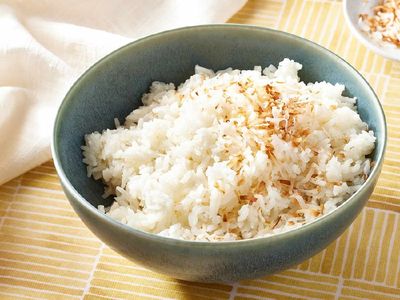
Coconut Rice
Plain steamed rice (often last night's leftovers) is the base. A hot temper of mustard seeds, urad dal, chana dal, cashews, dried red chilli and curry leaves is bloomed in coconut oil, then fresh grated coconut is folded in and warmed through. The rice is tossed through everything off the heat, so the grains stay separate and pick up flavour rather than soften.
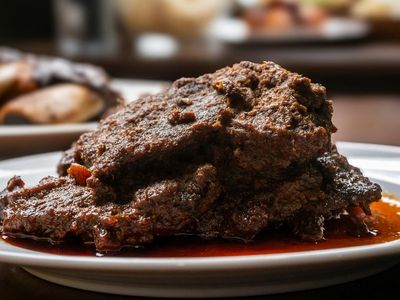
Beef Rendang
Rendang is a spicy meat dish which originated from the Minangkabau ethnic group of Indonesia, and is now commonly served across the country. One of the characteristic foods of Minangkabau culture, it is served at ceremonial occasions and to honour guests. This rich, aromatic curry features beef slowly simmered in coconut milk and spices until deeply flavoured.

Ayam Goreng (Malaysian Fried Chicken)
Bone-in chicken pieces are marinated with a freshly pounded spice paste of shallots, garlic, ginger, galangal, lemongrass and turmeric, then dipped in a thin egg and cornflour batter and shallow-fried until golden. The result is a deeply spiced, crackly-crusted fried chicken that picks up colour from the turmeric and depth from the toasted seeds. An overnight marinate is optional but rewards the wait.
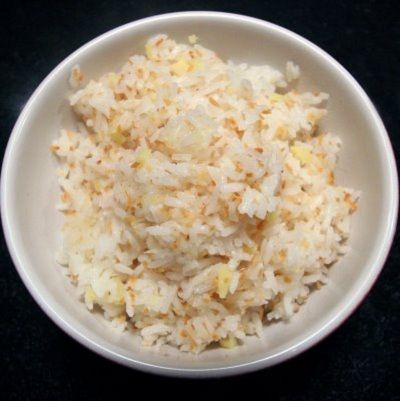
Coconut Rice
Coconut rice represents the intersection of technique and flavor in Indian cooking. The tempering of mustard and cumin seeds in hot oil releases their volatile aromatics, which then permeate the rice as it cooks. Curry leaves contribute herbaceous depth without overwhelming the dish. Coconut cream adds richness and subtle sweetness, creating a rice that's inherently interesting yet supportive of spiced dishes. The final resting period is crucial, steam completes the cooking while the flavors meld. This rice should taste aromatic with individual grains remaining separate.
More like this
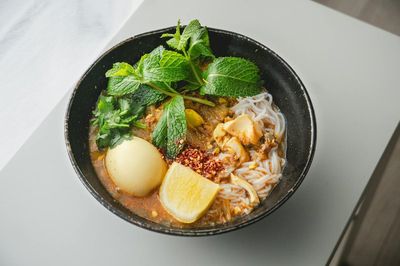
Malaysian Curry Laksa (Laksa Lemak)
A two-part dish: a deeply concentrated prawn-and-chicken stock built from roasted prawn shells, layered with a freshly pounded laksa paste of dried chilli, galangal, lemongrass and candlenuts. The two are joined with coconut cream to create a glossy, fragrant broth that bathes rice vermicelli, tofu puffs and prawns. Finished at the table with sambal, lime, fresh coriander and bean sprouts.
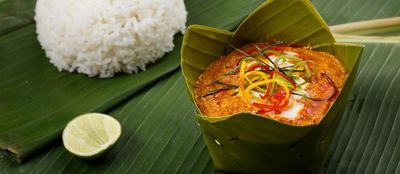
Amok Trey
Cambodia's national dish, the centrepiece of any Khmer feast and the proper-occasion food across the country. You start by pounding kroeung fresh in a mortar (the paste of lemongrass, galangal, turmeric, garlic, shallots, kaffir lime zest and coriander root that defines Khmer cooking, and that no shop-bought paste comes close to matching). The kroeung fries briefly to bloom its aromatics, coconut cream and stock loosen it, and eggs whisk in to set the eventual custard. Chunks of firm white fish fold through with chopped greens (traditionally noni leaves, with spinach or chard standing in), and the whole mix spoons into banana-leaf cups (or small ramekins). Twenty minutes in a steamer turns the custard just-set around the soft fish, and the banana leaves perfume everything. Served from the parcels with steamed rice and a wedge of lime.
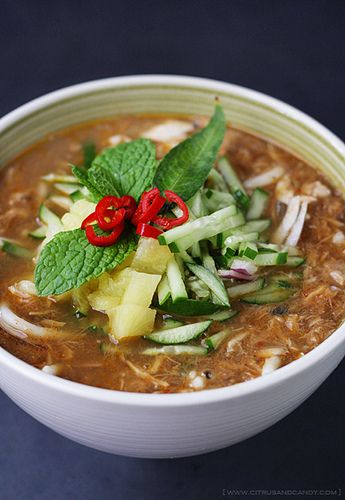
Fennel Shellfish Laksa
A fragrant Malaysian noodle soup combining shellfish with a spicy coconut curry broth, rice noodles, and fresh herbs. The balance of heat from chillies and creaminess from coconut milk makes it a comforting yet exotic dish.

Prik King
Prik king paste fries hard in oil until aromatic and the oil splits. Thinly sliced pork (or chicken) joins; sears for 4 minutes. Green beans (snake beans, French beans or fine green beans) go in for 5 minutes; fish sauce, palm sugar and torn kaffir lime leaves finish. Served over jasmine rice with fresh herbs.