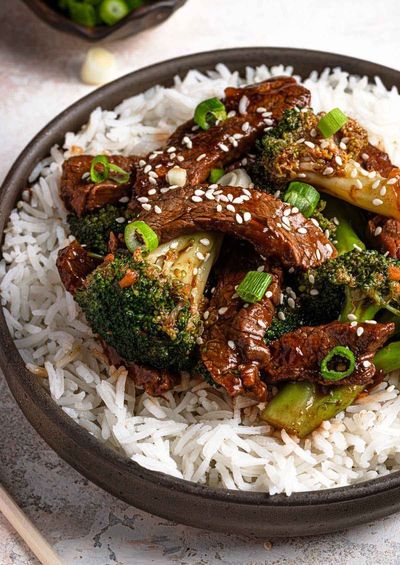
Beef and Broccoli
Sliced beef velvets briefly in cornflour and soy, broccoli florets blanch to bright green, and the lot stir-fries hard with garlic and ginger in a soy-oyster-rice-wine sauce. Served over steamed rice.
Chinese
Tap a chip to add another filter, or use Clear all below.
Sliced beef velvets briefly in cornflour and soy, broccoli florets blanch to bright green, and the lot stir-fries hard with garlic and ginger in a soy-oyster-rice-wine sauce. Served over steamed rice.
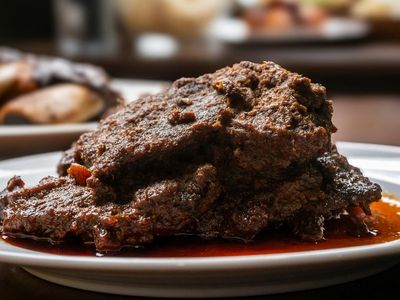
Rendang is a spicy meat dish which originated from the Minangkabau ethnic group of Indonesia, and is now commonly served across the country. One of the characteristic foods of Minangkabau culture, it is served at ceremonial occasions and to honour guests. This rich, aromatic curry features beef slowly simmered in coconut milk and spices until deeply flavoured.
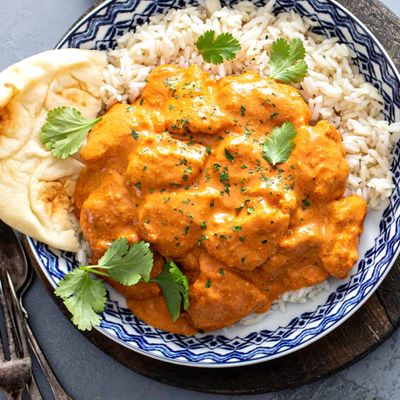
The BIR icon: tandoori-grilled chicken finished in a velvety tomato-onion sauce enriched with double cream, butter and a hit of garam masala at the end. Mildly spiced, lightly sweet, deeply savoury. The sauce is built on a paste of cooked onion, tomato and cashews / almonds, finished off-heat with cold butter for the signature gloss.
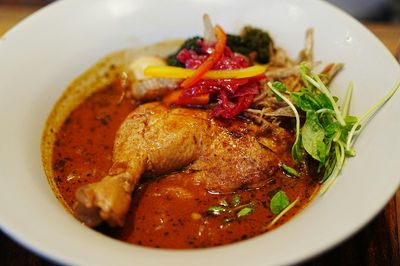
In many Caribbean stew dishes there is an initial step of burning sugar in oil which is used to brown the meat in. This adds a very unique sweetness to the stews from this region and this sweetness paired with the unmistakable flavour (and heat) from the wonderful scotch bonnet chilli is simply astounding. This curry uses curry powder for a fragrant and delicious result that captures the essence of Caribbean cooking.
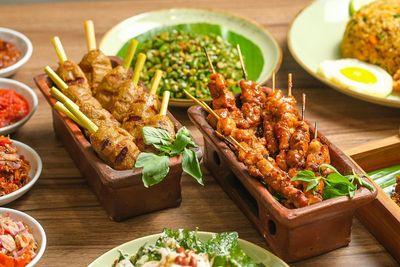
When cooking Chinese food, it's essential to think about the flavours and textures of ingredients working in harmony. Juicy chicken combined with succulent baby corn, tender vegetables, and salty, crunchy cashew nuts create a balanced dish where each element complements the others. A glossy sauce ties everything together without overwhelming delicate flavours.
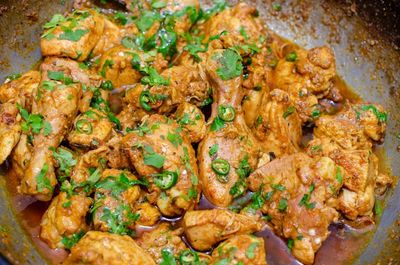
A bright and spicy Sri Lankan-inspired curry with a curry-house spin, featuring aromatic spices, coconut, and fresh curry leaves. It works beautifully as a banquet dish and can be extra hot with extra bird’s eye chillies and chilli powder. The subtle sweet-tang tuning makes it a favorite with rice and mild dhal.
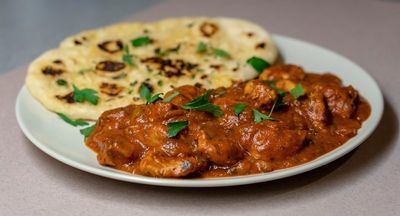
A sweet and smooth British-Indian chasni that pairs best with tandoori chicken tikka. Balanced mango chutney, mint sauce, and tomato ketchup give this curry bright sweetness and tang, while cream and optional red colouring deliver the signature rich appearance.
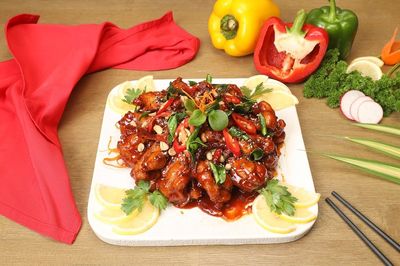
A bold, garlicky curry with a brisk curry-house kick. This jalfrezi-style dish uses plenty of fresh garlic, green chillies, and tandoori tikka, making it spicy but not overwhelming.
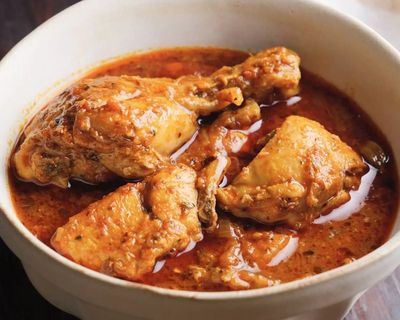
A vibrant do-piaza curry based on layered onion textures and warming spices. This version uses both seared onion petals and a yoghurt-onion paste to build depth; the result is a rich, savoury, mildly tangy curry that works with pre-cooked stewed chicken or freshly poached chicken.
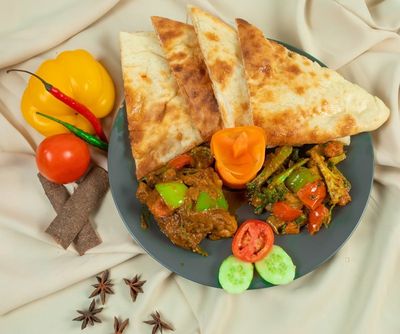
A curry-house jalfrezi inspired by a Balti House classic, featuring quick stir-fried peppers, chillies, onions and tender chicken in a light spiced sauce. It is traditionally dry and crisp, but can be adjusted for more sauce by adding extra base curry or stock.
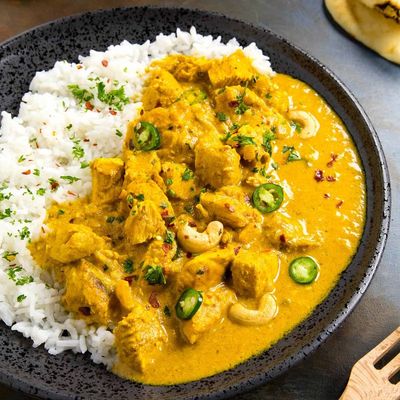
A creamy, nutty British-Indian korma that uses both block coconut and coconut flour for depth and body. This curry is rich yet balanced, with mild heat and a hint of sweetness from sugar, banana and rose water. Serve with white rice and a mild dhal for the full experience.
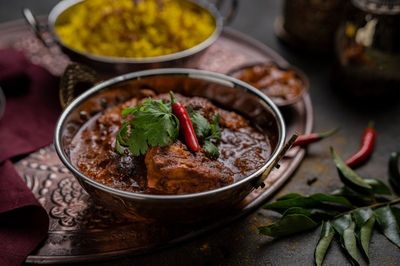
Fenugreek-forward chicken methi curry with a rich base sauce and a tangy cream finish. Fresh fenugreek leaves are ideal, but dried kasoori methi can provide the signature aroma, especially in supermarkets where fresh leaves are scarce. This curry is aromatic with anise notes and a subtle bitterness balanced by yoghurt.
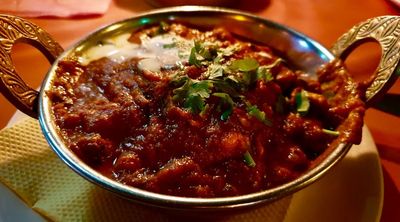
A British-Indian pathia curry with a sweet-and-sour profile, tuned for balanced acidity and a hint of chilli warmth. The recipe uses lemon, mango chutney and sugar for tang/sweetness, with optional red food colouring for the classic curry-house appearance.
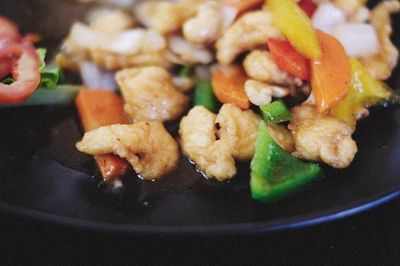
This is a hugely popular dish at Thai restaurants and takeaways, and my family love it. It is important to cut the chicken pieces so that they are about the same size as the cashews (although this is more for presentation as large chunks also work fine). You can mix the sauce and fry the cashews, chillies and chicken a day or so in advance, making this a dish you can cook up very quickly after work with little mess. The first time I tried making this recipe, I burnt the cashews and chillies. Don’t make the same mistake or you’ll have to start all over again. They don’t take long to colour in the oil and cashews aren’t cheap, so keep an eye on them. Although there’s nothing stopping you from doing so, the dried and fried chillies are not meant to be eaten. I like to serve this curry with jasmine rice.
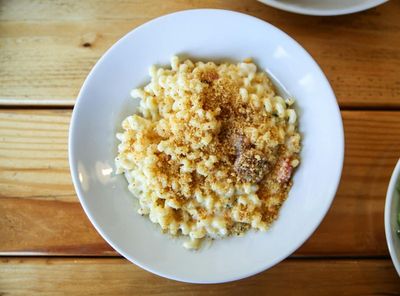
This is baked pasta at its most elegant. Fresh courgettes sear quickly to maintain their texture, salami provides salty richness, and a silky homemade béchamel unites everything. Baked under a golden Parmesan crust until crispy and bubbling, this dish works as a first course, main course, or served at room temperature as a cold dish. The textural contrast between the creamy sauce and crispy top is essential.
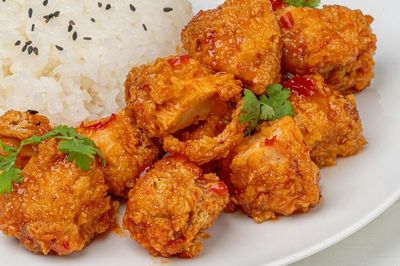
This iconic American-Chinese dish combines deep-fried chicken with a sweet, spicy, and slightly tangy sauce. General Tso's chicken exemplifies the bold flavours of outside China Chinese cooking, where heat from dried chillies, sweetness from sugar, and complexity from vinegar create a sauce that is bold yet balanced. Restaurant-quality results require proper oil temperature and crispy, well-coated chicken.
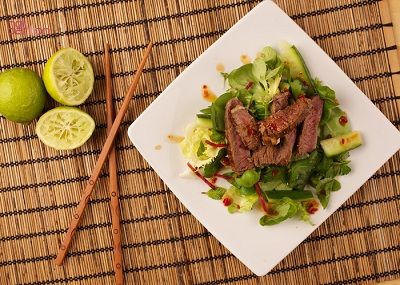
Go Bo Hoi An is a piquant Vietnamese beef salad featuring thinly sliced seared beef tossed with crisp vegetables, fresh herbs, and a bright tamarind-lime dressing. This dish has delicate undertones of lime and garlic which carry through the tamarind flavours perfectly. The combination of tender beef, crunchy vegetables, aromatic herbs, and crispy rice papers creates a textural and flavourful celebration of Vietnamese cuisine. Quick to make but requires advance preparation, ensure the salad, dressing, and toppings are made and ready to use before cooking the beef.
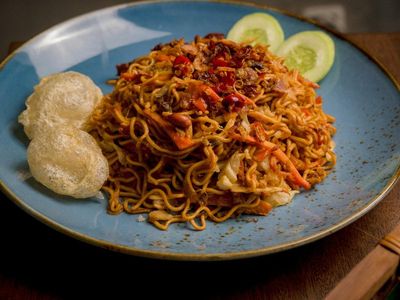
Fresh egg noodles tossed in a glossy, sweet-savoury sauce of kecap manis, soy, ketchup, sesame oil and shrimp paste, with pork, prawns, cabbage and bean sprouts. The dish is finished with thin egg ribbons and a scatter of spring onion. Quick to cook once the components are prepped, but rewards a properly hot wok and a sauce mixed in advance.
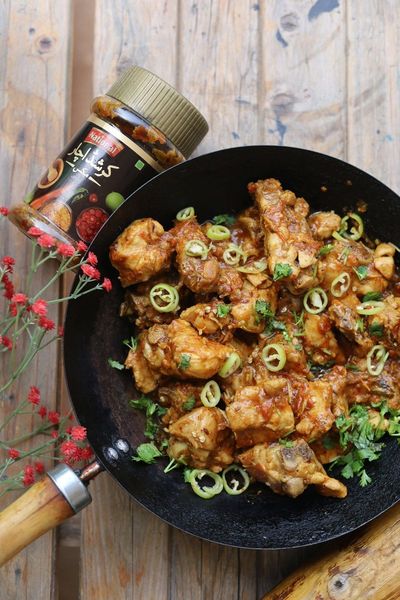
An aromatic curry-house classic that blends tandoori chicken with a sweet-spicy sauce of nuts, spices, banana and mango chutney. This dish is cooked quickly once the base sauce is ready, making it ideal for a flavorful weeknight meal or part of a banquet. Raisins add a pleasant sweetness and balance to the heat.
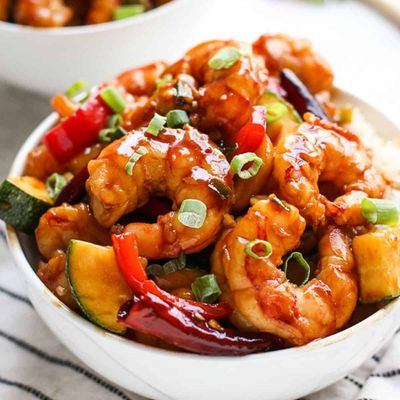
Kung pao (gongbao) shrimp is the seafood cousin of the classic Sichuan gongbao jiding, named for the 19th-century governor-general Ding Baozhen whose title was Gong Bao. Where the chicken version uses diced meat, the shrimp version keeps the prawns whole or halved so they curl into bright pink commas around the chillies and peanuts. The flavour profile is the signature Sichuan "lychee" balance: a touch of sweetness from sugar, sourness from black vinegar, salt and umami from soy, and the warm tingle (ma la) of toasted Sichuan peppercorn paired with the smoky bite of dried er jing tiao chillies. This is a fast dish, fundamentally a wok exercise: every ingredient must be prepped and lined up before the heat goes on, because once the chillies hit the oil you have maybe ninety seconds before everything is overcooked. Difficulty is moderate for a home cook with a working wok and high burner; the trick is keeping the chillies dark red and fragrant without scorching them black, and pulling the shrimp out the moment they curl. Served over plain rice it is one of the most rewarding ten-minute meals in the repertoire.