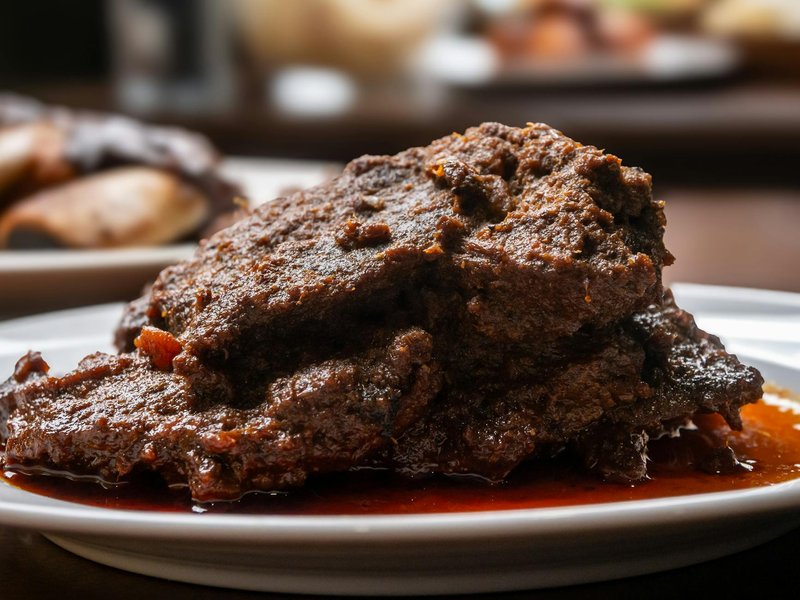
Beef Rendang
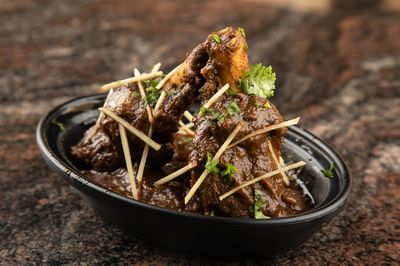
Indonesia's slow-cooked rendang: beef braised in coconut milk and a fierce paste of chilli, lemongrass.
Overview
Rendang is a spicy meat dish which originated from the Minangkabau ethnic group of Indonesia, and is now commonly served across the country. One of the characteristic foods of Minangkabau culture, it is served at ceremonial occasions and to honour guests. This rich, aromatic curry features beef slowly simmered in coconut milk and spices until deeply flavoured.
Serves: 6 Prep Time: 25 minutes
Ingredients
Rendang Spice Paste
- 100 grams grated fresh coconut
- 8 dried Kashmiri chillies
- 2 tablespoons coriander seeds
- 1 teaspoon cumin seeds
- 1 teaspoon turmeric powder
- 225 grams shallots (roughly chopped)
- 30 grams garlic (roughly chopped)
- 50 grams peeled galangal (or ginger)
- 6 hot red bird's eye chillies (de-seeded and roughly chopped)
- 100 ml water
Beef Rendang
- 3 tablespoons coconut oil
- 1 ½ kg braising steak (cut into chunks)
- 800 ml canned coconut milk
- 4 lemongrass stalks (bruised)
- 12 dried kaffir lime leaves (crumbled)
- 2 cinnamon sticks
- 125 ml tamarind water
- 1 tablespoon palm sugar
- Salt to taste
Method
Stage 1 - Make the Spice Paste
- Heat a dry, heavy-based frying pan over medium heat.
- Add the coconut and stir for a few minutes until richly golden, don't let it burn.
- Tip into a food processor and leave to cool.
- Put the dried Kashmiri chillies, coriander seeds, and cumin seeds into a spice grinder and grind to a fine powder.
- Add this to the processor with the rest of the spice paste ingredients and 100 ml water.
- Blend to a smooth-ish paste.
Stage 2 - Make the Rendang
- Heat the coconut oil in a large, heavy-based frying pan.
- Add the beef and fry briefly until it has changed colour but not browned.
- Add the spice paste, coconut milk, lemongrass, lime leaves, cinnamon sticks, and 1 ½ teaspoons salt.
- Bring to the boil, reduce the heat, and add the tamarind water.
- Leave to simmer, uncovered, for 2 ½ hours, stirring occasionally and more frequently towards the end, until the beef is tender and the sauce has reduced and thickened.
- Remove the lemongrass and stir in the palm sugar. Season to taste.
Notes
- Key technique: Slow simmering is essential, the sauce must reduce significantly to concentrate flavours and coat the meat.
- Tamarind water: Soak 60 grams of tamarind pulp in 125 ml hot water for 5 minutes. Break up with your fingers and strain through a fine-meshed sieve, discarding fibrous material and seeds.
- Substitutions: Use ginger if galangal is unavailable; adjust chilli heat by reducing bird's eye chillies.
- Make-ahead: Rendang tastes better the next day as flavours develop and deepen.
Serving
Serve with: Jasmine rice and a fresh cucumber salad to balance the richness
Storage
- Keeps 4 days refrigerated
- Freezes well up to 3 months
- Flavour improves after 24 hours
More like this
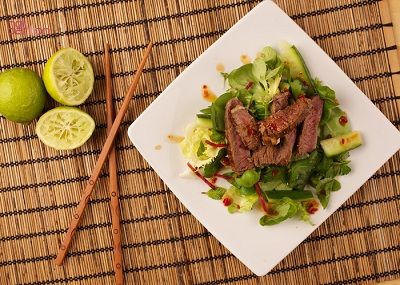
Go Bo Hoi an
Go Bo Hoi An is a piquant Vietnamese beef salad featuring thinly sliced seared beef tossed with crisp vegetables, fresh herbs, and a bright tamarind-lime dressing. This dish has delicate undertones of lime and garlic which carry through the tamarind flavours perfectly. The combination of tender beef, crunchy vegetables, aromatic herbs, and crispy rice papers creates a textural and flavourful celebration of Vietnamese cuisine. Quick to make but requires advance preparation, ensure the salad, dressing, and toppings are made and ready to use before cooking the beef.
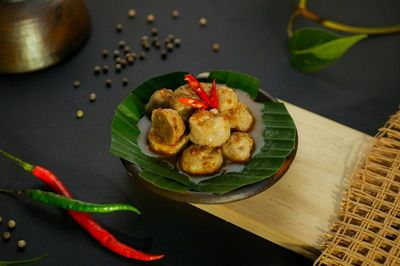
Indonesian Meatballs
Tender chicken meatballs simmered in a fragrant coconut and curry sauce, this Indonesian classic combines aromatic spices with creamy coconut milk for a comforting, flavourful dish. The meatballs stay moist and are infused with lemongrass and lime leaves for authentic flavour.
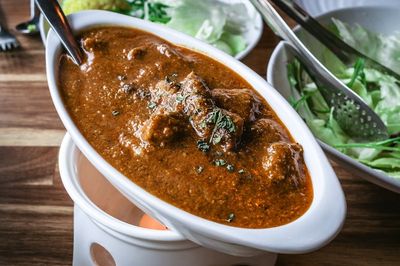
Lamb Achari
A Punjabi-inspired achari curry featuring pickle spices like panch poran and dried chillies, balanced with sweet mango chutney and tangy lime pickle. This dish captures the essence of Indian pickles in a rich, flavorful lamb curry.
Lamb Bhuna
A restaurant-style bhuna using pre-cooked lamb for speed, while keeping the dry, intensely-flavoured finish. The classic bhuna technique is approximated with quick spice frying, and lamb is finished in a rich, reduced sauce.