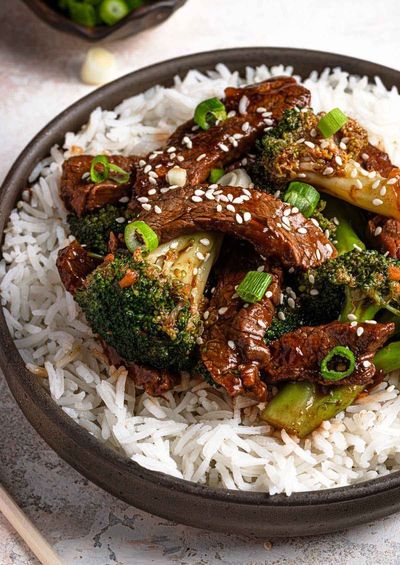
Beef and Broccoli
Sliced beef velvets briefly in cornflour and soy, broccoli florets blanch to bright green, and the lot stir-fries hard with garlic and ginger in a soy-oyster-rice-wine sauce. Served over steamed rice.
Chinese
Tap a chip to add another filter, or use Clear all below.
Sliced beef velvets briefly in cornflour and soy, broccoli florets blanch to bright green, and the lot stir-fries hard with garlic and ginger in a soy-oyster-rice-wine sauce. Served over steamed rice.
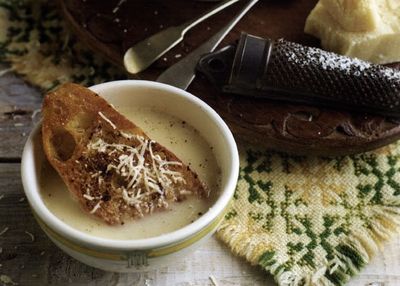
This comforting beef and wine soup from the Italian Alps combines rich beef stock with white wine for a warming broth. Topped with cinnamon-spiced toasted bread and creamy Parmesan, it's a simple yet elegant dish that highlights the region's culinary influences. Perfect for a cozy meal.
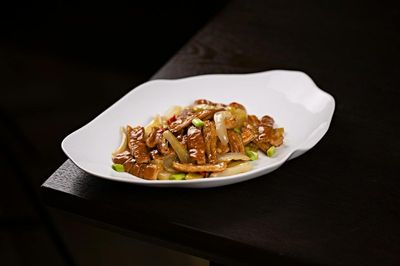
A quick and elegant stir-fry that balances savoury oyster sauce with tender beef. This dish exemplifies the Chinese technique of high-heat cooking to seal flavours while keeping meat moist. Quality oyster sauce is essential, it should deepen the dish rather than dominate it.
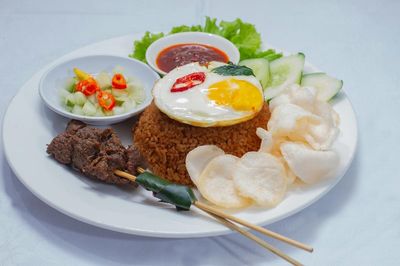
Indonesia's national fried rice, traditionally a way to put yesterday's leftovers to work and now a fixture from street stalls to weeknight kitchens. Beef mince keeps the cooking time short, while kecap manis, soy, shrimp paste and a crumbled stock cube layer the savouriness from four directions. The trick is pressing the rice into the wok and leaving it alone long enough to pick up a proper char before tossing.
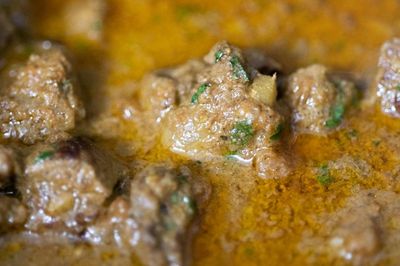
A thick, sweet Panang curry with peanuts, served over jasmine rice. Similar to red curry but sweeter and thicker; add vegetables for extra nutrition or keep traditional.
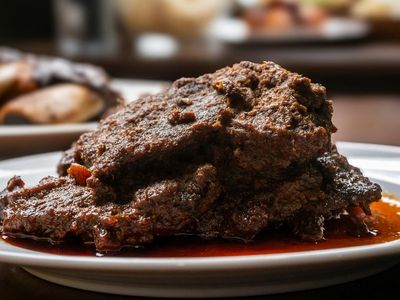
Rendang is a spicy meat dish which originated from the Minangkabau ethnic group of Indonesia, and is now commonly served across the country. One of the characteristic foods of Minangkabau culture, it is served at ceremonial occasions and to honour guests. This rich, aromatic curry features beef slowly simmered in coconut milk and spices until deeply flavoured.
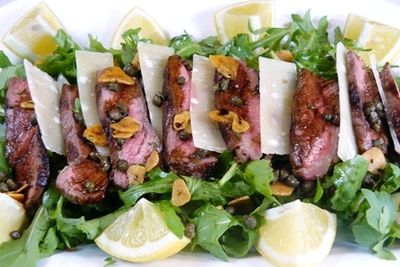
Beef Tagliata is an elegant simplicity itself: thick-cut sirloin seared until a golden crust forms, rested to retain its juices, then sliced thin. The accompanying rosemary-infused oil with lemon zest and juice creates a sophisticated dressing that adds depth without heaviness, while peppery rocket and Parmesan shavings provide textural contrast. This is a dish that celebrates the quality of the beef and the importance of proper technique.
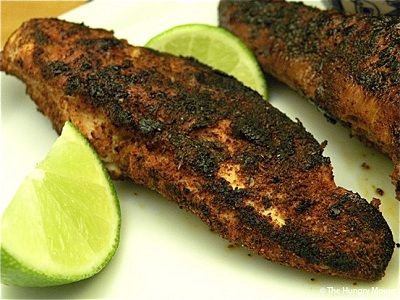
The Cajun classic invented by Paul Prudhomme in his New Orleans kitchen in the 1980s, the dish that put smoky char on the American restaurant menu for a decade. You build a bold spice mixture (paprika, garlic, onion, thyme, cayenne, salt and black pepper), dip butterflied chicken breasts in melted butter and press them firmly into the spice rub on both sides. Then they hit a screaming-hot cast-iron skillet for about three minutes per side, where the butter and spices char into a deep mahogany crust that locks the juices in and gives the chicken its defining smoky finish. The technique works equally well on fish (Prudhomme's original was redfish), pork or beef. Eaten sliced over a salad, layered in a sandwich with remoulade, or alongside dirty rice as a proper Cajun plate.
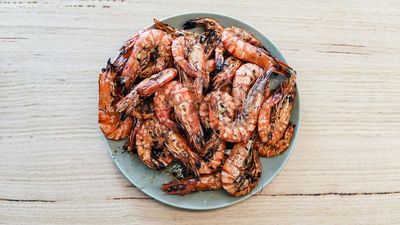
A simple, elegant preparation favoured by street vendors throughout southern China. This quick-braising method takes only minutes and produces tender, fragrant prawns. The beauty of this dish lies in its simplicity, fresh ginger and spring onions infuse the delicate sweetness of prawns. Equally delicious served hot immediately or chilled for an exotic picnic dish.
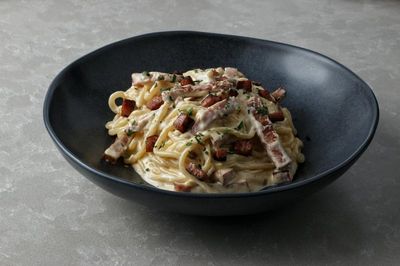
Bucatini Carbonara is a masterclass in simplicity and technique. Five ingredients, pasta, eggs, Pecorino Romano, pancetta, and salt, combine to create a rich, creamy sauce without any cream. The success lies in temperature control: hot pasta cooks the raw eggs to silken perfection without scrambling. This is Roman street food elevated to art.
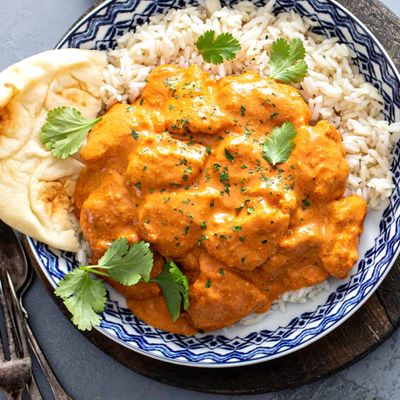
A rich, creamy tomato-based curry with mild spice and buttery finish. A BIR-style adaptation of murgh makhani.
The BIR icon: tandoori-grilled chicken finished in a velvety tomato-onion sauce enriched with double cream, butter and a hit of garam masala at the end. Mildly spiced, lightly sweet, deeply savoury. The sauce is built on a paste of cooked onion, tomato and cashews / almonds, finished off-heat with cold butter for the signature gloss.
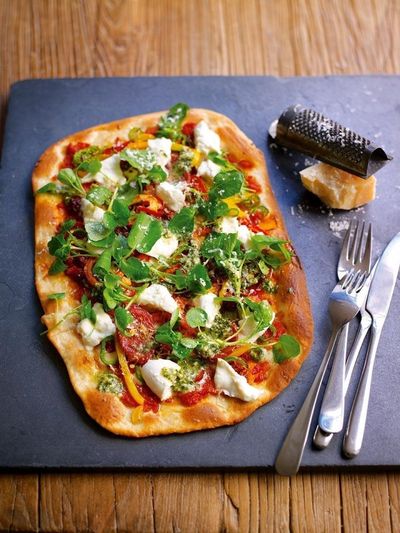
A pizza built on layered heat: nduja, roquito peppers, fresh green chilli, Calabrese sausage and a touch of dried oregano. After baking, torn fior di latte and a watercress-pesto salad are scattered on top for cool, peppery contrast. A bold pizza that needs a properly hot oven and a confident hand with the spice.
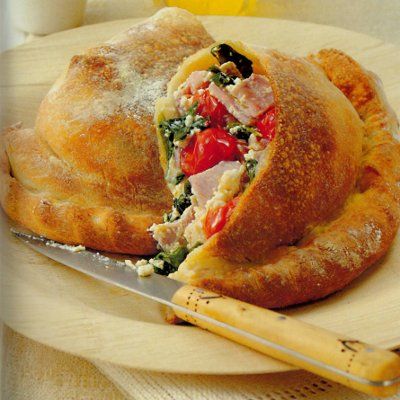
The calzone is pizza's elegant cousin, pizza dough folded like an envelope and sealed, enclosing a luxurious filling of pancetta, cherry tomatoes, ricotta, and basil. The sealed construction creates its own moist environment, keeping the filling tender while the exterior becomes crisp and golden. This is rustic Italian cooking with refinement.
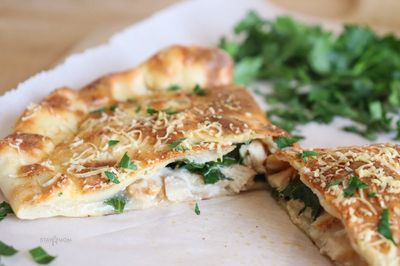
A solo calzone built around a béchamel base rather than the more common tomato sauce, giving the filling a richer, lasagna-like character. Cooked chicken, prosciutto, button mushrooms and spinach pile onto a single oval of thin pizza dough, drenched in white sauce and folded into a sealed half-moon. Two finishing flourishes lift the bake: a final brush of garlic butter and a snowfall of grated Riserva that bubbles in the last minute.
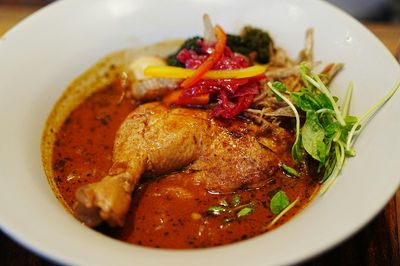
In many Caribbean stew dishes there is an initial step of burning sugar in oil which is used to brown the meat in. This adds a very unique sweetness to the stews from this region and this sweetness paired with the unmistakable flavour (and heat) from the wonderful scotch bonnet chilli is simply astounding. This curry uses curry powder for a fragrant and delicious result that captures the essence of Caribbean cooking.
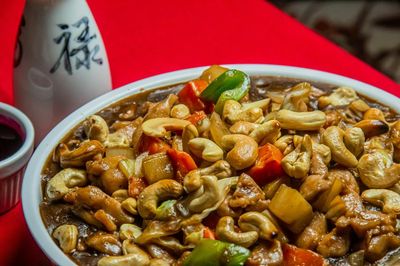
This dish exemplifies the Chinese penchant for contrasting textures. Tender succulent pieces of chicken are paired with sweet, crunchy cashew nuts and a delicate sauce. While the original Chinese version would have used peanuts (as cashews were not traditionally featured in Chinese cookery), this adaptation showcases how the cuisine evolves while maintaining its core philosophy of textural harmony.
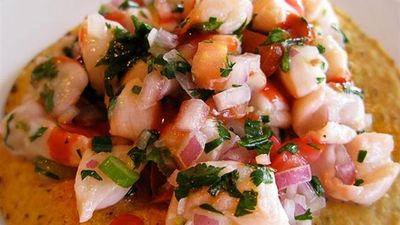
Ceviche is a vibrant, no-cook appetizer in which fresh seafood is "cooked" by the acidity of lime juice, taking on a firm, opaque texture while retaining a wonderfully fresh flavour. The addition of mango, citrus segments, and fresh chilli creates a bright, tropical balance of sweet, sharp, and heat.
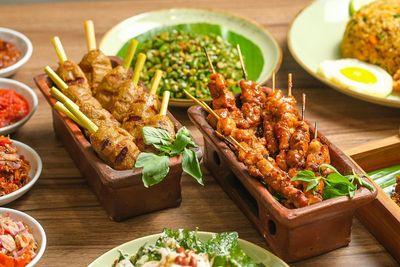
When cooking Chinese food, it's essential to think about the flavours and textures of ingredients working in harmony. Juicy chicken combined with succulent baby corn, tender vegetables, and salty, crunchy cashew nuts create a balanced dish where each element complements the others. A glossy sauce ties everything together without overwhelming delicate flavours.
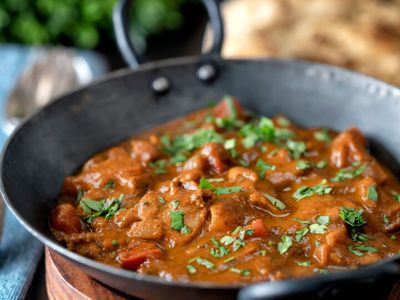
Birmingham's defining curry, cooked hard and fast in a thin two-handled steel balti pan over a roaring flame. The high heat caramelises the masala onto the meat and burns off the oil, leaving a slightly smoky, tomato-forward sauce. Eaten straight from the pan with naan; the sauce is medium-thick, not soupy.