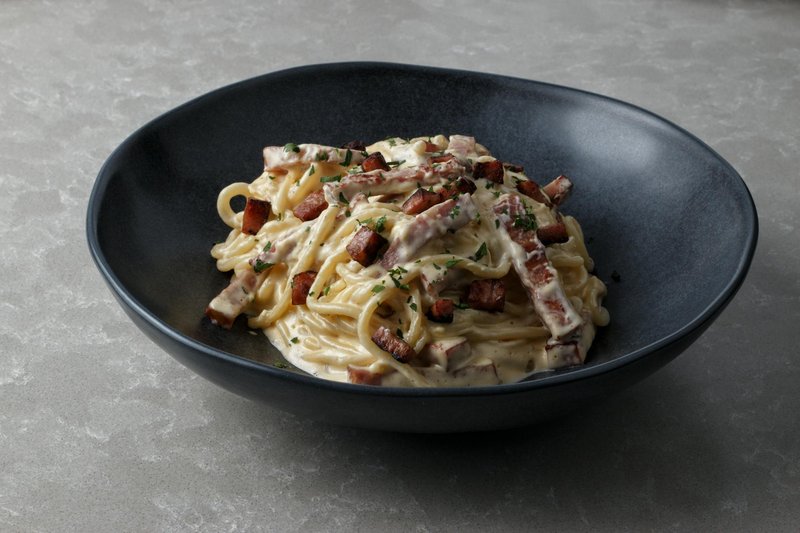
Bucatini Carbonara
Rome's great carbonara: hot pasta cooking eggs into a silken sauce with pancetta smokiness and Pecorino Romano sharpness. No cream. The hollow noodle holds it.
Overview
Bucatini Carbonara is a masterclass in simplicity and technique. Five ingredients, pasta, eggs, Pecorino Romano, pancetta, and salt, combine to create a rich, creamy sauce without any cream. The success lies in temperature control: hot pasta cooks the raw eggs to silken perfection without scrambling. This is Roman street food elevated to art.
Ingredients
Pancetta Base
- 250 grams smoked pancetta (cut into 5 mm strips)
- 3 tablespoons extra virgin olive oil
- 15 grams salted butter
Egg Sauce
- 4 eggs (large)
- 4 tablespoons pecorino romano (freshly grated)
- salt
- pepper
Pasta & Garnish
- 500 grams bucatini
- 4 tablespoons fresh flat-leaf parsley (finely chopped)
- Pecorino Romano for serving
Method
Stage 1 - Prepare Ingredients
- Cut pancetta into short 5 mm strips.
- In a bowl, whisk together eggs, half the Pecorino Romano, parsley, and five grinds of black pepper.
- Set aside at room temperature.
Stage 2 - Cook Pancetta
- Heat oil and butter in a large frying pan over medium heat.
- Add pancetta and fry for about 5 minutes until golden and crispy, stirring occasionally.
- Remove from heat and set aside in the warm pan.
Stage 3 - Cook Pasta
- Cook bucatini in a large saucepan of boiling salted water until al dente.
- Drain thoroughly, reserving a small cup of pasta water.
Stage 4 - Combine & Finish
- Tip hot pasta into the pan with the pancetta (off the heat).
- Pour the egg mixture over the pasta.
- Mix everything together vigorously for 30 seconds with a wooden spatula (the heat from the pasta will cook the egg into a silken sauce).
- If the mixture seems too dry, add a splash of reserved pasta water and stir again.
- Season with additional salt and pepper if needed.
- Serve immediately in warmed bowls, topped with remaining Pecorino Romano.
Notes
- Temperature Control: Never cook on heat after adding the eggs; direct heat scrambles the eggs. The residual heat of the hot pasta is sufficient.
- No Cream: This is non-negotiable for authentic carbonara. The eggs and Pecorino create the creaminess.
- Bucatini Choice: The hollow center allows sauce to penetrate. Spaghetti or linguine work as alternatives.
- Pancetta: Smoked pancetta is traditional. Guanciale (cured pork jowl) is the most authentic but harder to source.
Variations
With Guanciale: Use 200g guanciale instead of pancetta for the most authentic Roman version. Extra Pepper: Add an extra teaspoon of freshly ground black pepper for "cacio e pepe" style.
Serving
Serve with: Crispy bread rubbed with garlic and olive oil Garnish with: Abundant freshly grated Pecorino Romano and cracked black pepper
Storage
- Best served immediately
- Not suitable for freezing; the egg-based sauce breaks down
- Leftover carbonara is best enjoyed cold or room temperature the next day
More like this
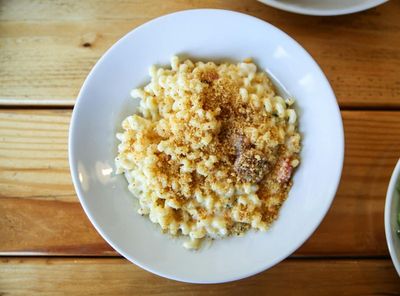
Crispy Topped Pasta with Courgettes and Salami
This is baked pasta at its most elegant. Fresh courgettes sear quickly to maintain their texture, salami provides salty richness, and a silky homemade béchamel unites everything. Baked under a golden Parmesan crust until crispy and bubbling, this dish works as a first course, main course, or served at room temperature as a cold dish. The textural contrast between the creamy sauce and crispy top is essential.
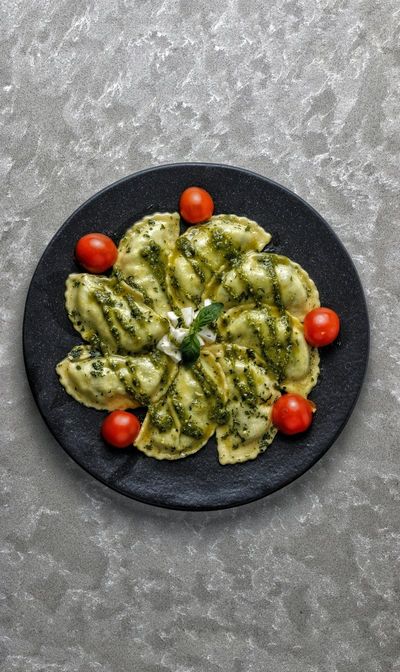
Ham-Filled Pasta (Mezzelune)
These tender, handmade pasta parcels are filled with a harmonious mixture of ricotta, cooked ham, sun-dried tomatoes, and basil, bound with Pecorino cheese. They're served simply with a warm oil infused with crispy chorizo. The key is making fresh, tender pasta and not overfilling; quality matters more than quantity.
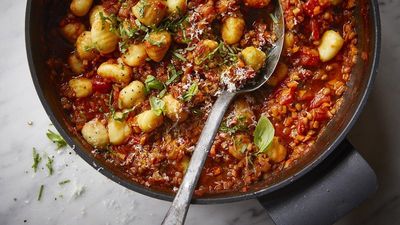
Ragù with Gnocchi
This ragù blends deep browning, layered aromatics, and a long, gentle oven braise to create a sauce with rich umami, silky texture, and balanced brightness. A two-milk finish adds softness, while a quick red wine gastrique lifts the sauce at the end.
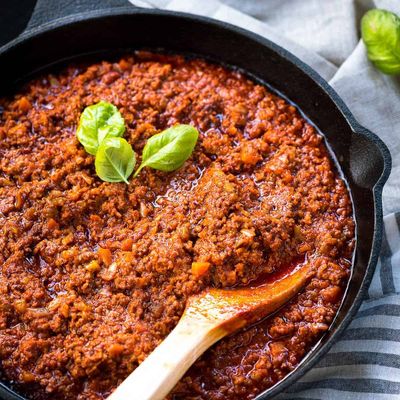
Restaurant-Style Ragù
True ragu demands patience, precision, and respect for the process. Ground beef (or a beef and pork mix) browns deeply in batches to build caramelization without steaming. Aromatic vegetables soften slowly until sweet. Tomato paste darkens and concentrates its flavor through caramelization. Red wine deglazes and cooks off. Then comes the long, gentle simmer, 1 hour 45 minutes to 2 hours, where flavors meld and deepen into something far greater than the sum of its parts. This is not a quick sauce; it is an investment in excellence.