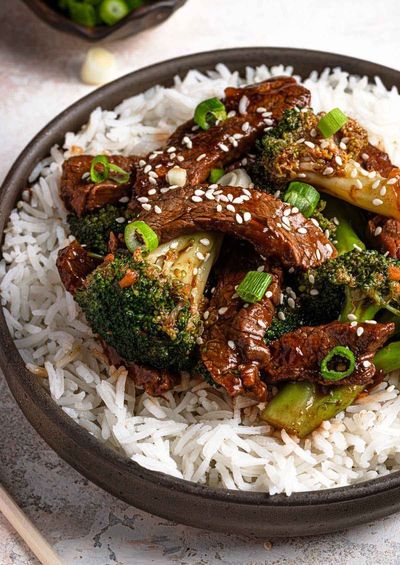
Beef and Broccoli
Sliced beef velvets briefly in cornflour and soy, broccoli florets blanch to bright green, and the lot stir-fries hard with garlic and ginger in a soy-oyster-rice-wine sauce. Served over steamed rice.
Chinese
Tap a chip to add another filter, or use Clear all below.
Sliced beef velvets briefly in cornflour and soy, broccoli florets blanch to bright green, and the lot stir-fries hard with garlic and ginger in a soy-oyster-rice-wine sauce. Served over steamed rice.
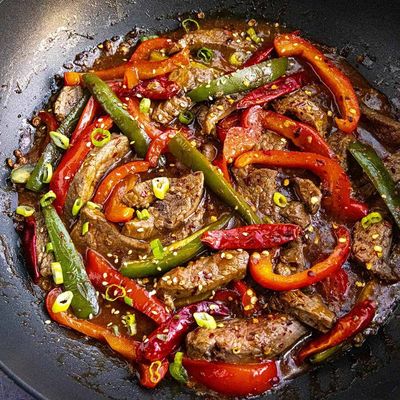
A Burmese curry from the country's Indian-origin community, sitting somewhere between a Madras and a Burmese ohn-no in spice profile. You marinate chunks of beef chuck or shin in turmeric, fish sauce and salt while you fry onions in oil until they're deep brown - that long onion fry is the foundation. The beef browns in the same oil, then ginger-garlic paste, paprika and chilli powder go in, then tomato and water turn it into a stew. Two hours of slow simmer until the meat falls apart at a fork. The signature finish is the see byan, a deep red-orange oil slick that rises to the top of the curry as it reduces, which is what the dish is named for. Eaten with rice or paratha, and a small bowl of pickled vegetable on the side.
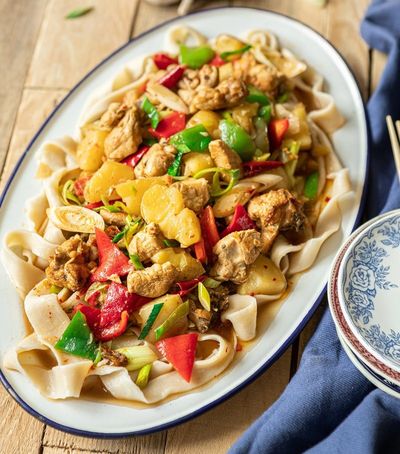
A dish that wears its multi-culture origin on its sleeve: chicken, potato and green pepper in a sweet-savoury soy-based braise (the Han Chinese influence), with star anise, Sichuan pepper, cumin and dried chilli (the Uyghur side), thickened by the starch from chunks of potato, ladled over flat hand-cut belt noodles. The sauce is the centrepiece. Browning sugar in oil before the chicken goes in builds a dark caramel that turns the whole braise a deep brick-red, and the soy underneath gives it weight; the Sichuan peppercorns add a mild numbness rather than dominating. Smell is rich, sweet, slightly spicy, with anise drifting through. Not difficult but not quick, 45 minutes once the prep is done, and the belt noodles are a small project on their own. Born in the 1980s in northern Xinjiang where a generation of Han Chinese migrants opened restaurants alongside the existing Uyghur food economy; the dish is the synthesis of those two traditions and is now the signature dish of Xinjiang cuisine, eaten across China and beyond.
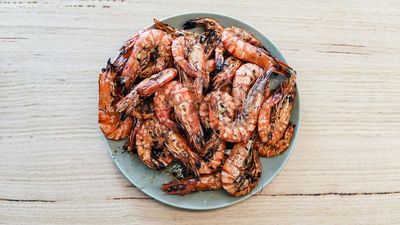
A simple, elegant preparation favoured by street vendors throughout southern China. This quick-braising method takes only minutes and produces tender, fragrant prawns. The beauty of this dish lies in its simplicity, fresh ginger and spring onions infuse the delicate sweetness of prawns. Equally delicious served hot immediately or chilled for an exotic picnic dish.
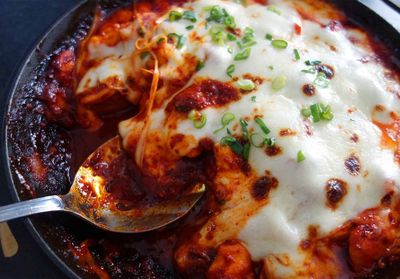
Boneless chicken thighs cube small; marinate for 1 hour in gochujang, gochugaru, soy, garlic, ginger, sugar and sesame oil. Pan-grill in a wide cast-iron skillet over medium-high until the sauce caramelises and the chicken is just cooked. Off heat, generous mozzarella scatters across the top; cover briefly or finish under a grill to melt. Top with sesame seeds and spring onions.
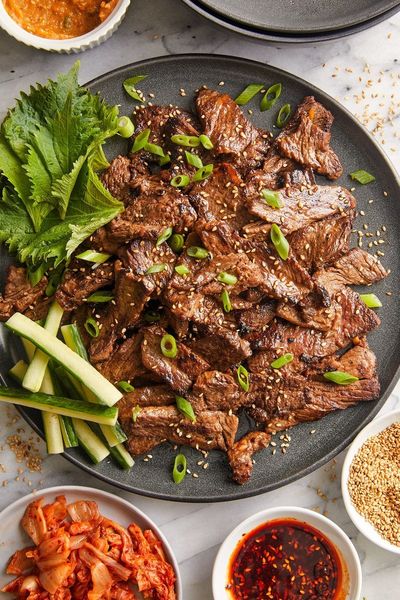
Rib-eye or sirloin sliced paper-thin sits in a marinade of soy, brown sugar, sesame oil, garlic, ginger and grated Asian pear (or apple), then sears hard in a screaming-hot pan or on a BBQ. Served wrapped in lettuce leaves with rice and ssamjang.
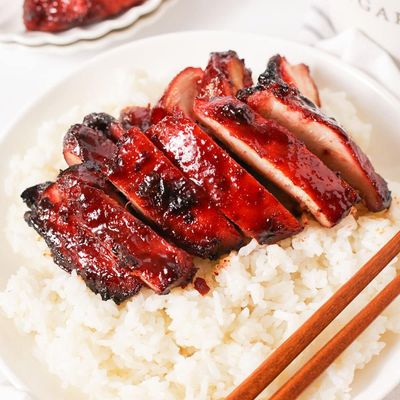
This is summer-BBQ adaptation of the lacquered red roast meats that hang in the windows of Cantonese siu mei shops. The marinade borrows from char siu (hoisin, soy, Shaoxing wine, five-spice, fermented bean curd, garlic, ginger) but pulls back on the sugar slightly because chicken does not need as much sweetness as pork shoulder. Bone-in skin-on thighs are the right cut: they stay juicy on the grill, the skin renders down and crisps, and the bones give the meat shape. A two-stage glaze does the rest. The thighs cook over indirect heat first to render the fat and set the meat, then move directly over the coals for the last few minutes while a honey-maltose mixture is brushed on repeatedly. Every brush of glaze caramelises, blackens slightly at the edges, then gets brushed again. The result is sticky-shiny with a smell that is half five-spice, half woodsmoke. Difficulty is low if you control your heat. A two-zone fire (one side coals piled high, the other side empty) is the only real requirement; on a gas grill, two burners on full and one off does the same job. Serve sliced over plain rice with sliced cucumber and a spoon of chilli oil, or stuffed into bao with hoisin and spring onion.
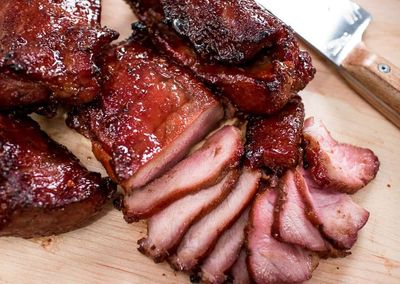
Char siu, literally "fork-roasted" in Cantonese, is the lacquered red barbecue pork that hangs in the windows of siu mei shops across Hong Kong, Guangzhou and any Cantonese diaspora neighbourhood worth knowing. Traditionally long strips of pork are skewered on hooks and lowered into vertical ovens or charcoal pits, where the marinade caramelises into a shimmering, almost brittle crust while the inside stays juicy and pink at the edges. The marinade is a careful balance: hoisin sauce for sweetness and body, light and dark soy for salt and colour, Shaoxing wine for aromatics, five-spice for warmth, fermented red bean curd (nam yu) for the deep umami funk that distinguishes shop-quality char siu from home attempts, and a final glaze of maltose syrup thinned with honey for that characteristic glossy finish. Pork shoulder is the cut of choice because the marbling keeps the meat moist through high-heat roasting; lean cuts like loin go dry and stringy. The classic colour comes from a small amount of red yeast rice or, in modern home recipes, a touch of red food colour, though the dish tastes the same without it. Difficulty is moderate. The marinade needs overnight, and the roasting needs your attention for the final glazing turns under high heat, but the technique itself is straightforward. Serve over rice with greens, in a soft bao bun, or chopped onto wonton noodles.
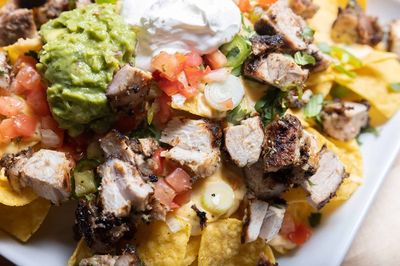
A Caribbean-American fusion that works because both food cultures speak the language of "everything on one tray". The base is American nachos: tortilla chips, melted cheese, black beans. On top sits jerk-marinated chicken thigh, which carries the dish's flavour, allspice, Scotch bonnet, nutmeg, cinnamon, thyme, soy and brown sugar blended into a wet jerk paste, marinated into the meat overnight, then oven-baked and sliced. The fresh element on top is a Trinidadian-style fruit chow: diced mango, pineapple, red bell pepper and red onion dressed with lime juice and cilantro. The chow is what makes this work; without it the nachos are just spicy meat-and-cheese, with it the dish has acid, crunch and sweetness to cut through the richness. Smell is melted cheese hitting jerk seasoning, with a citrus-tropical lift from the chow on top. Not difficult but it's three components running on different timelines, so plan ahead. A modern party-and-Super-Bowl-tray dish rather than something a Kingston grandmother makes, popularised by Caribbean-American food bloggers in the 2010s.
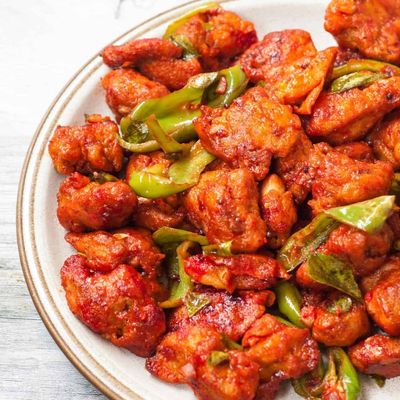
Chicken thighs cube small; marinate for 1 hour in yogurt, ginger-garlic paste, Kashmiri chilli, garam masala and cornflour. Deep-fried in two stages, first to cook through, second to crisp. While the chicken rests, a hot tempering of curry leaves, garlic, dried chillies, soy and vinegar sputters in a wok. The fried chicken tosses through the tempering for 30 seconds and goes straight to the plate.
When cooking Chinese food, it's essential to think about the flavours and textures of ingredients working in harmony. Juicy chicken combined with succulent baby corn, tender vegetables, and salty, crunchy cashew nuts create a balanced dish where each element complements the others. A glossy sauce ties everything together without overwhelming delicate flavours.
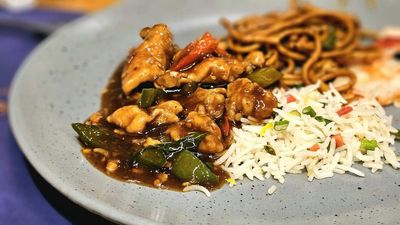
A classic Chinese dish bursting with the fragrance of black bean and garlic. Chicken wings are ideal for this preparation as they cook quickly in a high-heat wok while remaining succulent and flavourful. The fermented black beans add depth and a distinctive umami character that defines authentic Chinese cooking.
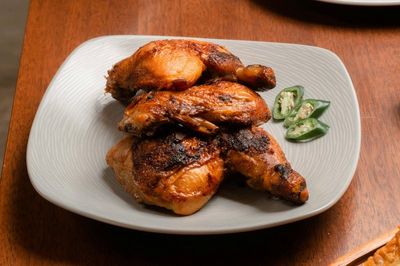
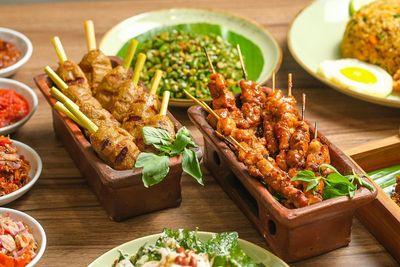
Chicken inasal is the pride of Bacolod City on Negros Occidental, where streetside grill houses serve nothing else: trays of chicken parts skewered on bamboo, smoking over long coal pits, with the cook brushing on bright orange annatto oil every few turns. The marinade is what marks it as Filipino: calamansi (a small, sour citrus halfway between lime and tangerine), cane vinegar, ginger, lemongrass, garlic and a generous slug of black pepper. The annatto oil (atsuete) is just neutral oil warmed gently with annatto seeds until it stains a vivid orange-red; this is the dish's signature look and a mild peppery flavour. Basting starts halfway through cooking so the colour goes onto skin that's already partly cooked, and continues right up to the moment the chicken leaves the grill. Difficulty for a home cook is low; the only special ingredients are calamansi (lime juice plus a touch of orange juice substitutes well) and annatto seeds (sometimes sold as achiote, found in any Filipino or Latin American shop). The flavour profile is sharp, herbal, slightly smoky, with a peppery edge from black pepper rather than chilli, and ribbon-thin lemongrass perfume running through everything. Service is non-negotiable: a heap of garlic rice (sinangag), a saucer of toyomansi (soy-calamansi-vinegar dipping sauce with sliced chillies), and the cook's pot of warm annatto oil for the table.
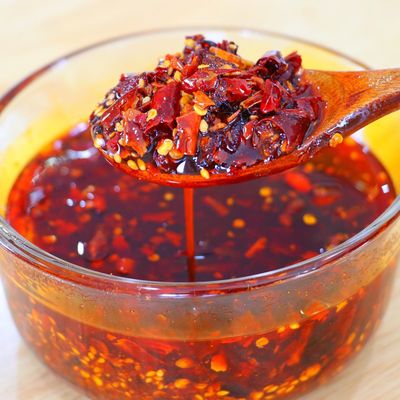
Two-stage flavour build: first a spice infusion (whole spices soaked briefly in water, then simmered slowly in vegetable oil with spring onion and ginger), then a sizzle (the hot strained oil poured over a heat-proof bowl of chilli flakes, smoked paprika, soy and Chinese vinegar). Cooling. Mixing in the textural elements: caster sugar, salt, chicken stock powder, crispy fried shallots and crispy fried garlic. Jarred, rested 24 hours so the flavours marry, stirred vigorously before each use because the oil and solids separate.
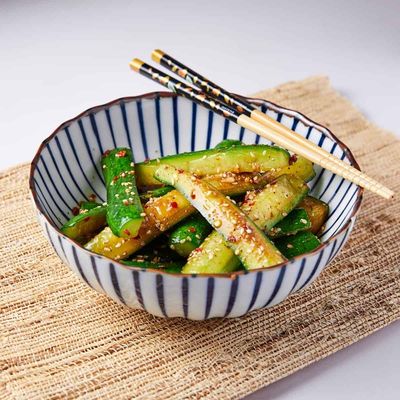
Cucumbers are cut into spears (or smashed-and-torn for a rougher texture), salted heavily in a colander 30 minutes to weep, then patted dry. A brine of rice vinegar, sugar, light soy, water, sliced ginger, Sichuan peppercorns and dried red chillies brings to a gentle simmer just to dissolve the sugar; cools to room temperature. The drained cucumber goes into a jar; the cooled brine pours over to submerge; refrigerated for 1 hour minimum (overnight ideal). Eats cold straight from the jar.
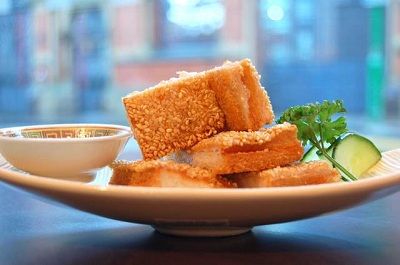
Prawn toast is a classic dim sum snack of bread spread with a seasoned prawn paste, coated in sesame seeds, and deep fried until golden and crisp. The ginger, soy sauce, and sesame oil in the paste give the filling a distinctly aromatic, umami-rich flavour that contrasts with the crunchy, seed-studded exterior. Popular in Chinese restaurants worldwide, it makes an excellent finger food or starter.
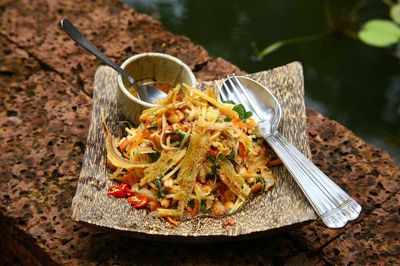
A Cambodian quick-pickle, the bright sharp counter that turns up on every Khmer table next to grilled meats and rich curries. You julienne daikon, carrot and cucumber thin so the brine penetrates fast, then salt them briefly in a colander to draw the water out. The brine is sweet-sour: lime juice, white vinegar, palm sugar, fish sauce (or soy for a vegetarian version) and a sliced bird's-eye chilli. Pour it over the drained vegetables and leave to sit at room temperature for an hour, then refrigerate. Ready in an hour, better after three, best the next day. Eaten alongside grilled fish or chicken, piled into a bowl of rice with anything saucy, or tucked into a sandwich.
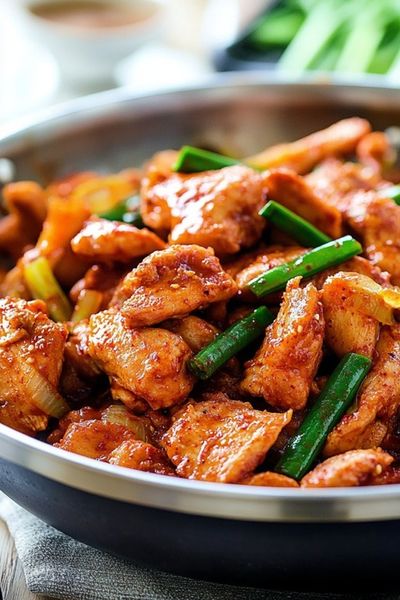
Boneless chicken thighs cube up and marinate in a gochujang-soy-garlic-ginger paste with mirin and sugar. They stir-fry hard with onion, sweet potato chunks, cabbage and Korean rice cakes (tteok). Often finished with cheese melted over for the modern variant; classic version skips it.
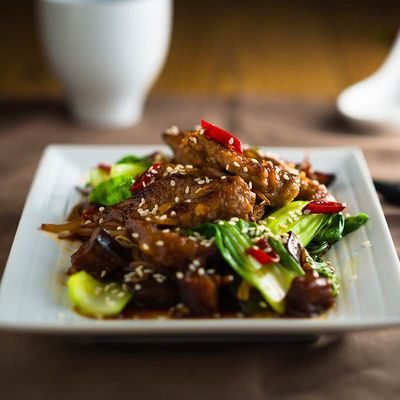
Wuxiang niurou is one of China's great deli meats, descended from the spiced braised meats of the Hui Muslim community that travelled along the Silk Road and settled into the cuisines of Beijing, Xi'an and Nanjing. The legend traces the modern dish to Ma Qingrui's Yue Sheng Zhai restaurant in Beijing in the 1700s, which still operates today as a halal state enterprise. Originally made with mutton, the recipe shifted to beef shank as the dish moved into the mainstream Han diet: shank is lean, gelatinous and full of connective tissue that turns silky after a long simmer. The flavour is dark, sweet and savoury with a slow warmth from Sichuan peppercorn and the woody perfume of cassia and star anise. Difficulty is low but the timeline is long: salt overnight, braise an afternoon, cool overnight in the liquid so the meat tightens and the spices penetrate. Sliced thinly across the grain the next day, the beef shows off the marbled cross-section of muscle and tendon that makes shank the right cut. Eat as part of a cold meze with pickles and peanuts, layer into a bowl of lanzhou lamian, or fold into bing flatbreads with cucumber.
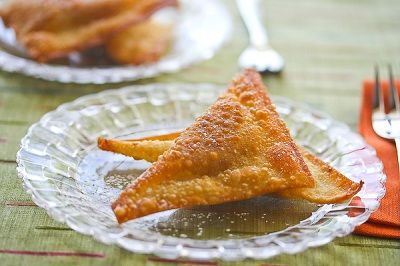
Fried wuntun are crispy deep-fried parcels filled with a seasoned pork and Parma ham mixture, flavoured with ginger, soy sauce, and sesame oil. The golden, crunchy wrappers give way to a juicy, aromatic filling that makes them an irresistible party snack or starter. They are best served immediately after frying with a selection of dipping sauces.