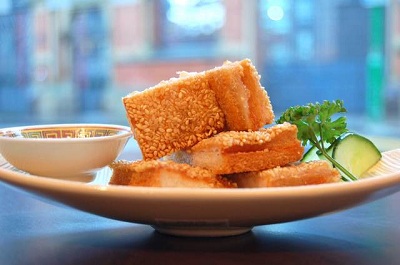
Chinese Sesame Prawn Toast
The Cantonese takeaway starter: minced prawn paste spread on white bread, dipped in sesame seeds.
Overview
Prawn toast is a classic dim sum snack of bread spread with a seasoned prawn paste, coated in sesame seeds, and deep fried until golden and crisp. The ginger, soy sauce, and sesame oil in the paste give the filling a distinctly aromatic, umami-rich flavour that contrasts with the crunchy, seed-studded exterior. Popular in Chinese restaurants worldwide, it makes an excellent finger food or starter.
Ingredients
- 10 thin slices of bread
- 3 tablespoons white sesame seeds
- 400 ml oil for deep frying
Prawn paste
- 450 grams uncooked peeled prawns
- 1 teaspoon salt
- 1 egg
- 2 tablespoons spring onions (finely chopped)
- 2 teaspoons fresh ginger (finely chopped)
- 1 tablespoon light soy sauce
- 1 teaspoon sesame oil
Method
To make the paste
- Using a cleaver or sharp knife, chop the prawns coarsely and then mince finely into a paste.
- Put the paste in a bowl and mix in the rest of the ingredients.
To make the toast
- If the bread is fresh, place it in a warm oven to dry out (Dry bread absorbs less oil).
- Remove the crusts and cut the bread into rectangles about 7 cm x 3 cm.
- Spread the prawn paste on each piece of bread, about 3 mm thick.
- Sprinkle the toasts with the sesame seeds.
To cook the toast
- Heat the oil in a deep fat fryer or wok to a moderate heat.
- Deep fry several prawn toasts at a time, paste side down for 2 - 3 minutes.
- Turn them over and deep fry for about 2 minutes or until they are golden brown.
- Remove with a slotted spoon and drain on kitchen paper.
- Repeat with the remaining toasts.
Notes
- Mince the prawns into a very fine paste for the best texture; a coarse paste can cause the topping to fall apart during frying.
- Drying out fresh bread in a warm oven before spreading is important, drier bread absorbs less oil and produces a crispier result.
- Fry paste side down first so the prawn mixture sets and adheres to the bread before it is turned.
- Drain on kitchen paper immediately after frying and serve quickly, as the bread softens as it cools.
Serving
Serve with: sweet chilli sauce, soy dipping sauce, or plum sauce as a starter or part of a dim sum spread Temperature: hot, served immediately after frying Amount: 3 pieces per person as a starter or snack
Storage
- Best eaten immediately after frying; the texture declines rapidly as the bread absorbs moisture and softens.
- Uncooked prepared toasts can be refrigerated on a tray for up to a few hours before frying.
- Do not freeze once fried; uncooked toasts can be frozen and fried directly from frozen, adding 1-2 minutes to the cooking time.
Sesame prawn toast is a savoury snack which is often served in dim sum restaurants outside China.
More like this
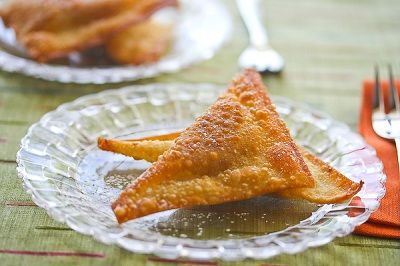
Fried Wuntun
Fried wuntun are crispy deep-fried parcels filled with a seasoned pork and Parma ham mixture, flavoured with ginger, soy sauce, and sesame oil. The golden, crunchy wrappers give way to a juicy, aromatic filling that makes them an irresistible party snack or starter. They are best served immediately after frying with a selection of dipping sauces.
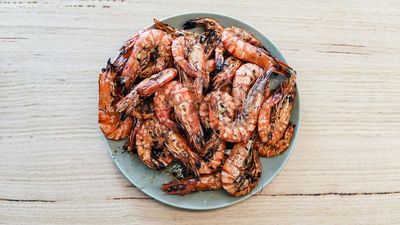
Braised Prawns
A simple, elegant preparation favoured by street vendors throughout southern China. This quick-braising method takes only minutes and produces tender, fragrant prawns. The beauty of this dish lies in its simplicity, fresh ginger and spring onions infuse the delicate sweetness of prawns. Equally delicious served hot immediately or chilled for an exotic picnic dish.
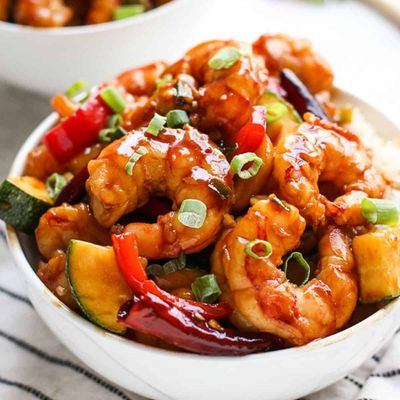
Kung Pao Shrimp
Kung pao (gongbao) shrimp is the seafood cousin of the classic Sichuan gongbao jiding, named for the 19th-century governor-general Ding Baozhen whose title was Gong Bao. Where the chicken version uses diced meat, the shrimp version keeps the prawns whole or halved so they curl into bright pink commas around the chillies and peanuts. The flavour profile is the signature Sichuan "lychee" balance: a touch of sweetness from sugar, sourness from black vinegar, salt and umami from soy, and the warm tingle (ma la) of toasted Sichuan peppercorn paired with the smoky bite of dried er jing tiao chillies. This is a fast dish, fundamentally a wok exercise: every ingredient must be prepped and lined up before the heat goes on, because once the chillies hit the oil you have maybe ninety seconds before everything is overcooked. Difficulty is moderate for a home cook with a working wok and high burner; the trick is keeping the chillies dark red and fragrant without scorching them black, and pulling the shrimp out the moment they curl. Served over plain rice it is one of the most rewarding ten-minute meals in the repertoire.
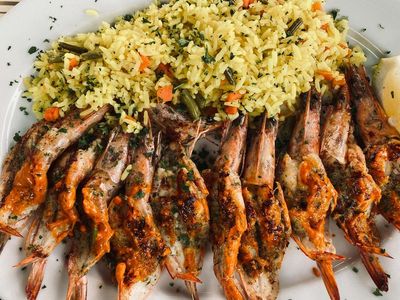
Sizzling Rice Prawns
This is a dramatic dish sure to earn you compliments. Moderately easy to make but requiring organisation and some Chinese cooking experience. The key to success is that both the prawn sauce mixture and rice cake must be fairly hot, this creates a dramatic, theatrical sizzle when they combine. A showstopping presentation perfect for entertaining.