Bang Bang Sauce
A no-cook three-ingredient sauce. Mayo gives body, sweet chilli sauce brings the sweet-tart-mild-spice base, sriracha tops the heat to whatever level you want. Stirred together, ready immediately. Keeps for weeks in the fridge.
Tap a chip to add another filter, or use Clear all below.
A no-cook three-ingredient sauce. Mayo gives body, sweet chilli sauce brings the sweet-tart-mild-spice base, sriracha tops the heat to whatever level you want. Stirred together, ready immediately. Keeps for weeks in the fridge.
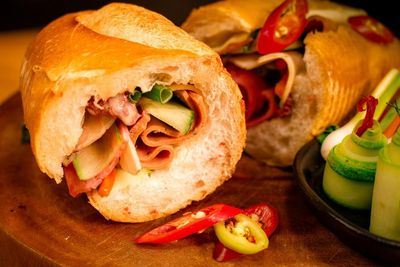
A good bánh mì is mostly assembly. The bread should be light and crackly, the pâté smeared on thickly, the mayo generous, the meat layered cold and the herbs and pickles loaded right to the edges. A short blast in a hot oven is what crisps the loaf; the filling goes in straight after. Eat standing up over the sink.
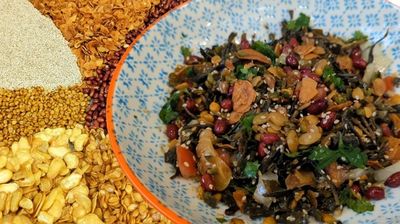
The older, more ceremonial form of lahpet, the version that predates the salad. Unlike lahpet thoke (the salad), there's no cabbage, no tomato, no fresh dressing - the fermented tea leaves stay pungent and concentrated, and the fried elements supply texture and salt. You keep all the components separate on a divided plate until they reach the table, so the crispy bits don't soften, and each guest builds their own bite from the spread. Eaten as an afternoon teashop snack with a small cup of green tea, or traditionally at the close of formal meals as a sign of welcome and reconciliation - a Burmese custom that dates back centuries and still turns up at weddings.
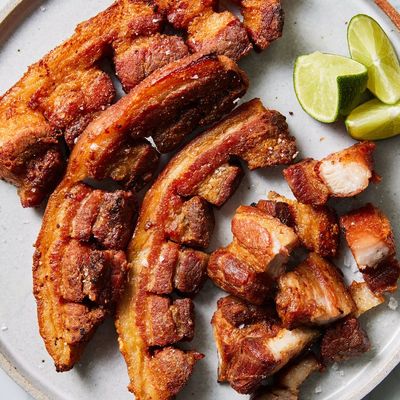
Pork skin (the back-fat skin sold at butchers, or any thick skin from a fresh pork side) is scraped clean of all subcutaneous fat, this is the critical step; remaining fat prevents puffing. The clean skin then dries: either oven-dry at low heat for several hours, or air-dry in the fridge for 1-2 days, until completely brittle and almost translucent. The dried skin is then plunged into hot oil (200°C) where it puffs dramatically in 5-10 seconds into the characteristic crackling clouds. The pork is drained, seasoned with salt and chilli salt, and eaten warm. Some Mexican versions add a final spritz of lime juice + chilli powder + Tajín after frying.
Chile's street sandwich and the food that fuels any Sunday football game or summer picnic. You take a Chilean longaniza (or any good fresh pork sausage), split it lengthways but leave it attached at one end so it opens like a butterfly, and grill it six minutes per side until the surface is charred and the inside still juicy. Marraqueta rolls split and toast briefly on the grill, the sausage tucks into the roll, and a generous spoonful of pebre goes on top. Some hands add a dab of mayo or mustard. Eaten immediately, standing up, with a beer in the other hand.
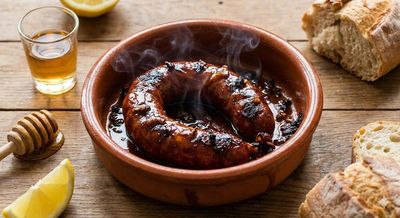
This is the sort of thing you'd order in a Portuguese tavern after the third glass of wine, when the host decides you need a bit of theatre. A whole smoky chouriço sits in a small clay dish (a pig-shaped one if you're being properly Portuguese about it, or any heat-safe dish with high sides), gets drenched in brandy, and is lit with a long match at the table. Blue alcohol flames lick at the sausage for eight or ten minutes, the paprika caramelises into the rendered oil, and the kitchen fills with smoke. Then the flames die, the chouriço gets sliced thick, and you mop up the oil with a basket of bread. You can do this at home in an iron skillet. Light it carefully, mind the your eyebrows, let it burn out on its own, and serve hot with bread, olives, and another glass of whatever you're drinking.
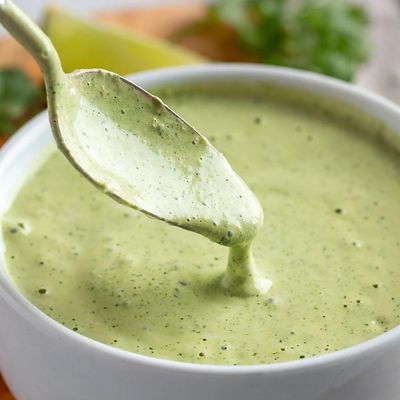
A no-cook blender sauce. Pickled jalapeños bring brine and a manageable heat that the sour-cream-and-mayo base absorbs without going incendiary. Fresh coriander gives the green colour and aromatic bite. A small garlic clove, lime juice and salt finish it. Stir in the sour cream at the end (not blended) for a slightly chunky texture that still drizzles. Better the next day, after the flavours have married.
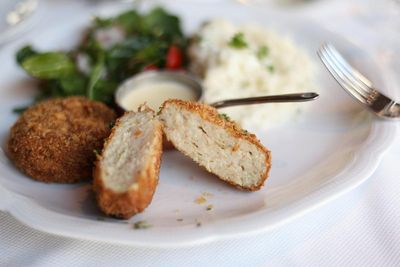
Thai fishcakes (often called ‘tod mun pla’ on menus) are known for their spongy consistency, which I’m not fond of; that sponginess comes from the egg, so I tend to leave it out. Fishcakes are usually deep-fried in street stalls and restaurants, but I find it much easier to shallow-fry them. These are great served with sweet chilli sauce, Thai seafood dipping sauce and/or cucumber and chilli relish.
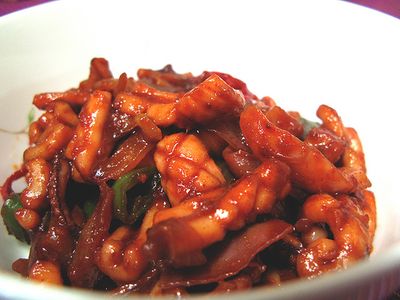
A Spanish tapas classic featuring tender squid rings and tentacles, quickly fried until golden and served with a vibrant paprika, garlic, and chilli dressing. The high heat creates a crispy exterior while keeping the squid moist inside. Simple yet elegant, a restaurant-quality dish that comes together in minutes.
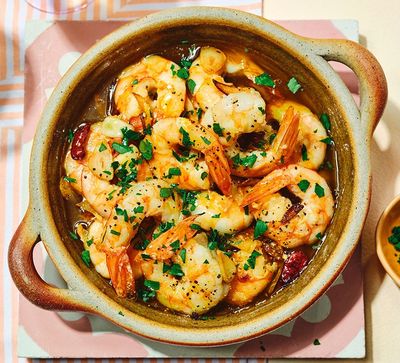
Sliced garlic (lots, like 8 cloves for a small dish) cooks slowly in olive oil till just turning gold. Dried chilli flakes go in. Heat goes up; peeled raw prawns join. Sizzles 2-3 minutes till the prawns turn pink and curl. A splash of sherry or sherry vinegar at the end. Parsley showers over. Served at the table still bubbling. Bread is essential, half the dish is the garlic oil.
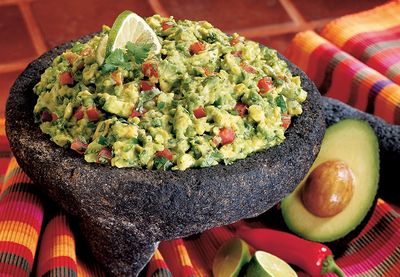
Avocados halve, scoop out, mash chunky (not smooth, texture matters). Onion finely chops, jalapeño deseeds and chops, coriander chops. Lime juice, salt, mix. Eat immediately or press cling film flat onto the surface to slow oxidation.
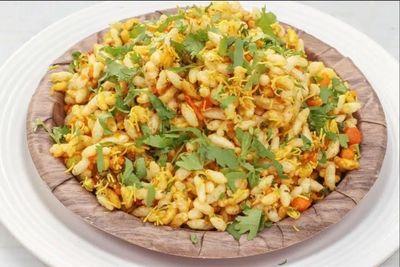
Jhal muri (literally "spicy puffed rice") is the most democratic snack in Bengal: assembled in seconds from a tin trunk by a muriwala, tipped into a rolled-newspaper cone, and eaten standing on a pavement for the price of a few rupees. The base is muri (puffed rice), and everything else is built around the principle of contrast. Raw mustard oil is the soul of the dish, sharp and nasal and slightly bitter; without it you have a salad, not jhal muri. The vegetables stay raw and crunchy, onion, green chilli, cucumber, tomato, chopped into tiny dice so each spoonful gets one of each. Peanuts and chana chur (or sev) add fat and crunch; black salt and chaat masala add the funky-tangy depth that makes Indian street snacks addictive. The lime goes in last so the puffs don't soften. This is a dish where technique matters less than ingredient quality: muri must be crisp (refresh in a dry pan if it's gone soft), mustard oil must be the proper pungent kind, and the lime must be fresh. It is everywhere in Bengal, tea-time at home, train platforms, the Maidan on a winter afternoon, and there is no recipe in any cookbook that quite captures the feel of it being mixed in front of you in a paper cone.
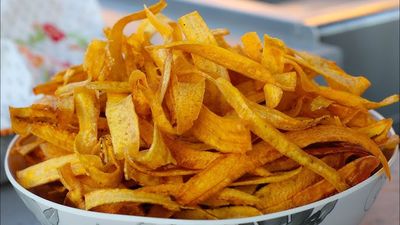
Green plantains peel, the trick is scoring lengthways down the ridges and then prying the skin off in strips (very different from a banana). The peeled plantain slices on a mandoline or with a sharp knife into 2 mm rounds. Fries in hot oil (180°C) 2-3 minutes till deep gold and crisp. Drains; salts while hot. Optional: tosses with chilli powder.
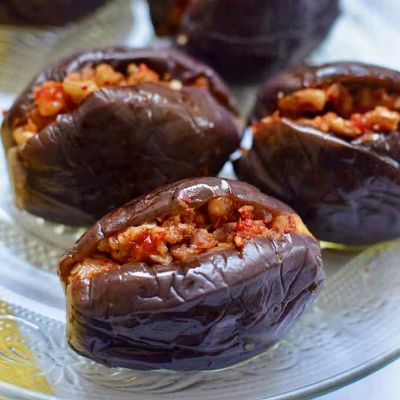
Tiny aubergines (the small Middle-Eastern variety) blanched in salted water 6 minutes until just tender. Drain. Salt and pressed under weight 4-6 hours to drain bitter water. Each aubergine slits lengthwise (don't cut all the way through). A walnut-garlic-red-pepper-paste mixture stuffs into each slit. The stuffed aubergines pack tightly into a sterilised glass jar; covered in olive oil to fully submerge. Sealed and left at room temperature for 7-21 days. The oil takes on the spice; the aubergines mellow.
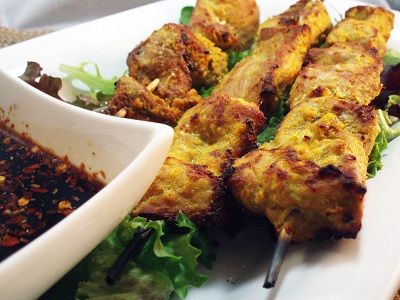
Indonesian-style pork satay featuring tender, spiced meat on bamboo skewers with a creamy, complex peanut sauce enriched with coconut milk. The pork is infused with a paste of lemongrass, ground spices, and aromatics, making each bite deeply flavorful. This dish showcases traditional Southeast Asian techniques and is perfect for entertaining.
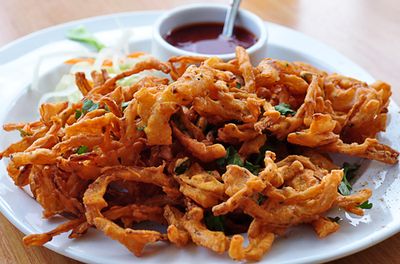
Onion bhajis are golden, crispy fritters made from sliced onions bound in a spiced gram flour batter and deep fried until crunchy and cooked through. The combination of chilli, turmeric, coriander, and curry leaves gives them a warmly aromatic flavour that pairs perfectly with cooling yoghurt-based dips. Freshly made, they are a satisfying vegetarian snack or side dish alongside a curry.
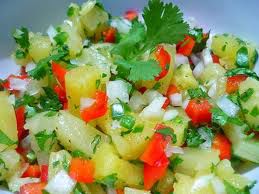
Pineapple salsa bridges sweet tropical fruit with heat and umami. The key technique here is caramelizing the pineapple in its own sugar and brown sugar, which develops deeper flavor and slight bitterness to offset the fruit's natural sweetness. Fresh red chilli provides heat, sambal oelek adds fermented chilli depth and umami, and lime juice brightens the overall composition. Fresh coriander added at the very end preserves its herbaceous aroma, the hallmark of this dish. Crucially, this salsa is served warm; warming brings out pineapple's natural sweetness and spices' aromatic qualities. Chilled pineapple salsa becomes dull and the fruit hard.
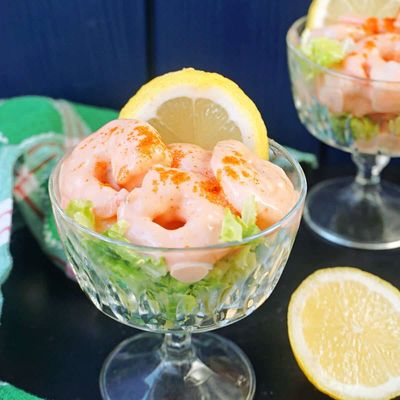
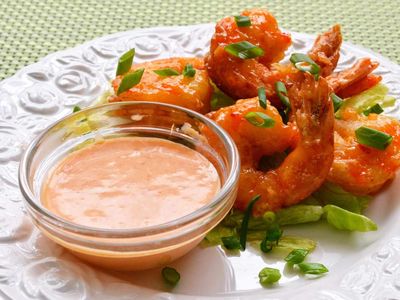
Marie Rose sauce, mayo, ketchup, Worcestershire, a squeeze of lemon, a splash of brandy if you're feeling decadent, coats cooked king prawns. Piled into glasses or plates over shredded iceberg or little gem; paprika dusts the top; lemon wedge alongside.
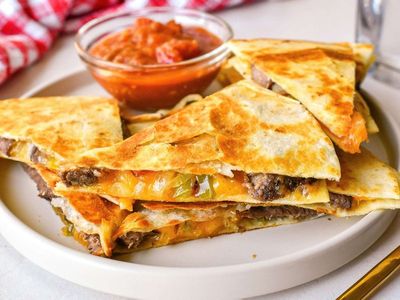
Pre-cook any "wet" filling (mushrooms, chorizo, peppers) and cool. Cheese is grated. A dry, hot griddle or non-stick pan heats over medium heat. A tortilla goes on; cheese scatters over half; filling (if any) over the cheese; folded in half. Pressed gently with a spatula; cooked for 90 seconds until the underside is gold-spotted; flipped; cooked for 90 seconds more. The cheese should be fully melted and just starting to ooze at the edges. Sliced into 3 wedges; served with salsa, guacamole, sour cream, lime.
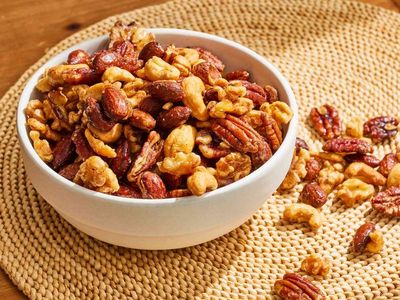
Nuts roast briefly in a hot oven to bring out their oils. Melted butter mixes with rosemary, smoked paprika, cayenne, brown sugar and salt. The hot nuts toss in this glaze; back to the oven for a few more minutes to set; cool on a tray.