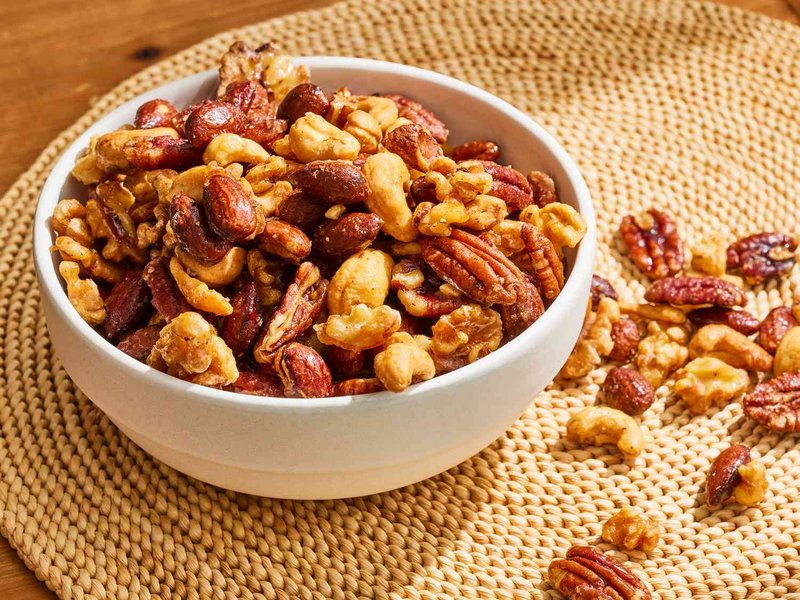
Spiced Mixed Nuts
Roasted nuts with rosemary, smoked paprika, butter and a pinch of cayenne. The cocktail-hour staple; far better than any bag from a shop. Makes a generous gift, keeps a fortnight in a tin, vanishes faster than that in any household.
Overview
Nuts roast briefly in a hot oven to bring out their oils. Melted butter mixes with rosemary, smoked paprika, cayenne, brown sugar and salt. The hot nuts toss in this glaze; back to the oven for a few more minutes to set; cool on a tray.
Ingredients
- 500 g mixed unsalted nuts (cashews, almonds, pecans, walnuts, hazelnuts in any combination)
- 50 g unsalted butter
- 2 tablespoons fresh rosemary (finely chopped)
- 1 tablespoon brown sugar
- 1 teaspoon smoked paprika
- ½ teaspoon cayenne pepper
- 1 teaspoon flaky sea salt
- ½ teaspoon ground black pepper
- A few drops Worcestershire sauce (optional)
Method
Stage 1 - Roast the nuts
- Heat the oven to 180°C (160°C fan).
- Spread the nuts on a baking tray.
- Roast 8-10 minutes until fragrant and lightly golden (don't go further; they'll roast more in the next step).
Stage 2 - Glaze
- Melt the butter in a small pan.
- Stir in the rosemary, sugar, paprika, cayenne, salt, pepper and Worcestershire (if using).
Stage 3 - Toss and finish
- Tip the hot nuts into a large bowl; pour the spiced butter over.
- Toss thoroughly until evenly coated.
- Spread back onto the tray.
- Return to the oven for 5-6 minutes more.
Stage 4 - Cool
- Cool completely on the tray (the glaze sets and the nuts crisp).
- Break apart any clumps; transfer to a tin or jar.
Notes
- Unsalted nuts: You're seasoning at the end; pre-salted nuts give too-salty results.
- Rosemary chopped fine: Big sprigs char and turn bitter; finely chopped distributes evenly and toasts gently.
- Mixed nuts > single variety: The variety is part of the appeal - softer cashews, crunchier almonds, oilier walnuts.
Storage
- Keeps 2 weeks in an airtight tin.
- Don't freeze; the spice glaze loses its crispness.
More like this
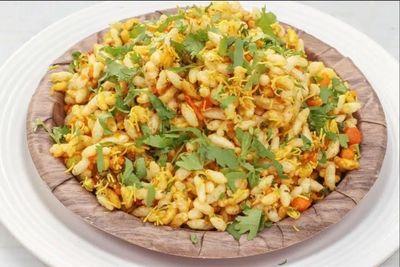
Jhal Muri
Jhal muri (literally "spicy puffed rice") is the most democratic snack in Bengal: assembled in seconds from a tin trunk by a muriwala, tipped into a rolled-newspaper cone, and eaten standing on a pavement for the price of a few rupees. The base is muri (puffed rice), and everything else is built around the principle of contrast. Raw mustard oil is the soul of the dish, sharp and nasal and slightly bitter; without it you have a salad, not jhal muri. The vegetables stay raw and crunchy, onion, green chilli, cucumber, tomato, chopped into tiny dice so each spoonful gets one of each. Peanuts and chana chur (or sev) add fat and crunch; black salt and chaat masala add the funky-tangy depth that makes Indian street snacks addictive. The lime goes in last so the puffs don't soften. This is a dish where technique matters less than ingredient quality: muri must be crisp (refresh in a dry pan if it's gone soft), mustard oil must be the proper pungent kind, and the lime must be fresh. It is everywhere in Bengal, tea-time at home, train platforms, the Maidan on a winter afternoon, and there is no recipe in any cookbook that quite captures the feel of it being mixed in front of you in a paper cone.
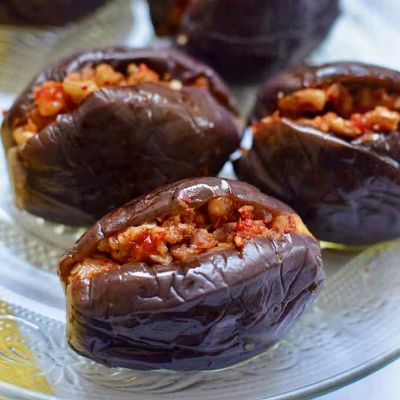
Makdous
Tiny aubergines (the small Middle-Eastern variety) blanched in salted water 6 minutes until just tender. Drain. Salt and pressed under weight 4-6 hours to drain bitter water. Each aubergine slits lengthwise (don't cut all the way through). A walnut-garlic-red-pepper-paste mixture stuffs into each slit. The stuffed aubergines pack tightly into a sterilised glass jar; covered in olive oil to fully submerge. Sealed and left at room temperature for 7-21 days. The oil takes on the spice; the aubergines mellow.
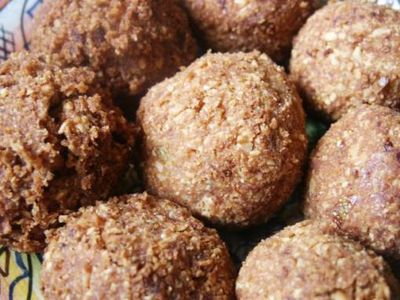
Spicy Peanut Balls
Spicy peanut balls are deep-fried rice balls seasoned with garlic, ginger, chilli, soy sauce, and lime, then coated in chopped peanuts for a satisfying crunch. They make an excellent snack or starter, and pair naturally with a chilli dipping sauce.
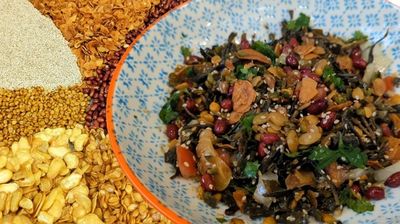
Burmese Tea-Leaf Snack Mix
The older, more ceremonial form of lahpet, the version that predates the salad. Unlike lahpet thoke (the salad), there's no cabbage, no tomato, no fresh dressing - the fermented tea leaves stay pungent and concentrated, and the fried elements supply texture and salt. You keep all the components separate on a divided plate until they reach the table, so the crispy bits don't soften, and each guest builds their own bite from the spread. Eaten as an afternoon teashop snack with a small cup of green tea, or traditionally at the close of formal meals as a sign of welcome and reconciliation - a Burmese custom that dates back centuries and still turns up at weddings.