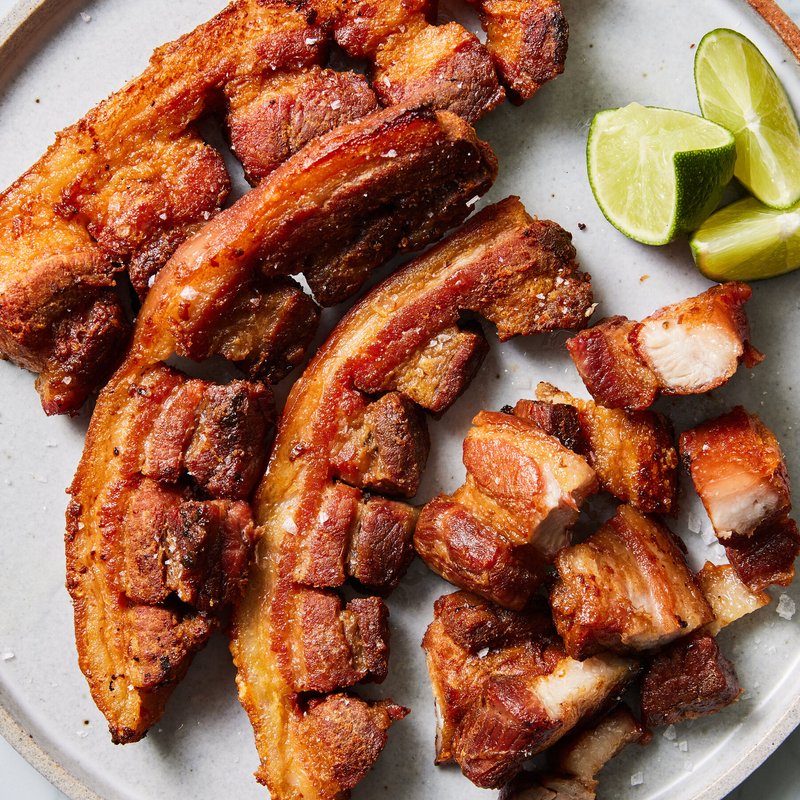
Chicharrones
Mexico's pork crackling: dried pork skin plunged into hot oil until it puffs into shattering, salty, weightless clouds.
Overview
Pork skin (the back-fat skin sold at butchers, or any thick skin from a fresh pork side) is scraped clean of all subcutaneous fat, this is the critical step; remaining fat prevents puffing. The clean skin then dries: either oven-dry at low heat for several hours, or air-dry in the fridge for 1-2 days, until completely brittle and almost translucent. The dried skin is then plunged into hot oil (200°C) where it puffs dramatically in 5-10 seconds into the characteristic crackling clouds. The pork is drained, seasoned with salt and chilli salt, and eaten warm. Some Mexican versions add a final spritz of lime juice + chilli powder + Tajín after frying.
Ingredients
- 400 g raw pork back skin (fresh; ask the butcher for skin with thick subcutaneous fat - yes, both layers; you'll trim the fat)
Seasoning
- 1 teaspoon flaky sea salt
- ½ teaspoon Tajín (or chilli salt)
- ½ teaspoon smoked paprika
- ¼ teaspoon ground cumin
For frying
- 1 litre vegetable oil (or pork lard, lard gives a more authentic flavour but oil works)
To serve
- Lime wedges
- Hot sauce (Cholula, Valentina, or any Mexican brand)
- Salsa verde (or red salsa, optional)
Method
Stage 1 - Scrape the skin
- Lay the skin flat on a board, fat-side up.
- With a sharp knife held almost flat to the skin, scrape away all the white fat layer. Take your time - the goal is to leave only the thin grey-pink skin behind, with no white fat visible.
- This takes 15-20 minutes. Rinse the skin under cold water; pat dry.
Stage 2 - Dry (this is the critical multi-day step)
- Method A - air-dry in the fridge (best texture):
- Lay the scraped skin on a rack over a tray.
- Refrigerate uncovered for 24-48 hours, flipping once.
- The skin should be completely dry, brittle, almost translucent, and lighter in weight by half.
- Method B - low-oven dry:
- Heat oven to 100°C (80°C fan).
- Place skin on a rack over a tray.
- Dry 3-4 hours, until brittle and dry.
Stage 3 - Break into pieces
- Snap the dried skin into 4-6 cm pieces (it's brittle and breaks easily).
Stage 4 - Heat the oil
- In a deep heavy pot, heat 1 litre of oil to 200°C (with a thermometer; or test with a small pinch of dried skin which should puff in 5 seconds).
Stage 5 - Fry
- Drop in 2-3 pieces of dried skin at a time.
- They puff dramatically in 5-15 seconds into 3-4x their original size, with a bubbly cratered surface.
- Lift out with a slotted spoon onto kitchen paper.
- Continue until all pieces are puffed.
Stage 6 - Season
- While still warm and slightly oily, sprinkle generously with the seasoning mix (salt, Tajín, paprika, cumin).
- Toss in a wide bowl to coat.
Stage 7 - Serve
- Pile into a bowl.
- Lime wedges on the side; hot sauce in a small dish.
- Eat warm, with the fingers.
Optional stewed version (chicharrón en salsa verde)
- Make a salsa verde from 500 g tomatillos + onion + jalapeño + garlic blended with chicken stock.
- Simmer 10 minutes.
- Add 100 g of the chicharrones; they soften and absorb the salsa, becoming chewy-tender (very different from the crisp version - both are good).
- Eat with rice and tortillas as a meal.
Notes
- Drying is non-negotiable: Wet skin doesn't puff. The 24-48 hour fridge dry (or 3-4 hour low-oven dry) is what produces the characteristic airy puff. Skip this step and you get tough, leathery, fatty bits.
- Scrape ALL the fat off: Any remaining subcutaneous fat prevents the skin from puffing fully and gives greasy chicharrones. Use a sharp boning knife and be patient.
- Lard vs oil: Pure pork lard gives the most authentic flavour and a slightly more golden colour. Sunflower or vegetable oil works fine and is more practical for most kitchens. Avoid olive oil (smoke point too low, wrong flavour).
Storage
- Best within 4 hours of frying - they soften quickly in humid air.
- Store in a sealed jar with silica gel packets at room temperature for 2-3 days.
- Re-crisp soft chicharrones at 180°C oven for 4 minutes.
- Stewed chicharrón en salsa verde: refrigerate 3 days; reheats well.
More like this
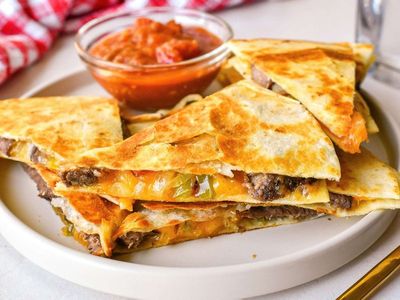
Quesadillas
Pre-cook any "wet" filling (mushrooms, chorizo, peppers) and cool. Cheese is grated. A dry, hot griddle or non-stick pan heats over medium heat. A tortilla goes on; cheese scatters over half; filling (if any) over the cheese; folded in half. Pressed gently with a spatula; cooked for 90 seconds until the underside is gold-spotted; flipped; cooked for 90 seconds more. The cheese should be fully melted and just starting to ooze at the edges. Sliced into 3 wedges; served with salsa, guacamole, sour cream, lime.
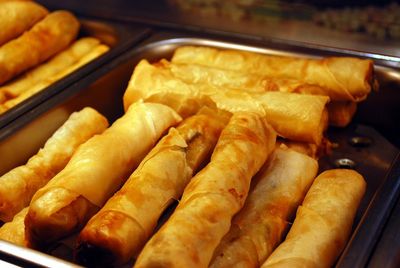
Spring Rolls with Fiery Chilli Sauce
Delicate spring rolls filled with silky cellophane noodles, tender wood ears, savory pork, and sweet crab, then deep-fried until golden and crispy. Served with a vibrant, fiery chilli sauce, these Southeast Asian gems are perfect as an appetizer or main snack. The contrast between crispy exterior and tender filling is irresistible.
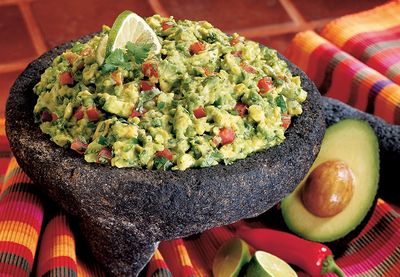
Guacamole
Avocados halve, scoop out, mash chunky (not smooth, texture matters). Onion finely chops, jalapeño deseeds and chops, coriander chops. Lime juice, salt, mix. Eat immediately or press cling film flat onto the surface to slow oxidation.
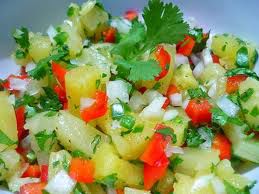
Pineapple Salsa with Coriander
Pineapple salsa bridges sweet tropical fruit with heat and umami. The key technique here is caramelizing the pineapple in its own sugar and brown sugar, which develops deeper flavor and slight bitterness to offset the fruit's natural sweetness. Fresh red chilli provides heat, sambal oelek adds fermented chilli depth and umami, and lime juice brightens the overall composition. Fresh coriander added at the very end preserves its herbaceous aroma, the hallmark of this dish. Crucially, this salsa is served warm; warming brings out pineapple's natural sweetness and spices' aromatic qualities. Chilled pineapple salsa becomes dull and the fruit hard.