Aromatic Salt (Two Versions)

Aromatic Salt (Two Versions)

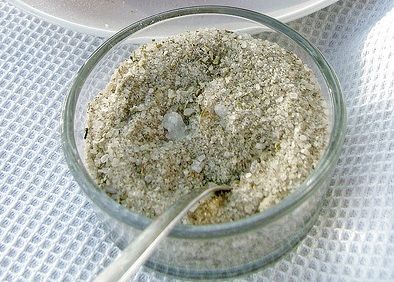
Aromatic salt is specifically designed for British-Indian Balti cooking, a finishing salt that brings subtle spice notes rather than aggressive heat. This is about using salt as a vehicle for flavor rather than just seasoning. The two versions allow choice between delicate (light version) and more assertive (spicy version). Both blend sea salt with warm spices, creating finishing touches that elevate a dish without overwhelming it.

Spices 10 minutes Serves120-130
Baharat

Baharat

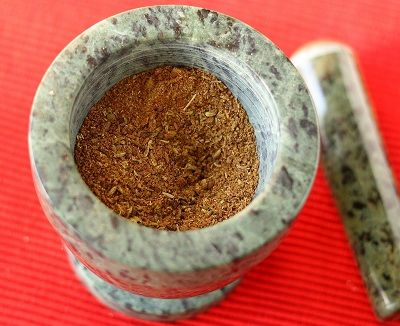
Baharat is the signature spice blend of the Eastern Mediterranean and Arabian cuisine. It balances warm aromatics (cinnamon, cardamom, cloves) with peppery heat and depth from allspice and paprika. This is not a finishing blend but a foundational one, used to season meat dishes, rice, soups, and slow-cooked foods. The warm spices reflect the climate and trade history of the region, cinnamon from Sri Lanka, cardamom from India, tempered by local paprika. Each country has slight variations, but the core character remains: sophisticated, warm, and complex.
Spices 10 minutes Serves115
Balti Masala

Balti Masala

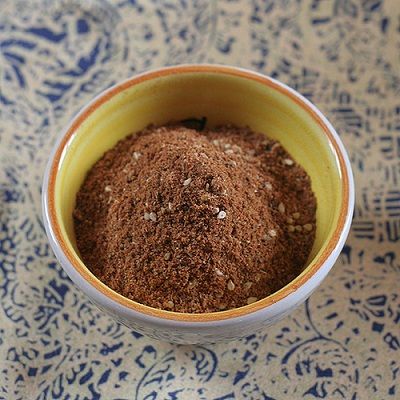
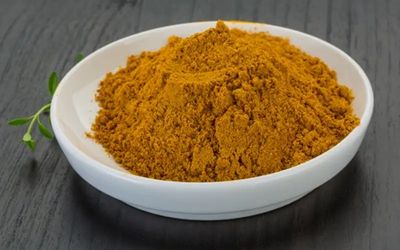
Balti masala is a mild, balanced spice blend designed as the foundation for British-Indian curries. Unlike hot masalas, this blend emphasizes warmth over fire. The whole spices are dry-roasted to develop their individual characters before grinding, creating depth of flavor that pre-ground blends can't match. The cinnamon provides sweetness, coriander seeds contribute earthiness, and cardamom adds aromatics. This is a curry powder that improves with age; it develops better flavor after 1-2 weeks of storage.

Curry Powder 10 minutes Serves200
Berbere

Berbere

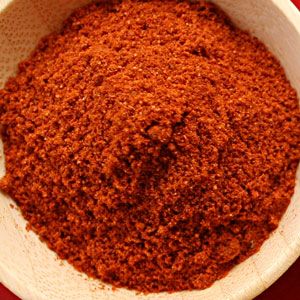
Berbere is the cornerstone of Ethiopian cuisine, a powerfully hot and complex spice blend that's both a condiment and a cooking base. Unlike other chilli-forward blends, Berbere combines dried chillies with cardamom, cloves, and ajowan to create heat with sophistication. The blend is intensely aromatic and demands respect; a little goes a long way. This is a blend for stews and braises that simmer for hours, allowing the spices to develop depth and integrate with other ingredients.

Spices 25 minutes Serves50-60
Blackened Chicken

Blackened Chicken

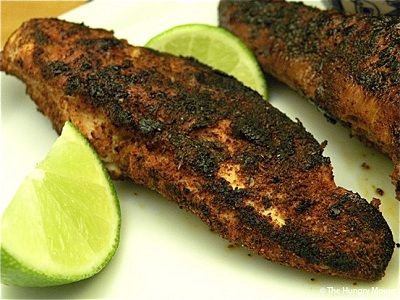
The Cajun classic invented by Paul Prudhomme in his New Orleans kitchen in the 1980s, the dish that put smoky char on the American restaurant menu for a decade. You build a bold spice mixture (paprika, garlic, onion, thyme, cayenne, salt and black pepper), dip butterflied chicken breasts in melted butter and press them firmly into the spice rub on both sides. Then they hit a screaming-hot cast-iron skillet for about three minutes per side, where the butter and spices char into a deep mahogany crust that locks the juices in and gives the chicken its defining smoky finish. The technique works equally well on fish (Prudhomme's original was redfish), pork or beef. Eaten sliced over a salad, layered in a sandwich with remoulade, or alongside dirty rice as a proper Cajun plate.

Cajun 21 minutes Serves4
Burmese Tea-Leaf Snack Mix

Burmese Tea-Leaf Snack Mix

The older, more ceremonial form of lahpet, the version that predates the salad. Unlike lahpet thoke (the salad), there's no cabbage, no tomato, no fresh dressing - the fermented tea leaves stay pungent and concentrated, and the fried elements supply texture and salt. You keep all the components separate on a divided plate until they reach the table, so the crispy bits don't soften, and each guest builds their own bite from the spread. Eaten as an afternoon teashop snack with a small cup of green tea, or traditionally at the close of formal meals as a sign of welcome and reconciliation - a Burmese custom that dates back centuries and still turns up at weddings.

Snacks 25 minutes Serves6
← Prev Page 1 of 12 Next →