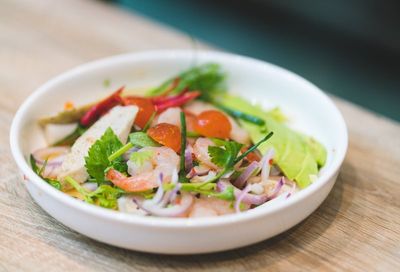
Glass Noodle Salad
Spicy Thai salad with glass noodles, prawns, and pork. Nostalgic dish from Thai barbecues; serve hot or at room temperature.
Salads
Tap a chip to add another filter, or use Clear all below.
Spicy Thai salad with glass noodles, prawns, and pork. Nostalgic dish from Thai barbecues; serve hot or at room temperature.
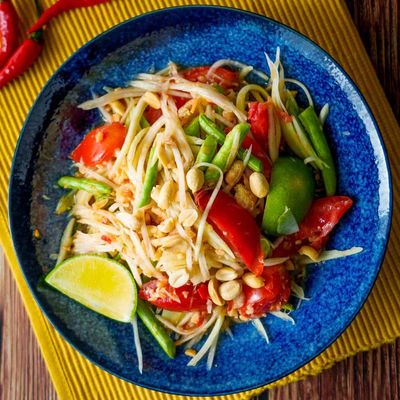
Famous Thai salad (som tum) with sour, sweet, savory, and spicy flavors. Pounded dressing coats crispy papaya and vegetables. Make ahead; won't wilt.
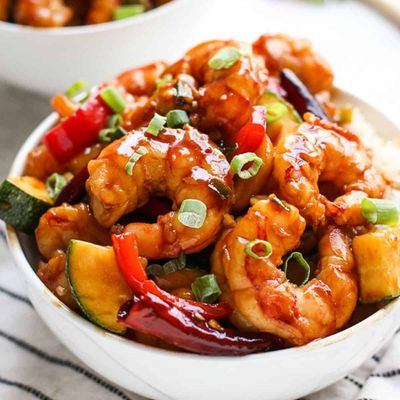
Kung pao (gongbao) shrimp is the seafood cousin of the classic Sichuan gongbao jiding, named for the 19th-century governor-general Ding Baozhen whose title was Gong Bao. Where the chicken version uses diced meat, the shrimp version keeps the prawns whole or halved so they curl into bright pink commas around the chillies and peanuts. The flavour profile is the signature Sichuan "lychee" balance: a touch of sweetness from sugar, sourness from black vinegar, salt and umami from soy, and the warm tingle (ma la) of toasted Sichuan peppercorn paired with the smoky bite of dried er jing tiao chillies. This is a fast dish, fundamentally a wok exercise: every ingredient must be prepped and lined up before the heat goes on, because once the chillies hit the oil you have maybe ninety seconds before everything is overcooked. Difficulty is moderate for a home cook with a working wok and high burner; the trick is keeping the chillies dark red and fragrant without scorching them black, and pulling the shrimp out the moment they curl. Served over plain rice it is one of the most rewarding ten-minute meals in the repertoire.
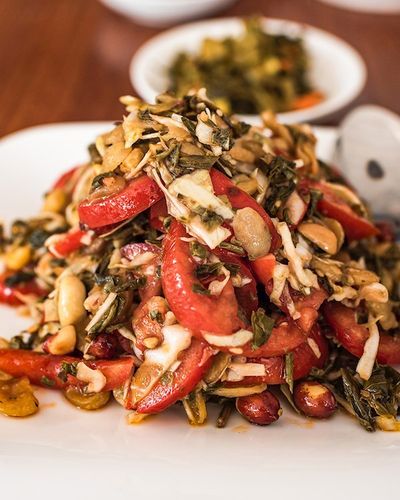
Myanmar's national salad and one of the most distinctive dishes in Southeast Asia: a tossed plate built around lahpet, fermented tea leaves with a sour-bitter pungency unlike anything else you've eaten. You start with pre-pickled tea leaves (sold at South-East Asian grocers; rinse to mellow if they're very sour), pile on shredded white cabbage and diced tomato for crunch and sweetness, then a generous handful of crispy fried things: fried garlic, fried peanuts, fried yellow split peas, sesame seeds. Fish sauce and lime juice toss it all together. Each spoonful is a contrast of soft-bitter tea against crunchy fried things and bright lime. Eaten as a snack at a teashop, an appetiser before dinner, or at the close of a meal as a sign of welcome and reconciliation.
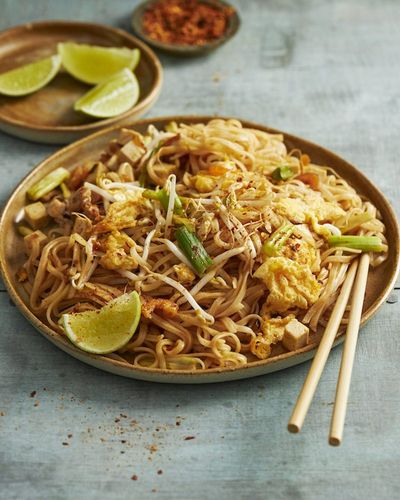
This classic Thai dish of noodles is both aromatic and lightly spicy, serving well as either a main course or a starter. Pad Thai combines stir-fried rice noodles with tender chicken, pork, and prawns in a balanced sauce of curry paste, oyster sauce, and fish sauce. Fresh herbs, crushed peanuts, and a squeeze of lime complete this iconic Thai street food favourite.
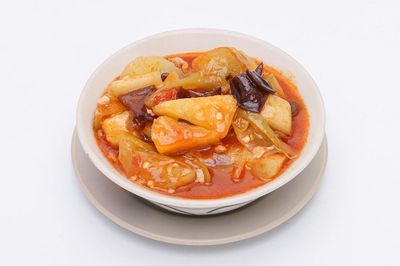
This is a very popular Chinese dish where the sweet and pungent flavours of the sauce combine beautifully with firm, succulent prawns. Simple to make and elegant enough for entertaining, it can be served as part of a larger Chinese meal or as a standalone starter. The balance of sweet, sour, spicy, and savoury creates an unforgettable sauce.
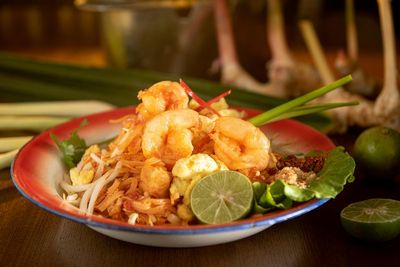
Pad thai began as a 1930s government-promoted national dish during a campaign to reduce rice consumption, and has since become Thailand's best-known noodle export. The success of any version comes down to the sauce: equal parts fish sauce, tamarind and palm sugar, with a spoonful of finely chopped pickled radish for backbone. Once the sauce is mixed the wok work is fast, with soft rice noodles, chicken, tofu, dried shrimp and egg joining in quick succession before the dish is finished with peanuts, chives, lime and chilli at the table.
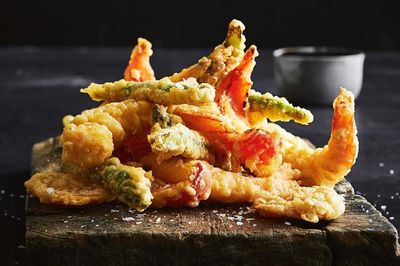
Ice-cold sparkling water meets soft flour in a barely-stirred batter; the batter goes onto sliced vegetables and prawns and into 180°C oil for 90 seconds. The lumps and dry patches in the batter are the goal; smooth batter gives a heavy crust.