In season

May produce

Tap any item to find recipes that use it.

Cataplana de Marisco

Cataplana de Marisco

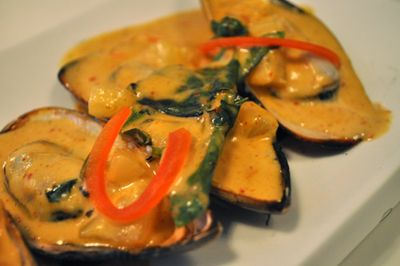
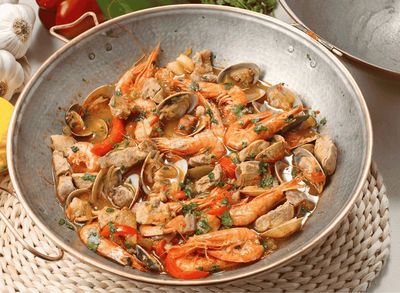
A cataplana is a hinged copper clamshell pan, and the seafood stew named after it is one of those dishes where the cookware does the work. You build a base of onions, peppers, sliced chouriço, smoked paprika, tomato and white wine in the bottom of the cataplana, then layer clams, mussels, prawns and chunks of firm white fish on top, clamp the lid shut, and steam it all for less than ten minutes. The lid lifts at the table to release a cloud of paprika-and-wine-scented steam, which is the entire point of the dish. If you do not have a cataplana, any wide pan with a tight lid does the same job. Coriander and lemon at the end, crusty bread for the broth, and vinho verde for everything else.
Portuguese 55 minutes Serves4
Chingri Malai Curry

Chingri Malai Curry

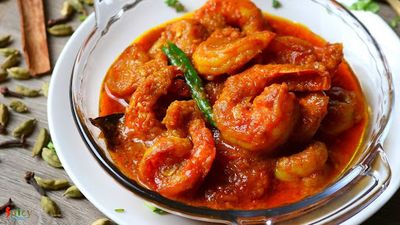
Chingri malai curry is one of those rare Bengali dishes that crosses the river: equally beloved in Kolkata's bonedi households and in the coastal kitchens of Khulna and Chittagong. The name is often misread as a reference to Malaysia (Malay), and there is a folk tradition that the dish came back with Bengali traders from the Malay Peninsula, but in practice malai here simply means cream, in this case the rich first-pressed coconut milk that gives the gravy its body. The prawns must be large, ideally tiger prawns or the freshwater bagda chingri, kept whole with heads and tails on for maximum flavour. The cooking is short and the spice profile delicate: a tempering of whole garam masala in ghee and a little mustard oil, a base of finely ground onion paste rather than chopped onion, a gentle bloom of ginger and turmeric, and then the prawns barely poached in coconut milk so they remain juicy. Sugar plays a quiet but important role, just enough to round the salt and amplify the coconut's sweetness. The result is a curry that is luxurious without being heavy, fragrant without being sharp. It is rich enough to be served with plain basmati or gobindobhog rice and nothing else, though a small wedge of lime on the side is welcome. Overcooked prawns are the only real danger; once you have mastered the timing, this is one of the easier showstoppers in the Bengali repertoire.

Bengali 50 minutes Serves4
Crawfish Étouffée

Crawfish Étouffée

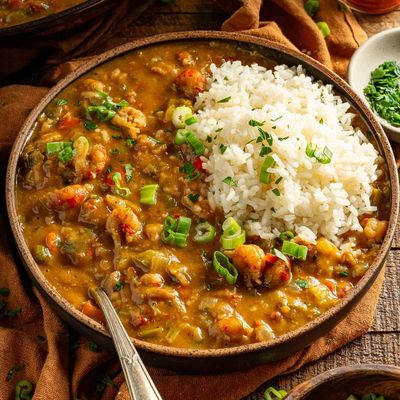
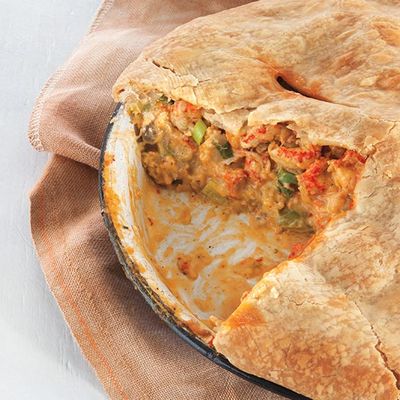
A Louisiana classic, the dish whose name means "smothered" in French, and that's exactly what's happening at the table: tender crawfish tails smothered in a rich gravy spooned over white rice. You start with a blond roux (butter and flour cooked just to the colour of peanut butter, lighter than gumbo's nearly-burnt mahogany), then soften the Cajun trinity of onion, celery and bell pepper in it until everything goes glossy. Tomato paste, Cajun spice and stock loosen the mixture, and the lot simmers down to a thick velvety gravy. Crawfish tails (or prawns if you can't find them) go in near the end and cook just briefly so they stay tender rather than turning rubbery. Spring onion and parsley scatter over at the finish. Ladled over white rice in a bowl, with crusty bread and a glass of cold beer alongside.

Cajun 1 hour Serves4
Crawfish Pies

Crawfish Pies

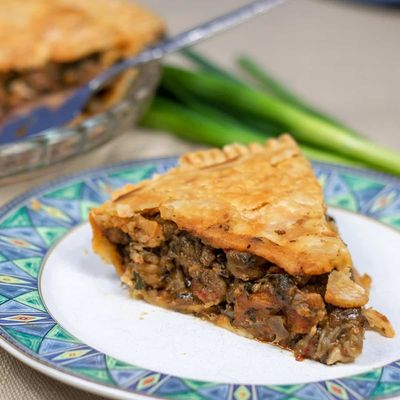
A Louisiana hand pie, the Cajun answer to a Cornish pasty and the snack you'd buy at a Lafayette festival booth alongside a beer. You make a flaky shortcrust enriched with a little butter and lard (or all butter if you'd rather), cold and rested. The filling is a small batch of crawfish étouffée: a blond roux first, then the trinity of onion, celery and bell pepper, garlic, tomato, Cajun spice, stock and crawfish tails, simmered down until thick enough to hold its shape on a spoon. Cool the filling completely so it can be spooned into pastry circles, folded into half-moons, crimped sharp at the edge, brushed with egg wash and either deep-fried or baked. The fried version is the classic, with the pastry blistered amber-gold and the filling steaming inside. Eaten warm from the paper with a dab of remoulade and a cold drink.

Snacks 1 hour 45 minutes Serves12
Creamy Clam Soup

Creamy Clam Soup

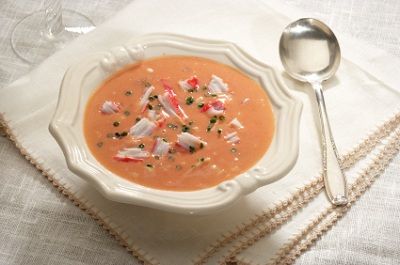
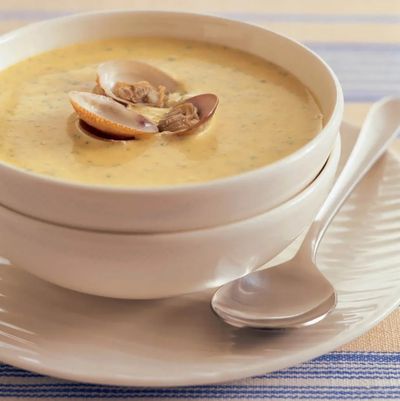
A creamy clam soup that takes the New England chowder format and smooths it out into something closer to a French bisque. You steam fresh clams open in a covered pot, strain the briny liquor (which is half the dish's flavour), then soften onion, leek, carrot and swede in butter before pouring the stock back in with a handful of short-grain rice. The rice cooks down to nothing visible but thickens the soup naturally, which is why this version comes out velvet-smooth after a turn in the blender. Cream goes in last, off the heat so it doesn't split, and the reserved clam meat drops back into the pan along with chopped parsley. You finish each bowl with a few clams left in their shells balanced on the surface for the look of it. Crusty bread on the side, a sharp white wine in the glass, and a small bowl of black pepper to grind over.

American 1 hour Serves4
Curry Smelts

Curry Smelts

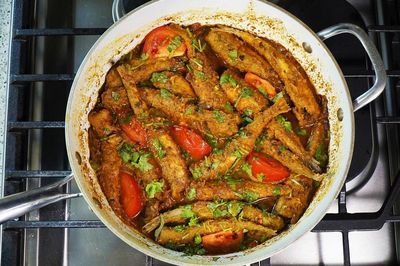
Trinidadian comfort food that brings together the East Indian and Afro-Caribbean strands of Trini cookery in one pan: small whole fried fish (a West African and Caribbean coastal habit) drowned in a Trinidadian East Indian curry sauce. The fish are smelts, sardines or whitebait, whole, head-on, eaten with a small bite to remove the spine. Once fried they sit crisp; when the curry sauce hits, the outer crust softens slightly and absorbs the gravy while the centre stays meaty. The sauce is the dish's signature: roasted geera (dry-toasted cumin) gives a smoky, nutty depth that pre-ground supermarket cumin can't touch, anchar masala adds a fermented-tangy edge (it's the Trinidadian pickled-mango spice mix), and Caribbean curry powder rounds the warmth. Whole pierced Scotch bonnet scents without flooring. Smell when the spices bloom in hot oil is heavy and pungent in the best possible way. Not difficult but it's a two-pan dance, so timing matters. A daily-cookery dish across Trinidad and Tobago and the Indo-Trinidadian diaspora, eaten with steamed rice or with sada roti torn and used as a scoop.

Trinidadian 50 minutes Serves5
Doenjang Jjigae

Doenjang Jjigae

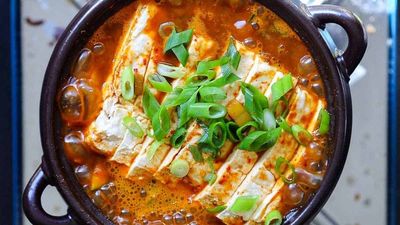
A quick anchovy-and-kelp stock makes the broth backbone (the Korean kitchen standard, taking 10 minutes). Doenjang (about 3 tablespoons) whisks into the hot stock with a small spoonful of gochujang for warmth, never aggressive heat. The vegetables go in by sturdiness: potato first, then courgette and mushrooms, then onion and chilli, finally cubed tofu and clams (or anchovies) at the end. Simmers for 12-15 minutes total. A little minced garlic stirs in at the very end so it doesn't dull. Brought to the table in the cooking pot, still bubbling.

Korean 40 minutes Serves4
← Prev Page 2 of 10 Next →