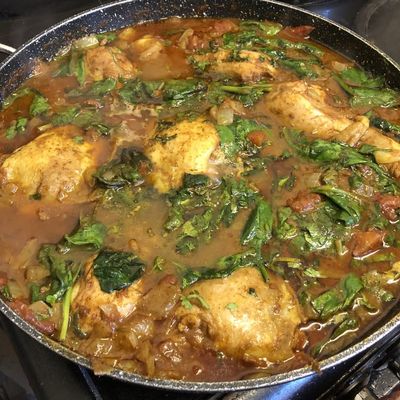
Agra Ginger Chicken
A light, cleansing chicken curry from Agra with fresh ginger, warm spices and bright tomato notes. This vibrant dish is designed to be accessible and fresh, with spinach and lime lifting the finished curry.
Indian
Tap a chip to add another filter, or use Clear all below.
A light, cleansing chicken curry from Agra with fresh ginger, warm spices and bright tomato notes. This vibrant dish is designed to be accessible and fresh, with spinach and lime lifting the finished curry.
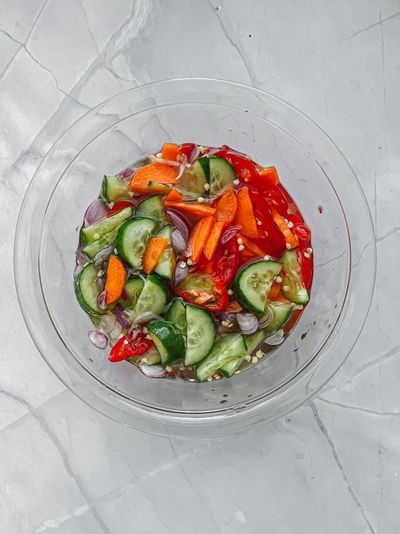
A simple syrup of rice vinegar, palm sugar, water and salt is brought to a gentle simmer to dissolve the sugar, then cooled. Cucumber, shallot and chilli are sliced thin and combined in a small bowl. The cooled syrup is poured over. Rested for 10-15 minutes for the vegetables to wilt slightly into the dressing. Served in small individual ramekins as a dip, OR in a larger bowl as a side, with peanuts sprinkled on top.
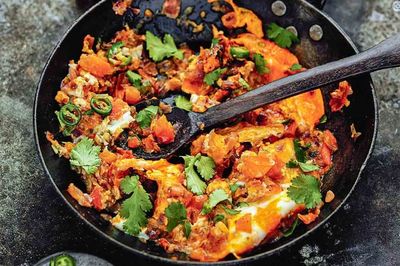
Silky scrambled eggs infused with warm spices and fresh aromatics. The turmeric adds a earthy golden color while ginger and chilli provide warmth and complexity. Served with fresh coriander, this makes an excellent quick snack, elegant starter, or gourmet canapé topping.
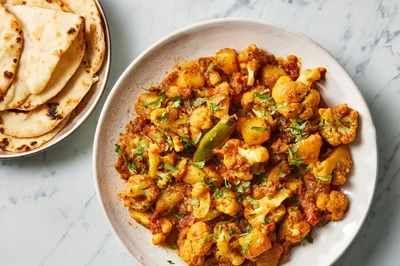
Cumin seeds bloom in hot oil; chopped onion is fried until gold; ginger-garlic paste, turmeric, chilli and coriander toast briefly; tomato softens into a quick sauce. The potatoes go in first (they need longest), the cauliflower follows; both cook covered until tender, stirred occasionally. Garam masala and chopped coriander at the end.
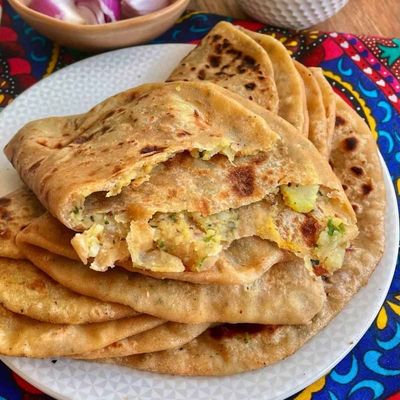
Whole-wheat (atta) flour is mixed with salt and just enough warm water to make a soft dough; rests for 20 minutes. Potatoes boil whole, peel hot, mash with cumin, garam masala, ginger, green chilli, amchoor and coriander. The dough divides into balls. Each ball flattens into a small disc; a heaped spoon of potato sits in the middle; the dough pleats up around the filling and pinches closed; flattens again carefully; rolls out gently to a 20 cm disc. Each cooks on a hot tawa or non-stick pan with ghee, 2 minutes per side, until crispy and gold.
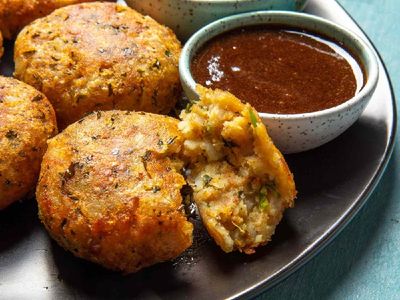
Floury potatoes boil in their skins, then mash dry. A spice paste of green chilli, ginger and roasted cumin folds in with chopped coriander, mint and amchur for sourness. Cornflour and gram flour bind without making the tikki gummy. Patties form, chill to firm up, then shallow-fry in shallow oil on a flat pan for 4-5 minutes per side until deep gold and crisp with a soft interior. The chilled rest is what stops them falling apart.
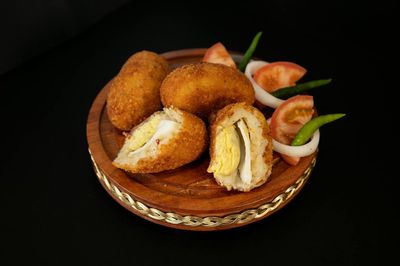
Alur chop (alu meaning potato, chop being a Bengali loan-word for a fried cutlet, inherited from the British "chop") is the workhorse of Bengali street snacks: every tea stall, every train platform, every late-afternoon adda has a stack of these warming under a glass cover. The construction is two layers. The inner mash is heavily seasoned: boiled potato folded through fried onion, ginger, green chilli, roasted cumin and a measured punch of Bengali bhaja moshla (a dry-roasted spice blend of cumin, coriander and dried chilli). Some versions add a few peanuts or roasted chana dal for crunch; in Kolkata the mash often includes a slick of mustard oil for fragrance. The outer shell is a thin chickpea-flour batter, the same family as beguni and piyaju, fried hot so it sets into a thin crisp casing rather than a heavy crust. The trick is contrast: a shell crisp enough to crackle, a centre soft and yielding and a touch wet from the onion. They are sold individually wrapped in newspaper for a few rupees and eaten standing up, often with muri puffed rice and a small dollop of kasundi (Bengali fermented mustard sauce) on the side. A monsoon and winter snack above all, when the cold air makes the hot oil and the inside-warm chop feel particularly right.
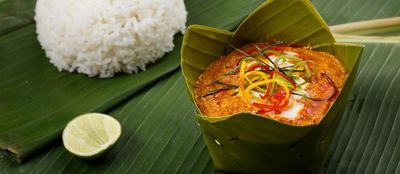
Cambodia's national dish, the centrepiece of any Khmer feast and the proper-occasion food across the country. You start by pounding kroeung fresh in a mortar (the paste of lemongrass, galangal, turmeric, garlic, shallots, kaffir lime zest and coriander root that defines Khmer cooking, and that no shop-bought paste comes close to matching). The kroeung fries briefly to bloom its aromatics, coconut cream and stock loosen it, and eggs whisk in to set the eventual custard. Chunks of firm white fish fold through with chopped greens (traditionally noni leaves, with spinach or chard standing in), and the whole mix spoons into banana-leaf cups (or small ramekins). Twenty minutes in a steamer turns the custard just-set around the soft fish, and the banana leaves perfume everything. Served from the parcels with steamed rice and a wedge of lime.
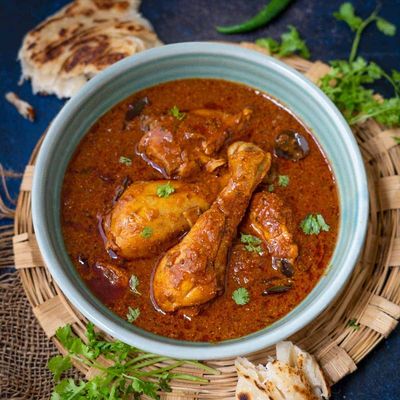
Chicken thighs are marinated briefly with turmeric, ginger-garlic paste, yogurt and a pinch of red chilli. A dry-roast of poppy seeds, sesame seeds, coconut, fennel, coriander and dried red chillies is ground with a splash of water into a coarse paste. The base is built with shallots, curry leaves and tomato; the chicken is browned in stages; and the masala paste is folded in for the long, gentle simmer. Tamarind and a curry-leaf temper finish.
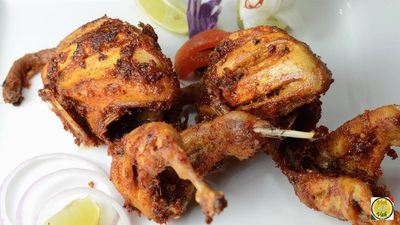
Simple tandoori-style chicken thighs marinated in yogurt and spices for tender, flavorful meat. Thighs or drumsticks work best; use mild paprika for color and flavor, or chilli powder for heat. Yogurt and lemon tenderize the meat, allowing spices to penetrate deeply.
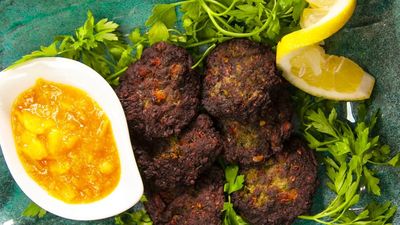
Fine bulgur (#1 grade) soaks in hot water until soft and fluffy. Lamb or beef mince mixes with the bulgur, grated onion, lots of chopped parsley and coriander, ground baharat, cumin and a pinch of cinnamon. The mixture should be soft enough to spread, if it's too dry the aroog crumble. Small portions press onto a hot oiled pan and flatten to 1 cm thick discs; cook for 4-5 minutes per side over medium heat until deeply browned and the meat is just cooked through. Lift, drain briefly, eat hot with lemon and yoghurt.
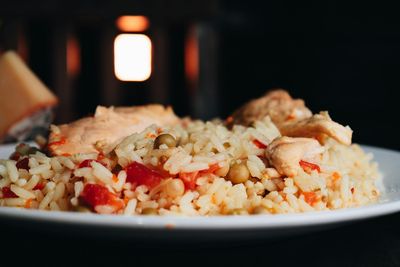
Rice is rinsed but not soaked (this is Portuguese-style rice, where short-grain is preferred for its slight starchiness). Goan chouriço is rendered in olive oil with garlic and bay, onion is softened, tomato is cooked down to a paste, and the rice is toasted briefly before stock is poured in for a covered steam. Peas are folded through in the final minutes. The dish has a faintly smoky paprika colour and a clear Portuguese DNA.
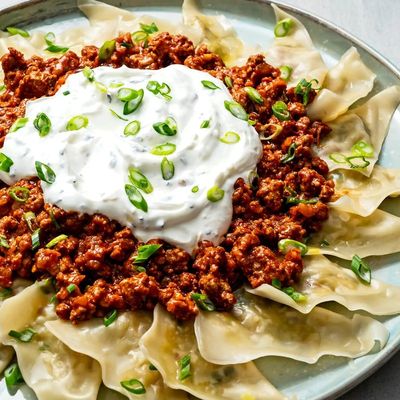
Aushak are the Afghan leek-and-mint dumplings that share their plating shape with mantu: a smear of garlic yogurt under, dumplings boiled and fanned over, a thick lamb meat sauce ladled across the top, dried mint and chilli to finish. The filling is just leeks (or scallions), salted briefly to draw the water out, squeezed dry, then mixed with fresh mint, ground coriander and pepper. Wonton wrappers (or homemade dough) seal around a teaspoon of filling pinched into half-moons or triangles. While the dumplings boil, you make the topping: ground beef or lamb fried with onion, garlic, tomato paste and dried mint, simmered into a thick savoury sauce. The yogurt sauce is just chaka with garlic. Plate together while everything is still warm.
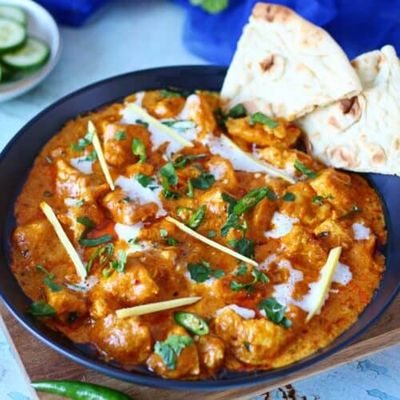
A rich, ghee-laden chicken handi cooked in the traditional style, featuring tender chicken thighs simmered in a spiced tomato-onion base with yoghurt and cream. Named for the handi pot, this dish varies by chef but delivers deep, authentic flavors.
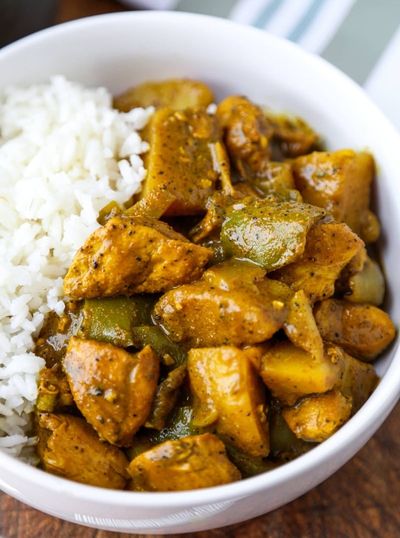
Jamaican curry sits in its own corner of the global curry map: heavier on turmeric and allspice than Indian Madras, lighter on cumin, and built on a technique called "burning the curry" that gives the dish its character. The technique is exactly what it sounds like, dry curry powder hits hot oil and is stirred for 30 seconds until it darkens from yellow to deep gold and smells like toasted spice. That move concentrates the flavours and removes any raw edge. The finished stew is bright yellow stained slightly orange, savoury and aromatic rather than searingly hot, with thyme and a whole pierced Scotch bonnet scenting the gravy without flooring it. Smell: bloomed curry powder, allspice, browned chicken fat. Not difficult, but requires confidence in the 30-second bloom (under-do it and the dish is flat; over-do it and you have to start over). A Sunday-dinner staple across Jamaica and the diaspora, served over white rice with the gravy spooned generously over.
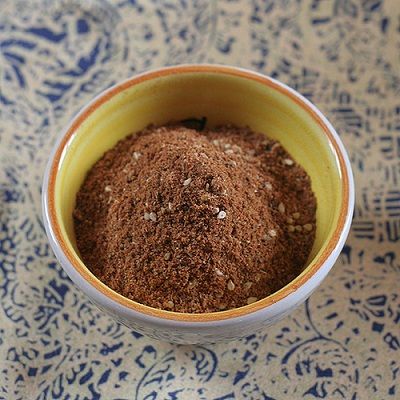
Baharat is the signature spice blend of the Eastern Mediterranean and Arabian cuisine. It balances warm aromatics (cinnamon, cardamom, cloves) with peppery heat and depth from allspice and paprika. This is not a finishing blend but a foundational one, used to season meat dishes, rice, soups, and slow-cooked foods. The warm spices reflect the climate and trade history of the region, cinnamon from Sri Lanka, cardamom from India, tempered by local paprika. Each country has slight variations, but the core character remains: sophisticated, warm, and complex.
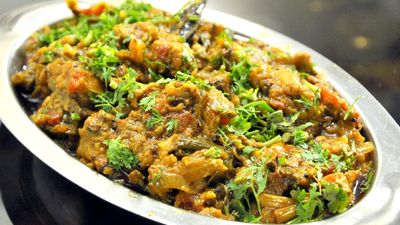
A whole aubergine is charred directly over a gas flame until the skin is blackened and the flesh inside is soft. The charred skin is peeled off and the flesh roughly mashed. A masala of onion, garlic, ginger, green chilli and tomato is cooked down to a thick base, and the smoky aubergine flesh is folded through with a finishing touch of garam masala and coriander. Vegetable-side or vegetarian main; the smoke is what makes it.
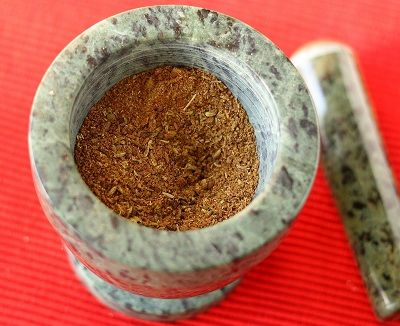
Balti masala is a mild, balanced spice blend designed as the foundation for British-Indian curries. Unlike hot masalas, this blend emphasizes warmth over fire. The whole spices are dry-roasted to develop their individual characters before grinding, creating depth of flavor that pre-ground blends can't match. The cinnamon provides sweetness, coriander seeds contribute earthiness, and cardamom adds aromatics. This is a curry powder that improves with age; it develops better flavor after 1-2 weeks of storage.
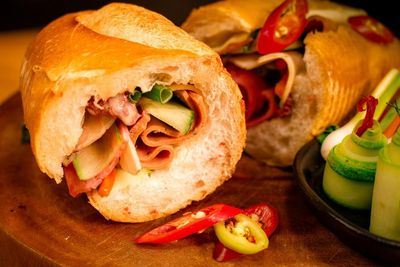
A good bánh mì is mostly assembly. The bread should be light and crackly, the pâté smeared on thickly, the mayo generous, the meat layered cold and the herbs and pickles loaded right to the edges. A short blast in a hot oven is what crisps the loaf; the filling goes in straight after. Eat standing up over the sink.
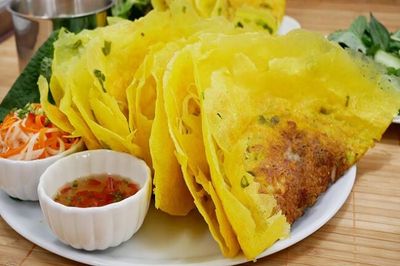
Rice flour, turmeric, coconut milk and water make a thin yellow batter. Filling vegetables, mushrooms, sliced onion, tofu, are sautéed in a hot pan; the batter is poured over to form a thin pancake; beansprouts pile in last; the lot is folded in half and slides out crisp. Pieces are wrapped in lettuce with herbs and dipped in nuoc cham.