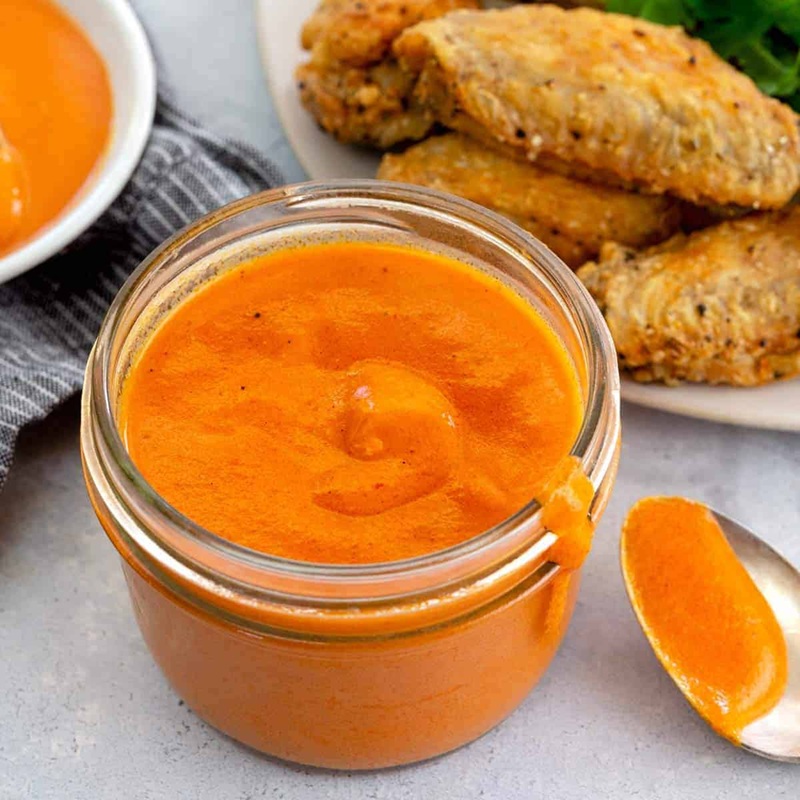
Buffalo Sauce
The tangy, butter-rich orange sauce behind American Buffalo wings: hot sauce melted into butter, balanced with a touch of sugar and the savoury depth of Worcestershire. Goes on wings, drumsticks, cauliflower, burgers, fried chicken sandwiches and the leftover roast on a Monday lunchbox.
Overview
Butter melts gently in a saucepan; cayenne hot sauce goes in and stirs to a glossy emulsion. Sugar, garlic powder and a few dashes of Worcestershire round the edges so the bite is sharp but never aggressive. Kept on a low heat throughout so the butter never splits. Pours straight over hot wings just before serving, or stirs into mayonnaise for a Buffalo dip.
Ingredients
- 125 ml Frank's Original Hot Sauce (or any cayenne-vinegar hot sauce)
- 85 g unsalted butter (about 6 tablespoons)
- 2 teaspoons granulated sugar
- ⅛ teaspoon garlic powder
- 5 dashes Worcestershire sauce
Method
Stage 1 - Melt the butter
- Place the butter in a small saucepan over low-medium heat.
- Let it melt without browning - the butter should be liquid, not foaming or sizzling.
Stage 2 - Combine with the hot sauce
- Pour in the hot sauce.
- Stir with a small whisk or wooden spoon until the butter and hot sauce emulsify into a smooth, glossy orange sauce.
Stage 3 - Season
- Add the sugar, garlic powder and Worcestershire sauce.
- Stir for another 30 seconds, then taste.
- The sauce should be sharp, savoury, slightly sweet and not punishingly hot.
Stage 4 - Serve
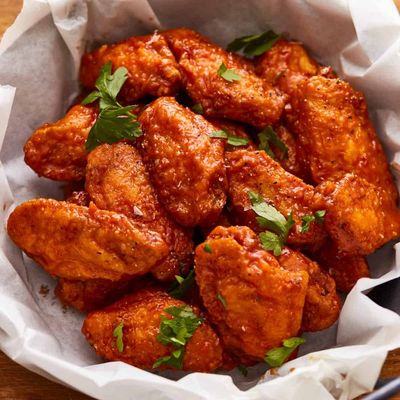
- Use immediately while warm: toss with freshly fried wings in a wide bowl until every piece is glossy and slick, or drizzle over a fried chicken sandwich.
Notes
- Low heat throughout: Crank it up and the butter splits, leaving an oily film on top. If it splits, pull the pan off the heat and whisk vigorously to bring it back; a teaspoon of cold water helps.
- Heat level: This is a balanced sauce, not a face-melter. For more heat add another tablespoon of hot sauce; for less, an extra teaspoon of butter.
- Frank's RedHot is the original: Other cayenne-vinegar hot sauces work (Crystal, Texas Pete, Tabasco-style) but the salt and vinegar levels vary - taste and adjust.
Serving
The classic partner for wings (toss in a wide bowl with a splash of sauce per portion). Also brilliant for: fried chicken sandwiches, drizzled over crisp roasted cauliflower, stirred 1:1 with mayonnaise for a Buffalo dip, or thinned with cream for a pasta sauce.
Storage
- Keeps refrigerated 1 week in a sealed jar.
- The butter sets solid once chilled; warm gently on the hob or 20 seconds in a microwave before using.
- If it thickens too far, loosen with a splash of warm water.
- Not recommended for freezing - the emulsion breaks on thaw.
More like this
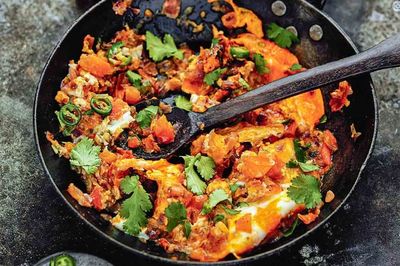
Akuri (Indian Spicy Scrambled Eggs)
Silky scrambled eggs infused with warm spices and fresh aromatics. The turmeric adds a earthy golden color while ginger and chilli provide warmth and complexity. Served with fresh coriander, this makes an excellent quick snack, elegant starter, or gourmet canapé topping.
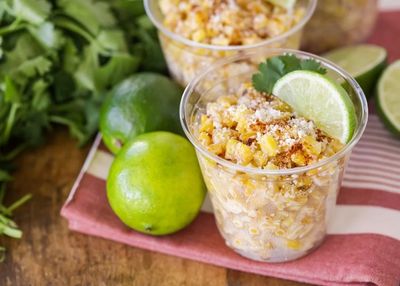
Esquites
Corn kernels, fresh in season, frozen the rest of the year, are charred in a hot dry pan with a bit of oil until many kernels are blackened. Off the heat: mayo, sour cream, lime, garlic, chilli powder and cheese are folded through. Coriander and more cheese top each bowl.
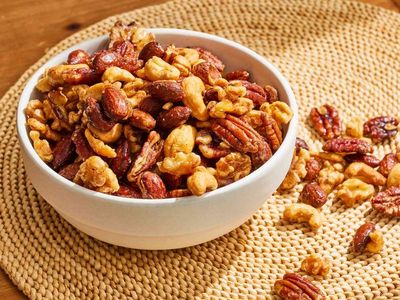
Spiced Mixed Nuts
Nuts roast briefly in a hot oven to bring out their oils. Melted butter mixes with rosemary, smoked paprika, cayenne, brown sugar and salt. The hot nuts toss in this glaze; back to the oven for a few more minutes to set; cool on a tray.
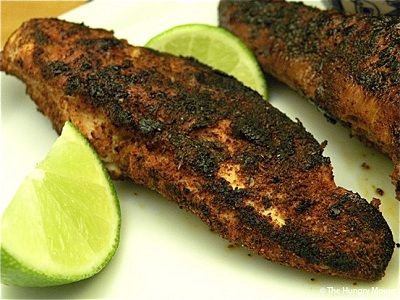
Blackened Chicken
The Cajun classic invented by Paul Prudhomme in his New Orleans kitchen in the 1980s, the dish that put smoky char on the American restaurant menu for a decade. You build a bold spice mixture (paprika, garlic, onion, thyme, cayenne, salt and black pepper), dip butterflied chicken breasts in melted butter and press them firmly into the spice rub on both sides. Then they hit a screaming-hot cast-iron skillet for about three minutes per side, where the butter and spices char into a deep mahogany crust that locks the juices in and gives the chicken its defining smoky finish. The technique works equally well on fish (Prudhomme's original was redfish), pork or beef. Eaten sliced over a salad, layered in a sandwich with remoulade, or alongside dirty rice as a proper Cajun plate.