In season

May produce

Tap any item to find recipes that use it.

Amok Trey

Amok Trey

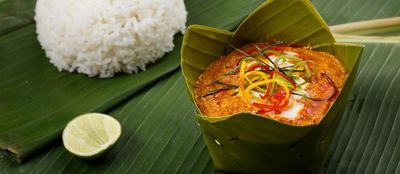
Cambodia's national dish, the centrepiece of any Khmer feast and the proper-occasion food across the country. You start by pounding kroeung fresh in a mortar (the paste of lemongrass, galangal, turmeric, garlic, shallots, kaffir lime zest and coriander root that defines Khmer cooking, and that no shop-bought paste comes close to matching). The kroeung fries briefly to bloom its aromatics, coconut cream and stock loosen it, and eggs whisk in to set the eventual custard. Chunks of firm white fish fold through with chopped greens (traditionally noni leaves, with spinach or chard standing in), and the whole mix spoons into banana-leaf cups (or small ramekins). Twenty minutes in a steamer turns the custard just-set around the soft fish, and the banana leaves perfume everything. Served from the parcels with steamed rice and a wedge of lime.
Cambodian 55 minutes Serves4
Balachaung

Balachaung

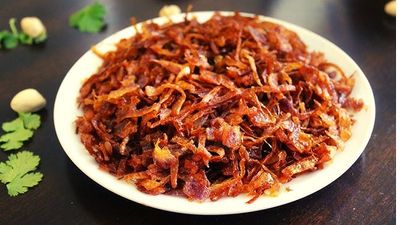
The Burmese dried-shrimp relish that sits in a jar in every Yangon kitchen, the seasoning you reach for to lift a plate of plain rice into something memorable. You pulse-grind dried shrimp to a coarse floss, then fry a pile of sliced garlic and shallot in oil until they're deep golden and crisp. The dried shrimp joins them and toasts to a fragrant rust colour. Chilli powder, fish sauce, tamarind, sugar and a splash of water turn the lot into a sticky red-brown relish. Cook until the oil clears (twelve to fifteen minutes), cool, store in a jar. Eat by the spoonful with rice, or as a side to grilled meat or fish.

Sides 40 minutes Serves12
Brown Stew Shrimp and Sweet Potato Grits

Brown Stew Shrimp and Sweet Potato Grits

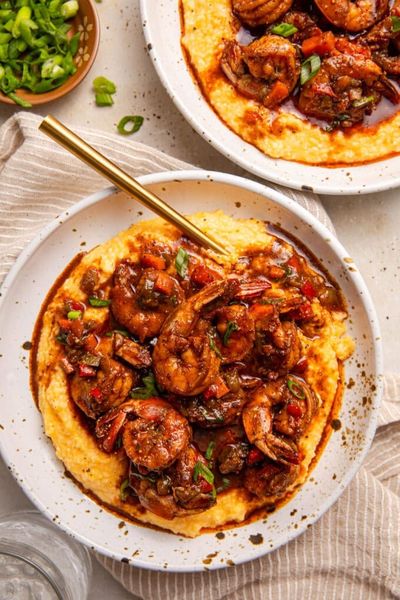
A Caribbean-Southern crossover that works because both traditions cook in a similar register: butter, peppers, alliums, slow heat, savoury depth. The brown stew base on top of the dish is Jamaican, bell peppers, carrot, Scotch bonnet, ginger, browning sauce, that mahogany-coloured gravy with the unmistakable allspice-and-thyme signature, and the bed underneath is from Lowcountry Charleston, where sweet potato grits enriched with butter, half-and-half and gouda are a long-running modern Southern restaurant standard. The shrimp themselves are quick-cooked and sweet, picking up the brown stew sauce. Two textures stacked: silky-rich grits, brothy stew on top with bite from the diced peppers and carrot. Smell is sweet-onion-and-browning-sugar over the corn-sweet base of the grits. Not difficult but it's two pans running at once, so timing matters; the grits hold on a low warm setting while the shrimp cook quickly. A modern fusion rather than a traditional dish, popularised by Black American chefs in the 2010s exploring the points of overlap between Lowcountry and Caribbean cookery.

Jamaican 1 hour Serves4
Burmese Tea-Leaf Snack Mix

Burmese Tea-Leaf Snack Mix

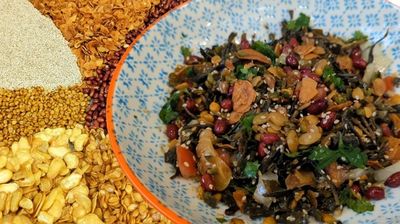
The older, more ceremonial form of lahpet, the version that predates the salad. Unlike lahpet thoke (the salad), there's no cabbage, no tomato, no fresh dressing - the fermented tea leaves stay pungent and concentrated, and the fried elements supply texture and salt. You keep all the components separate on a divided plate until they reach the table, so the crispy bits don't soften, and each guest builds their own bite from the spread. Eaten as an afternoon teashop snack with a small cup of green tea, or traditionally at the close of formal meals as a sign of welcome and reconciliation - a Burmese custom that dates back centuries and still turns up at weddings.

Snacks 25 minutes Serves6
Chingri Malai Curry

Chingri Malai Curry

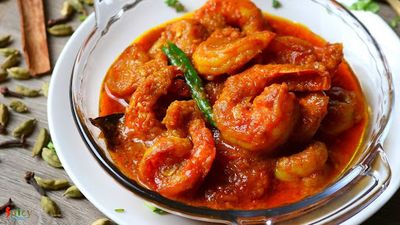
Chingri malai curry is one of those rare Bengali dishes that crosses the river: equally beloved in Kolkata's bonedi households and in the coastal kitchens of Khulna and Chittagong. The name is often misread as a reference to Malaysia (Malay), and there is a folk tradition that the dish came back with Bengali traders from the Malay Peninsula, but in practice malai here simply means cream, in this case the rich first-pressed coconut milk that gives the gravy its body. The prawns must be large, ideally tiger prawns or the freshwater bagda chingri, kept whole with heads and tails on for maximum flavour. The cooking is short and the spice profile delicate: a tempering of whole garam masala in ghee and a little mustard oil, a base of finely ground onion paste rather than chopped onion, a gentle bloom of ginger and turmeric, and then the prawns barely poached in coconut milk so they remain juicy. Sugar plays a quiet but important role, just enough to round the salt and amplify the coconut's sweetness. The result is a curry that is luxurious without being heavy, fragrant without being sharp. It is rich enough to be served with plain basmati or gobindobhog rice and nothing else, though a small wedge of lime on the side is welcome. Overcooked prawns are the only real danger; once you have mastered the timing, this is one of the easier showstoppers in the Bengali repertoire.

Bengali 50 minutes Serves4
Doenjang Jjigae

Doenjang Jjigae

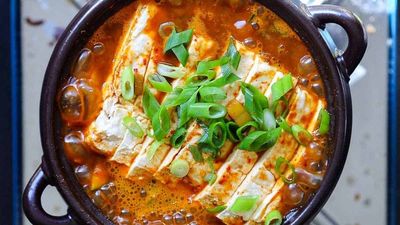
A quick anchovy-and-kelp stock makes the broth backbone (the Korean kitchen standard, taking 10 minutes). Doenjang (about 3 tablespoons) whisks into the hot stock with a small spoonful of gochujang for warmth, never aggressive heat. The vegetables go in by sturdiness: potato first, then courgette and mushrooms, then onion and chilli, finally cubed tofu and clams (or anchovies) at the end. Simmers for 12-15 minutes total. A little minced garlic stirs in at the very end so it doesn't dull. Brought to the table in the cooking pot, still bubbling.

Korean 40 minutes Serves4
Firecracker Prawns

Firecracker Prawns

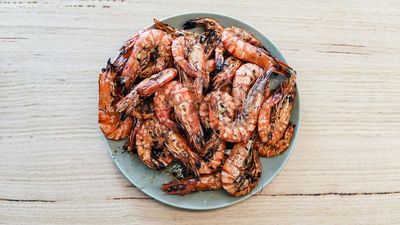
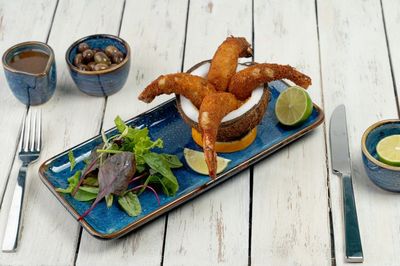
Prawns (shrimp) curl naturally into half-circles. To get your firecracker prawns looking right you need to do some cosmetic work but it’s an easy job: the underside of the prawns needs to be scored in three places so that you can straighten them up. I have seen this popular starter prepared with many different marinades but as the name implies, it’s the chilli that is important. In this recipe I suggest using both chilli paste and roasted chilli flakes. How much of each you add, however, is completely down to you and how spicy you like your food. I recommend serving these with sweet chilli sauce.

Starters 30 minutes Serves20
Kanom Jeeb

Kanom Jeeb

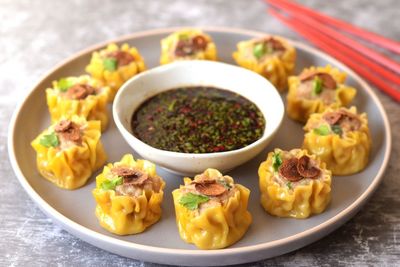
A filling of minced pork and chopped prawn binds with coriander root (pounded with garlic and white pepper into the traditional Thai "rak pak chee" paste), oyster sauce, soy sauce, sugar, sesame oil, and a beaten egg. The mixture chills for 20 minutes to firm. Square wonton wrappers go around the filling cupcake-style: filling in the centre, edges pulled up and pleated open around the meat, top brushed with a tiny smear of beaten egg and topped with a thin slice of carrot. Steamed in a bamboo basket over boiling water for 8 minutes. Dip is black soy sauce with sliced chilli and rice vinegar.

Snacks 40 minutes Serves4
← Prev Page 1 of 4 Next →