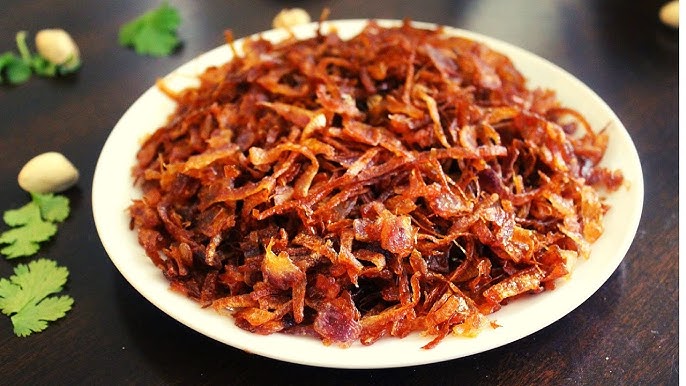
Balachaung
The Burmese table condiment: dried shrimp fried into a deeply savoury, sticky chilli-and-garlic relish that's spooned over rice, mixed into noodles, eaten with cucumber or scooped onto a plain wedge of bread. Intense, salty, fishy, sweet-hot. A spoon goes a long way. Made in batches; kept in a jar; lasts weeks.
Overview
The Burmese dried-shrimp relish that sits in a jar in every Yangon kitchen, the seasoning you reach for to lift a plate of plain rice into something memorable. You pulse-grind dried shrimp to a coarse floss, then fry a pile of sliced garlic and shallot in oil until they're deep golden and crisp. The dried shrimp joins them and toasts to a fragrant rust colour. Chilli powder, fish sauce, tamarind, sugar and a splash of water turn the lot into a sticky red-brown relish. Cook until the oil clears (twelve to fifteen minutes), cool, store in a jar. Eat by the spoonful with rice, or as a side to grilled meat or fish.
Ingredients
- 150 g dried shrimp (small, available from East Asian shops)
- 200 ml vegetable oil
- 1 onion (large, very finely sliced)
- 12 garlic cloves (very finely sliced)
- 2 tablespoons ginger (julienned)
- 4 tablespoons Kashmiri chilli powder (or 2 tbsp paprika + 2 tbsp chilli flakes)
- 4 tablespoons fish sauce
- 2 tablespoons tamarind paste (or 1 ½ tablespoons tamarind concentrate)
- 2 tablespoons palm sugar (or brown sugar)
- 80 ml hot water
- ½ teaspoon salt (to taste)
Method
Stage 1 - Prep the shrimp
- Soak the dried shrimp in warm water 5 minutes; drain.
- Pat dry on kitchen paper.
- Pulse in a small food processor or mortar to a coarse floss (not a paste).
Stage 2 - Fry the aromatics
- Heat 4 tablespoons of the oil in a wide heavy pan over medium heat.
- Add the sliced onion; fry 8 minutes until deep gold and just starting to crisp at the edges.
- Lift onto kitchen paper; reserve.
- Add the sliced garlic; fry 4-5 minutes until pale gold (it crisps as it cools - don't take it too far).
- Lift onto paper; reserve.
Stage 3 - Toast the shrimp
- Pour in the remaining oil. Add the julienned ginger; fry 30 seconds.
- Add the shrimp floss; toast 6-7 minutes, stirring constantly, until aromatic and dark rust-coloured.
Stage 4 - Build the relish
- Whisk chilli powder, fish sauce, tamarind, sugar and water in a small bowl.
- Pour into the pan with the toasted shrimp; stir hard.
- Cook 6-8 minutes, stirring often, until the relish is glossy and a clear oil rises to the surface.
Stage 5 - Combine
- Stir in the reserved fried onion and garlic.
- Cook another 2 minutes to combine.
- Taste; adjust salt - the relish should be salty, hot, slightly sour, slightly sweet.
Stage 6 - Cool and store
- Cool completely. Tip into a clean glass jar; cover with the oil that has risen to the surface (this preserves it).
Stage 7 - Use
- A teaspoon spooned over rice. A tablespoon stirred into noodles. As a topping for plain hard-boiled eggs.
Notes
- Dried shrimp quality: Pinkish-orange shrimp from a Chinese, Vietnamese or Thai shop are best. Beige or grey ones are old and smell off-fishy rather than clean.
- Garlic to gold not brown: Brown garlic is bitter. Take it to pale gold and lift out; it darkens to amber as it cools.
- Storage and longevity: Properly made balachaung lasts 3 weeks refrigerated. The oil cap keeps the relish covered; if you lose the cap, top up with fresh oil.
Storage
- Refrigerate up to 3 weeks in a sealed jar with an oil cap on top.
- Don't freeze - the texture goes claggy.
More like this
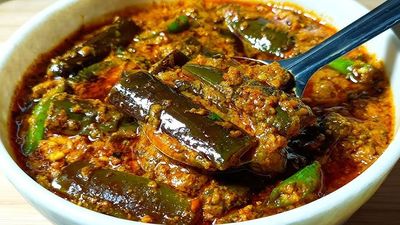
Kayan Thee Hnut
A Burmese aubergine dish, the kind of thing that turns up on a weekday table next to a simple curry and rice. You cube the aubergine and salt it for twenty minutes to draw out the bitter water, then squeeze it dry. Onion fries dark-gold in oil; garlic, ginger and turmeric go in briefly; then the aubergine joins them and fries for eight minutes until silky-soft and just collapsing. Fish sauce, chilli powder and a touch of palm sugar season the pan, and toasted crushed peanuts scatter over at the end for crunch. Eaten warm with rice and a small piece of fish.
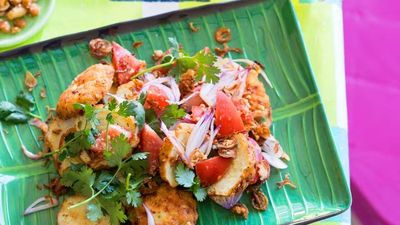
Nga Hpe (Burmese Fish Cakes)
The Burmese fish cakes that arrive at lahpet-thoke salad tables and street snack stalls alike, bright with lime and curry leaf. You cube skinless firm fish fillets and pulse them in a food processor with shallot, garlic, ginger, lime, fish sauce and a small egg into a sticky paste. A spoon of beaten cornflour binds it. Curry leaves, sliced spring onion, chopped cilantro and a fresh chilli go in for fragrance and bite. Patties form by hand (keep your hands slightly damp so the mixture doesn't stick), then shallow-fry in batches at 170°C for two or three minutes per side until they're deep gold and crisp at the edges. Eaten warm with a sour-sweet tamarind dipping sauce.
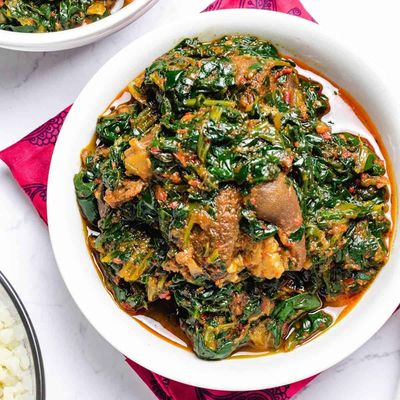
Efo Riro
Beef (or goat, or prawns) parboils briefly. Smoked fish soaks. A pepper paste of red bell pepper, Scotch bonnet, onion and tomato blitzes in the blender. Palm oil heats; the pepper paste fries for 10 minutes until reduced and the oil rises. Stock, meat, smoked fish, ground crayfish and iru go in; simmers for 15 minutes. Spinach goes in last, wilts in 5 minutes. Served with rice, eba, fufu or pounded yam.
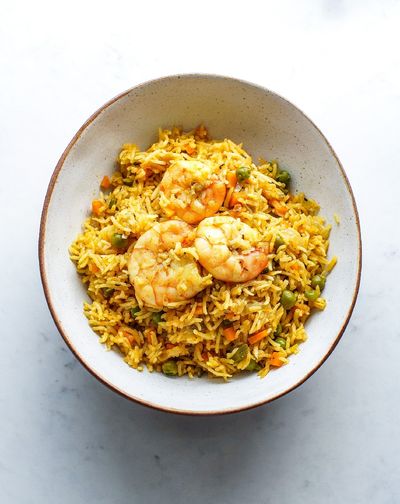
Goan Prawn Pulao
A bright green masala paste of coriander, mint, green chilli, ginger and garlic is ground with a splash of vinegar. Basmati is rinsed, soaked and drained. Whole spices and onion are softened in coconut oil, the prawns briefly seared and lifted out, then the green masala is fried into the onion before the rice is added to toast. Stock goes in for the steam; the prawns return at the end so they don't overcook.