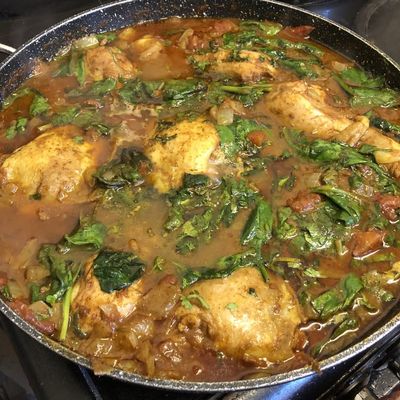
Agra Ginger Chicken
A light, cleansing chicken curry from Agra with fresh ginger, warm spices and bright tomato notes. This vibrant dish is designed to be accessible and fresh, with spinach and lime lifting the finished curry.
Indian
Tap a chip to add another filter, or use Clear all below.
A light, cleansing chicken curry from Agra with fresh ginger, warm spices and bright tomato notes. This vibrant dish is designed to be accessible and fresh, with spinach and lime lifting the finished curry.
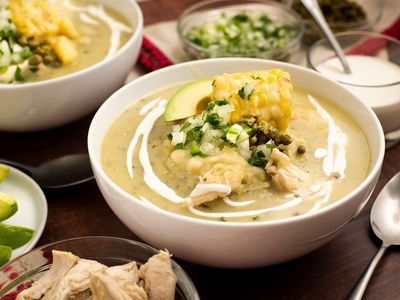
Chicken poaches with onion, garlic and herbs into a clean, golden broth. The first potato (sabanera, or floury maris piper) drops in to start; the small yellow papa criolla follows to break down and thicken; pastusa or red potatoes go in last to hold shape. Cobs of sweet corn cook in the same pot. Guascas, the dish's signature herb, adds at the very end. Each bowl tops with shredded chicken, avocado, capers and a generous spoon of cream; rice on the side.
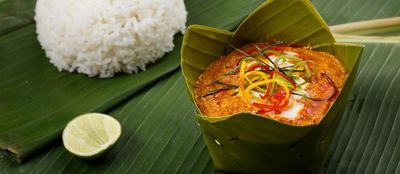
Cambodia's national dish, the centrepiece of any Khmer feast and the proper-occasion food across the country. You start by pounding kroeung fresh in a mortar (the paste of lemongrass, galangal, turmeric, garlic, shallots, kaffir lime zest and coriander root that defines Khmer cooking, and that no shop-bought paste comes close to matching). The kroeung fries briefly to bloom its aromatics, coconut cream and stock loosen it, and eggs whisk in to set the eventual custard. Chunks of firm white fish fold through with chopped greens (traditionally noni leaves, with spinach or chard standing in), and the whole mix spoons into banana-leaf cups (or small ramekins). Twenty minutes in a steamer turns the custard just-set around the soft fish, and the banana leaves perfume everything. Served from the parcels with steamed rice and a wedge of lime.
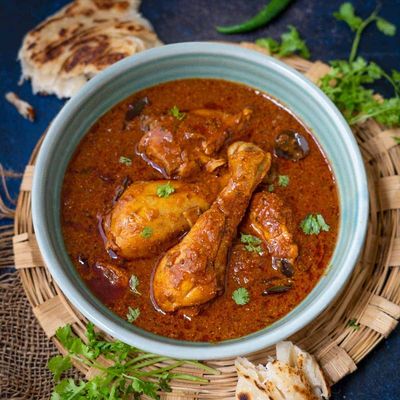
Chicken thighs are marinated briefly with turmeric, ginger-garlic paste, yogurt and a pinch of red chilli. A dry-roast of poppy seeds, sesame seeds, coconut, fennel, coriander and dried red chillies is ground with a splash of water into a coarse paste. The base is built with shallots, curry leaves and tomato; the chicken is browned in stages; and the masala paste is folded in for the long, gentle simmer. Tamarind and a curry-leaf temper finish.
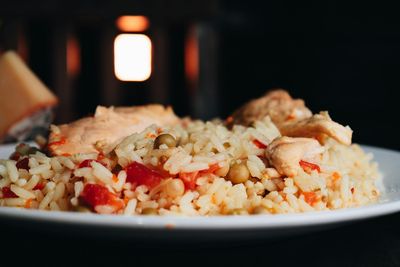
Rice is rinsed but not soaked (this is Portuguese-style rice, where short-grain is preferred for its slight starchiness). Goan chouriço is rendered in olive oil with garlic and bay, onion is softened, tomato is cooked down to a paste, and the rice is toasted briefly before stock is poured in for a covered steam. Peas are folded through in the final minutes. The dish has a faintly smoky paprika colour and a clear Portuguese DNA.
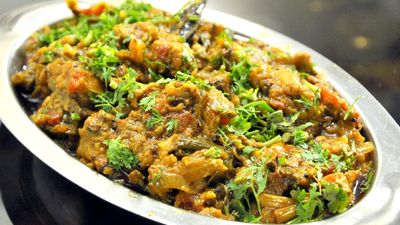
A whole aubergine is charred directly over a gas flame until the skin is blackened and the flesh inside is soft. The charred skin is peeled off and the flesh roughly mashed. A masala of onion, garlic, ginger, green chilli and tomato is cooked down to a thick base, and the smoky aubergine flesh is folded through with a finishing touch of garam masala and coriander. Vegetable-side or vegetarian main; the smoke is what makes it.
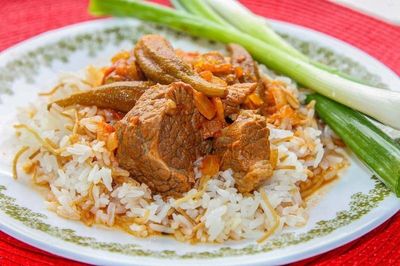
Lamb shoulder is browned hard; onion is softened; garlic, baharat and tomato paste join. Stock, tamarind, dried lime and tinned tomato deglaze. The lamb is braised for 75 minutes. Small whole okra goes in the last 25 minutes (long enough to soften, short enough not to disintegrate). Taqliya, crushed garlic and coriander sizzled in oil, is drizzled over at the end.
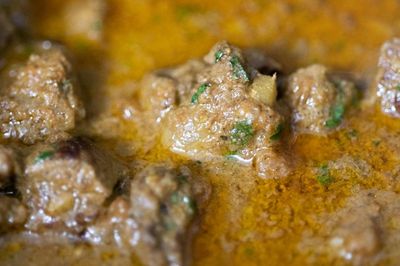
A thick, sweet Panang curry with peanuts, served over jasmine rice. Similar to red curry but sweeter and thicker; add vegetables for extra nutrition or keep traditional.
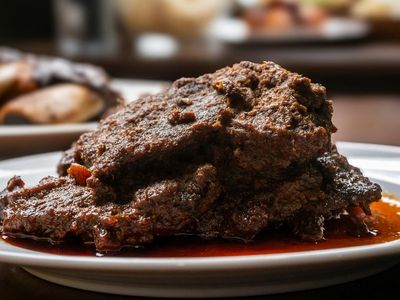
Rendang is a spicy meat dish which originated from the Minangkabau ethnic group of Indonesia, and is now commonly served across the country. One of the characteristic foods of Minangkabau culture, it is served at ceremonial occasions and to honour guests. This rich, aromatic curry features beef slowly simmered in coconut milk and spices until deeply flavoured.
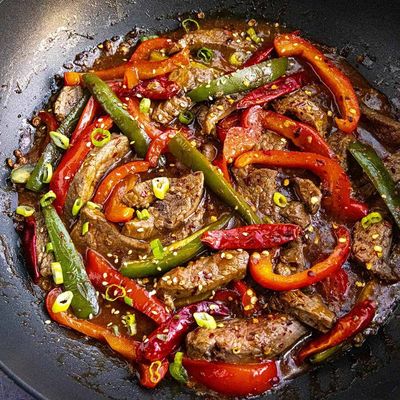
A Burmese curry from the country's Indian-origin community, sitting somewhere between a Madras and a Burmese ohn-no in spice profile. You marinate chunks of beef chuck or shin in turmeric, fish sauce and salt while you fry onions in oil until they're deep brown - that long onion fry is the foundation. The beef browns in the same oil, then ginger-garlic paste, paprika and chilli powder go in, then tomato and water turn it into a stew. Two hours of slow simmer until the meat falls apart at a fork. The signature finish is the see byan, a deep red-orange oil slick that rises to the top of the curry as it reduces, which is what the dish is named for. Eaten with rice or paratha, and a small bowl of pickled vegetable on the side.
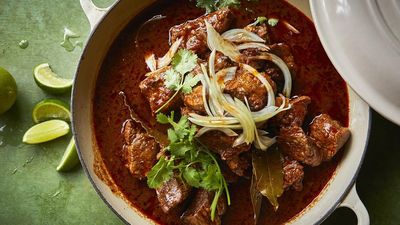
Birria is a Mexican braise of long, patient ambition. Originally a goat or lamb dish from Jalisco, it has long since adopted beef in much of Mexico and almost entirely in the popular taco version. The flavour comes from a layered chile base: guajillo for fruit and colour, ancho for raisin sweetness, pasilla for earthy depth, and a handful of arbol for a sharper heat. These are simmered with onion, garlic, cinnamon and peppercorns, blended smooth with chipotles in adobo and fire-roasted tomato, then poured over seared chuck and short rib for a long oven braise. Three hours later the meat is meltingly tender, sitting in a rust-red consomme that is the whole point: ladled over the shredded beef in a bowl, scattered with raw onion, cilantro and lime, or used to dip crisp taco shells for the now-iconic quesabirria. The recipe takes time but very little technique; almost everything happens unattended in the oven. Plan ahead and make it a day in advance so the flavours settle and the fat lifts cleanly off the top before you reheat.
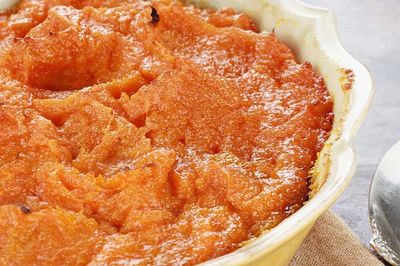
Boniato is peeled, cubed and simmered in salted water until completely tender. Once drained, the boniato is returned to the warm pot to steam-dry, then mashed with butter, warmed garlic-infused olive oil, sour orange juice (or a lime-and-orange substitute), salt and pepper. The texture should be soft and spoonable, not stiff. Sour orange is the signature; without it the mash tastes flat.
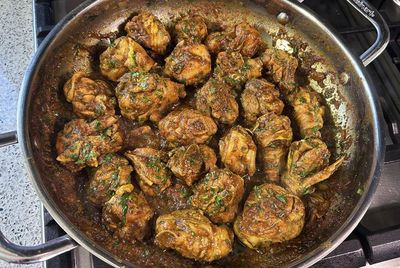
A dry curry rather than a saucy one, "bunjay" is Trinidadian patois for "fry-down", the technique of cooking meat in its own juices until the gravy completely disappears and the spices coat the surface of the meat in a sticky, glaze-like crust. The flavour is concentrated rather than diluted; nothing's been thinned with water or coconut milk, so what you taste is bone-in chicken, rendered chicken fat, and toasted spice. The spice mix is the East Indian Trinidadian signature: turmeric for colour and earth, roasted geera (toasted cumin, ground) for nuttiness, anchar masala for tang, regular curry powder for breadth. The pan oil splits and separates around the chicken at the end, which is the visual cue you're looking for. Smell when the curry powder hits hot oil is deeply aromatic, almost incense-like. Not difficult but it requires attention during the cook-down phase; if you walk away the curry burns onto the bottom of the pan. A Trinidadian household staple, eaten across the country with white rice and dhal, and a clean example of how Indian indentured labourers' descendants in the Caribbean evolved a distinct curry tradition over 150 years.
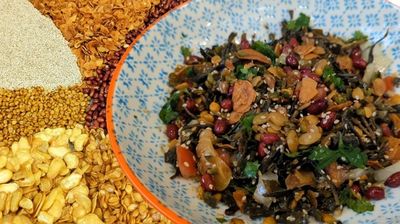
The older, more ceremonial form of lahpet, the version that predates the salad. Unlike lahpet thoke (the salad), there's no cabbage, no tomato, no fresh dressing - the fermented tea leaves stay pungent and concentrated, and the fried elements supply texture and salt. You keep all the components separate on a divided plate until they reach the table, so the crispy bits don't soften, and each guest builds their own bite from the spread. Eaten as an afternoon teashop snack with a small cup of green tea, or traditionally at the close of formal meals as a sign of welcome and reconciliation - a Burmese custom that dates back centuries and still turns up at weddings.
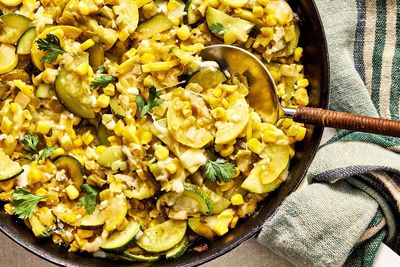
Courgettes are diced and cooked with onion, garlic and roasted poblano until just tender, then sweetcorn and tomato are added to break down briefly. The dish is finished with crumbled queso fresco and coriander. Cumin and Mexican oregano sit underneath; the courgette stays just shy of mushy.
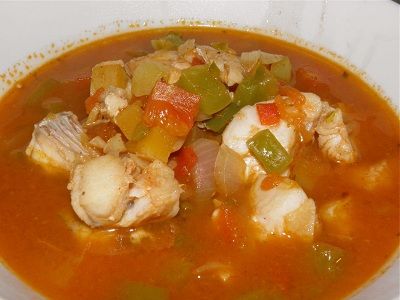
A vibrant Caribbean soup featuring fresh fish poached in a spicy tomato-based broth with sweet potatoes and aromatic vegetables. The scotch bonnet chilli adds authentic heat, balanced by fresh lime juice for a refreshing finish.
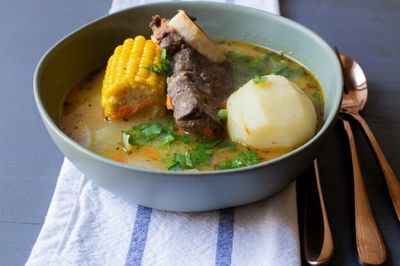
The Chilean Sunday-lunch one-pot, the soup-stew that turns up on every kitchen table from Santiago to Patagonia. You brown bone-in beef shin to colour, then drop it into a simple broth of onion, garlic, oregano and cumin and simmer slowly for ninety minutes until the meat is tender and the broth has built depth. The vegetables go in for the last twenty-five minutes - a thick chunk of pumpkin, a section of corn-on-the-cob, a whole potato, a handful of green beans - each piece kept whole because the cazuela is meant to arrive in the bowl looking like a still life. Rice or vermicelli cooks separately in a ladle of the broth and joins at the very end. Served in deep bowls with chopped coriander and a wedge of lime, the steam rising while you eat. Comfort food at its plainest and deepest.
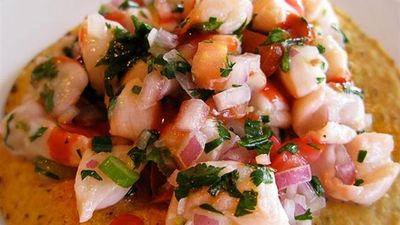
Ceviche is a vibrant, no-cook appetizer in which fresh seafood is "cooked" by the acidity of lime juice, taking on a firm, opaque texture while retaining a wonderfully fresh flavour. The addition of mango, citrus segments, and fresh chilli creates a bright, tropical balance of sweet, sharp, and heat.
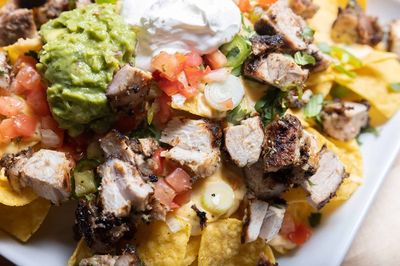
A Caribbean-American fusion that works because both food cultures speak the language of "everything on one tray". The base is American nachos: tortilla chips, melted cheese, black beans. On top sits jerk-marinated chicken thigh, which carries the dish's flavour, allspice, Scotch bonnet, nutmeg, cinnamon, thyme, soy and brown sugar blended into a wet jerk paste, marinated into the meat overnight, then oven-baked and sliced. The fresh element on top is a Trinidadian-style fruit chow: diced mango, pineapple, red bell pepper and red onion dressed with lime juice and cilantro. The chow is what makes this work; without it the nachos are just spicy meat-and-cheese, with it the dish has acid, crunch and sweetness to cut through the richness. Smell is melted cheese hitting jerk seasoning, with a citrus-tropical lift from the chow on top. Not difficult but it's three components running on different timelines, so plan ahead. A modern party-and-Super-Bowl-tray dish rather than something a Kingston grandmother makes, popularised by Caribbean-American food bloggers in the 2010s.
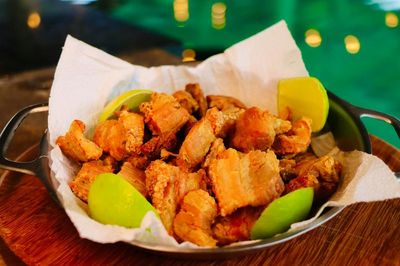
Pork belly cuts into thick strips (5 cm wide × 3 cm thick) with skin on. Simmers in water seasoned with cumin, salt, garlic and a bay leaf for 45 minutes, this tenderises the meat and renders some fat. Lifts out; pats dry. The same pan (with rendered fat) heats hot; strips return skin-side-down; fry for 15-20 minutes until the skin blisters and puffs into the crackling crust. Drains briefly. Eats hot.