Amok Trey

Amok Trey

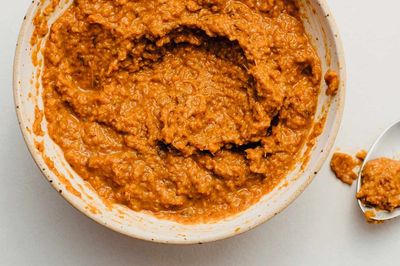
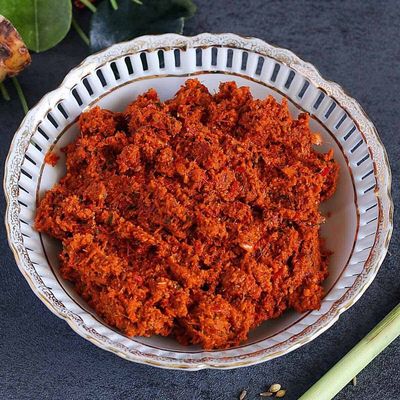
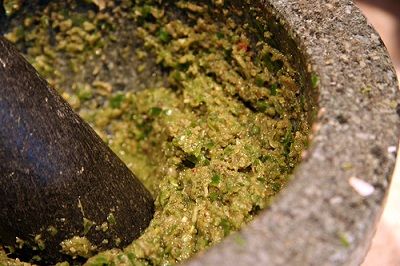
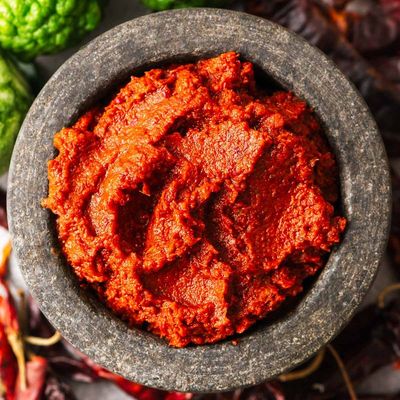
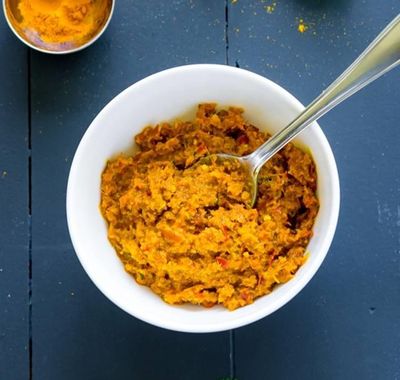
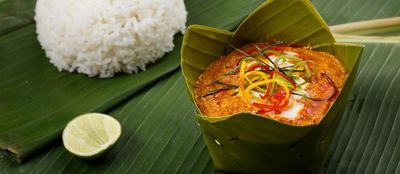
Cambodia's national dish, the centrepiece of any Khmer feast and the proper-occasion food across the country. You start by pounding kroeung fresh in a mortar (the paste of lemongrass, galangal, turmeric, garlic, shallots, kaffir lime zest and coriander root that defines Khmer cooking, and that no shop-bought paste comes close to matching). The kroeung fries briefly to bloom its aromatics, coconut cream and stock loosen it, and eggs whisk in to set the eventual custard. Chunks of firm white fish fold through with chopped greens (traditionally noni leaves, with spinach or chard standing in), and the whole mix spoons into banana-leaf cups (or small ramekins). Twenty minutes in a steamer turns the custard just-set around the soft fish, and the banana leaves perfume everything. Served from the parcels with steamed rice and a wedge of lime.
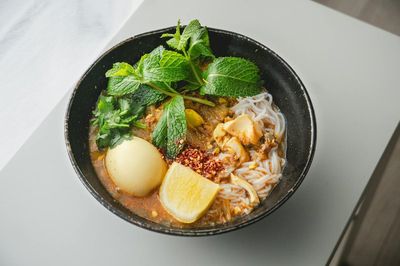
Cambodian 55 minutes Serves4
Chingri Malai Curry

Chingri Malai Curry

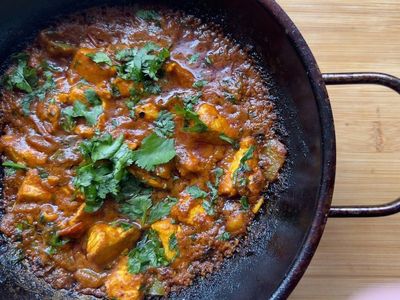
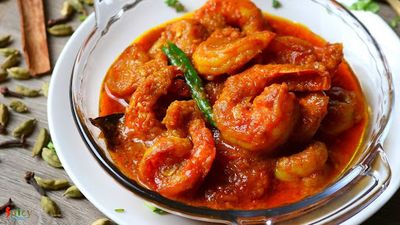
Chingri malai curry is one of those rare Bengali dishes that crosses the river: equally beloved in Kolkata's bonedi households and in the coastal kitchens of Khulna and Chittagong. The name is often misread as a reference to Malaysia (Malay), and there is a folk tradition that the dish came back with Bengali traders from the Malay Peninsula, but in practice malai here simply means cream, in this case the rich first-pressed coconut milk that gives the gravy its body. The prawns must be large, ideally tiger prawns or the freshwater bagda chingri, kept whole with heads and tails on for maximum flavour. The cooking is short and the spice profile delicate: a tempering of whole garam masala in ghee and a little mustard oil, a base of finely ground onion paste rather than chopped onion, a gentle bloom of ginger and turmeric, and then the prawns barely poached in coconut milk so they remain juicy. Sugar plays a quiet but important role, just enough to round the salt and amplify the coconut's sweetness. The result is a curry that is luxurious without being heavy, fragrant without being sharp. It is rich enough to be served with plain basmati or gobindobhog rice and nothing else, though a small wedge of lime on the side is welcome. Overcooked prawns are the only real danger; once you have mastered the timing, this is one of the easier showstoppers in the Bengali repertoire.

Bengali 50 minutes Serves4
Thai Green Curry Paste (Kruang Kaeng Khiem Wan)

Thai Green Curry Paste (Kruang Kaeng Khiem Wan)

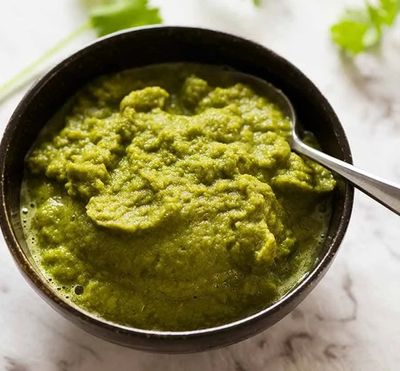
Thai green curry paste combines fresh green chillies (not reduced in heat like Thai red paste), fresh herbs including cilantro and lemongrass, and aromatic spices. The "green" comes from fresh coriander and green chillies, not fromprocessing. This is one of Thailand's most iconic curry pastes. Unlike red curry paste which is often toasted-spice based, green relies on fresh ingredients for its character and building, sustained heat.

Curry Paste 20 minutes Serves230-250
Thai Red Curry

Thai Red Curry

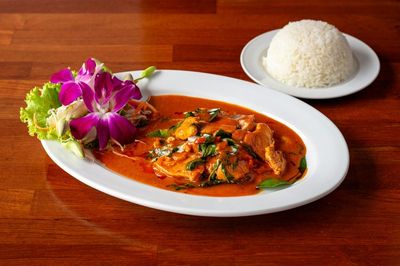
Gaeng phed gai, this classic Thai red curry features tender chicken simmered in a rich, aromatic coconut sauce infused with homemade red curry paste. The chilli paste that forms the basis of this dish has superb flavour and is worth making in quantity, as it's useful in all sorts of spicy dishes. Taking the extra time to pound herbs and spices using a mortar and pestle releases their fragrances perfectly, creating an authentic, restaurant-quality curry.

Thai 45 minutes Serves4-6