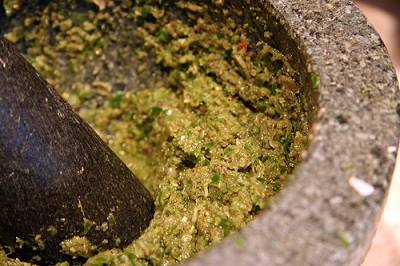
Thai Green Curry Paste (Kruang Kaeng Khiem Wan)
Thailand's green curry paste: fresh green chillies, lemongrass, galangal, kaffir lime, garlic.
Overview
Thai green curry paste combines fresh green chillies (not reduced in heat like Thai red paste), fresh herbs including cilantro and lemongrass, and aromatic spices. The "green" comes from fresh coriander and green chillies, not fromprocessing. This is one of Thailand's most iconic curry pastes. Unlike red curry paste which is often toasted-spice based, green relies on fresh ingredients for its character and building, sustained heat.
Ingredients
Fresh Aromatics & Herbs
- 4 fresh green chillies (large, de-seeded for moderate heat; keep seeds for authentic spiciness)
- 1 onion (medium, finely chopped)
- 1 tablespoon fresh garlic (minced)
- 8 tablespoons fresh coriander (chopped, including stems)
- 2 pieces lemon grass (tender portions, finely sliced)
- 1 tablespoon fresh galangal (chopped)
Spices & Flavor
- 2 teaspoons ground coriander
- 1 teaspoon ground cumin
- 1 teaspoon black peppercorns (crushed)
- 1 teaspoon ground turmeric
- 1 teaspoon shrimp paste (wrapped and warmed)
- Fine sea salt (to taste)
Oil
- 2 tablespoons peanut oil
Method
Stage 1 - Prepare Green Ingredients
- Wash the fresh green chillies.
- If you prefer milder heat, carefully remove the seeds and white pith from inside.
- Roughly chop the chillies.
- Roughly chop the onion into chunks.
- Mince the garlic finely.
- Slice the tender lower portions of lemongrass very thinly.
- Chop the galangal into small pieces.
Stage 2 - Grind Fresh Base
- Place the chopped green chillies, onion, garlic, fresh coriander, lemongrass, and galangal into a large mortar.
- Using a pestle, grind steadily and methodically until the mixture becomes a smooth, uniform paste.
- This requires patience and consistent pressure; crushing (not heating) is the goal.
- Gradually add the peanut oil as you grind, working it in slowly to bind the paste.
Stage 3 - Add Ground Spices
- Add the ground coriander, ground cumin, crushed peppercorns, and turmeric to the fresh paste.
- Stir and grind thoroughly to distribute the spices evenly.
- The paste should be vibrant green and completely uniform in color.
Stage 4 - Incorporate Shrimp Paste
- Warm the shrimp paste by wrapping it in foil and holding it briefly over a flame, or by warming in a dry pan for 10-15 seconds.
- Add the warmed shrimp paste to the paste.
- Grind and mix thoroughly until fully incorporated.
- Add salt to taste (start with 1 teaspoon and adjust).
Notes
- Heat Level: Green curry is traditionally hot. If you want mild heat, remove all chilli seeds. For authentic spice, leave seeds in.
- Fresh Herbs: The cilantro and lemongrass are essential to green curry's character; don't substitute dried versions.
- Shrimp Paste Aroma: It's pungent raw, but the aroma mellows during cooking and becomes a crucial umami component.
- Green Color: The vibrant green color comes from cilantro and fresh green chillies; if the paste seems dull, you may have oxidized the herbs (use immediately).
- Mortar & Pestle: Absolutely essential; food processors heat the paste and produce mushiness.
- Freshness: This paste is at its best used within a few hours of making.
Variations
Maximum Heat: Include all chilli seeds for traditional Thai-level spice. Creamier: Add 1-2 tablespoons coconut cream during grinding for a richer paste. Extra Fresh: Add fresh Thai basil in the final moments of grinding. With Lime: Add 1 teaspoon lime zest for brightness.
Serving
Use in: Thai green curries, curry soups, curry-braised vegetables Typical ratio: 2-4 tablespoons per 400 ml coconut milk (green curry is typically spicier than red, so quantity varies by heat tolerance) Technique: Fry briefly in hot oil or a bit of coconut cream before adding liquid Temperature: Use immediately after making
Storage
- This fresh-herb paste keeps refrigerated for only 3-4 days maximum
- The green color fades and herbs oxidize quickly; best used same day
- For freezing, portion into ice cube trays, freeze solid, then transfer to freezer bags for up to 2 months
- Thaw frozen paste at room temperature before using
- Do not keep at room temperature; bacterial growth risk with fresh herbs and oil
Don't let the pale green color fool you, a green curry can be devastatingly hot if prepared the traditional way. Fresh green chillies and herbs create brightness that builds heat throughout the meal.
More like this
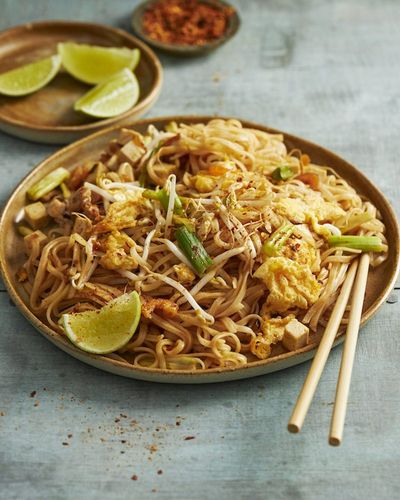
Prawn and Pork Pad Thai
This classic Thai dish of noodles is both aromatic and lightly spicy, serving well as either a main course or a starter. Pad Thai combines stir-fried rice noodles with tender chicken, pork, and prawns in a balanced sauce of curry paste, oyster sauce, and fish sauce. Fresh herbs, crushed peanuts, and a squeeze of lime complete this iconic Thai street food favourite.
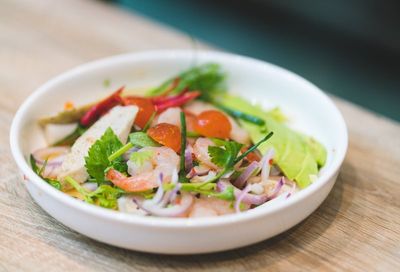
Glass Noodle Salad
Spicy Thai salad with glass noodles, prawns, and pork. Nostalgic dish from Thai barbecues; serve hot or at room temperature.
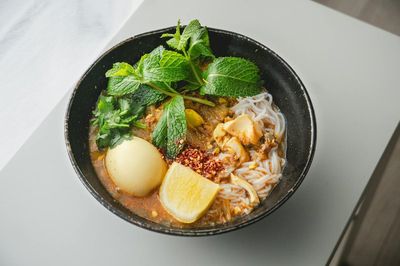
Malaysian Curry Laksa (Laksa Lemak)
A two-part dish: a deeply concentrated prawn-and-chicken stock built from roasted prawn shells, layered with a freshly pounded laksa paste of dried chilli, galangal, lemongrass and candlenuts. The two are joined with coconut cream to create a glossy, fragrant broth that bathes rice vermicelli, tofu puffs and prawns. Finished at the table with sambal, lime, fresh coriander and bean sprouts.
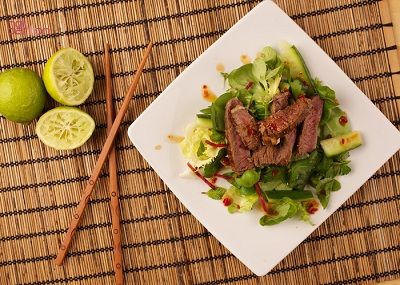
Go Bo Hoi an
Go Bo Hoi An is a piquant Vietnamese beef salad featuring thinly sliced seared beef tossed with crisp vegetables, fresh herbs, and a bright tamarind-lime dressing. This dish has delicate undertones of lime and garlic which carry through the tamarind flavours perfectly. The combination of tender beef, crunchy vegetables, aromatic herbs, and crispy rice papers creates a textural and flavourful celebration of Vietnamese cuisine. Quick to make but requires advance preparation, ensure the salad, dressing, and toppings are made and ready to use before cooking the beef.