In season

May produce

Tap any item to find recipes that use it.

Jerk Meatballs in Coconut Curry Sauce

Jerk Meatballs in Coconut Curry Sauce

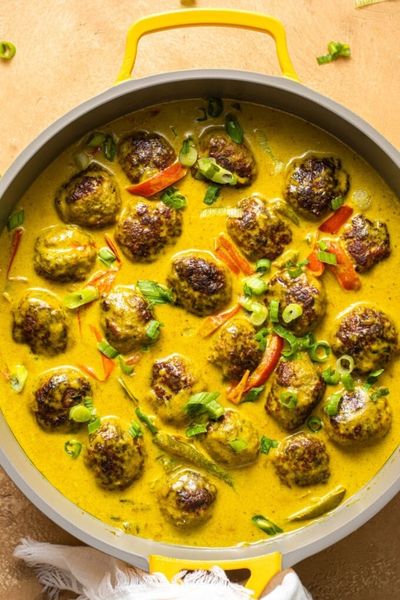
Two strong Caribbean flavours pulled into a single one-pan dinner: jerk on the inside (in the meatballs), curry on the outside (in the sauce). The meatballs are pork rather than the more common beef, which suits jerk better, pork carries the allspice-and-Scotch-bonnet seasoning the way it was historically intended (the Maroons of eastern Jamaica originally jerked wild boar, not chicken). Around them sits a coconut-curry sauce: shallot, garlic, sweet bell peppers, Jamaican curry powder bloomed briefly in butter, then full-fat coconut milk to mellow everything into something almost ice-cream-rich. The two flavours sit alongside each other rather than fighting, the jerk reads spicy-savoury, the curry reads sweet-aromatic, and a bite that includes both is genuinely better than either alone. Smell is curry powder bloomed in coconut milk, deeply Caribbean. One of the easier dishes here, 50 minutes start to finish, all in one pan, and a modern Black-American food-blogger creation rather than a traditional Jamaican dish; the cross-pollination is the point.

Jamaican 50 minutes Serves4
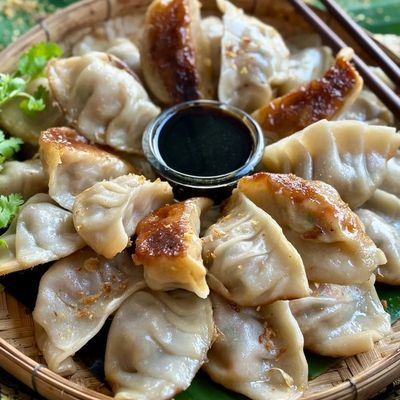
Jiaozi

Jiaozi

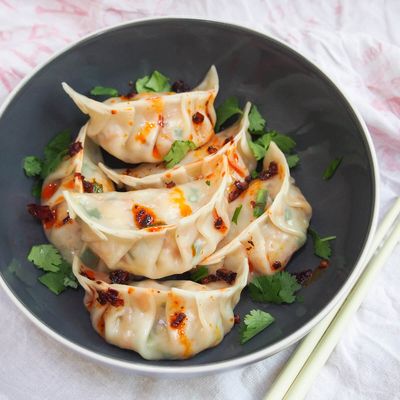
A hot-water dough - flour mixed with water (just-boiled) - for a tender, slightly stretchy wrapper that doesn't dry out. The filling is the classic family recipe: minced pork and finely chopped Chinese chives bound with soy, sesame oil, ginger and shaoxing wine. Each dumpling rolled thin, filled with a generous teaspoon, pleated along one edge, sealed and shaped. Boiled in batches, with the "three-cup" trick of adding cold water between waves to stop the wrappers blistering. Served with a sharp black vinegar and chilli dipping sauce.

Snacks 1 hour 12 minutes Serves4
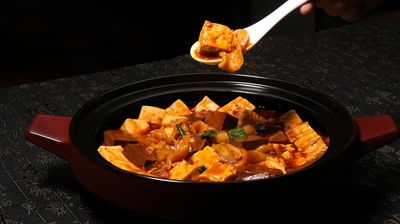
Mala Dry-Pot (Ganguo)

Mala Dry-Pot (Ganguo)

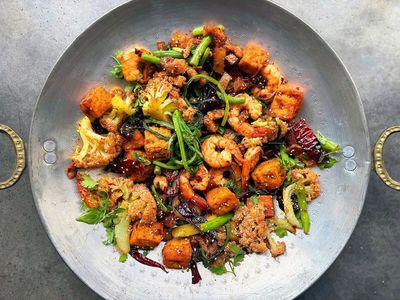
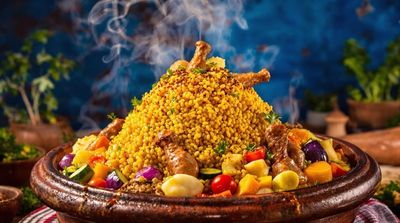
Ganguo, literally "dry pot", is the dry sister of hotpot. Where hotpot is a communal soup simmered at the table, dry pot is a wok composition: each ingredient pre-cooked separately, then everything tossed together at the last moment in a fragrant mala sauce based on Pixian doubanjiang, fermented black beans and chilli oil. The result lands somewhere between a stir-fry, a casserole and a giant heap of bar snacks. The dish is usually credited to Chongqing in the 1990s and exploded into nationwide popularity in the 2000s; it now anchors the menu of countless ganguo restaurants where you point at ingredients on a fridge and they appear minutes later in a single-handled wok at your table. Difficulty for a home cook is low if you accept the rhythm: blanch the vegetables, sear the proteins, then build the final dish from already-cooked components. The trick is restraint with the sauce, generous heat under the wok, and the willingness to commit to a long ingredient list. The recipe is endlessly flexible: lotus root, potato, cauliflower, mushrooms, squid, chicken wings, beef, fish balls, tofu skin, whatever you have, in any combination, totalling 1-1 ½ kg.
Chinese 50 minutes Serves4
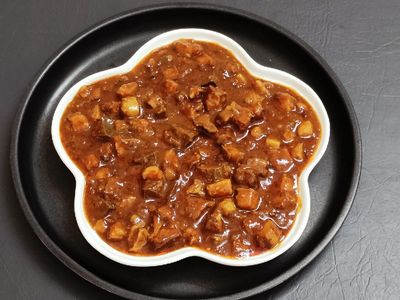
Pork Sorpotel

Pork Sorpotel

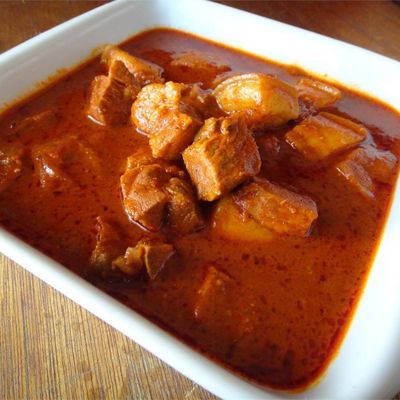
Pork shoulder and liver are par-boiled with whole spices, then diced. A masala paste of roasted Kashmiri chillies, peppercorns, cinnamon, cloves and cumin is ground with garlic, ginger and a generous splash of palm vinegar. The diced meat is browned in pork fat, the paste fried until the oil separates, and the cooking stock added for a slow simmer. The dish improves dramatically after 24-48 hours in the fridge; Goans traditionally make it the day before serving.

Goan 2 hours 30 minutes Serves6-8
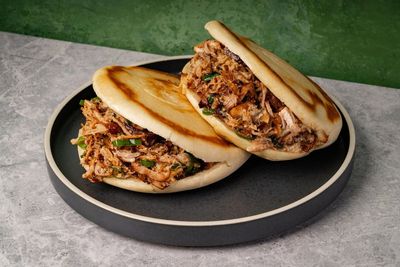
Roujiamo (Xi'an Chinese Hamburger)

Roujiamo (Xi'an Chinese Hamburger)

Roujiamo is often, lazily, called the Chinese hamburger, but it is older than the burger by perhaps a thousand years and structurally quite different. The bread is a flat, lightly leavened, sometimes laminated wheat round, with the layered Tongguan style (flaky and croissant-like) considered superior to the softer baijimo. The filling is rich braised pork, shoulder or belly, simmered with rock sugar, soy and warming spice until it shreds under a knife, then chopped fine on a board with raw onion and cilantro and a spoonful of its own dark cooking liquid. The whole assembly is then crammed inside the freshly fried-and-baked bun while everything is still hot. Roujiamo is a quintessentially Xi'an dish, the product of a city that for centuries sat at the eastern terminus of the Silk Road; the bread tradition comes from the Hui and Uyghur Muslim communities of the northwest, while the braised pork belongs to the Han Chinese kitchen. Difficulty for a home cook is moderate to high, the lamination of the bread takes practice, and there are multiple components on timed tracks, but the result is one of the great street foods of China, and the buns and meat can both be made ahead.

Chinese 5 hours Serves4
Tantanmen

Tantanmen

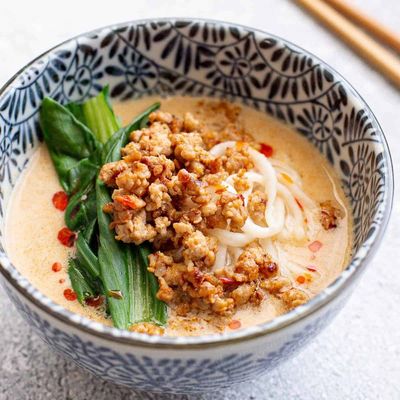
Three components assemble at service. (1) Niku miso: ground pork stir-fries with garlic, ginger, doubanjiang and miso, then sweetened with sugar and finished with sesame oil. (2) Tare (concentrated seasoning paste): white sesame paste (tahini), soy sauce, rice vinegar, chilli oil, miso paste, garlic, whisked together. (3) Hot soup: chicken stock with a touch more sesame paste and chilli oil swirled in. Ramen noodles cook separately. Bowls layered: tare in the bottom, hot soup ladled over, cooked noodles, mound of niku miso, blanched bok choy, soft-boiled marinated egg, scallions, extra chilli oil.

Japanese 55 minutes Serves2