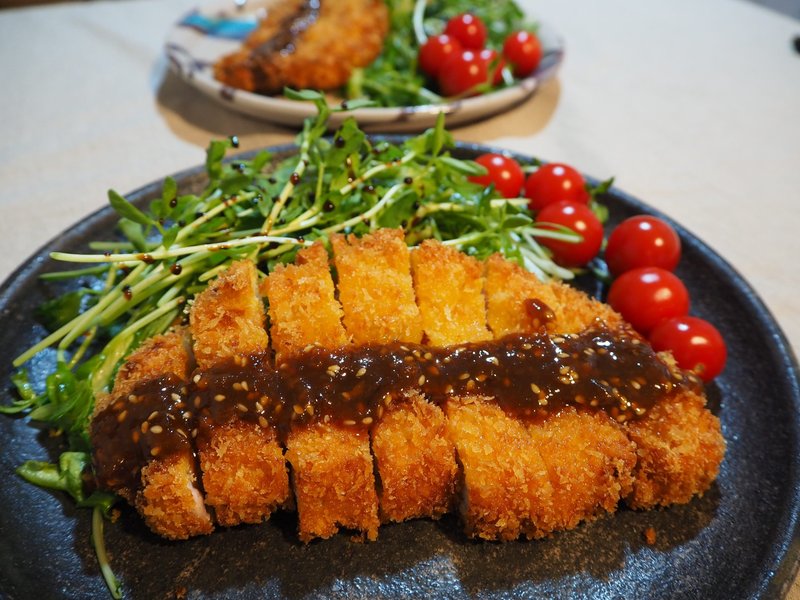
Tonkatsu
Panko-crumbed pork cutlet, the original katsu (chicken came later). Pork loin or fillet, shallow-fried golden, sliced and served with shredded cabbage and tonkatsu sauce. Find at any Japanese yōshoku restaurant.
Overview
Thick pork loin steaks are scored, seasoned, breaded with flour-egg-panko, and shallow-fried until the crust is shatter-crisp. Served with cabbage so finely shredded it's practically a slaw, and a sticky-sweet katsu sauce.
Ingredients
Pork
- 4 pork loin steaks (about 180 g each, 1 ½-2 cm thick)
- 4 tablespoons plain flour
- 2 eggs (beaten)
- 150 g panko breadcrumbs
- salt
- pepper
- Vegetable oil for shallow-frying (about 4 tablespoons)
Katsu sauce
- 4 tablespoons Worcestershire sauce
- 4 tablespoons ketchup
- 2 teaspoons soy sauce
- 2 teaspoons sugar
- 1 teaspoon Dijon mustard
To serve
- 300 g cooked Japanese short-grain rice
- ¼ small white cabbage (very finely shredded)
- 1 lemon (cut into wedges)
- 1 tablespoon toasted sesame seeds
Method
Stage 1 - Prep the pork
- Pat the pork steaks dry. Trim excess fat but leave a thin rim.
- Score the surface in a shallow cross-hatch on both sides (prevents curling).
- Season generously with salt and pepper.
Stage 2 - Bread
- Set up three plates: flour, beaten egg, panko.
- Coat each steak in flour, then egg, then press firmly into panko on both sides.
Stage 3 - Fry
- Heat 4 tablespoons of oil in a wide heavy pan over medium heat.
- Fry for 3-4 minutes a side until deep golden and cooked through (62°C in the centre).
- Drain on a wire rack.
Stage 4 - Sauce and serve
- Whisk the sauce ingredients in a small bowl.
- Slice each cutlet into 2 cm strips.
- Plate with rice, cabbage and sliced tonkatsu. Drizzle with sauce, scatter sesame seeds, and add a lemon wedge.
Notes
- Score the pork: The strip of fat around pork loin contracts as it cooks, curling the cutlet; cross-hatch scoring prevents this.
- Don't overcook: Modern pork is safe at 62°C. Cooked beyond that and you've made boot leather.
- Grate ginger into the cabbage: Some traditions add a tiny bit of ginger to the slaw; brightens the dish.
Storage
- Eat immediately. Keeps 1 day refrigerated; reheat in a 180°C oven for 8 minutes.
More like this
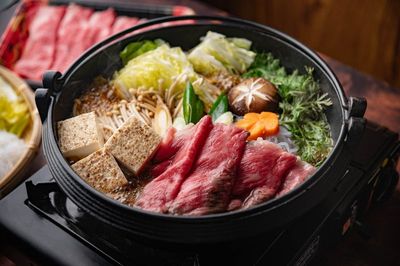
Beef Sukiyaki
A wide shallow pot is brushed with beef fat, the warishita sauce (soy-mirin-sake-sugar) is poured in, then thinly sliced beef and a colourful array of vegetables, tofu and shirataki noodles are added in batches as people eat. Each piece dips in raw egg yolk before going in the mouth. A portable hob at the table is traditional but not required.
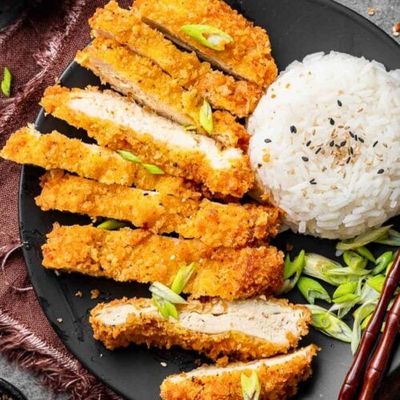
Chicken Katsu
Chicken breasts are flattened, dredged in flour, egg and panko, then shallow-fried until the crust is deep golden and shatteringly crisp. Served sliced over rice with shredded cabbage and a katsu sauce built on Worcestershire and ketchup.
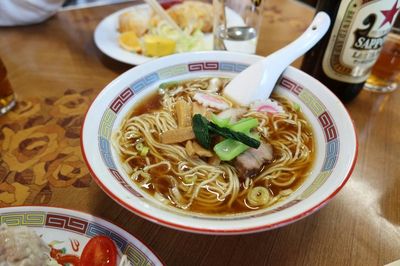
Shoyu Ramen
Of the four main ramen styles, shoyu (soy) is the cleanest and most aromatic, leaning on a clear roasted-chicken broth rather than the milky richness of tonkotsu or the heavy punch of miso. The technique splits the work: a long, gentle simmer with kombu and shiitake builds the broth, and a separate seasoning sauce called tare goes in bowl by bowl at the end. That last step is what lets you tune the saltiness without compromising the broth's clarity.
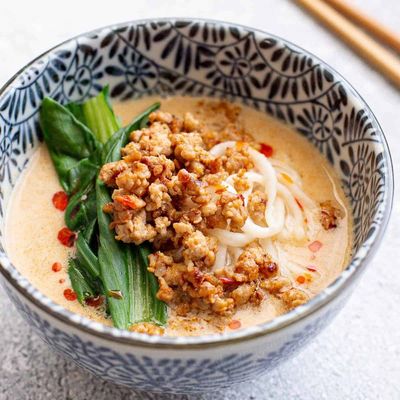
Tantanmen
Three components assemble at service. (1) Niku miso: ground pork stir-fries with garlic, ginger, doubanjiang and miso, then sweetened with sugar and finished with sesame oil. (2) Tare (concentrated seasoning paste): white sesame paste (tahini), soy sauce, rice vinegar, chilli oil, miso paste, garlic, whisked together. (3) Hot soup: chicken stock with a touch more sesame paste and chilli oil swirled in. Ramen noodles cook separately. Bowls layered: tare in the bottom, hot soup ladled over, cooked noodles, mound of niku miso, blanched bok choy, soft-boiled marinated egg, scallions, extra chilli oil.