Chalow

Chalow

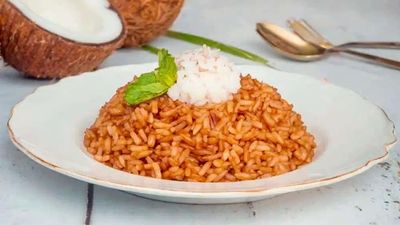
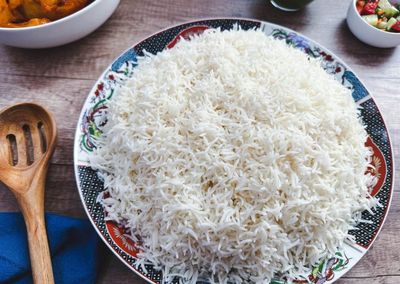
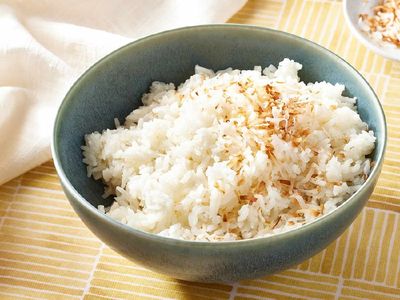
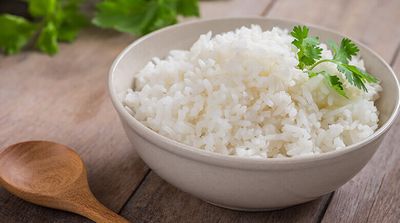
Chalow is Afghanistan's foundational rice method, and once you have it down you can build any Afghan rice dish on top of it (kabuli pulao starts from a chalow base, for example). The technique is parboil-then-steam. Long-grain basmati rinses thoroughly until the water runs almost clear, soaks for half an hour, then boils hard in plenty of salted water for five or six minutes (the grains should be 70% cooked: soft outside, just a touch firm in the middle). Drain, return to a dry pot, drizzle a little oil over the top, clamp the lid on with the heat at its absolute lowest for twenty minutes (this is the dum). What comes out is rice with separate, fluffy grains and a thin gold crust on the bottom of the pot. The crust is the cook's reward; scrape it up and eat it first.

Sides 1 hour 10 minutes Serves4
Dal Makhani

Dal Makhani

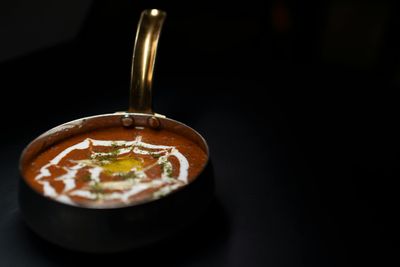
Whole black urad lentils and a small handful of red kidney beans are soaked overnight, then pressure-cooked or simmered until completely tender. A tomato-and-spice masala is built separately with onion, garlic, ginger and a careful hand with the spices. The lentils are folded into the masala and simmered, low and slow, for two hours, while butter and cream are stirred through in the final stage. The lentils break down into a glossy, almost-velvet finish.

Indian 3 hours 15 minutes Serves6
Dolmadakia (Greek Stuffed Vine Leaves)

Dolmadakia (Greek Stuffed Vine Leaves)

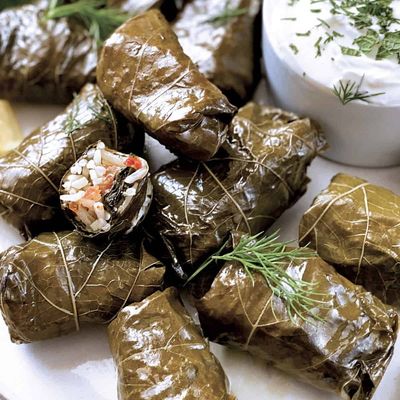
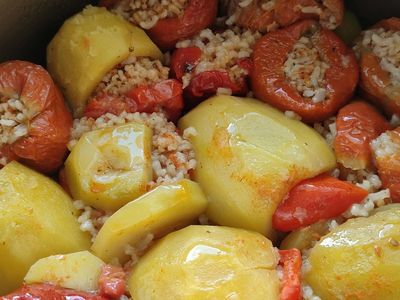
Brined vine leaves are soaked for 20 minutes to leach the brine. Filling: short-grain rice is par-cooked for 10 minutes with onion in olive oil; off heat, dill, mint, parsley, pine nuts, currants and lemon zest are stirred through. Each leaf is given a teaspoon of cool filling and rolled into a tight cigar. The rolls are packed tight in a heavy pot lined with broken / extra leaves. Olive oil, lemon juice and stock are poured in to barely cover. Weighed down with an inverted plate. Slow-simmered for 50-60 minutes. Cooled in the liquid; served at room temperature.

Snacks 2 hours Serves40
Dresil

Dresil

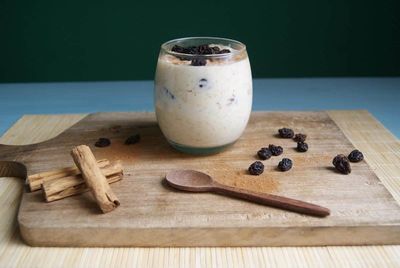
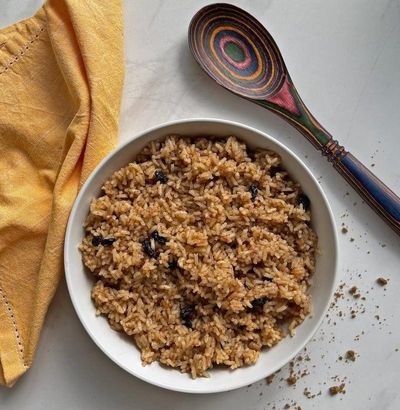
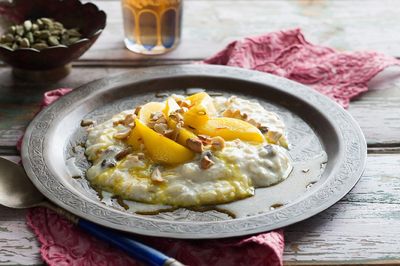
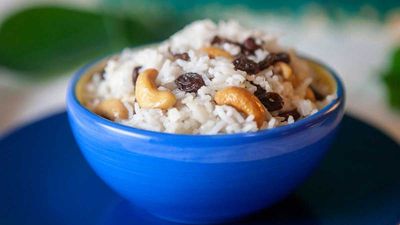
A sweet rice that's about generosity rather than complexity: hot basmati glossed with melted butter, fattened with cashews, sweetened just a little with sugar and softened raisins, and (in the traditional version) studded with droma, small starchy wild roots harvested in central Tibet that look a bit like miniature sweet potatoes and taste vaguely chestnut-like. Without droma the dish is still recognisably dresil, just simpler. Yak butter is the real-thing fat, tangier and stronger than supermarket butter; ghee is the closest accessible substitute. The sweetness is restrained, Tibetan sweets in general aren't very sweet by Western standards, which is part of why dresil eats well alongside salty butter tea. Smell is warm butter and toasted nuts. Easy to make: it's essentially a stir-through. The first thing eaten on the first morning of Losar (Tibetan New Year) in many Central Tibetan households, with each family member taking a small bowl as part of the day-one rituals, and a quiet dish despite being a celebration food.

Desserts 1 hour 15 minutes Serves4-6
Firni

Firni

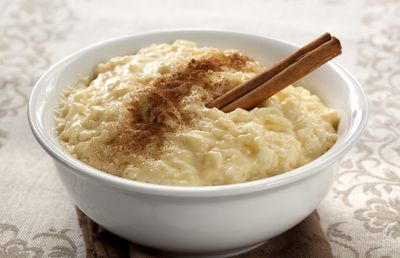
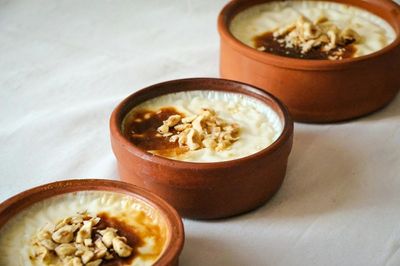
Firni is Afghanistan's set rice-flour pudding, served at Eid and at the end of long family lunches, scented with cardamom and rosewater and topped with crushed pistachios. The technique is simple but precise. Very finely ground rice flour (traditionally soaked basmati ground by hand, but shop-bought rice flour works well) whisks into cold milk to a slurry, gets stirred slowly into warming sweetened milk, and cooks until thick and creamy. Cardamom and rosewater at the end. Pour into shallow dishes (small individual ones, ideally) and chill until the surface sets to a light skin. Scatter with crushed pistachios or almonds and serve cold. Make it the day before so it has time to set properly.

Desserts 3 hours 40 minutes Serves6
Gumbo z'Herbes

Gumbo z'Herbes

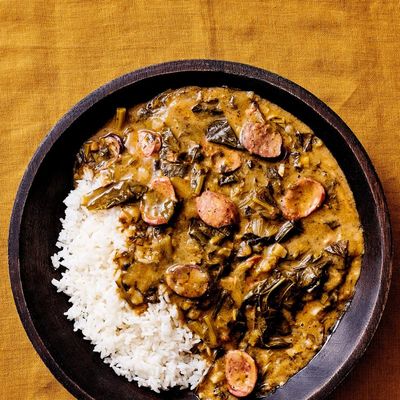
The "gumbo of herbs", the green Lenten gumbo traditionally made by Cajun and Creole families during the fasting weeks before Easter, when meat was off the table but the bowl still had to be filled. You build a dark roux first, flour cooked in oil to peanut-butter brown over a long patient stir. The Cajun trinity of onion, celery and bell pepper goes in to soften, then a mountain of finely chopped greens (collards, mustard greens, turnip tops, spinach, chard - the more varieties the better) piles into the pot with stock. Forty-five minutes of slow simmer takes the greens to meltingly soft and turns the broth into a deep nourishing green-brown. Hot sauce, filé powder and a scoop of white rice finish each bowl. Lenten or not, the dish stands on its own as one of Louisiana's quieter masterpieces.
Cajun 1 hour 40 minutes Serves6
← Prev Page 1 of 4 Next →