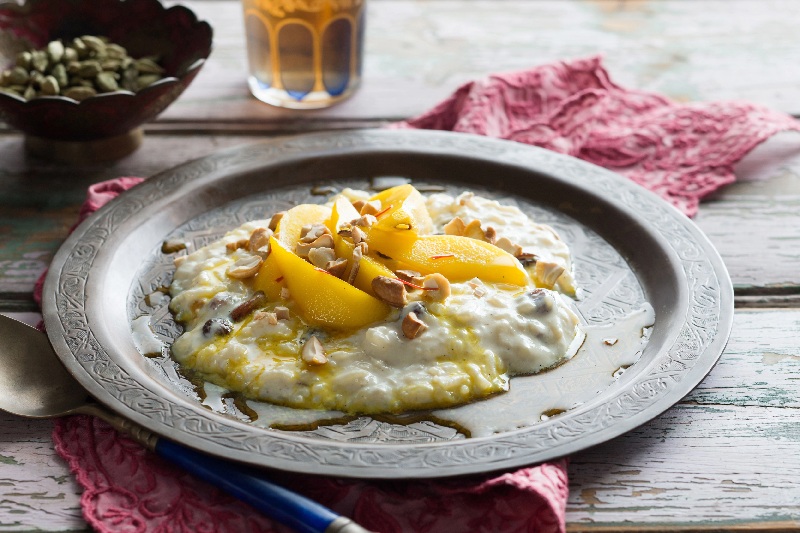
Cardamom Rice Pudding (Kheer)
These individual rice puddings are soft, gooey in the middle and delicate. They can be served with mandarin contributing a refreshing hint of citrus.
Ingredients
- 750 ml milk
- 75 grams short grain pudding rice
- 8 cardamom pods (crushed and tied in muslin)
- 6 egg yolks
- 75 grams caster sugar
For the caramel
- 120 grams caster sugar
- 30 grams liquid glucose
Overview
An elegant and refined rice pudding infused with the warm, floral notes of cardamom, set in a caramel-coated mold like a crème caramel for elegant presentation. The subtle spice and tender rice create a comforting yet sophisticated dessert that feels both nostalgic and luxurious.
Method
- Bring the milk to the boil in a pan, then tip in the rice.
- Add the cardamom.
- Cook over a gentle heat for 15 minutes, stirring from time to time.
- Take off the heat, cover and set aside for 10 minutes.
- Whisk the egg yolks and sugar together in a large bowl.
- Discard the cardamom from the rice and milk, then stir into the whisked mixture.
To make the caramel
- Dissolve the sugar in 2 tablespoons of water in a small heavy-based pan and bring gently to the boil.
- Use a brush dipped in cold water to brush down any crystals that form on the side of the pan.
- Add the glucose and cook gently to a light caramel.
- Divide between 8 ceramic moulds, 7 cm in diameter and 3 ½ cm high, rotating each so that the caramel coats two-thirds of the way up the sides.
- Stand in a shallow roasting dish lined with greaseproof paper.
- Preheat the oven to 120°C.
To make the puddings
- Divide the rice mix between the moulds.
- Pour enough hot water into the roasting dish to come halfway up the sides of the moulds.
- Transfer carefully to the oven and cook for 50 minutes, until set.
- Transfer the moulds to a wire rack to cool, then chill for 4 hours if serving cold, or serve straight away.
Notes
- Cardamom pods should be crushed and wrapped in muslin to infuse flavor while remaining easy to retrieve; loose seeds would be unpleasant to encounter
- The rice should cook in the milk mixture over gentle heat, stirring occasionally, to ensure even cooking and prevent sticking or burning
- The egg yolk and rice mixture should reach exactly 120°C in the oven; neither higher (which causes curdling) nor lower (which prevents setting)
- The caramel must be applied carefully, coating two-thirds up the sides at correct temperature for the proper brittle texture
Serving
Turn out the set pudding from its mold onto a serving plate, allowing the clinging caramel to pool around the base. Serve cold for best flavor and texture contrast. The custard-like center with the crisp caramel exterior creates a sophisticated presentation.
Storage
The assembled moulds keep refrigerated for up to 3 days; turn out only just before serving to maintain the caramel coating's integrity. The unmolded pudding softens gradually as the caramel absorbs moisture from air and custard, so serve within one hour of unmolding for the best experience. Do not refrigerate after unmolding; serve at the temperature at which removed from cold storage.
More like this
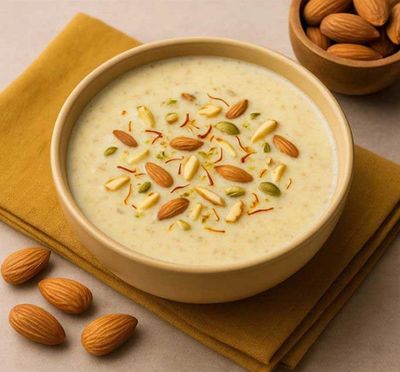
Badam Kheer
Almonds blanched, peeled, ground to a smooth paste, then folded into milk that's been reduced to two-thirds of its volume. Sugar to taste, saffron bloomed in warm milk for the colour, cardamom for the warmth. Simmered gently - never boiled - until the consistency thickens to a pourable cream, then garnished with pistachio slivers and a drift of rose petals.
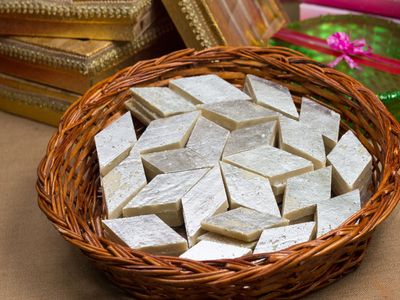
Kaju Barfi
Cashews soaked briefly to soften, ground to a fine pale powder, then folded into a sugar syrup that's been taken to the right consistency - one-string, which means a thread should form when you pinch a drop between thumb and forefinger and pull them apart. Stirred over a low heat until the mixture pulls cleanly from the pan, then kneaded warm, rolled to 5 mm, cut. Edible silver leaf is the traditional finish; rose petals are the home-cook substitute.
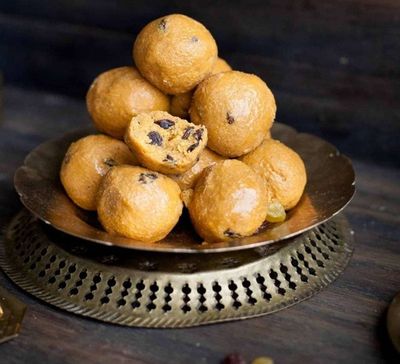
Besan Ladoo
Coarse besan toasted in ghee for a long, slow half-hour, until the colour deepens from pale yellow to a warm honey-brown and the smell turns from raw to roasted-cashew. Off the heat, cooled to barely-warm, then folded with powdered sugar, cardamom and slivered pistachios. Rolled into walnut-sized balls and left to set. The result is dense, fudgy, faintly grainy - the texture is part of the charm.
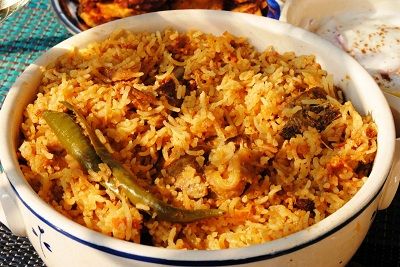
Biryani
Biryani represents the height of Indian culinary technique: multiple components prepared separately with precision, then assembled in layers where flavors permeate through steam cooking. This isn't a one-step rice dish; rather, it's an architectural construction where yogurt-marinated lamb develops tenderization and flavor, then cooks slowly with warm spices and tomato, while basmati rice is independently flavored with saffron infusion and whole spices. Upon assembly, the two elements marry through steam, creating a unified dish where lamb and rice are inseparable in flavor. Traditionally cooked during festivals and royal celebrations, biryani requires patience and multiple steps but rewards with sophistication.