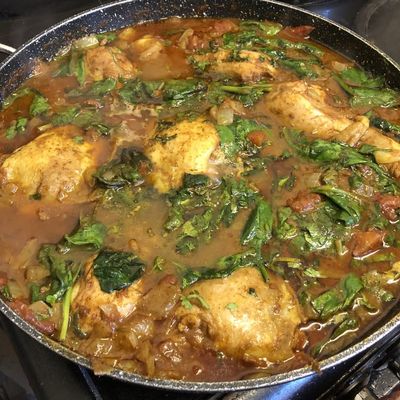
Agra Ginger Chicken
A light, cleansing chicken curry from Agra with fresh ginger, warm spices and bright tomato notes. This vibrant dish is designed to be accessible and fresh, with spinach and lime lifting the finished curry.
Indian
Tap a chip to add another filter, or use Clear all below.
A light, cleansing chicken curry from Agra with fresh ginger, warm spices and bright tomato notes. This vibrant dish is designed to be accessible and fresh, with spinach and lime lifting the finished curry.
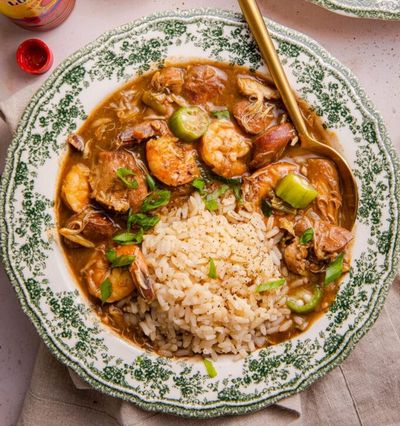
The "everything" Louisiana gumbo, chicken thighs, andouille, lump crab and shrimp all in one pot, and the dish where the technique matters more than the recipe. The roux is the single defining step and the line between Cajun gumbo and every other stew on earth: a full cup of oil and a full cup of flour cooked at medium-low for around 30 minutes, stirred without stopping, until the colour goes from blond to peanut butter to milk chocolate to dark chocolate. That's not flavour theatre; the long-cooked roux produces a deeply nutty, slightly bitter, profoundly savoury base that thickens the gumbo and gives it the distinctive almost-charred note no shortcut can replicate. Around the roux: the Cajun "holy trinity" of onion, bell pepper and celery; filé powder (ground sassafras leaves) added off heat as a second thickener; okra adding a third (and contributing its own slight slip); plus the four proteins, each adding a different layer. Flavour is dark, smoky, herbaceous, and slightly briny from the seafood. Smell is the roux toasting. Not difficult on technique but tremendously demanding on patience and attention; 30 minutes of unbroken stirring is the gateway, and if you walk away or rush it the roux burns and you start over. A dish that runs deep through Cajun and Creole Louisiana, with origins in the French settlers, the Choctaw (who contributed filé), West Africans (who contributed okra), and Spanish colonial traditions of Louisiana from the 1700s onwards.
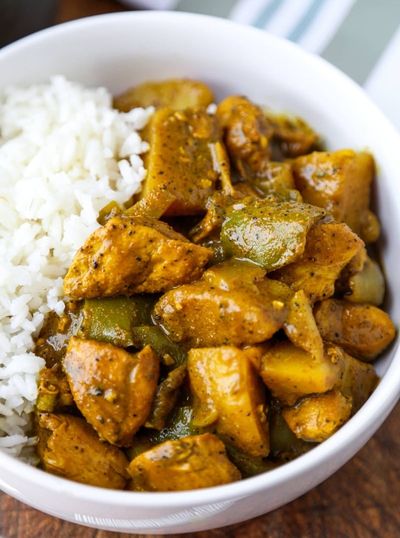
Jamaican curry sits in its own corner of the global curry map: heavier on turmeric and allspice than Indian Madras, lighter on cumin, and built on a technique called "burning the curry" that gives the dish its character. The technique is exactly what it sounds like, dry curry powder hits hot oil and is stirred for 30 seconds until it darkens from yellow to deep gold and smells like toasted spice. That move concentrates the flavours and removes any raw edge. The finished stew is bright yellow stained slightly orange, savoury and aromatic rather than searingly hot, with thyme and a whole pierced Scotch bonnet scenting the gravy without flooring it. Smell: bloomed curry powder, allspice, browned chicken fat. Not difficult, but requires confidence in the 30-second bloom (under-do it and the dish is flat; over-do it and you have to start over). A Sunday-dinner staple across Jamaica and the diaspora, served over white rice with the gravy spooned generously over.
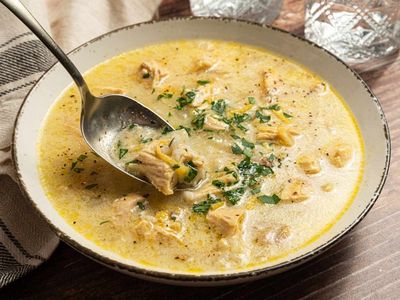
A whole chicken poaches in water with onion, carrot and celery, building broth and tender meat at the same time. Rice (or orzo) cooks in the strained broth. Eggs and lemon juice whisk together, get tempered with hot broth, then stir back into the soup off the heat. The eggs thicken the broth into a velvet finish.
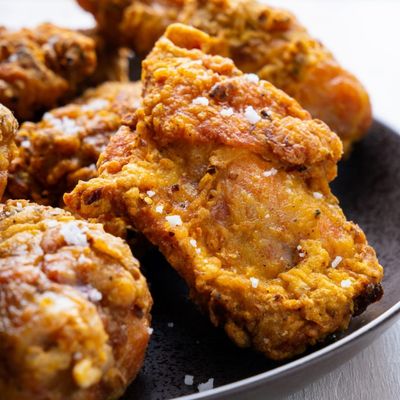
Bone-in chicken pieces are marinated with a freshly pounded spice paste of shallots, garlic, ginger, galangal, lemongrass and turmeric, then dipped in a thin egg and cornflour batter and shallow-fried until golden. The result is a deeply spiced, crackly-crusted fried chicken that picks up colour from the turmeric and depth from the toasted seeds. An overnight marinate is optional but rewards the wait.
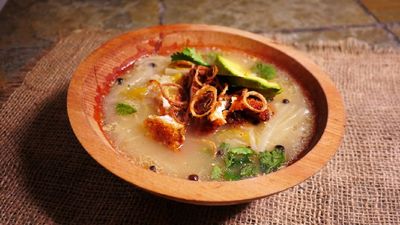
The Bahamas' Saturday-morning hangover cure, the breakfast bowl that arrives steaming in fish shacks and family kitchens across the islands the morning after a wedding or a heavy Friday. You poach bone-in chicken pieces (legs or wings) in lightly salted water with onion, celery, allspice, bay and a whole goat pepper for an hour or so, until the meat falls easily from the bone and the broth has taken on the perfume of the spice. Potatoes go in for the last fifteen minutes so they cook through but hold their shape. Off the heat, you acidify the souse hard with the juice of four or five limes (the souse is meant to taste sharply citric, not gently lemony) and a final tweak of salt. Ladle into deep bowls with the goat pepper floated on top for whoever's brave, and serve with johnnycake or grits on the side to soak.
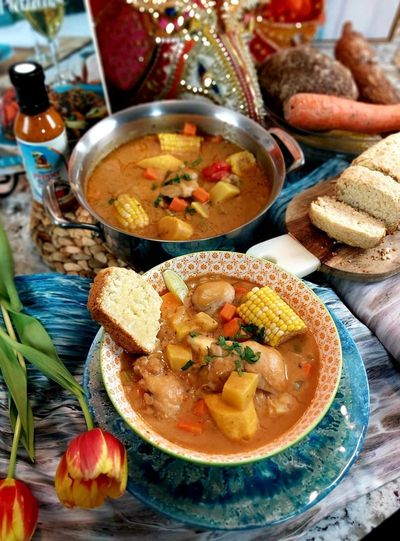
A dark, brown-roux-thickened stew that sits closer to Louisiana gumbo than to Jamaican brown stew chicken, a tell of how strong the Gulf Coast crossover is in Bahamian cooking. The dark roux is the defining step: flour cooked in oil until it goes the colour of cocoa or dark caramel, building toasted-nut depth that the rest of the dish leans on. The flavour profile is layered savoury: thyme as the dominant herb, smoked paprika for smoke, allspice (in the seasoned salt) for Caribbean lift, a single Scotch bonnet for fruity heat, lime juice at the end to wake everything up. The vegetables make it a complete dish, sweet potato, cassava, carrot, corn-on-the-cob pieces and yellow plantain, all hearty and starchy, all picking up the dark sauce. Smell is roasted flour, thyme, and slow-cooked tomato. Not hard but not quick, the roux needs unbroken attention for 5-8 minutes to avoid burning, and the rest is patient stewing. A Sunday-lunch staple across the Bahamas, traditionally served with rice and Johnny Cake (a Bahamian cornbread), and the kind of dish where the leftovers on day two are arguably better than day one.
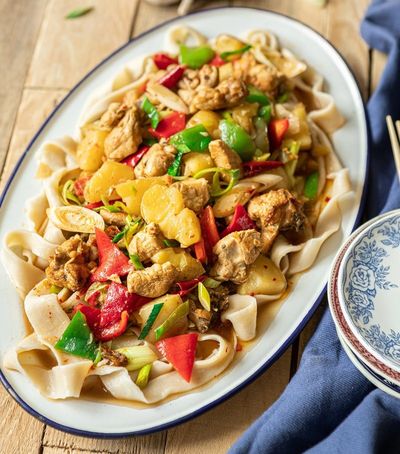
A dish that wears its multi-culture origin on its sleeve: chicken, potato and green pepper in a sweet-savoury soy-based braise (the Han Chinese influence), with star anise, Sichuan pepper, cumin and dried chilli (the Uyghur side), thickened by the starch from chunks of potato, ladled over flat hand-cut belt noodles. The sauce is the centrepiece. Browning sugar in oil before the chicken goes in builds a dark caramel that turns the whole braise a deep brick-red, and the soy underneath gives it weight; the Sichuan peppercorns add a mild numbness rather than dominating. Smell is rich, sweet, slightly spicy, with anise drifting through. Not difficult but not quick, 45 minutes once the prep is done, and the belt noodles are a small project on their own. Born in the 1980s in northern Xinjiang where a generation of Han Chinese migrants opened restaurants alongside the existing Uyghur food economy; the dish is the synthesis of those two traditions and is now the signature dish of Xinjiang cuisine, eaten across China and beyond.
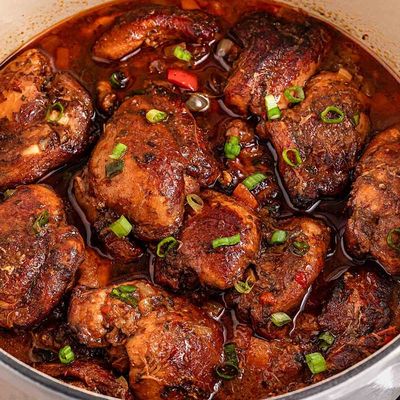
The Sunday-lunch counterpart to goat curry across Jamaica; not curry-driven but built on a deep mahogany gravy that gets its colour from caramelised brown sugar and a few teaspoons of bottled "browning sauce" (Grace is the canonical brand, a concentrated burnt-sugar syrup that's a kitchen staple in every Jamaican household). The chicken is bone-in, marinated overnight in a wet rub of onion, bell pepper, scallions, allspice, ginger and thyme, then browned hard and slow-braised until the meat slips off the bone. Flavour is savoury and slightly sweet with a deep thyme back-note and a whisper of Scotch bonnet heat from the whole pierced fruit in the pot. The gravy is what you actually want; thick, dark, sweet-savoury, glossy with rendered chicken fat, the kind of gravy you'd happily eat over plain rice as its own meal. Smell is browning sugar, thyme, and the unmistakable allspice signature. Patient cooking but easy: marinate the day before, then 30 minutes of active prep and 2 hours of unattended braise. The pairing with [[rice-and-peas]] is non-negotiable across Jamaican households.
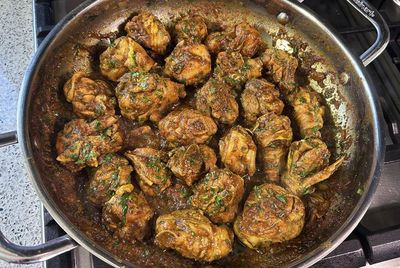
A dry curry rather than a saucy one, "bunjay" is Trinidadian patois for "fry-down", the technique of cooking meat in its own juices until the gravy completely disappears and the spices coat the surface of the meat in a sticky, glaze-like crust. The flavour is concentrated rather than diluted; nothing's been thinned with water or coconut milk, so what you taste is bone-in chicken, rendered chicken fat, and toasted spice. The spice mix is the East Indian Trinidadian signature: turmeric for colour and earth, roasted geera (toasted cumin, ground) for nuttiness, anchar masala for tang, regular curry powder for breadth. The pan oil splits and separates around the chicken at the end, which is the visual cue you're looking for. Smell when the curry powder hits hot oil is deeply aromatic, almost incense-like. Not difficult but it requires attention during the cook-down phase; if you walk away the curry burns onto the bottom of the pan. A Trinidadian household staple, eaten across the country with white rice and dhal, and a clean example of how Indian indentured labourers' descendants in the Caribbean evolved a distinct curry tradition over 150 years.
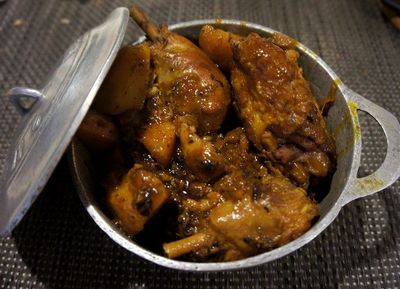
Mauritian cuisine is a layered conversation between Indian, African, Chinese and French traditions, and cari poulet is one of its clearest expressions. The Creole community took the Indian template of a wet curry and rebuilt it with local fresh herbs, particularly thyme and curry leaves grown in the yard, plus tomato, and a masala that is gentler and more aromatic than its mainland Indian cousins. Chicken on the bone is browned for fond, then potatoes are added and the whole pot is simmered in a curry-leaf and tomato gravy until the meat is falling off the bone and the potatoes are creamy on the outside but holding shape. The colour leans red-brown from paprika and turmeric rather than the bright yellow of a Punjabi-style curry. Heat is moderate, intended to complement rice and a chilli-based satini, not overwhelm them. For a home cook the difficulty is low to moderate; the only real demand is patience while the masala blooms in the oil at the start, which is what gives the dish its depth. Serve over plain steamed rice with a coriander satini and a spoon of green chilli pickle, the classic Mauritian Sunday plate.
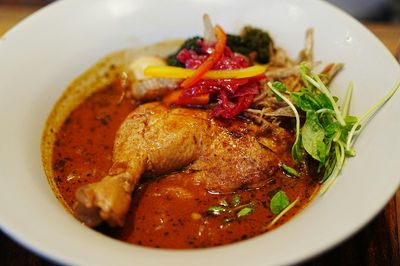
In many Caribbean stew dishes there is an initial step of burning sugar in oil which is used to brown the meat in. This adds a very unique sweetness to the stews from this region and this sweetness paired with the unmistakable flavour (and heat) from the wonderful scotch bonnet chilli is simply astounding. This curry uses curry powder for a fragrant and delicious result that captures the essence of Caribbean cooking.
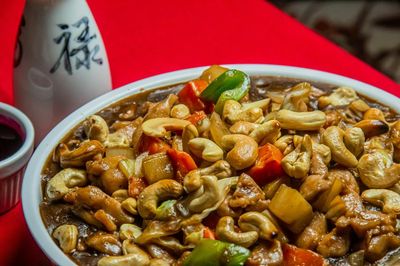
This dish exemplifies the Chinese penchant for contrasting textures. Tender succulent pieces of chicken are paired with sweet, crunchy cashew nuts and a delicate sauce. While the original Chinese version would have used peanuts (as cashews were not traditionally featured in Chinese cookery), this adaptation showcases how the cuisine evolves while maintaining its core philosophy of textural harmony.
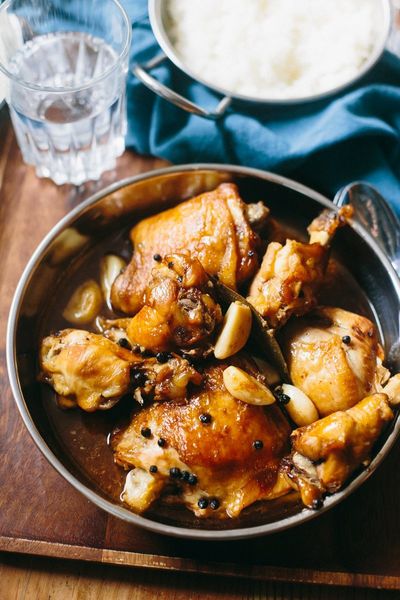
Chicken thighs and drumsticks simmer in a 1:1:1 mix of soy sauce, vinegar and water with garlic, peppercorns and bay. The chicken cooks through; the sauce reduces; the meat browns at the edges. That's the entire dish. Served over rice with a few extra spoonfuls of sauce.
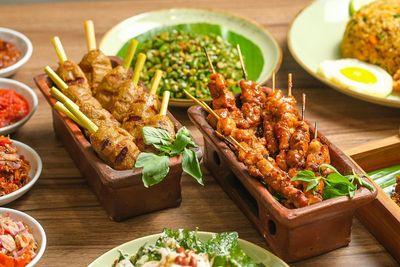
When cooking Chinese food, it's essential to think about the flavours and textures of ingredients working in harmony. Juicy chicken combined with succulent baby corn, tender vegetables, and salty, crunchy cashew nuts create a balanced dish where each element complements the others. A glossy sauce ties everything together without overwhelming delicate flavours.
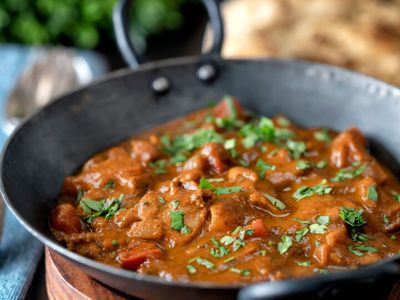
Birmingham's defining curry, cooked hard and fast in a thin two-handled steel balti pan over a roaring flame. The high heat caramelises the masala onto the meat and burns off the oil, leaving a slightly smoky, tomato-forward sauce. Eaten straight from the pan with naan; the sauce is medium-thick, not soupy.
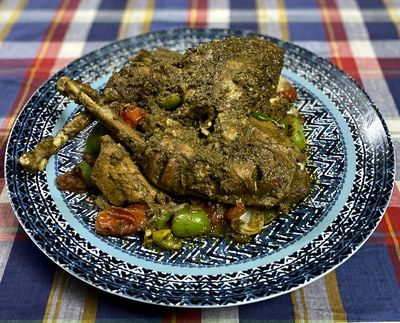
A vivid green masala is ground from coriander leaves, mint, green chilli, garlic, ginger, cumin, peppercorns and clove with palm vinegar. Chicken pieces are slashed and marinated for at least 4 hours (ideally overnight). The pieces are pan-fried in the marinade-paste over high heat until the herb crust dries out and chars at the edges, with a small splash of water added halfway through to keep the chicken juicy. Served with a wedge of lime and a salad of onion and tomato.
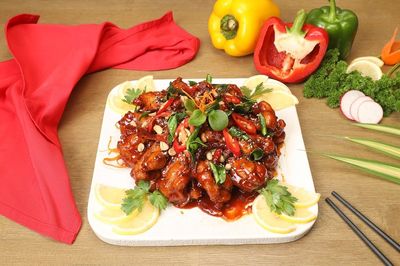
A bold, garlicky curry with a brisk curry-house kick. This jalfrezi-style dish uses plenty of fresh garlic, green chillies, and tandoori tikka, making it spicy but not overwhelming.
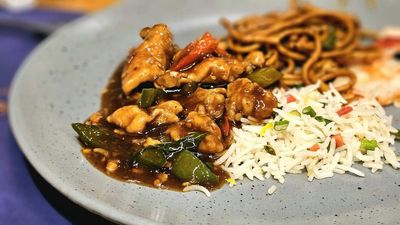
A classic Chinese dish bursting with the fragrance of black bean and garlic. Chicken wings are ideal for this preparation as they cook quickly in a high-heat wok while remaining succulent and flavourful. The fermented black beans add depth and a distinctive umami character that defines authentic Chinese cooking.
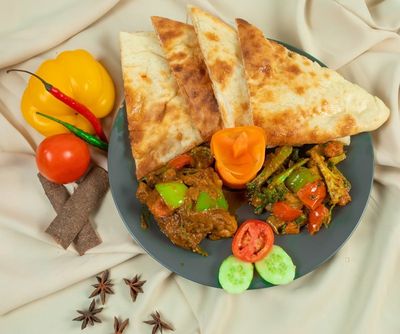
A curry-house jalfrezi inspired by a Balti House classic, featuring quick stir-fried peppers, chillies, onions and tender chicken in a light spiced sauce. It is traditionally dry and crisp, but can be adjusted for more sauce by adding extra base curry or stock.