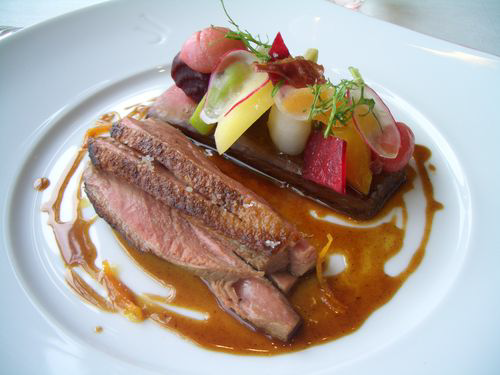
Bigarade Sauce
This is the classic sauce for duck à l'Orange.
Overview
A glossy, rich sauce balancing fruity wine reduction with bright citrus zest and depth from concentrated duck stock. The caramelized sugar provides luxurious body while citrus zests add visual elegance and fresh acidity to perfectly complement roasted duck.
Ingredients
Fruit
- 1 lemon
- 3 oranges
Aromatics & base
- 45 grams caster sugar
- 3 tablespoons red wine vinegar
- 300 grams duck wings
Liquid & finishing
- 2 tablespoons olive oil
- 700 ml Veal stock
- salt
- pepper
Method
Stage 1 - Prepare citrus
- Finely pare the zest from the lemon and two of the oranges and reserve.
- Squeeze the juice from all of the citrus fruit and set aside.
Stage 2 - Make caramel
- Put the sugar and wine vinegar into a deep frying pan and dissolve over a very low heat.
- Continue to cook until you have a deep golden caramel.
Stage 3 - Build sauce
- Meanwhile, heat the oil in another pan, and very quickly brown the duck wings, turning to colour all over.
- As soon as the vinegar syrup has formed a caramel, pour in the veal stock and citrus juices, then add the duck wings.
- Bring to the boil, lower the heat and cook gently for 45 minutes, skimming the surface if necessary.
- The sauce should be thick enough to lightly coat the back of a spoon. If it is not, cook for a little longer.
Stage 4 - Add citrus zest & finish
- In the meantime, cut the citrus zests into a fine julienne.
- Add to a pan of boiling water and blanch for 1 minute. Drain thoroughly.
- Pass the sauce through a fine-meshed conical sieve into a clean pan and season with salt and pepper to taste, then add the citrus zests.
- The sauce is now ready to serve.
- If you are not using the sauce immediately, keep it warm in a bain-marie but only add the zests when you are ready to serve.
Notes
- Caramel colour: Achieve a deep golden colour for best flavour; too light results in bitter sauce, too dark is burnt.
- Citrus zest blanching: This step removes bitterness from the pith; essential for bright, pleasant flavour.
- Zest timing: Add zests just before serving to maintain vibrant colour and prevent them from darkening.
Serving
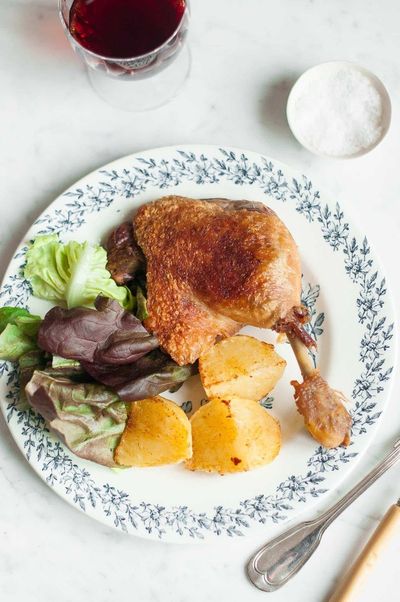
Serve immediately with roasted duck, duck confit, or other duck preparations. The bright citrus complements rich duck beautifully.
Storage
- Keep refrigerated for 2-3 days in an airtight container (store zests separately).
- Freezes well for up to 1 month (freeze without zests; add fresh when reheated).
- Best eaten warm; reheat gently, stirring occasionally.
More like this
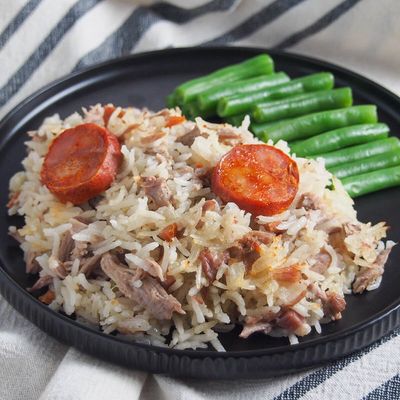
Arroz de Pato
Arroz de pato is Portugal's answer to paella, except baked rather than simmered, and the rice picks up a top crust of crisped chouriço at the end. You poach a whole duck for two hours with onion, bay, cloves and lemon peel until the meat falls apart, then strip the meat off the bones and put the bones back to extract another half hour of flavour from the stock. The strained duck stock cooks the rice, the shredded meat folds back in, and the whole thing goes into a baking dish under a layer of paper-thin chouriço slices. Twenty minutes in a hot oven and the top emerges deeply burnished, the chouriço slices crisp at their edges and slick at their centres. Sunday lunch, ideally with a heavy red from the Douro.
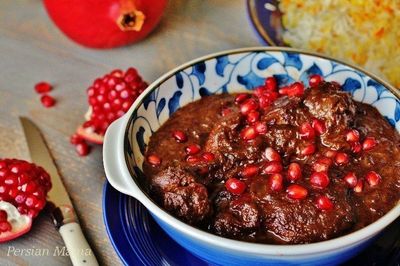
Khoresh-E Fesenjan
Walnuts are toasted and ground to a paste. Onions are softened slowly with turmeric and saffron; chicken thighs are seared, then poached in a stock that the walnut paste loosens into. Pomegranate molasses, sugar and lemon balance the sauce as it darkens; chicken returns to absorb flavour. Slow-cooked until the oil splits out, the sign Fesenjan is ready.
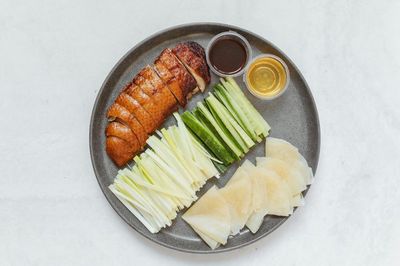
Peking Duck
The Chinese revere duck as a symbol of wholesomeness and fidelity. With Peking duck, Chinese cooks mastered the art of maximising the duck's rich, succulent flesh while minimising bone and fat. This simplified method produces similar results to traditional restaurant preparations. While the authentic version involves air-pumping and wood-burning ovens, this approach creates shatteringly crisp skin through a honey-syrup glaze and extended drying.
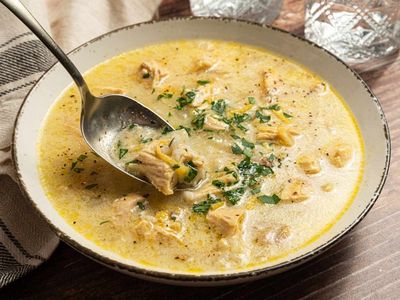
Avgolemono
A whole chicken poaches in water with onion, carrot and celery, building broth and tender meat at the same time. Rice (or orzo) cooks in the strained broth. Eggs and lemon juice whisk together, get tempered with hot broth, then stir back into the soup off the heat. The eggs thicken the broth into a velvet finish.